Old Maps of Orleans County, New York for Academic Research
Study the evolution of Orleans County with 108 high-resolution historic maps. Whether you're teaching, researching, or modeling changes in land use, these maps provide essential visual documentation of urban, environmental, and geographic change.
- Analyze long-term change: Track patterns in development, transportation, and natural features.
- Ideal for environmental or urban studies: Support academic projects with primary historical map data.
- Use in the classroom or lab: Educators and researchers rely on these maps to bring historical context to life.
These maps are a powerful tool for teaching, research, and visualizing how Orleans County has changed over the decades.
Orleans County, NY maps
(108)- 1897 Map of Albion
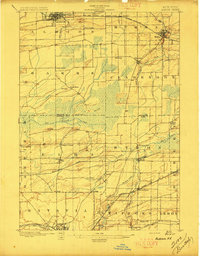 1897 Albion1897 Print · USGSWestern New York at the close of the nineteenth century is defined by its busy transit corridors and rural crossroads. Researchers can trace ancestral farmsteads and old trade routes near the Erie Canal, Oak Orchard Swamp, and Rich's Corners.7 unique versions available
 - 1897 Map of Medina
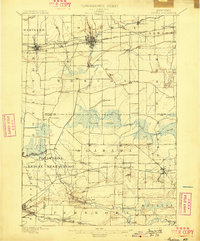 1897 Medina1897 Print · USGSWestern New York at the close of the nineteenth century reveals a landscape defined by the Erie Canal and the Tonawanda Indian Reservation. Researchers can trace the early rail-and-water economy through settlements like Medina, Akron, and the vanished stops of Smithville Sta.7 unique versions available
 - 1897 Map of Oak Orchard
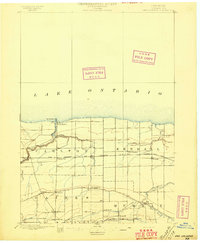 1897 Oak Orchard1897 Print · USGSOrleans County at the close of the nineteenth century is defined by the parallel transit corridors of the Erie Canal and the Great Lakes rail lines. Genealogists and historians can trace the early layout of Point Breeze, find forgotten stops like Carlton Sta., and follow the historic path of Ridge Road.6 unique versions available
 - 1897 Map of Ridgeway
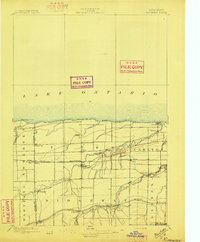 1897 Ridgeway1897 Print · USGSOrleans and Niagara Counties are captured here in the late 1890s, where the bustling ERIE CANAL and the Rome Watertown and Ogdensburg R. R. define the local economy. Genealogists and historians can trace family-named sites along the Ridge Road and locate long-standing hamlets like Lyndonville and Kuckville.5 unique versions available
 - 1899 Map of Hamlin
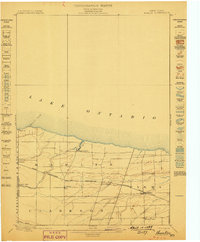 1899 Hamlin1899 Print · USGSThe northern shore of Monroe County appears here in the late nineteenth century, just as the rail lines were solidifying the region's agricultural character. Researchers can trace the early layout of Hilton and Hamlin or locate family roots in the Irish Settlement.4 unique versions available
 - 1899 Map of Brockport
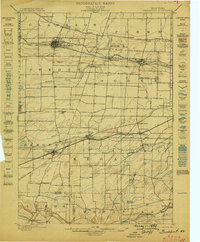 1899 Brockport1899 Print · USGSMonroe and Genesee Counties are captured here at the close of the nineteenth century as the industrial power of the Erie Canal and five different railroads reshaped the landscape. Genealogists and local historians can trace family-named sites and vanished hamlets like Moreton Farm, Hinkleyville, and Stone Church.8 unique versions available
 - 1932 Map of Hamlin
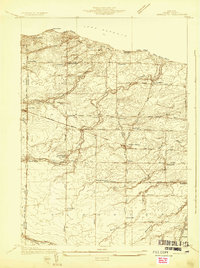 1932 Hamlin1932 Print · USGSLake Ontario’s shoreline meets the orchards and rail-linked villages of northern Monroe County in the early 1930s. Trace old family plots at Lakeside Cem or follow the New York Central through Hamlin Station and Morton.
 - 1934 Map of Brockport
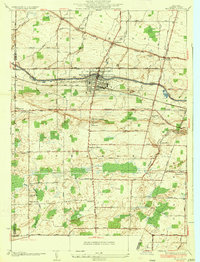 1934 Brockport1934 Print · USGSBrockport and the surrounding Monroe County countryside are captured in the mid-1930s as a thriving hub of canal and rail transport. Genealogists and local historians can trace the school districts, find rural cemeteries like Lake View Cemetery, and locate vanished landmarks along the Barge Canal.
 - 1935 Map of Hamlin
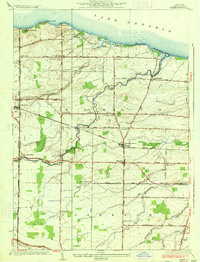 1935 Hamlin1935 Print · USGSMonroe County's Lake Ontario shoreline was a landscape of orchards and rail-linked hamlets in the mid-1930s. Genealogists can locate family homesteads near numerous district schools like Olive Branch Sch or trace the old New York Central line through Hamlin Station.2 unique versions available
 - 1944 Map of Holley
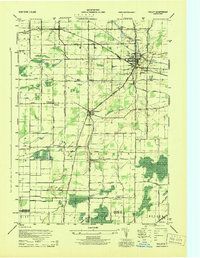 1944 Holley1944 Print · USGSOrleans and Genesee counties during the mid-forties showcase a landscape of canal-side industry and rural school districts. Genealogists can locate family-named landmarks and schools including School No 12 and Maplewood Cemetery.
 - 1944 Map of Ashwood
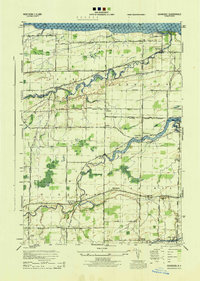 1944 Ashwood1944 Print · USGSOrleans County orchards and waterways meet the shoreline of Lake Ontario during the mid-forties. Genealogists can trace family roots through numerous local landmarks, including Oak Orchard Cem, Eagle Harbor on the Erie Canal, and scattered district schools.
 - 1944 Map of Albion
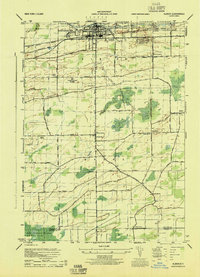 1944 Albion1944 Print · USGSOrleans County during the mid-1940s centers on the vital Erie Canal corridor and the village of Albion. Genealogists and historians can trace the locations of numerous district schools, the Orleans County Hospital, and family-named corners like Richs Corners.
 - 1949 Map of Kendall, 1956 Print
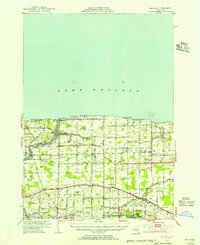 1949 Kendall1956 Print · USGSOrleans County at the close of the 1940s shows a landscape defined by the fruit belt of the lake plain and the historic transit lines of the south. Researchers can trace the path of the Erie Canal through Hindsburg or locate early rural schoolhouses like School No 6 and School No 12.
 - 1949 Map of Medina, 1970 Print
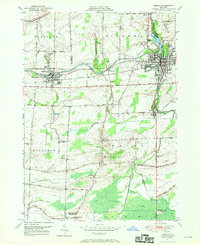 1949 Medina1970 Print · USGSThe Erie Canal and New York Central railroad define this late 1940s landscape between Middleport and Medina. Researchers can trace rural life through landmarks like School No 15, the Site of Neuter Fort, and Boxwood Cem.
 - 1950 Map of Knowlesville
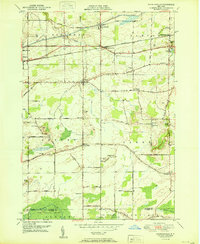 1950 Knowlesville1950 Print · USGSOrleans County at mid-century remains a landscape defined by the historic Erie Canal and the transit lines of the New York Central. Genealogists and local historians can trace family plots at Millville Cem or locate old schoolhouses and settlements like East Shelby and West Barre.3 unique versions available
 - 1950 Map of Holley, 1952 Print
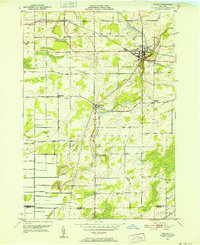 1950 Holley1952 Print · USGSOrleans County is captured at mid-century, showcasing the enduring influence of the Erie Canal and rail lines on local settlement. Genealogists and researchers can locate several rural landmarks including Pioneer Cem, Robinson Hill Sch, and the hamlet of Fancher.3 unique versions available
 - 1950 Map of Medina, 1956 Print
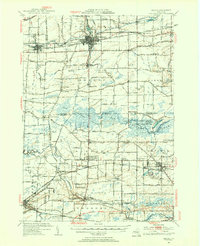 1950 Medina1956 Print · USGSOrleans and Genesee Counties are mapped here in the mid-fifties, showing the industrial pulse of the Erie Canal and New York Central corridor. Genealogists can locate numerous rural schools and landmarks like the Site of Neuter Fort, Boxwood Cem, and the Tonawanda Indian Reservation.2 unique versions available
 - 1950 Map of Ridgeway, 1956 Print
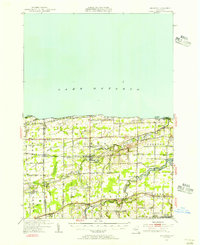 1950 Ridgeway1956 Print · USGSOrleans County, New York, is captured here at mid-century, where Lake Ontario orchards meet the busy corridor of the historic Erie Canal. Researchers can trace the legacy of rural education and community at School No. 16 or locate family plots at Otter Creek Cemetery and Fuller Cemetery.2 unique versions available
 - 1950 Map of Albion, 1956 Print
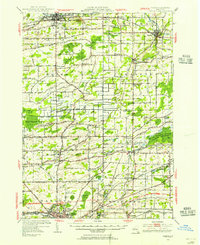 1950 Albion1956 Print · USGSOrleans and Genesee counties sit at a fascinating crossroads in the early fifties as new highway systems began to parallel the historic water and rail routes. Researchers can trace the heritage of local hamlets like South Barre and North Bergen, or locate landmarks like the State Training School for Girls and Mt Albion Cem.2 unique versions available
 - 1950 Map of Ashwood, 1959 Print
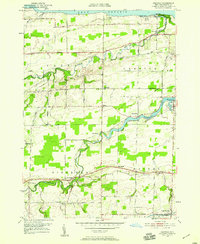 1950 Ashwood1959 Print · USGSOrleans County’s shoreline and agricultural heartland are captured here in the mid-twentieth century, from the Lake Ontario coast down to the historic canal. Genealogists can trace family names and local landmarks through sites like Bates Road Cem, the hamlet of Kuckville, and the transit corridor of the Erie Canal.2 unique versions available
 - 1950 Map of Albion, 1965 Print
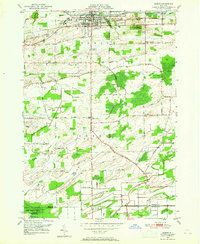 1950 Albion1965 Print · USGSOrleans County is centered on the village of Albion in the early 1950s, showing a landscape defined by the historic Erie Canal and agricultural crossroads. Researchers can trace local heritage through sites like the State Training School for Girls, Barre Center, and Mt Albion Cem.3 unique versions available
 - 1951 Map of Kent
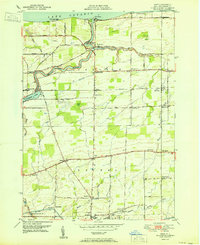 1951 Kent1951 Print · USGSOrleans County orchards and lakefront communities meet the rails in the early fifties. Genealogists and historians can trace the paths of the Erie Canal and New York Central past Kent (Brice Sta) and numerous numbered schoolhouses.
 - 1951 Map of Lyndonville
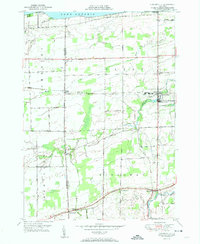 1951 Lyndonville1951 Print · USGSOrleans and Niagara counties meet along this coastal stretch of Lake Ontario during the early fifties. Genealogists and local historians can trace the foundations of these communities through the locations of School No 10, St Patricks Cem, and the rail stops of the New York Central.2 unique versions available
 - 1951 Map of Medina
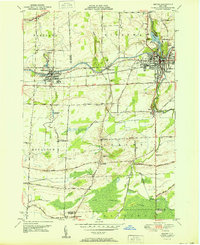 1951 Medina1951 Print · USGSOrleans and Niagara Counties hum with activity in the mid-century as the Erie Canal and rail lines drive the local economy. Genealogists can locate several rural schoolhouses and family plots, such as Boxwood Cem and School No 16.
 - 1951 Map of Kendall
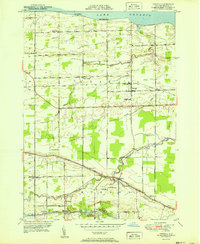 1951 Kendall1951 Print · USGSIn the early 1950s, the Orleans County lakeshore still balanced seasonal beach life with traditional canal-side industry. Researchers can trace the path of the Erie Canal through Hulberton and locate family landmarks like Transit Ch and Greenwood Cem.2 unique versions available
Showing maps 1-25 of 108
Top cities of Orleans County
- Albion historical maps
- Ridgeway historical maps
- Medina historical maps
- Albion historical maps
- Shelby historical maps
- Murray historical maps
See more
Frequently asked questions
- What are the different types of historical maps available for Orleans County?
- What is the oldest map of Orleans County?
- Where can I purchase historical maps of Orleans County for my home or office?
- Where can I download high-res historical maps of Orleans County?
- Are there historical topographic maps available for Orleans County?
- Is there historical aerial imagery available for Orleans County?
- Where are historical maps of Orleans County sourced from?