Old Maps of Beech Creek, North Carolina
Explore 19 old maps of Beech Creek, spanning from 1893 to today. These high-resolution historic maps reveal how streets, neighborhoods, landmarks, and natural features evolved over time — perfect for genealogy, metal detecting, research, and local history exploration.
What you can do with these maps:
- See how Beech Creek changed over time: Compare historical maps to modern-day views to trace roads, homesites, rail lines & more.
- View detailed metadata: Each map includes creators, publishers, year, scale, and archive source.
- Overlay maps with satellite & LiDAR: Visualize the past alongside modern tools to explore terrain & human change.
- Trusted historical sources: Maps sourced from the USGS, Library of Congress, and other archives.
- Access maps your way: View online, download high-res files, or order prints for personal or research use.
Start exploring old maps of Beech Creek to uncover forgotten places, hidden landmarks, and the deep history beneath your feet.
Beech Creek, NC maps
(19)- 1893 Map of Cranberry
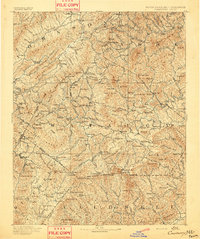 1893 Cranberry1893 Print · USGSThe high country of the Blue Ridge and Appalachians is captured here during the late 1800s, showing the early settlements and crossroads of Watauga and Johnson counties. Genealogists can trace family landmarks and early industry at Rhea Forge, Shulls Mill, and the many hamlets like Vilas and Sutherland.
 - 1895 Map of Cranberry
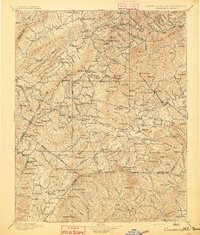 1895 Cranberry1895 Print · USGSThe High Country of North Carolina and Tennessee comes alive in this late nineteenth-century survey. Genealogists and historians can trace the foundations of Mountain City or locate old community centers like Valle Cruces, Banners Elk, and Rhea Forge.
 - 1899 Map of Cranberry
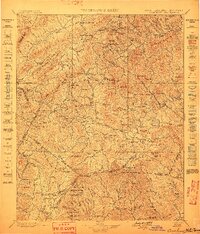 1899 Cranberry1899 Print · USGSThe high Appalachian borderlands of North Carolina and Tennessee appear here in the late nineteenth century, defined by mountain settlements and early river-powered industry. Researchers can trace the era's geography through landmarks like Rhea Forge, Shills Mill, and the historic Yonhalossee Road.
 - 1902 Map of Cranberry
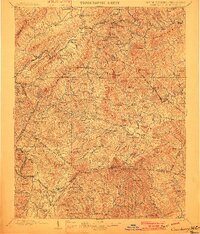 1902 Cranberry1902 Print · USGSThe North Carolina and Tennessee borderlands are captured here at the turn of the century as early railroads began penetrating the high ridges. Genealogists can trace family names and old settlements like Mountain City, Shoun Crossroads, and the industry at Rhea Forge.6 unique versions available
 - 1935 Map of Doe Mountain
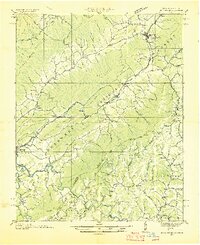 1935 Doe Mountain1935 Print · USGSMountain City and the Watauga River valley appear here in the mid-1930s, just before major hydroelectric projects transformed the landscape. Researchers can trace the original river towns of Butler and Elk Mills, or locate family landmarks like Shouns Chapel Sch and Doeville P O Doe Sta.2 unique versions available
 - 1935 Map of Butler
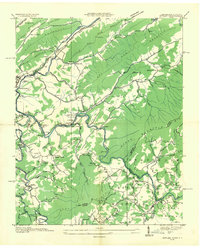 1935 Butler1935 Print · USGSThe Watauga River valley in the mid-1930s is caught here in its original state before TVA projects transformed the region. Genealogists and local historians can pinpoint the original sites of Butler, Watauga Academy, and cemeteries like Green Cem.2 unique versions available
 - 1938 Map of Butler
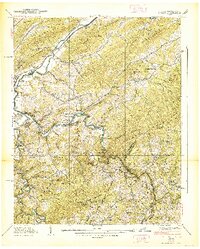 1938 Butler1938 Print · USGSThe Tennessee-North Carolina border country is documented here just before major landscape shifts, centered on the river confluence at Butler. Genealogists can trace family landmarks and rural institutions including Watauga Academy, Dugger Cem, and the Sink Valley Sch.3 unique versions available
 - 1953 Map of Winston-Salem, 1974 Print
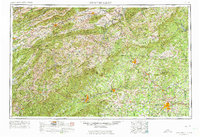 1953 Winston-Salem1974 Print · USGSThe North Carolina Piedmont and Virginia highlands meet in the mid-1950s, a landscape defined by the tobacco and textile hubs of the Blue Ridge foothills. Researchers can trace the rail-and-river geography connecting Winston-Salem to mountain towns like Mount Airy and Galax.2 unique versions available
 - 1955 Map of Winston-Salem
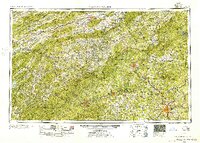 1955 Winston-Salem1955 Print · USGSThe Central Blue Ridge and Piedmont transition are captured here in the mid-fifties, from the industrial hub of Winston-Salem to the high peaks of Southwest Virginia. Genealogists can trace family landmarks like Richmond Hill Ch, Siloam Ch, and the old rail stops along the Southern Railway.
 - 1959 Map of Elk Mills, 1962 Print
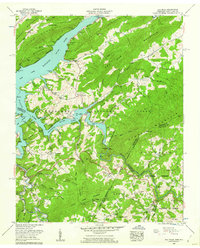 1959 Elk Mills1962 Print · USGSHigh-country settlements in Johnson and Carter Counties are shown in the late fifties as Watauga Lake reshapes the landscape. Trace family sites like Elk Mills, the Dry Run Sch, and the Crosswhite Cem along the steep mountain ridges.4 unique versions available
 - 1962 Map of Winston-Salem
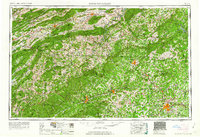 1962 Winston-Salem1962 Print · USGSThe North Carolina Piedmont meets the Virginia highlands in the early sixties, showing the rail corridors and mountain gaps of the southern Appalachians. Researchers can trace the Blue Ridge Parkway or locate family sites near Winston-Salem, Mount Airy, and Hanging Rock Mountain.
 - 1985 Map of Boone, 1986 Print
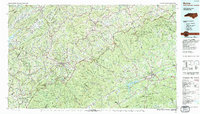 1985 Boone1986 Print · USGSThe High Country and Blue Ridge Mountains come into focus during the mid-eighties as Boone and its surrounding wilderness areas undergo modern expansion. Genealogists and historians can trace family-named ridges and landmarks near Appalachian State University, the Cranberry Mines, and Valle Crucis.2 unique versions available
 - 1994 Map of Elk Mills, 1998 Print
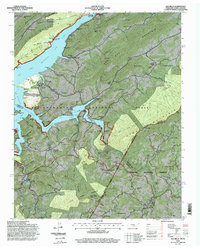 1994 Elk Mills1998 Print · USGSThe Tennessee-North Carolina border country in the 1990s reveals a landscape of isolated mountain settlements and Forest Service wilderness. Trace local genealogy and industry through family landmarks like Grindstaff Cemetery, Stout Hill Church, and the Strip Mine near Dry Run.
 - 2003 Map of Elk Mills, 2004 Print
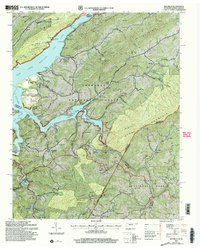 2003 Elk Mills2004 Print · USGSWatauga Lake and the Cherokee National Forest dominate the Tennessee and North Carolina border in the early 2000s. Genealogists can locate family landmarks like Wagner Cem and Dry Hill Cem or trace the early community at Elk Mills.
 - 2011 Map of Elk Mills, 2011 Print
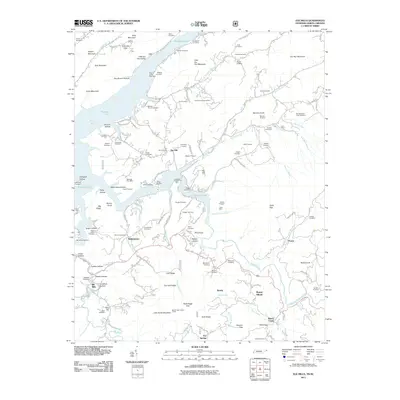 2011 Elk Mills2011 Print · USGSUpper East Tennessee and North Carolina borderlands meet at the waters of Watauga Lake in the early twenty-first century. Genealogists and hikers can locate numerous family cemeteries and mountain landmarks like the Buck Ridge Lookout Tower, Midway Church, and Buntontown.
 - 2013 Map of Elk Mills, 2013 Print
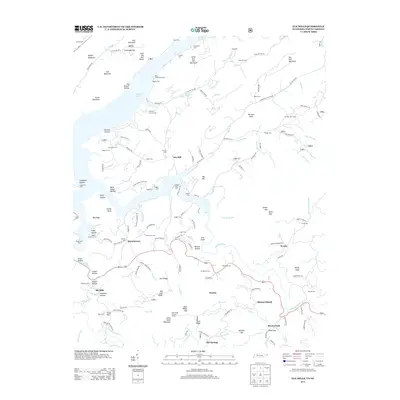 2013 Elk Mills2013 Print · USGSNortheast Tennessee in the early 2010s shows a landscape of deep valleys and highland settlements near the North Carolina border. Genealogists can trace family burial sites like Stansberry Cem and Wagner Cem or locate the historic Buck Ridge Lookout Tower.
 - 2016 Map of Elk Mills, 2016 Print
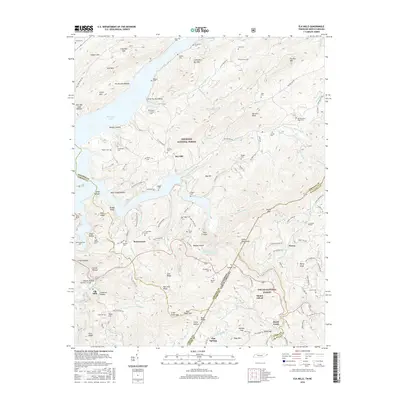 2016 Elk Mills2016 Print · USGSThe Tennessee-North Carolina borderlands come into focus in 2016, where the waters of Watauga Lake meet the steep ridges of the Appalachians. Family history researchers can trace locations for Buntontown and Elk Mills alongside local landmarks like Midway Church and Stansberry Cem.
 - 2019 Map of Elk Mills, 2019 Print
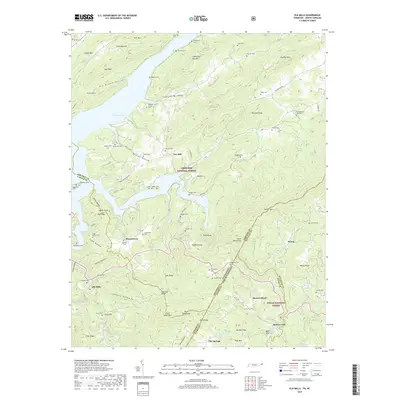 2019 Elk Mills2019 Print · USGSThe high country of the Tennessee and North Carolina border comes alive in this survey of the Appalachian ridges. Genealogists can trace family lines across four counties and dozens of local burial sites, from Bunton Cem to the Old Mountain View Cem.
 - 2022 Map of Elk Mills, 2022 Print
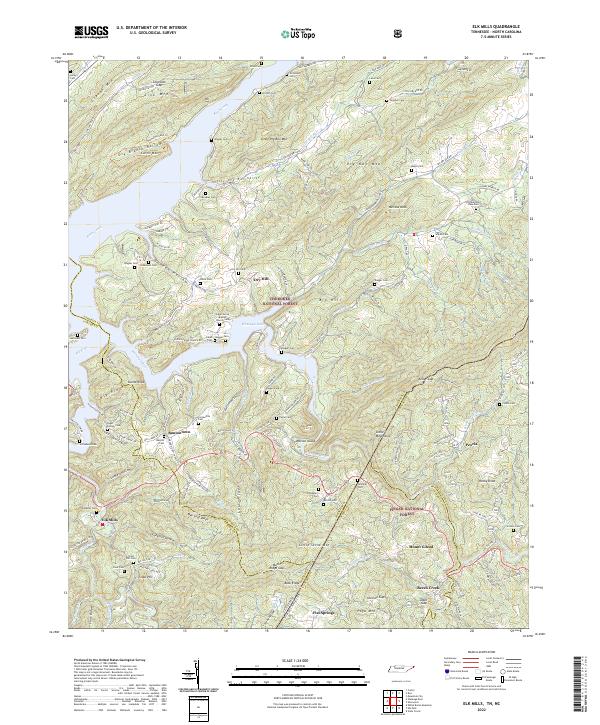 2022 Elk Mills2022 Print · USGSThe Tennessee and North Carolina borderlands come alive in this survey of the high country during the early twenty-first century. Genealogists can trace family footprints through numerous burial sites like Stansberry Cem and Crosswhite Cem near Buntontown.
End of results
Showing maps 1-19 of 19
Top cities near Beech Creek
- Bristol historical maps
- Boone historical maps
- Mountain City historical maps
- Blowing Rock historical maps
- Banner Elk historical maps
- Newland historical maps
See more
Frequently asked questions
- What are the different types of historical maps available for Beech Creek?
- What is the oldest map of Beech Creek?
- Where can I purchase historical maps of Beech Creek for my home or office?
- Where can I download high-res historical maps of Beech Creek?
- Are there historical topographic maps available for Beech Creek?
- Is there historical aerial imagery available for Beech Creek?
- Where are historical maps of Beech Creek sourced from?