Old Maps of Southport, North Carolina for Genealogy
Trace your family roots with 25 historic maps of Southport. These high-res maps reveal old neighborhoods, homesites, landmarks, and streets — helping you uncover where your ancestors lived and how the area evolved over time.
- Explore historic neighborhoods: Identify where your relatives may have lived in the 1800s or 1900s.
- Compare maps over time: Trace the changes in streets, buildings, and landmarks for multi-generational research.
- Perfect for genealogy & ancestry research: Used by family historians and researchers to map out lineage and migration.
These maps are an incredible resource for exploring your personal connection to Southport's past.
Southport, NC maps
(25)- 1946 Map of Southport
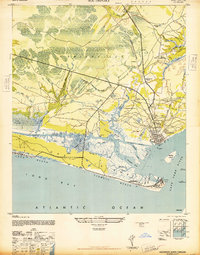 1946 Southport1946 Print · USGSImmediately following the war, this coastal area shows the intersection of maritime defense and river-based commerce. Researchers can trace family landmarks and civic sites like the Brunswick Co Home, Browns Ch, and the grounds of Fort Caswell.
 - 1946 Map of Snow Marsh
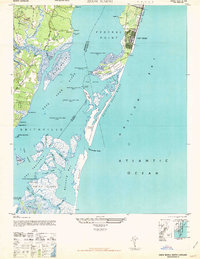 1946 Snow Marsh1946 Print · USGSThe Lower Cape Fear region just after the war reveals a complex network of maritime defenses and tidal marshes. Researchers can trace the layout of Fort Fisher, locate the Old Lighthouse, and explore the vanished geography of Corncake Inlet.
 - 1949 Map of Georgetown, 1953 Print
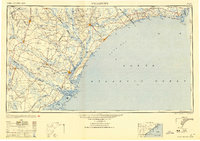 1949 Georgetown1953 Print · USGSThe South Carolina coast and North Carolina borderlands appear here in the mid-century, prior to the major modern development of the Grand Strand. Genealogists and historians can trace the rail networks of the Seaboard Air Line Railroad and locate coastal landmarks from Fort Caswell to McClellanville.
 - 1967 Map of Georgetown
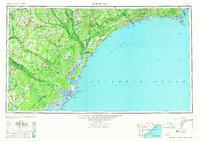 1967 Georgetown1967 Print · USGSThe South Carolina Lowcountry and Grand Strand meet in the late sixties, showcasing a coastal landscape transitioning from river-based industry to seaside tourism. Researchers can trace the Intracoastal Waterway past Georgetown or locate historical sites like Fort Fisher and Murrells Inlet.
 - 1969 Map of Southport
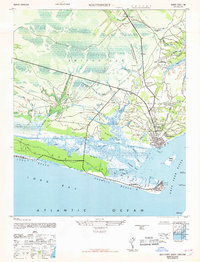 1969 Southport1969 Print · USGSThe mouth of the Cape Fear River and the surrounding marshes are captured here during a period of transition for coastal North Carolina. Genealogists and historians can locate family landmarks such as Browns Ch, the Brunswick Co Home, and the grounds of Fort Caswell.
 - 1970 Map of Kure Beach, 1972 Print
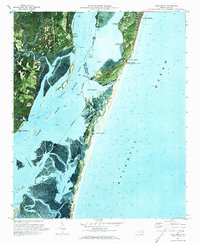 1970 Kure Beach1972 Print · USGSThe Lower Cape Fear region in the early seventies shows a landscape defined by military logistics and coastal history. Researchers can trace the layout of the Military Ocean Terminal Sunny Point or locate the Fort Fisher State Historic Site and The Rocks along the river.2 unique versions available
 - 1974 Map of Georgetown, 1978 Print
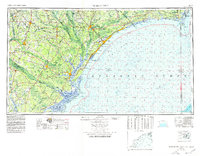 1974 Georgetown1978 Print · USGSThe Carolina coast and Pee Dee region are shown here in the mid-seventies, just as the Grand Strand was maturing into a premier destination. Researchers can trace the inland rail corridors of the Seaboard Coast Line Railroad or explore the coastal reaches of the Cape Romain National Wildlife Refuge and Myrtle Beach State Park.2 unique versions available
 - 1980 Map of Kure Beach, 1985 Print
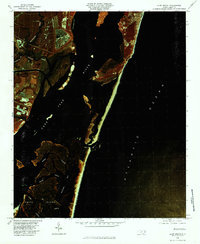 1980 Kure Beach1985 Print · USGSThe North Carolina coast and the mouth of the Cape Fear River appear in vivid detail in the early eighties. Researchers can trace the shifting sands of Smith Island and the intricate tidal waterways of Buzzard Bay and Muddy Slough.
 - 1980 Map of Southport, 1985 Print
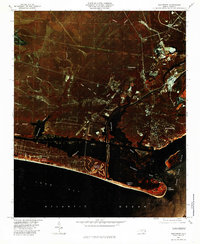 1980 Southport1985 Print · USGSThe Brunswick County coast comes into focus in the early eighties, showing the transition from historic river ports to growing beach communities. Genealogists and historians can trace the foundations of Yaupon Beach, the fortifications at Fort Caswell, and the waterfront at Southport.
 - 1984 Map of Cape Fear, 1985 Print
 1984 Cape Fear1985 Print · USGSThe Carolina coast at the mouth of the river is captured here in the mid-1980s, showcasing a mix of strategic military sites and barrier island geography. Researchers can trace the boundaries of the Military Ocean Terminal Sunny Point and the grounds of the Fort Fisher State Historic Site.
 - 1986 Map of Myrtle Beach
 1986 Myrtle Beach1986 Print · USGSThe Grand Strand and Brunswick County coast are captured in the mid-eighties before the late-century development boom. Researchers can trace the footprint of the Myrtle Beach Air Force Base and old coastal settlements like Atlantic Beach and Socastee.
 - 1990 Map of Myrtle Beach
 1990 Myrtle Beach1990 Print · USGSThe Grand Strand and the North Carolina borderlands are captured here in the decade before the base closure. Genealogists and historians can trace the development of Myrtle Beach and North Myrtle Beach alongside rural landmarks like Star Bluff Crossroads and Fort Caswell.
 - 1990 Map of Cape Fear
 1990 Cape Fear1990 Print · USGSThe North Carolina coastline at the decade's opening reveals a landscape of strategic military installations and barrier islands. Trace the maritime geography of the Cape Fear River, Bald Head Island, and Fort Fisher Air Force Sta.
 - 1990 Map of Southport, 1991 Print
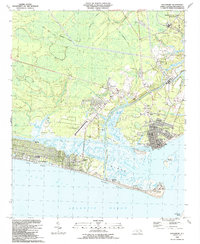 1990 Southport1991 Print · USGSThe Brunswick County coast in the late eighties shows a dynamic mix of military heritage and beach community growth. Researchers can trace the development of Southport and Long Beach or locate family landmarks like St Peters Ch and Bethel Cem.
 - 1997 Map of Kure Beach, 1999 Print
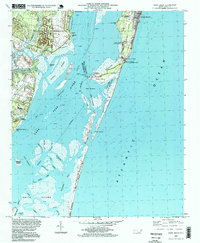 1997 Kure Beach1999 Print · USGSThe Lower Cape Fear shoreline comes into focus here in the late twentieth century, showing a landscape defined by strategic military installations and coastal preservation. Researchers can trace the complex wetlands of Snows Marsh, the terminal at Military Ocean Terminal Sunny Point, and the grounds of the Fort Fisher State Historic Site.
 - 2010 Map of Kure Beach, 2010 Print
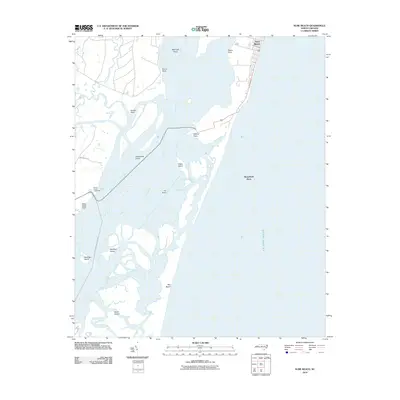 2010 Kure Beach2010 Print · USGSThe Lower Cape Fear shoreline comes into sharp focus during the early twenty-first century, revealing a landscape of coastal settlements and intricate shoals. Maritime historians can trace the positions of Prices Creek Lighthouse and The Rocks against the residential footprint of Kure Beach.
 - 2010 Map of Southport, 2010 Print
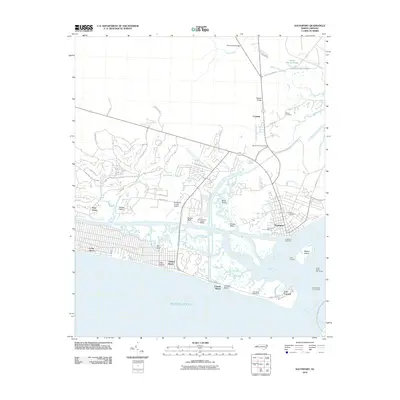 2010 Southport2010 Print · USGSCoastal Brunswick County comes into focus in the early twenty-first century as maritime traditions meet modern residential growth. Researchers can trace military and navigational history from Fort Caswell and the Oak Island Lighthouse to the grounds of Smith Cemetery.
 - 2013 Map of Southport, 2013 Print
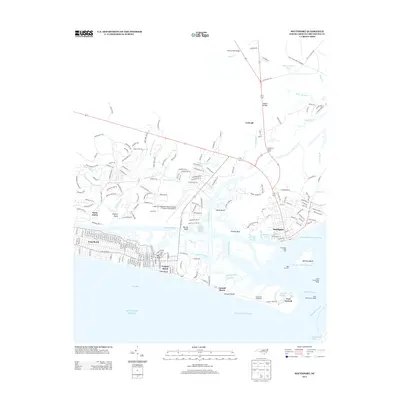 2013 Southport2013 Print · USGSThe Cape Fear coast at the start of the 2010s reveals a blend of historic maritime legacy and modern growth. Trace the shoreline from Fort Caswell and the Oak Island Lighthouse to the expanding neighborhoods of Long Beach and Saint James.
 - 2013 Map of Kure Beach, 2013 Print
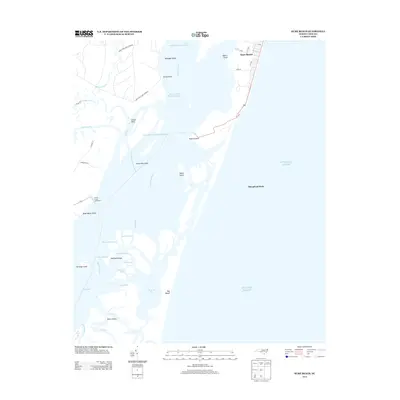 2013 Kure Beach2013 Print · USGSThe coastal transition at the mouth of the Cape Fear River is captured here in the early twenty-first century. Maritime researchers and local historians can trace shoreline landmarks like Prices Creek Lighthouse, the Sunny Point Army Terminal, and the residential streets of Kure Beach.
 - 2016 Map of Southport, 2016 Print
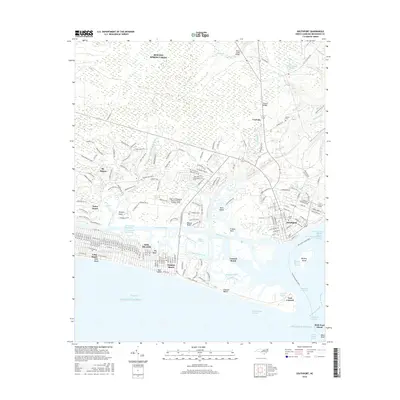 2016 Southport2016 Print · USGSThe coastal reach of Brunswick County comes into focus in the mid-2010s, showing the intersection of historic river ports and modern beach communities. Researchers can trace the layout of Southport and Oak Island alongside landmarks like Fort Caswell and Bethel Cemetery.
 - 2016 Map of Kure Beach, 2016 Print
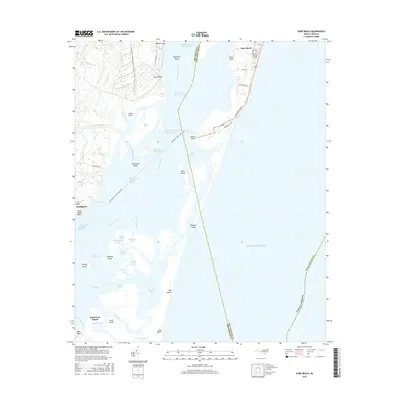 2016 Kure Beach2016 Print · USGSThe Cape Fear River estuary and Atlantic coast appear in high detail during the mid-2010s. You can trace maritime routes along the Intracoastal Waterway or locate landmarks like the Southport - Fort Fisher Ferry, Bald Head Island, and Kure Beach.
 - 2019 Map of Southport, 2019 Print
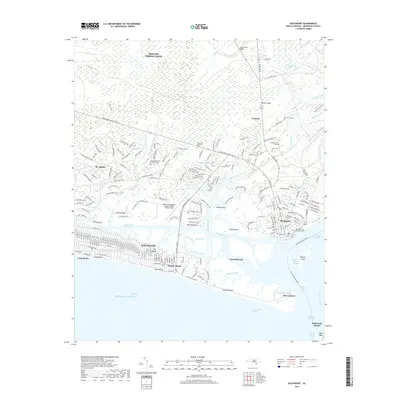 2019 Southport2019 Print · USGSThe Cape Fear River mouth and Brunswick County coastline are captured here in the late twenty-tens, showing the historic port of Southport and the barrier island communities. Genealogists can locate numerous local burial sites, such as the Old Smithville Burying Ground, John N Smith Cem, and Potter's Field Cem.
 - 2019 Map of Kure Beach, 2019 Print
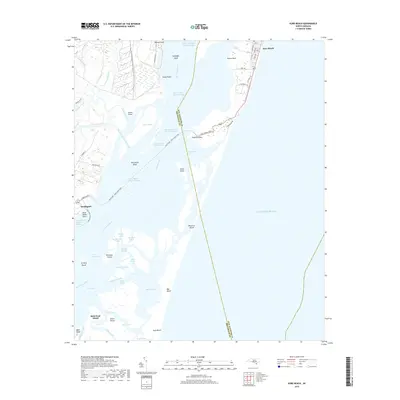 2019 Kure Beach2019 Print · USGSThe mouth of the Cape Fear River and the barrier islands of southeastern North Carolina are captured here in the late twenty-teens. Researchers can trace historic ferry routes like the Southport - Fort Fisher Ferry and locate landmarks from Federal Point to Bald Head Island.
 - 2022 Map of Southport, 2022 Print
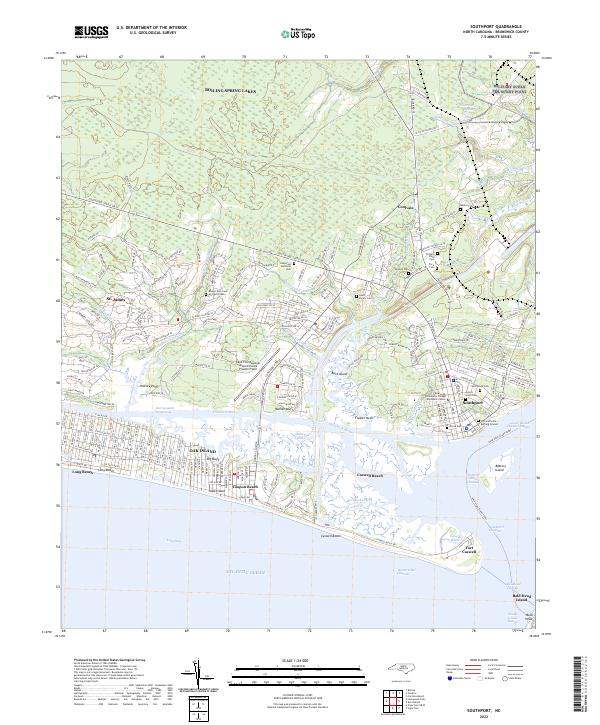 2022 Southport2022 Print · USGSCoastal Brunswick County comes into focus in this contemporary study of the Cape Fear estuary and its barrier islands. Researchers can trace family history through the Old Smithville Burying Ground and explore the grounds of Fort Caswell.
 - 2022 Map of Kure Beach, 2022 Print
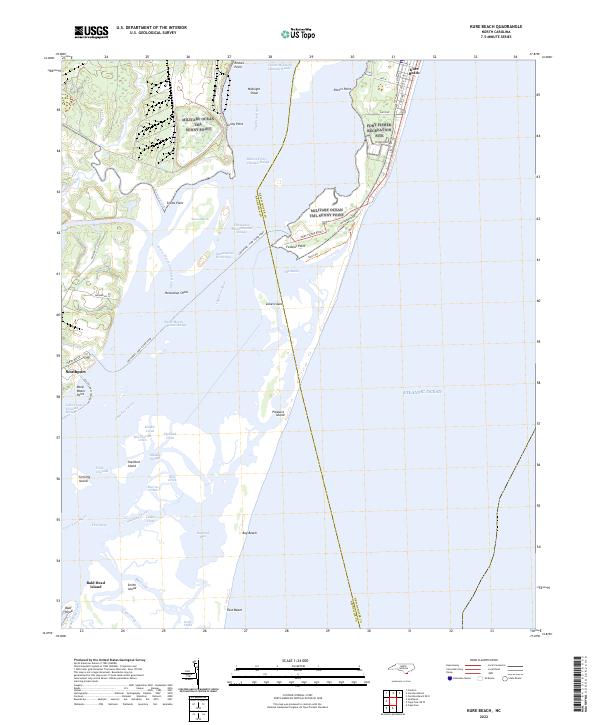 2022 Kure Beach2022 Print · USGSCoastal North Carolina at the mouth of the Cape Fear River appears here in a detailed contemporary survey. Researchers can trace modern developments in Kure Beach, the ferry route to Southport, and the maritime landmarks around Bald Head Island and Zekes Island.
End of results
Showing maps 1-25 of 25
Top cities near Southport
- Wilmington historical maps
- Leland historical maps
- Oak Island historical maps
- Boiling Spring Lakes historical maps
- Carolina Beach historical maps
- Kure Beach historical maps
See more
Frequently asked questions
- What are the different types of historical maps available for Southport?
- What is the oldest map of Southport?
- Where can I purchase historical maps of Southport for my home or office?
- Where can I download high-res historical maps of Southport?
- Are there historical topographic maps available for Southport?
- Is there historical aerial imagery available for Southport?
- Where are historical maps of Southport sourced from?