Old Maps of Jones County, North Carolina for Hiking & Exploration
Hike through history with 131 historic maps of Jones County. Explore old trails, ghost towns, and forgotten backroads — perfect for outdoor adventurers and local explorers.
- Rediscover forgotten places: Map out old mining camps, roads, and footpaths that no longer exist on modern maps.
- Layer with modern tools: Combine with LiDAR or satellite views to plan hikes through historical terrain.
- Made for exploration: Popular among hikers, overlanders, and local history lovers.
Use these maps to find adventure and explore the hidden past of Jones County.
Jones County, NC maps
(131)- 1901 Map of New Bern, 1961 Print
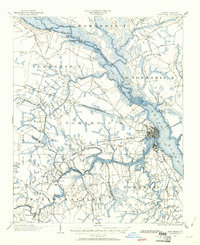 1901 New Bern1961 Print · USGSCoastal North Carolina at the turn of the century is a world of river traffic and rail expansion centered on New Bern. Genealogists and local historians can trace old river landings, ferries like Nelsons Old Ferry, and early rail stops at Rhems and Tuscarora.2 unique versions available
 - 1903 Map of New Bern, 1935 Print
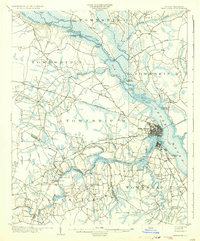 1903 New Bern1935 Print · USGSCoastal North Carolina thrived on river traffic and rail expansion during the first years of the new century. Genealogists and historians can trace the foundations of New Bern and James City alongside early river crossings like Streets Ferry and Nelsons Old Ferry.2 unique versions available
 - 1903 Map of Trent River, 1961 Print
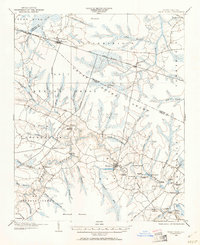 1903 Trent River1961 Print · USGSCoastal North Carolina at the turn of the century reveals a landscape defined by river landings and dense pocosin swamps. Genealogists can trace family connections through river landmarks like Murrill Landing or the crossroads at Phillips Crossroads and Olivers.2 unique versions available
 - 1904 Map of Trent River, 1936 Print
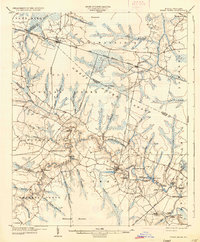 1904 Trent River1936 Print · USGSJones and Craven Counties are defined by riverine trade and timber at the turn of the century. Genealogists and historians can trace family-named sites like Fosque Landing and Phillips Crossroads or the path of the Atlantic and North Carolina railroad.3 unique versions available
 - 1942 Map of Maysville
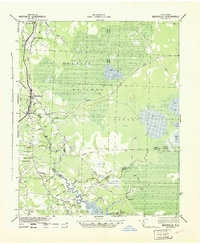 1942 Maysville1942 Print · USGSCoastal North Carolina during the early years of the war is captured here through its networks of swamp forests and river settlements. Genealogists and local historians can trace the rural landscape through White Oak Sch, the Hadnot Ch, and rail stops along the Atlantic Coast Line Railroad.
 - 1943 Map of Jacksonville
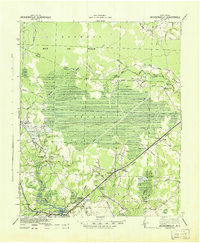 1943 Jacksonville1943 Print · USGSThe Onslow County coastal plain at the height of the Second World War shows a landscape defined by timberlands and the growing importance of Jacksonville. Genealogists can locate family landmarks at Sabiston Crossing, rural communities like Pumpkin Center, and the route of the Atlantic Coast Line Railroad.
 - 1948 Map of Maysville
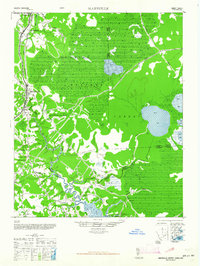 1948 Maysville1948 Print · USGSCoastal North Carolina's river-fed lowlands come to life in this late-forties survey of the Jones and Onslow county borderlands. Genealogists and local historians can trace the rural landscape from Polloksville down to Stella, locating landmarks like Tabernacle Sch and Lees Ch.
 - 1948 Map of Richlands
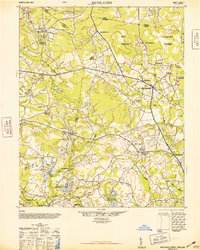 1948 Richlands1948 Print · USGSCoastal North Carolina's rural landscape comes alive in this post-war study of the Onslow and Duplin county borderlands. Genealogists and historians can trace family-named sites like Huffmantown, Potters Hill, and distinctive terrain like Hell Pocosin.2 unique versions available
 - 1950 Map of Pollocksville, 1952 Print
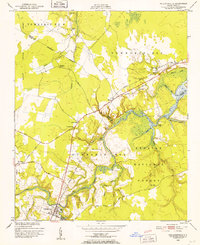 1950 Pollocksville1952 Print · USGSThe Jones and Craven County line comes alive in the 1950s as a network of river landings and coastal plain settlements. Researchers can trace family roots at Wesley Chapel, locate the old Rocky Run Sch, and follow the Atlantic and East Carolina Railroad through the Croatan National Forest.3 unique versions available
 - 1950 Map of New Bern, 1952 Print
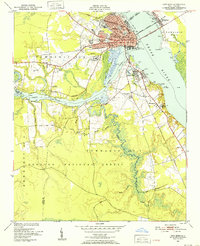 1950 New Bern1952 Print · USGSCoastal North Carolina comes alive in this mid-century portrait of the riverfront and surrounding forest. Genealogists can trace family names across Evergreen Cem and Greenwood Cem, or explore neighborhoods like James City and De Graffenried Park.5 unique versions available
 - 1953 Map of Rocky Mount, 1964 Print
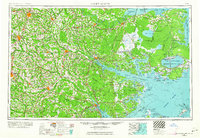 1953 Rocky Mount1964 Print · USGSEastern North Carolina in the mid-fifties is defined by its deep river basins and the vast wetlands of the Tidewater. Genealogists can trace family roots through hubs like Kinston and New Bern or explore the wilderness of Pettigrew State Park and Lake Mattamuskeet.4 unique versions available
 - 1953 Map of Beaufort, 1965 Print
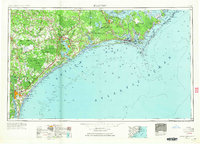 1953 Beaufort1965 Print · USGSThe North Carolina coastline in the mid-fifties reveals an era of massive military expansion alongside traditional maritime life. Genealogists can trace family names and small settlements from Sealevel to Sneads Ferry or locate landmarks like Fort Macon.3 unique versions available
 - 1954 Map of Rocky Mount
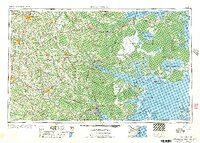 1954 Rocky Mount1954 Print · USGSEastern North Carolina is mapped in the mid-fifties, showing a landscape of sounds, swamps, and steam-era rail lines. Genealogists can trace the rural road networks and rail spurs connecting towns like Tarboro, Greenville, and the remote Columbia.
 - 1954 Map of Beaufort
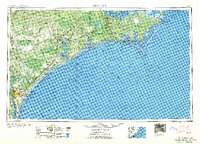 1954 Beaufort1954 Print · USGSCoastal North Carolina in the mid-fifties reveals a landscape of strategic military installations, sprawling wetlands, and thriving rail towns. Genealogists and historians can trace the foundations of Wilmington, the rural reaches of Duplin County, and shoreline landmarks like Cape Lookout and Carolina Beach.
 - 1958 Map of Deep Run, 1959 Print
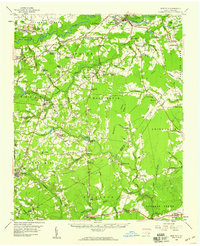 1958 Deep Run1959 Print · USGSCoastal plain life in the late fifties is captured here through a dense network of Lenoir and Jones County crossroads and river landings. Trace family roots at Lawsons Mill, Quaker House Ch, and vanished school sites like Township Sch.2 unique versions available
 - 1965 Map of Richlands
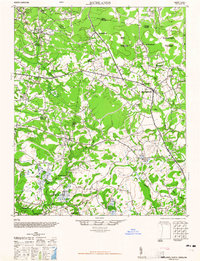 1965 Richlands1965 Print · USGSRichlands and the surrounding coastal plains of Onslow County are captured here in the mid-sixties as rural communities were evolving. Genealogists can locate family-named landmarks and institutions like Huffmantown, Potters Hill Sch, and Bethany Chapel.
 - 1972 Map of Beaufort, 1975 Print
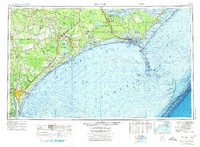 1972 Beaufort1975 Print · USGSThe North Carolina coast in the early seventies shows a landscape defined by massive military bases and coastal sounds. Trace rural family roots at Sarecta and Catherine Lake or explore the barrier islands of the Cape Lookout National Seashore.
 - 1975 Map of Jacksonville NW, 1977 Print
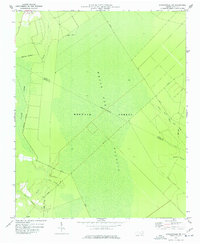 1975 Jacksonville NW1977 Print · USGSCoastal Onslow and Jones counties in the mid-seventies are defined by the dense timberlands of the Hofmann Forest. Genealogists and historians can trace the rural landscape near St Louis Ch and the watery reaches of Juniper Swamp and Bear Prong.
 - 1978 Map of Jacksonville NE
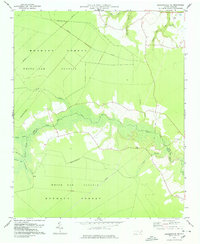 1978 Jacksonville NE1978 Print · USGSThe Jones and Onslow county line meandered through the timberlands of the White Oak Pocosin in the late 1970s. Researchers can trace old family sites and transport routes like White Oak Ch, the Old RR Grade, and small Cem locations.
 - 1980 Map of Richlands
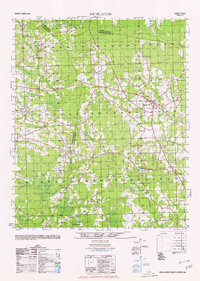 1980 Richlands1980 Print · USGSRichlands and the rural borders of Onslow, Duplin, and Jones counties are captured here at a time of deep-rooted community life. Researchers can trace family history through sites like Potters Hill Sch, Sandhill Baptist Church, and the settlement at Gregory Crossroads.
 - 1980 Map of Pink Hill, 1981 Print
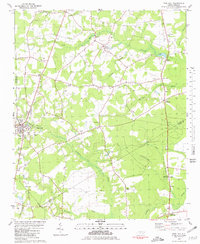 1980 Pink Hill1981 Print · USGSThe rural crossroads of Duplin and Lenoir counties are captured in the early eighties as agricultural traditions met modern aviation. Researchers can trace family history through sites like Lawsons Mill, Whaleys Chapel, and the community at Jonestown.
 - 1980 Map of Rivermont, 1981 Print
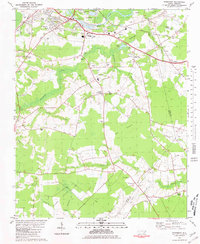 1980 Rivermont1981 Print · USGSSoutheast of Kinston in the late 1970s, the rural reaches of Lenoir County remain defined by the winding Neuse River and the deep wetlands of the Pocosin. Researchers can trace family-named sites like Parrott Fork and Loftins Crossroads or locate Patterson Chapel and Southview Cem.
 - 1980 Map of Potters Hill, 1981 Print
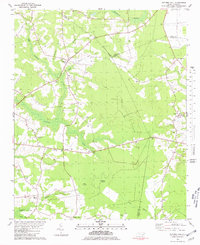 1980 Potters Hill1981 Print · USGSThe coastal plain of North Carolina comes alive in the late seventies, showing the rural communities of Duplin and Jones counties. Genealogists can trace family names through landmarks like Quinns Store, Baysden Chapel, and the settlement at Potters Hill.
 - 1980 Map of Comfort, 1981 Print
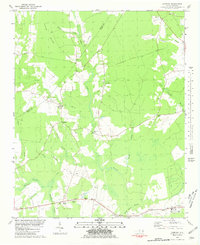 1980 Comfort1981 Print · USGSJones and Lenoir County rural life in the late seventies centers on the meandering Trent River and its surrounding wetlands. Genealogists and local historians can trace family-named sites and historic congregations like Quaker House Ch, Taylors Corner, and Pleasant Hill.
 - 1981 Map of Richlands
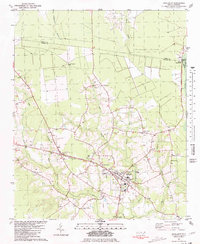 1981 Richlands1981 Print · USGSRichlands and the upper New River basin are captured here in the early eighties as rural life centered on the local swamps and pocosins. Researchers can locate family landmarks like Gregory Forks, Petersburg, and Harrison Chapel among the timberlands of Hofmann Forest.
Showing maps 1-25 of 131
Top cities of Jones County
Frequently asked questions
- What are the different types of historical maps available for Jones County?
- What is the oldest map of Jones County?
- Where can I purchase historical maps of Jones County for my home or office?
- Where can I download high-res historical maps of Jones County?
- Are there historical topographic maps available for Jones County?
- Is there historical aerial imagery available for Jones County?
- Where are historical maps of Jones County sourced from?