Old Maps of Holly Pointe, Holly Springs for Hiking & Exploration
Hike through history with 34 historic maps of Holly Pointe. Explore old trails, ghost towns, and forgotten backroads — perfect for outdoor adventurers and local explorers.
- Rediscover forgotten places: Map out old mining camps, roads, and footpaths that no longer exist on modern maps.
- Layer with modern tools: Combine with LiDAR or satellite views to plan hikes through historical terrain.
- Made for exploration: Popular among hikers, overlanders, and local history lovers.
Use these maps to find adventure and explore the hidden past of Holly Pointe.
Holly Pointe, Holly Springs maps
(34)- 1953 Map of Raleigh, 1965 Print
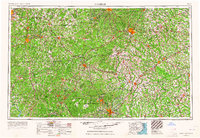 1953 Raleigh1965 Print · USGSCentral North Carolina in the early sixties shows a landscape of growing towns and military hubs before the full expansion of the interstate system. Genealogists can trace family footprints across the Piedmont through Wake Forest, Siler City, and the large Fort Bragg Military Reservation.4 unique versions available
 - 1954 Map of Raleigh
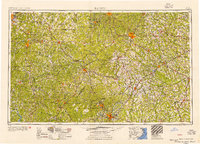 1954 Raleigh1954 Print · USGSThe North Carolina Piedmont and Sandhills are captured in the mid-fifties during a period of steady regional growth. Genealogists and historians can trace the development of towns like Siler City or locate landmarks such as Falls of Neuse and Camp Mackall.
 - 1974 Map of Apex, 1977 Print
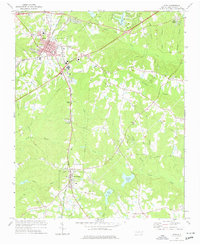 1974 Apex1977 Print · USGSWake County rail and rural life are at a crossroads in the mid-seventies, centered on the busy junction at Apex. Trace the paths of the Durham and Southern railroad through Feltonville and Holly Springs or locate St Marys Ch and Shelba Airport.5 unique versions available
 - 1974 Map of Fuquay-Varina, 1977 Print
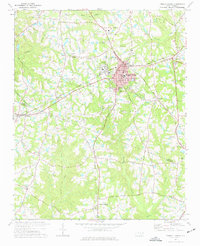 1974 Fuquay-Varina1977 Print · USGSThe intersection of the Durham and Norfolk Southern rail lines defines the Wake and Harnett county border in the mid-1970s. Local historians can trace the foundations of Fuquay-Varina and outlying communities like Chalybeate Springs, Wilbon, and Rawls.3 unique versions available
 - 1974 Map of New Hill, 1977 Print
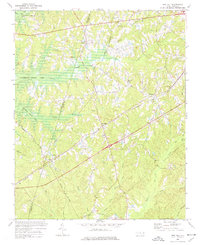 1974 New Hill1977 Print · USGSWake County was undergoing significant landscape changes in the 1970s as new water projects and rail lines intersected. Genealogists and local historians can trace family locations near Olive Chapel, Friendship, and the Pleasant Plains Sch before the rising waters of B Everett Jordan Lake altered the terrain.4 unique versions available
 - 1974 Map of Cokesbury, 1977 Print
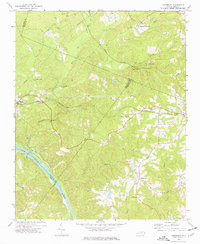 1974 Cokesbury1977 Print · USGSHarnett and Wake counties show a landscape of rural crossroads and river drainage during the mid-seventies. Trace the Norfolk Southern rail corridor or locate family landmarks like Prince Chapel and the Buckhorn Dam.4 unique versions available
 - 1984 Map of Raleigh, 1985 Print
 1984 Raleigh1985 Print · USGSThe North Carolina Research Triangle is shown during a decade of rapid growth, from the sprawl of Raleigh to the expanding waters of Falls Lake. Genealogists and historians can trace rail lines like the Seaboard Coast Line or locate landmark sites like Dorothea Dix State Hospital and Fuquay-Varina.
 - 1990 Map of Raleigh, 1991 Print
 1990 Raleigh1991 Print · USGSGreater Raleigh and the Research Triangle entered a period of significant suburban growth during the 1990s. Researchers can trace the development of towns like Fuquay-Varina and Wake Forest or locate landmarks such as the State Prison and Harris Reservoir.2 unique versions available
 - 1993 Map of New Hill, 1999 Print
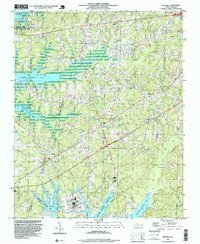 1993 New Hill1999 Print · USGSWake and Chatham counties are shown during a period of transition in the early nineties, as large reservoirs reshaped the traditional rural landscape. Researchers can trace historic communities like Bonsal and Friendship alongside landmarks like Olive Chapel and the Power Plant.
 - 1993 Map of Fuquay-Varina, 1999 Print
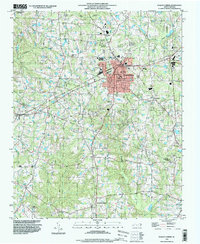 1993 Fuquay-Varina1999 Print · USGSSouthern Wake County is captured in the early nineties as the communities of Fuquay-Varina and Holly Springs began their modern expansion. Genealogists and local historians can locate rural landmarks like Chalybeate Springs, Rawls, and Greenlawn Memorial Gardens.
 - 1993 Map of Cokesbury, 1999 Print
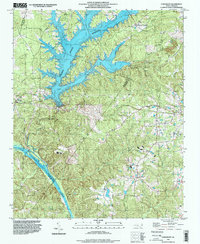 1993 Cokesbury1999 Print · USGSHarnett and Wake counties meet in this 1990s landscape, where the rising waters of a major reservoir reach into rural crossroads. Researchers can trace family sites near Hollemans Crossroads, Prince Chapel, and the historic Cokesbury Ch.
 - 1993 Map of Apex, 1999 Print
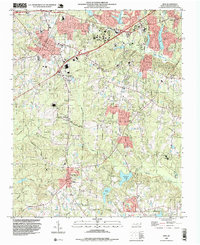 1993 Apex1999 Print · USGSThis survey of western Wake County records the growth of Apex and Holly Springs during the mid-1990s expansion. Genealogists and researchers can trace family roots at Felton Grove Ch, Matthew Chapel, and the community of Feltonville.
 - 2002 Map of New Hill, 2004 Print
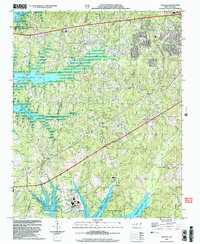 2002 New Hill2004 Print · USGSThe borderlands of Wake and Chatham counties come into focus at the start of the 2000s, showing a region shaped by utility reservoirs and growing small towns. Researchers can trace the legacy of community hubs like New Hill and Bonsal alongside early landmarks such as Olive Chapel Sch and the Power Plant.
 - 2002 Map of Apex, 2004 Print
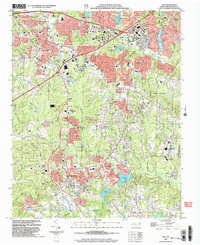 2002 Apex2004 Print · USGSWake County was undergoing significant suburban growth at the turn of the millennium as Apex and Cary expanded toward one another. Researchers can trace the development of Holly Springs and Piney Plains while locating local landmarks like Matthew Chapel and Sunset Lake.
 - 2010 Map of New Hill, 2010 Print
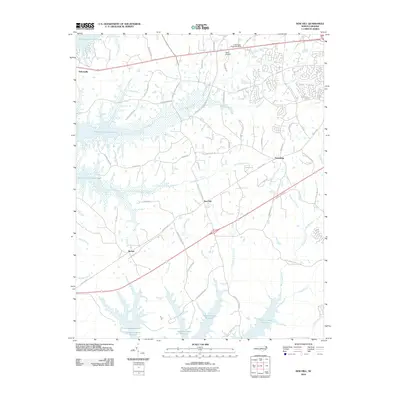 2010 New Hill2010 Print · USGSWestern Wake County at the turn of the millennium shows a landscape transformed by large-scale water management projects. Genealogists and local historians can trace family-named roads and established communities like New Hill, Bonsal, and Friendship between the shores of Shearon Harris Reservoir and B Everett Jordan Lake.
 - 2010 Map of Apex, 2010 Print
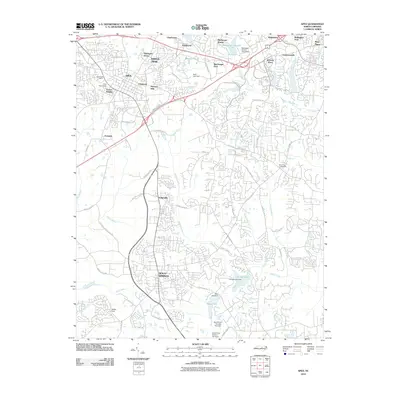 2010 Apex2010 Print · USGSThe rapid expansion of the North Carolina Research Triangle is evident here in the decade following the turn of the millennium. Local historians can trace the growth of Holly Springs and Apex, alongside older landmarks like Bev Jones Crossroads and Bass Lake.
 - 2010 Map of Cokesbury, 2010 Print
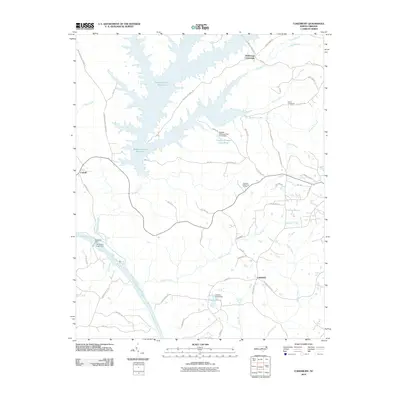 2010 Cokesbury2010 Print · USGSCokesbury and the surrounding rural crossroads were documented in 2010 just as the landscape of Wake and Harnett counties continued its modern evolution. Researchers can trace historic river access at Buckhorn Dam and locate ancestral locales near Hollemans Crossroads and Dennis Crossroads.
 - 2010 Map of Fuquay-Varina, 2010 Print
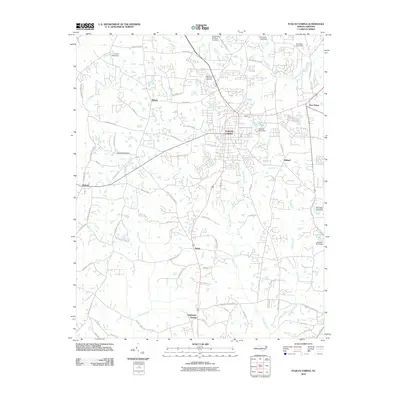 2010 Fuquay-Varina2010 Print · USGSWake and Harnett Counties at the start of the 21st century show a landscape of expanding communities and persistent rural hamlets. Researchers can trace the development of Fuquay-Varina and find historic sites like Chalybeate Springs and Greenlawn Memorial Gardens.
 - 2013 Map of Cokesbury, 2013 Print
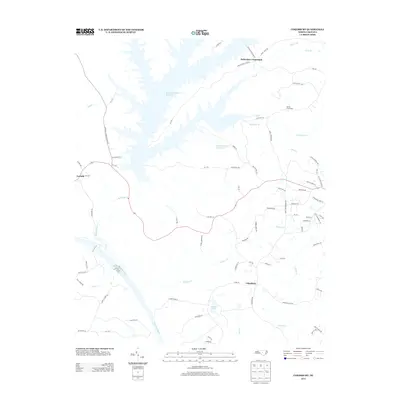 2013 Cokesbury2013 Print · USGSCoastal plain crossroads and the sprawling fingers of the reservoir define this area south of Raleigh during the early 2010s. Genealogists and local historians can trace family-named landmarks like Dennis Crossroads and Hollemans Crossroads or locate Dewars Pond along the banks of the Cape Fear River.
 - 2013 Map of Apex, 2013 Print
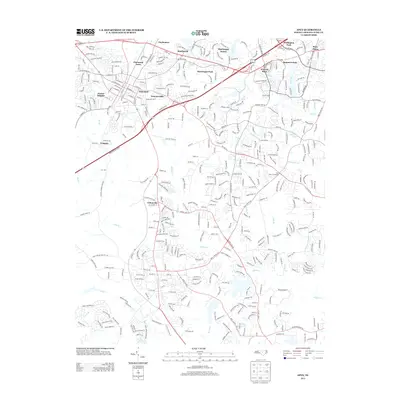 2013 Apex2013 Print · USGSWake County's rapid suburban evolution is on full display here during the early twenty-first century. Genealogists and local historians can trace the development of neighborhoods like Justice Heights and find local landmarks such as Bass Lake and Jones Crossroads.
 - 2013 Map of Fuquay-Varina, 2013 Print
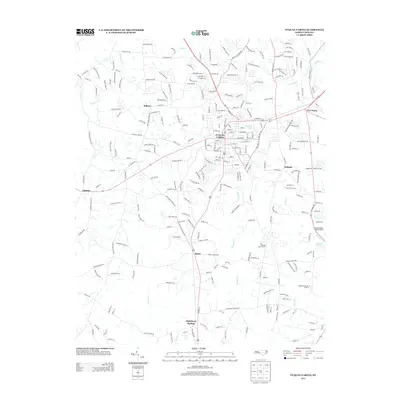 2013 Fuquay-Varina2013 Print · USGSWake County's southern corridor comes into focus in this early twenty-first-century survey of the growing Fuquay-Varina area. Genealogists and local historians can trace modern developments back to established rural hubs like Wilbon, Rawls, and Chalybeate Springs.
 - 2013 Map of New Hill, 2013 Print
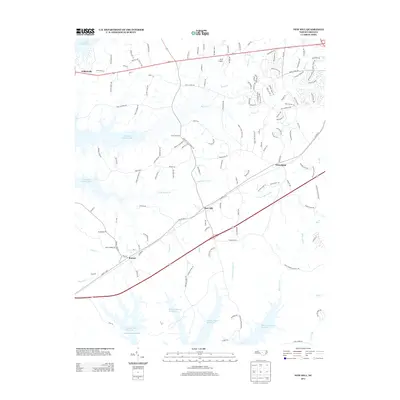 2013 New Hill2013 Print · USGSThe Piedmont landscape of southwestern Wake County is captured here in the early 2010s. Trace the shorelines of Shearon Harris Reservoir and B Everett Jordan Lake or locate old settlements like New Hill and Bonsal.
 - 2016 Map of Cokesbury, 2016 Print
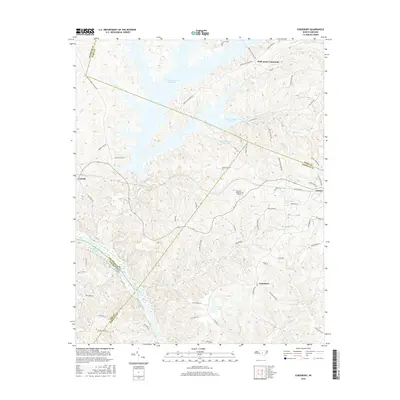 2016 Cokesbury2016 Print · USGSThe Piedmont region south of Raleigh comes into focus here just after the mid-2010s, showing a landscape defined by major waterways and rural crossroads. Genealogists and local historians can trace family-named routes and old settlements from Cokesbury to the banks of the Cape Fear River and Shearon Harris Reservoir.
 - 2016 Map of Fuquay-Varina, 2016 Print
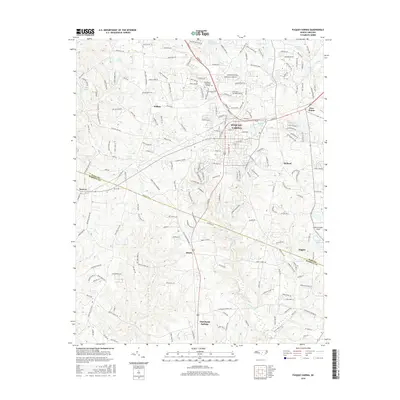 2016 Fuquay-Varina2016 Print · USGSThe transition from rural agriculture to modern residential expansion in the Piedmont is clear in this survey of the mid-2010s. Researchers can trace the development of Fuquay-Varina and Angier alongside local landmarks like Greenlawn Memorial Gardens and Ballentine Dairy.
 - 2016 Map of New Hill, 2016 Print
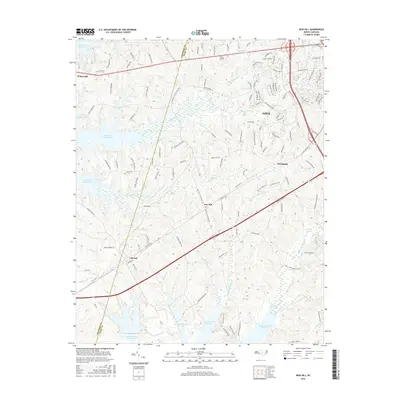 2016 New Hill2016 Print · USGSWestern Wake County during this mid-2010s period shows the expansion of residential neighborhoods into the rural landscapes of New Hill and Bonsal. Researchers can trace the proximity of Deck Airpark to the massive Shearon Harris Reservoir and the growing street networks of Apex.
Showing maps 1-25 of 34
Frequently asked questions
- What are the different types of historical maps available for Holly Pointe?
- What is the oldest map of Holly Pointe?
- Where can I purchase historical maps of Holly Pointe for my home or office?
- Where can I download high-res historical maps of Holly Pointe?
- Are there historical topographic maps available for Holly Pointe?
- Is there historical aerial imagery available for Holly Pointe?
- Where are historical maps of Holly Pointe sourced from?