1960s Maps of Ransom County, North Dakota
Explore 22 historic maps of Ransom County from the 1960s. These maps offer a rare glimpse into what life looked like during the 1960s — showing old roads, neighborhoods, homes, and landmarks that have changed or disappeared over time.
Whether you're researching your family's past, planning a metal detecting trip, or studying how Ransom County's landscape evolved across the 1960s, these high-resolution maps are a powerful tool for exploring the history of this region.
- Focus on a specific era: All maps on this page are from the 1960s, giving you a focused view of this time period.
- See what’s changed: Compare century-old streets, trails, and buildings to today's modern landscape using overlays and satellite layers.
- Research with precision: Use these maps for genealogy, historical research, land use analysis, or educational projects.
- View, download, or print: Maps are fully viewable online in high resolution, and can be downloaded or printed for your own records.
Start exploring Ransom County's history through authentic maps from the 1960s. This is your window into the past.
Ransom County, ND maps
(22)- 1960 Map of Lisbon SE, 1961 Print
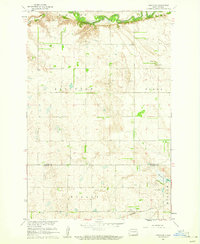 1960 Lisbon SE1961 Print · USGSRansom and Sargent counties are shown here at the start of the 1960s, where the winding valley of the Sheyenne River meets the open prairie. Researchers can trace rural school and church sites like Aliceton Sch and Zion Ch along the Northern Pacific rail corridor.
 - 1960 Map of Coburn, 1962 Print
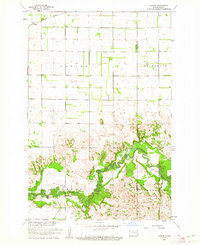 1960 Coburn1962 Print · USGSRansom County's prairie and river-valley landscape are captured here during the early sixties, showing the agricultural patterns of the Great Plains. Researchers can locate family landmarks like the Owego Ch, the Northern Pacific rail line, and the Vivasaker Bridge crossing.
 - 1960 Map of De Lamere, 1962 Print
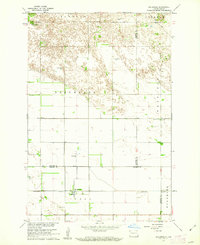 1960 De Lamere1962 Print · USGSThe North Dakota prairie near De Lamere is captured here during the early 1960s as a thriving rail-and-well agricultural hub. Genealogists can locate specific landmarks like the Anderson Cem, School No 1, and the many Flowing Wells that sustained these rural townships.
 - 1960 Map of Lisbon NE, 1962 Print
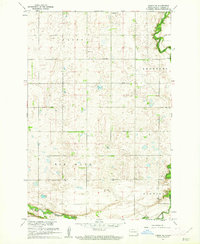 1960 Lisbon NE1962 Print · USGSRansom County farmland is captured here in the early sixties as the Missouri River Basin development program was underway. Genealogists can locate family-named landmarks and rural centers like St Paul Cem, St Paul Ch, and School No 2.
 - 1960 Map of Enderlin South, 1962 Print
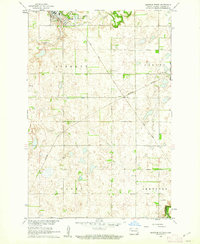 1960 Enderlin South1962 Print · USGSRansom County's prairie landscape was shaped by the Northern Pacific railroad and the winding Maple River during the early sixties. Researchers can trace family history at numerous rural sites including St Olaf Cem, St Marys Cem, and Trinity Ch.
 - 1960 Map of Venlo, 1962 Print
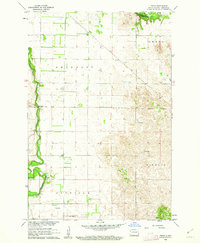 1960 Venlo1962 Print · USGSRansom County in the early sixties is captured here as the Soo Line railroad serves the small prairie siding of Venlo. Researchers can trace the winding Sheyenne River to Heaton Bridge or locate several artesian Flowing Wells in the southern townships.
 - 1960 Map of Milnor, 1962 Print
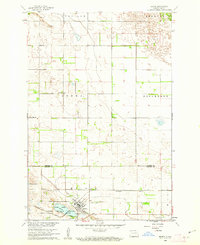 1960 Milnor1962 Print · USGSSoutheastern North Dakota's prairie landscape is captured here in the early sixties as the town of Milnor sits along the Northern Pacific line. Researchers can locate specific sites like School No 21, Lakeside Cem, and the Storm Lake National Wildlife Refuge.
 - 1960 Map of Sheldon, 1962 Print
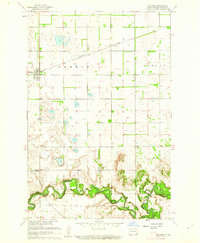 1960 Sheldon1962 Print · USGSRansom County in the early sixties shows a landscape of steady prairie farming and river-valley transport. Genealogists and historians can trace the Northern Pacific rail line through Sheldon or locate river crossings like McClellan Bridge and Larson Bridge.
 - 1961 Map of Sheldon NW, 1963 Print
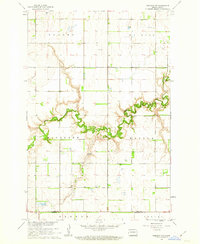 1961 Sheldon NW1963 Print · USGSThe rural prairie of Cass County is captured here in the early 1960s as the agricultural grid defined life along the Maple River valley. Researchers can locate vanished rural landmarks such as School No 83, a local Townhall, and a mid-century Landing Strip.
 - 1961 Map of Sheldon NE, 1963 Print
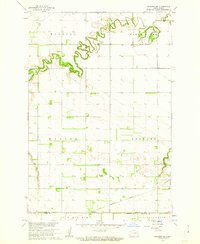 1961 Sheldon NE1963 Print · USGSSoutheast North Dakota’s prairie landscape was shaped by the winding Maple River and the transit lines of the early 1960s. Researchers can trace the legacy of pioneer settlements through the Northern Pacific rail line and family-history sites like Watson Cem and Leonard Cem.
 - 1961 Map of Enderlin North, 1963 Print
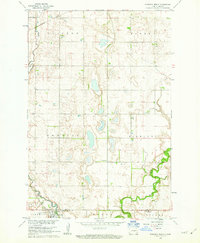 1961 Enderlin North1963 Print · USGSThe borderlands of Cass and Ransom counties are captured here in the early sixties, centered on the growing town of Enderlin. Researchers can locate rural landmarks like Salem Cem, the NORTHERN PACIFIC rail line, and the winding course of the Maple River.
 - 1961 Map of McLeod, 1964 Print
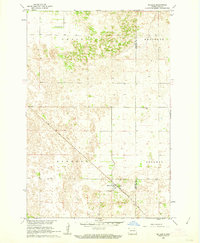 1961 McLeod1964 Print · USGSThe eastern North Dakota prairie is captured here in the early sixties, centered on the railroad hub of McLeod. Researchers can trace the path of the Soo Line and locate the Free Lutheran Cem near the borders of Sheyenne and Owego.
 - 1962 Map of Englevale, 1964 Print
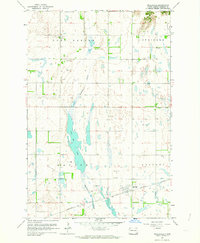 1962 Englevale1964 Print · USGSRansom County's prairie landscape was shaped by the Northern Pacific railroad and local water features in the early 1960s. Genealogists and local historians can trace the Stiklestad Cem and Englevale or locate the Townhall and Lone Tree Lake.
 - 1962 Map of Lisbon, 1964 Print
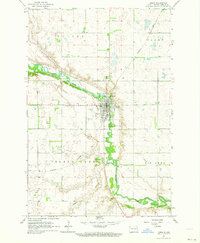 1962 Lisbon1964 Print · USGSLisbon and the winding Sheyenne River valley are captured here in the early sixties, showing the town at a peak of mid-century development. Genealogists and local historians can locate the State Soldiers Home, Oakwood Cemetery, and the Northern Pacific rail line.
 - 1962 Map of Lisbon SW, 1964 Print
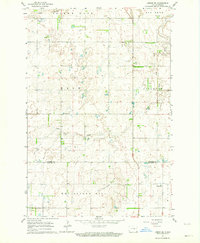 1962 Lisbon SW1964 Print · USGSRansom and Sargent counties are captured here in the early sixties, showing a landscape of scattered farmsteads and glacial hills. Genealogists can locate family sites near the Lutheran Ch, Cem, or along the banks of Dead Colt Creek.
 - 1962 Map of Elliott, 1964 Print
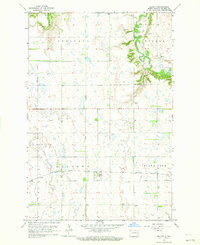 1962 Elliott1964 Print · USGSIn the early 1960s, this Ransom County prairie landscape was defined by the Northern Pacific railroad and the winding Sheyenne River. Genealogists and local historians can trace rural landmarks like Dick Cem, School No 1, and the rail siding at Elliott.
 - 1965 Map of Lucca, 1967 Print
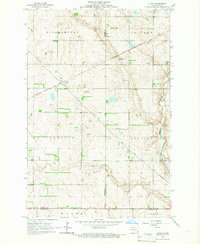 1965 Lucca1967 Print · USGSThe intersection of the Northern Pacific and Soo Line railroads defines the rural landscape of Barnes County in the 1960s. Trace the small settlement of Lucca, the Cem cemetery, and the winding course of the Maple River.
 - 1967 Map of Ft. Ransom, 1969 Print
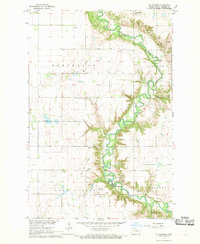 1967 Ft. Ransom1969 Print · USGSRansom County's Sheyenne River valley is captured here in the late sixties, revealing a landscape where frontier history and rural agriculture meet. Genealogists and historians can locate Site of old Ft Ransom, find family plots at Standing Rock Cem, and trace the cultural geography of Indian Mounds and Writing Rock.
 - 1967 Map of Nome SE, 1969 Print
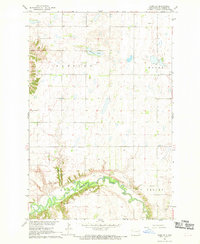 1967 Nome SE1969 Print · USGSRansom County farmland meets the winding valley of the Sheyenne River during the late sixties. Genealogists and local historians can locate the Bethania Cem, Fillmore Ch, and the riverside Griswold Mine.
 - 1967 Map of Nome, 1969 Print
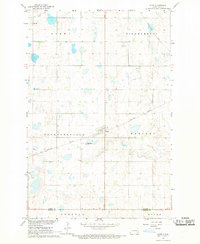 1967 Nome1969 Print · USGSThe Barnes and Ransom County border comes alive in the mid-sixties, centered on the railroad village of Nome. Local researchers can trace the agricultural heartland through township markers like Thordenskjold and find early social hubs like St Peters Ch.
 - 1967 Map of Kathryn, 1969 Print
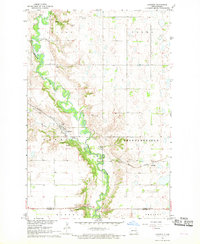 1967 Kathryn1969 Print · USGSIn the Sheyenne River valley during the late 1960s, this landscape shows the quiet agrarian life of Barnes County. Genealogists and historians can trace rail-side settlements like Kathryn and Eastedge, or locate family sites near St Pauls Cem and Sheyenne Valley Ch.
 - 1967 Map of Buttzville, 1969 Print
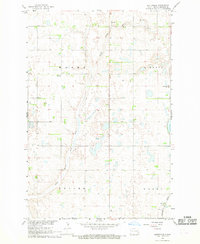 1967 Buttzville1969 Print · USGSRansom County farming townships and the prairie rail corridor are captured here in the late sixties. Genealogists and local historians can locate the West St Olaf Ch, the Northern Pacific rail line, and the small settlement of Buttzville.
End of results
Showing maps 1-22 of 22
Top cities of Ransom County
- Lisbon historical maps
- Enderlin historical maps
- Sheldon historical maps
- Fort Ransom historical maps
- Coburn Township historical maps
- Elliott historical maps
Frequently asked questions
- What are the different types of historical maps available for Ransom County?
- What is the oldest map of Ransom County?
- Where can I purchase historical maps of Ransom County for my home or office?
- Where can I download high-res historical maps of Ransom County?
- Are there historical topographic maps available for Ransom County?
- Is there historical aerial imagery available for Ransom County?
- Where are historical maps of Ransom County sourced from?