Old Maps of Wayne Township, Ohio
Explore 33 old maps of Wayne Township, spanning from 1905 to today. These high-resolution historic maps reveal how streets, neighborhoods, landmarks, and natural features evolved over time — perfect for genealogy, metal detecting, research, and local history exploration.
What you can do with these maps:
- See how Wayne Township changed over time: Compare historical maps to modern-day views to trace roads, homesites, rail lines & more.
- View detailed metadata: Each map includes creators, publishers, year, scale, and archive source.
- Overlay maps with satellite & LiDAR: Visualize the past alongside modern tools to explore terrain & human change.
- Trusted historical sources: Maps sourced from the USGS, Library of Congress, and other archives.
- Access maps your way: View online, download high-res files, or order prints for personal or research use.
Start exploring old maps of Wayne Township to uncover forgotten places, hidden landmarks, and the deep history beneath your feet.
Wayne Township, OH maps
(33)- 1905 Map of New Matamoras, 1916 Print
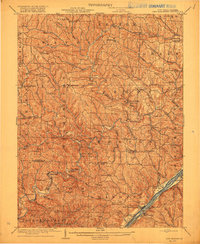 1905 New Matamoras1916 Print · USGSMonroe and Washington counties come alive in the decade after the century's turn, showing a world of river commerce and ridge-top farming. Genealogists can trace family footprints across old postal stops like Langs P.O. and Centerview P.O. or the milling sites at Rinard Mills.
 - 1905 Map of Woodsfield, 1946 Print
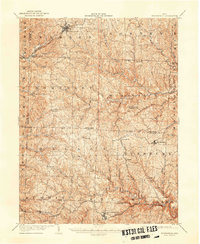 1905 Woodsfield1946 Print · USGSMonroe and Belmont counties are shown here in the first years of the twentieth century, when the rural landscape was tied together by small postal hubs and creek-side settlements. Genealogists can trace early homesteads near Baileys Mills, Somerton, or Beallsville along the Baltimore and Ohio RR.2 unique versions available
 - 1924 Map of New Matamoras, 1958 Print
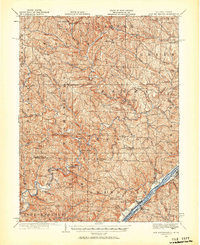 1924 New Matamoras1958 Print · USGSThe Ohio River borderlands are shown in detail during the mid-1920s, featuring the winding valleys of the Muskingum rivers. Genealogists can trace family locations through named schools and rural post offices like Rinard Mills, Salem Hall, and Zion Church.
 - 1926 Map of New Matamoras
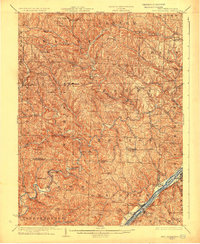 1926 New Matamoras1926 Print · USGSThe Ohio River valley and the rugged interior of Monroe County appear here in the mid-1920s. Genealogists can trace early twentieth-century rural life through numerous small post offices and schools like Cochransville Centerview PO and Excelsior School.2 unique versions available
 - 1949 Map of Clarksburg
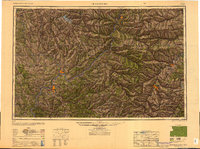 1949 Clarksburg1949 Print · USGSThe upper Ohio River valley and the industrial heart of West Virginia come into focus during this post-war period. Genealogists and researchers can trace the rail corridors of the Baltimore and Ohio and locate centers like Fairmont, Grafton, and Waynesburg.
 - 1956 Map of Clarksburg, 1966 Print
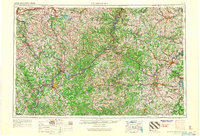 1956 Clarksburg1966 Print · USGSThe Ohio River valley and the industrial heart of West Virginia are seen here in the mid-1950s as rail and river commerce thrived. Researchers can trace historic transport lines like the Baltimore and Ohio RR and locate ancestral homes in Clarksburg, Moundsville, or Parkersburg.2 unique versions available
 - 1960 Map of Antioch, 1961 Print
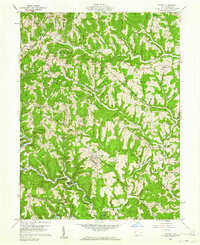 1960 Antioch1961 Print · USGSMonroe County was a landscape of deep timber and winding valley roads in the early sixties. Genealogists and hikers can trace the paths between Antioch, Mechanicsburg, and Fletchers Chapel, or locate old burial sites like Old Otts Cem.4 unique versions available
 - 1960 Map of Graysville, 1961 Print
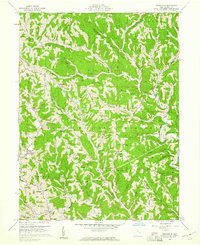 1960 Graysville1961 Print · USGSMonroe County's dissected plateau is shown in the early sixties, a landscape of steep ridges and the Wayne National Forest. Researchers can trace old family holdings through sites like Lamping Cem (Indian Mound) and the Covered Bridge at Sycamore Valley.4 unique versions available
 - 1961 Map of Clarksburg
 1961 Clarksburg1961 Print · USGSThe mid-century industrial and river landscapes of West Virginia and Ohio are detailed here, centered on the Ohio River. Researchers can trace the Baltimore and Ohio rail lines connecting towns like Parkersburg, Clarksburg, and Monongah.
 - 1961 Map of Lewisville, 1963 Print
 1961 Lewisville1963 Print · USGSMonroe County enters the 1960s as a landscape of hilltop farms and emerging energy infrastructure. Genealogists and local historians can trace the locations of numerous family burial sites like the Free Burial Ground and rural centers such as Miltonsburg or Monroefield.2 unique versions available
 - 1980 Map of Senecaville, 1983 Print
 1980 Senecaville1983 Print · USGSEastern Ohio at the start of the eighties reveals a complex landscape of coal extraction and river commerce. Genealogists and historians can trace rail lines like the Conrail and Baltimore and Ohio RR connecting towns like Byesville and Woodsfield.2 unique versions available
 - 1988 Map of Clarksburg, 1989 Print
 1988 Clarksburg1989 Print · USGSThe central Appalachians are documented in detail during the late eighties, showing the industrial and river-based economies of West Virginia, Ohio, and Pennsylvania. Researchers can trace historic rail routes like the B & O RR and locate river towns from St Marys to Parkersburg.
 - 1994 Map of Antioch, 1998 Print
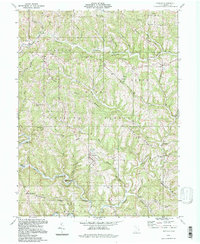 1994 Antioch1998 Print · USGSMonroe County, Ohio, remains defined by its deep ridges and the winding path of the Little Muskingum River during the late twentieth century. Genealogists can trace family landmarks and rural life through Moffets Ch, Haythorn Cem, and the settlement of Antioch.
 - 1994 Map of Lewisville, 1998 Print
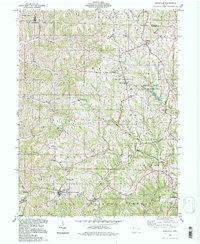 1994 Lewisville1998 Print · USGSMonroe County's rugged ridge-and-valley landscape is documented here in the 1990s, showing a region defined by rural settlements and early oil exploration. Researchers can trace ancestral locations from Lewisville to Malaga, or locate remote sites like the Free Burial Ground and St Johns Ch.
 - 1994 Map of Graysville, 1998 Print
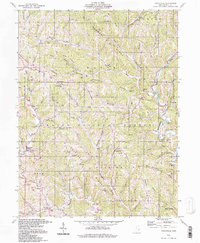 1994 Graysville1998 Print · USGSMonroe County’s ridge-and-hollow landscape is captured here in the 1990s, centered on the community of Graysville and the Wayne National Forest. Genealogists and historians can locate family landmarks like the Covered Bridge, Lamping Cem (Indian Mound), and Conner Ridge Ch.
 - 2002 Map of Antioch, 2006 Print
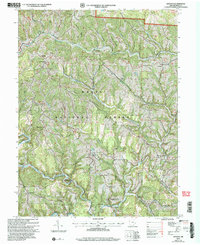 2002 Antioch2006 Print · USGSMonroe County’s rural ridges and creek valleys are documented here at the turn of the century within the National Forest. Genealogists can trace family landmarks like Fletchers Chapel, Moffets Ch, and the Covered Bridge near Antioch.
 - 2002 Map of Lewisville, 2006 Print
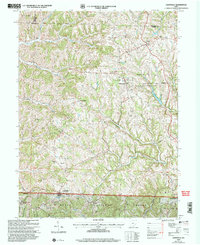 2002 Lewisville2006 Print · USGSSoutheastern Ohio's ridges and valleys are mapped here at the turn of the millennium, showing a landscape defined by small villages and protected woodlands. Genealogists can trace early settlers through the German Cem, Free Burial Ground, and numerous family-named hollows.
 - 2002 Map of Graysville, 2006 Print
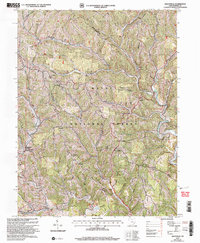 2002 Graysville2006 Print · USGSMonroe County's ridgelines and hollows appear here just after the turn of the millennium, showing a landscape of deep valleys and upland farms. You can trace family roots through numerous burial sites like Lamping Cem and landmarks like the Sycamore Valley Covered Bridge.
 - 2011 Map of Lewisville, 2011 Print
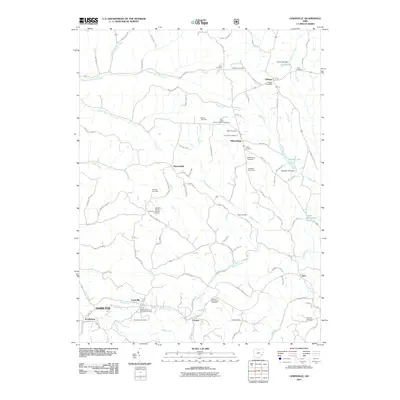 2011 Lewisville2011 Print · USGSMonroe County's ridge-and-hollow landscape is captured here in the early twenty-first century, showing a rural community shaped by its cemeteries and small farms. Genealogists can locate family names at Middle Church German Lutheran Cemetery, Schell Cemetery, and the Malaga Post Office.
 - 2011 Map of Graysville, 2011 Print
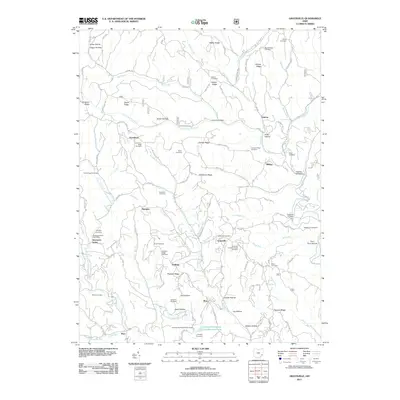 2011 Graysville2011 Print · USGSMonroe County ridge-top life and its river-bottom hollows are preserved here in the early twenty-first century. Genealogists can trace family names through dozens of upland burial sites, including Moose Ridge Cemetery, Sloan Cemetery, and Pleasant Ridge Cemetery.
 - 2011 Map of Antioch, 2011 Print
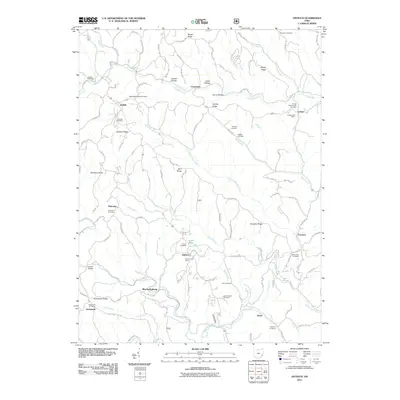 2011 Antioch2011 Print · USGSMonroe County’s dissected plateau is shown here in the early 2000s, where the Little Muskingum River winds past rural crossroads and family homesteads. Genealogists can trace deep local roots at the Antioch Cemetery, Old Otts Cemetery, and the Foraker Bridge.
 - 2013 Map of Antioch, 2013 Print
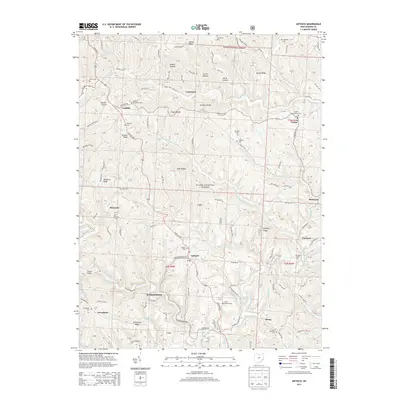 2013 Antioch2013 Print · USGSMonroe County settlements and family cemeteries are documented here in the early twenty-first century. Genealogists and local historians can trace the rural landscape of Antioch and Mechanicsburg or locate burial sites like Antioch Cem and Unity Baptist Cem.
 - 2013 Map of Graysville, 2013 Print
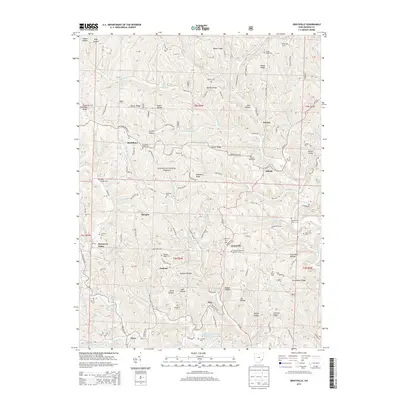 2013 Graysville2013 Print · USGSMonroe County's dissected plateau comes into focus in this recent survey of the Graysville area. Researchers can trace family history through numerous remote burial grounds like McVay Cem and Knowlton Cem or explore the ridges surrounding Sycamore Valley.
 - 2013 Map of Lewisville, 2013 Print
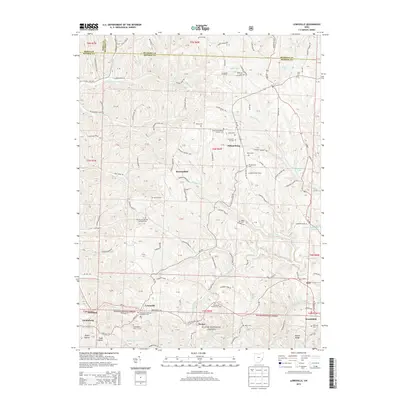 2013 Lewisville2013 Print · USGSMonroe County's hill country is shown here in the early twenty-first century, centered on the villages of Lewisville and Miltonsburg. Local historians can trace family roots through numerous burial sites like the Free Burial Ground and Saint Johns Roman Catholic Cem.
 - 2016 Map of Lewisville, 2016 Print
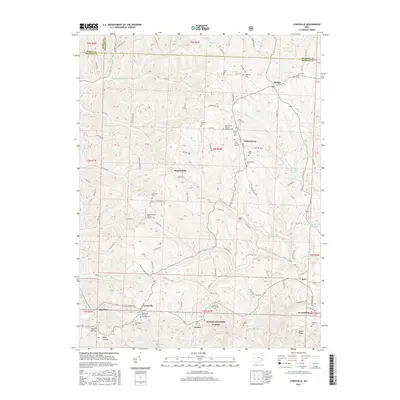 2016 Lewisville2016 Print · USGSMonroe County is depicted here in the early twenty-first century, showing a landscape defined by steep ridges and a deep history of German Lutheran settlement. Genealogists can locate numerous historic burial sites, such as the Middle Church German Lutheran Cem, Schell Cem, and Potts Cem.
Showing maps 1-25 of 33
Top cities near Wayne Township
- Woodsfield historical maps
- Grandview historical maps
- Sistersville historical maps
- Malaga historical maps
- New Matamoras historical maps
- Beallsville historical maps
See more
Top neighborhoods of Wayne Township
Frequently asked questions
- What are the different types of historical maps available for Wayne Township?
- What is the oldest map of Wayne Township?
- Where can I purchase historical maps of Wayne Township for my home or office?
- Where can I download high-res historical maps of Wayne Township?
- Are there historical topographic maps available for Wayne Township?
- Is there historical aerial imagery available for Wayne Township?
- Where are historical maps of Wayne Township sourced from?