Old Maps of East Franklin Township, Pennsylvania for Academic Research
Study the evolution of East Franklin Township with 37 high-resolution historic maps. Whether you're teaching, researching, or modeling changes in land use, these maps provide essential visual documentation of urban, environmental, and geographic change.
- Analyze long-term change: Track patterns in development, transportation, and natural features.
- Ideal for environmental or urban studies: Support academic projects with primary historical map data.
- Use in the classroom or lab: Educators and researchers rely on these maps to bring historical context to life.
These maps are a powerful tool for teaching, research, and visualizing how East Franklin Township has changed over the decades.
East Franklin Township, PA maps
(37)- 1900 Map of Kittanning, 1963 Print
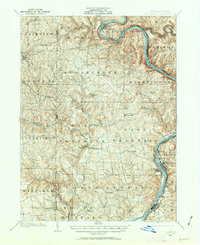 1900 Kittanning1963 Print · USGSThe Allegheny River valley was a bustling corridor of rail and river industry at the turn of the century. Genealogists and researchers can trace family landmarks and early industrial sites like Redbank Furnace, Laceys Store, and Buffalo Mills.
 - 1901 Map of Rural Valley, 1957 Print
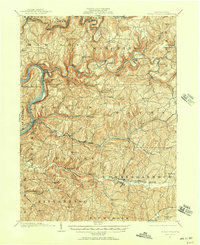 1901 Rural Valley1957 Print · USGSArmstrong County’s river valleys and iron-working hamlets are captured here at the start of the twentieth century. Researchers can trace the legacy of early industry at Mahoning Furnace or follow the path of the Pennsylvania R.R. through Templeton.2 unique versions available
 - 1902 Map of Kittanning
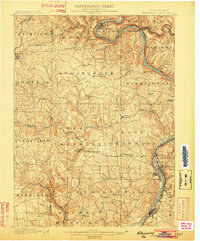 1902 Kittanning1902 Print · USGSThe Allegheny River corridor at the start of the twentieth century shows a region shaped by heavy rail and early industry. Trace family roots and old commercial sites like Redbank Furnace, East Brady, and the milling hub at Worthington.6 unique versions available
 - 1903 Map of Rural Valley
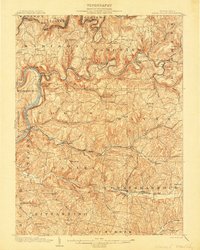 1903 Rural Valley1903 Print · USGSArmstrong County at the dawn of the twentieth century shows a landscape defined by iron furnaces and winding river valleys. Genealogists can trace family roots in early settlements like Templeton, Goheenville, and Putneyville or locate landmarks such as Mahoning Furnace and Stone House.6 unique versions available
 - 1953 Map of Pittsburgh
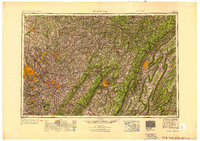 1953 Pittsburgh1953 Print · USGSWestern Pennsylvania's industrial landscape at the start of the fifties shows the steel and rail corridors between Pittsburgh and Altoona. Trace family roots in river towns like Tarentum or follow the Pennsylvania Turnpike across Laurel Hill.
 - 1954 Map of Pittsburgh
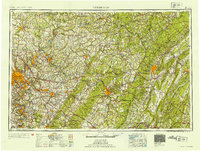 1954 Pittsburgh1954 Print · USGSWestern Pennsylvania in the early fifties remains a powerhouse of heavy industry and vital transit corridors. Genealogists and historians can trace the rail-and-river network connecting Pittsburgh, Johnstown, and Altoona via the Pennsylvania RR and the Lincoln Highway.2 unique versions available
 - 1958 Map of Pittsburgh
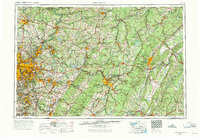 1958 Pittsburgh1958 Print · USGSWestern Pennsylvania in the late fifties shows an industrial heartland defined by the confluence of the Allegheny River and Monongahela River. Researchers can trace the sprawling rail networks of the Pennsylvania RR and find established towns like Butler, Latrobe, and Windber.5 unique versions available
 - 1958 Map of Kittanning, 1959 Print
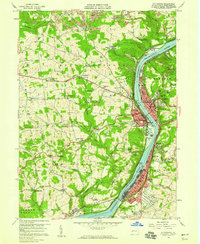 1958 Kittanning1959 Print · USGSArmstrong County’s industrial river valley thrives in the late fifties, dominated by the manufacturing hubs and rail networks of the Allegheny. Researchers can trace family history through sites like Salem Ch, the Appleby Manor Ch, and the neighborhoods of McGrann and Tarrtown.4 unique versions available
 - 1959 Map of Pittsburgh
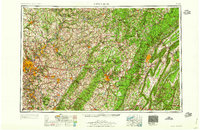 1959 Pittsburgh1959 Print · USGSWestern Pennsylvania in the late fifties is captured here at the height of its industrial era. Genealogists and historians can trace the riverfront growth of Pittsburgh, the rail works at Altoona, and the mountain gaps of Laurel Hill.
 - 1963 Map of East Brady, 1964 Print
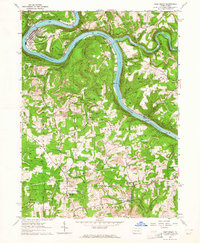 1963 East Brady1964 Print · USGSThe Allegheny River corridor in the early sixties was a hub of rail transport and strip mining across the Clarion and Armstrong county lines. Local historians can trace the foundations of East Brady and Philipston, or locate rural landmarks like St Eusebius Ch and Lock and Dam No 9.2 unique versions available
 - 1964 Map of Pittsburgh
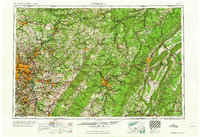 1964 Pittsburgh1964 Print · USGSWestern Pennsylvania in the late fifties and early sixties shows a landscape of powerful river industries and expanding highways. Genealogists and historians can trace the rail corridors of the Pennsylvania RR through industrial hubs like Johnstown, Altoona, and Nanty Glo.
 - 1968 Map of Mosgrove, 1972 Print
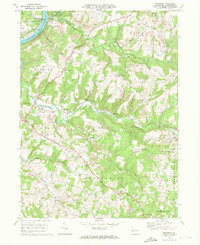 1968 Mosgrove1972 Print · USGSArmstrong County in the late 1960s shows a landscape of rail-and-river transport and burgeoning energy extraction. Trace ancestral roots through rural sites like Rupp Cem, Pine Furnace, and the old Township Sch near Sunnyside.4 unique versions available
 - 1969 Map of Templeton, 1972 Print
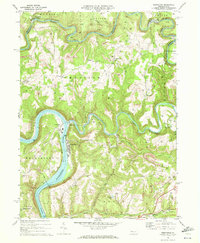 1969 Templeton1972 Print · USGSArmstrong and Clarion Counties are mapped here in the late sixties, showing a landscape defined by mining and river commerce. Researchers can trace the rail paths of the Pittsburg and Shawmut, locate old Coke Ovens, and find family sites like Duncan Cem.4 unique versions available
 - 1983 Map of Indiana
 1983 Indiana1983 Print · USGSWestern Pennsylvania in the early eighties shows a landscape of industrial river towns and expanding university campuses. Genealogists can trace family roots through Lucernemines and Spring Church, or locate ancestors in Oakland Cemetery.
 - 1993 Map of East Brady
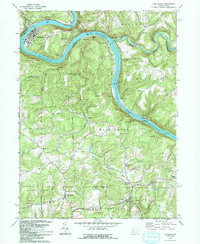 1993 East Brady1993 Print · USGSThe Allegheny River corridor in the early nineties reveals a landscape shaped by river transport and deep-vein mining. Researchers can trace family roots at St Eusebius Cem, locate the Sugarcreek Sch, or explore riverside hamlets like Wattersonville and Philipston.
 - 1993 Map of Kittanning
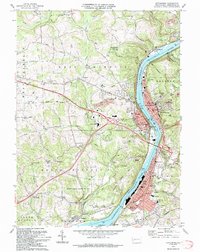 1993 Kittanning1993 Print · USGSArmstrong County in the 1990s was a landscape shaped by the Allegheny River and a legacy of industry. Genealogists and historians can trace family roots through numerous sites like Lawnheaven Cem, Wick City, and the St Pauls Monastery.
 - 1998 Map of Kittanning, 2000 Print
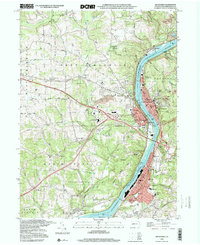 1998 Kittanning2000 Print · USGSArmstrong County’s riverfront industrial corridor is captured here at the end of the century, showing the tight-knit settlements along the Allegheny. Researchers can trace local roots through St Pauls Monastery, Dog Town, and Holy Trinity Cem.
 - 2010 Map of East Brady, 2010 Print
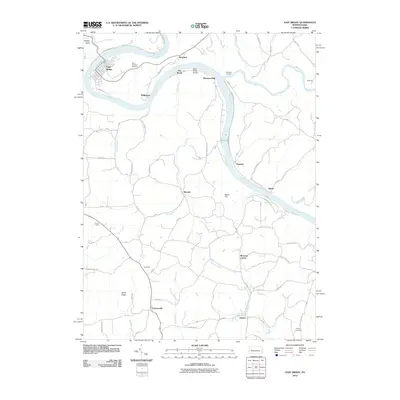 2010 East Brady2010 Print · USGSThe Allegheny River corridor comes alive in the early twenty-first century, showing the enduring layouts of river towns and upland ridges. Researchers can trace historic industrial sites like Redbank Furnace, local family burial grounds at Croyle Cemetery, and repurposed routes along the Rails to Trails Rd.
 - 2010 Map of Templeton, 2010 Print
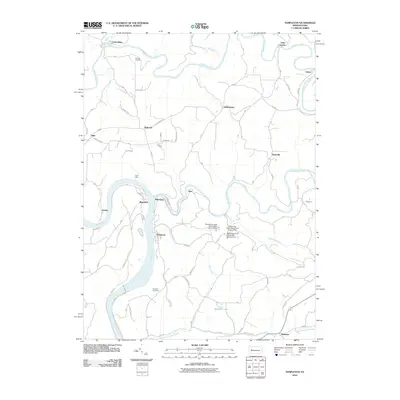 2010 Templeton2010 Print · USGSThe confluence of the Allegheny River and Mahoning Creek anchors this 2010 survey of Armstrong County. Researchers can locate family landmarks like Duncan Cemetery and trace industrial footprints near the Mahoning Creek Mines Dam One and Two.
 - 2010 Map of Kittanning, 2010 Print
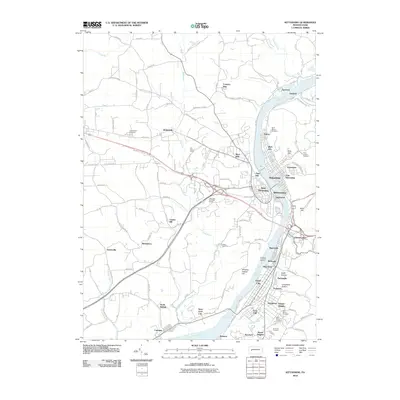 2010 Kittanning2010 Print · USGSThe industrial corridor of the Allegheny River comes into sharp focus during the early twenty-first century. Genealogists and local historians can trace family plots in Saint Joseph Cemetery or locate old neighborhood boundaries in Wick City, McGrann, and Dog Town.
 - 2010 Map of Mosgrove, 2010 Print
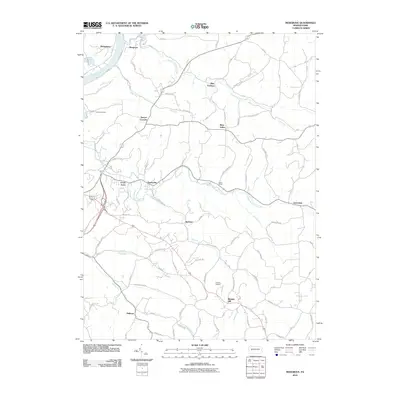 2010 Mosgrove2010 Print · USGSThe rural uplands of Armstrong County and the Allegheny River corridor are captured here in the early twenty-first century. Genealogists and local historians can trace family-named sites and settlements like Pine Furnace, Blanket Hill, and McNees.
 - 2013 Map of Mosgrove, 2013 Print
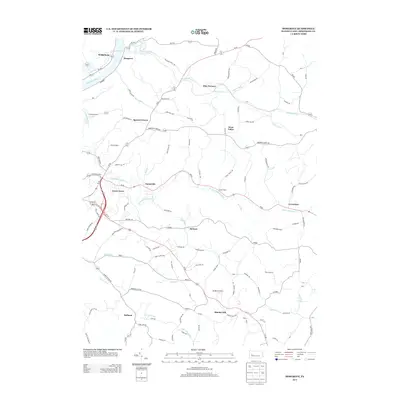 2013 Mosgrove2013 Print · USGSArmstrong County’s river valleys and rural crossroads are captured here in the early 2010s. Researchers can trace the heritage of small settlements from the banks of the Allegheny River to inland locales like Pine Furnace and Blanket Hill.
 - 2013 Map of Templeton, 2013 Print
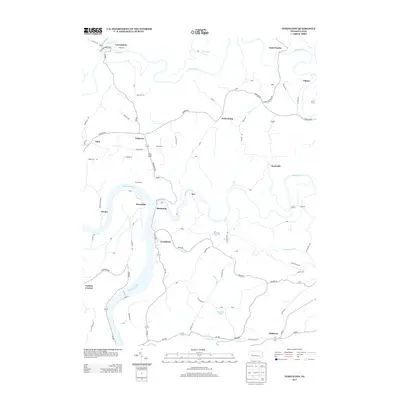 2013 Templeton2013 Print · USGSThe Allegheny River corridor and its winding tributaries define this Armstrong County landscape in 2013. Local historians can trace riverside settlements like Templeton and Reesedale or find rural upland communities such as Widnoon and Kellersburg.
 - 2013 Map of East Brady, 2013 Print
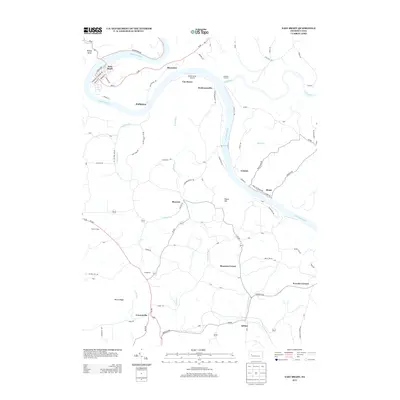 2013 East Brady2013 Print · USGSThe Allegheny River bends and loops through Clarion and Armstrong counties in this early 21st-century record. Genealogists and historians can trace the heritage of East Brady and Phillipston or locate industrial landmarks like Redbank Furnace and Offutt Acres Airport.
 - 2013 Map of Kittanning, 2013 Print
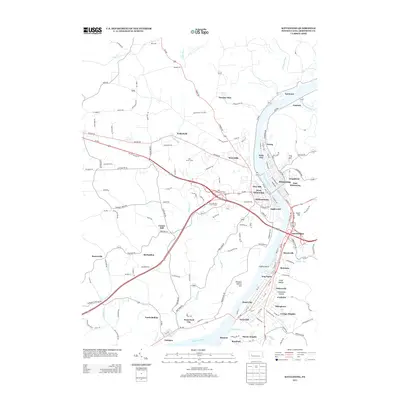 2013 Kittanning2013 Print · USGSArmstrong County's riverfront communities are documented here in the early twenty-first century as they line the Allegheny River. Researchers can trace local neighborhoods and land features from Wick City and Dog Town to the rural grounds of the Girl Scout Camp.
Showing maps 1-25 of 37
Top cities near East Franklin Township
- Harrison Township historical maps
- Kittanning historical maps
- Ford City historical maps
- North Buffalo Township historical maps
- Leechburg historical maps
- Freeport historical maps
See more
Top neighborhoods of East Franklin Township
- Bridgeburg historical maps
- Adrian historical maps
- Cowansville historical maps
- Furnace Run historical maps
- West Hills historical maps
- Williamsburg historical maps
See more
Frequently asked questions
- What are the different types of historical maps available for East Franklin Township?
- What is the oldest map of East Franklin Township?
- Where can I purchase historical maps of East Franklin Township for my home or office?
- Where can I download high-res historical maps of East Franklin Township?
- Are there historical topographic maps available for East Franklin Township?
- Is there historical aerial imagery available for East Franklin Township?
- Where are historical maps of East Franklin Township sourced from?