Old Maps of Winfield Township, Pennsylvania for Metal Detecting
Plan your next treasure hunt with 41 historic maps of Winfield Township. Find old homesites, ghost towns, trails, and gathering spots that may be lost to time — perfect for identifying promising metal detecting locations.
- Locate forgotten sites: Uncover places like long-lost settlements, abandoned rail lines, or gathering spots.
- Plan better hunts: Use map overlays combined with LiDAR or satellite views to narrow in on historically rich areas.
- Made for detectorists: Thousands of hobbyists use these maps to discover relics, coins, and hidden history.
Use these historic maps to boost your research and find new opportunities beneath the surface of Winfield Township.
Winfield Township, PA maps
(41)- 1900 Map of Kittanning, 1963 Print
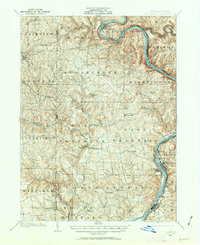 1900 Kittanning1963 Print · USGSThe Allegheny River valley was a bustling corridor of rail and river industry at the turn of the century. Genealogists and researchers can trace family landmarks and early industrial sites like Redbank Furnace, Laceys Store, and Buffalo Mills.
 - 1902 Map of Kittanning
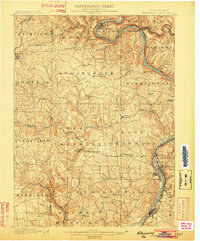 1902 Kittanning1902 Print · USGSThe Allegheny River corridor at the start of the twentieth century shows a region shaped by heavy rail and early industry. Trace family roots and old commercial sites like Redbank Furnace, East Brady, and the milling hub at Worthington.6 unique versions available
 - 1907 Map of Freeport, 1956 Print
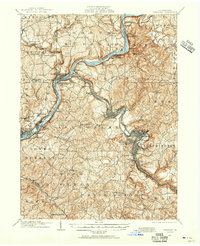 1907 Freeport1956 Print · USGSThe industrial river valleys of Armstrong, Westmoreland, and Butler counties come alive in this early 1900s survey. Genealogists and researchers can trace the rail-and-river network through Freeport and Schenley, locating old post offices at Garvers Ferry and Dime.
 - 1908 Map of New Kensington, 1956 Print
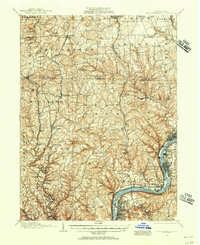 1908 New Kensington1956 Print · USGSThe Allegheny River valley and its surrounding townships are captured here at the start of the twentieth century. Researchers can trace early railroad stops at Allison Park Sta, find rural landmarks like Sandy Hill School, and locate the Fulton Ferry crossing.
 - 1909 Map of Freeport
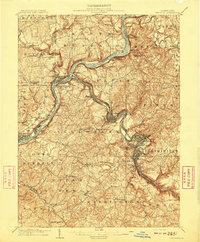 1909 Freeport1909 Print · USGSThe industrial river valleys of the Allegheny and Kiskiminitas are captured here during the peak of Pennsylvania's rail-and-river era. Researchers can trace the early layouts of Freeport and Leechburg or locate vanished sites like the Lucesco PO.5 unique versions available
 - 1909 Map of Butler, 1957 Print
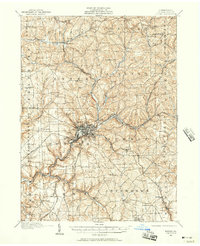 1909 Butler1957 Print · USGSButler and its surrounding townships thrive at the peak of the rail era, before the dominance of modern highways. Genealogists can trace family roots through numerous local schools and churches, from Lyndora and Unionville to White Church and Elliott School.2 unique versions available
 - 1910 Map of New Kensington
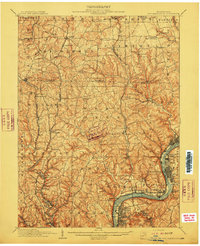 1910 New Kensington1910 Print · USGSThe industrial Allegheny River corridor and its rugged hinterlands come alive in this 1910 survey of the Westmoreland and Butler County borders. Genealogists and historians can trace family roots through labels for Sandy Hill School, Clinton Church, and the settlement at Saxonburg.7 unique versions available
 - 1911 Map of Butler
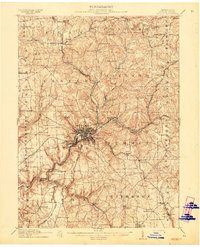 1911 Butler1911 Print · USGSButler emerges as a bustling rail and trolley hub during the first decade of the twentieth century. Genealogists and local historians can trace the paths of the Pittsburg and Butler Electric Railway or locate family homesteads near Frazier Mill and White Church.5 unique versions available
 - 1953 Map of Pittsburgh
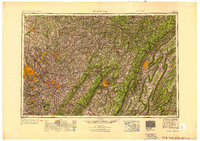 1953 Pittsburgh1953 Print · USGSWestern Pennsylvania's industrial landscape at the start of the fifties shows the steel and rail corridors between Pittsburgh and Altoona. Trace family roots in river towns like Tarentum or follow the Pennsylvania Turnpike across Laurel Hill.
 - 1953 Map of Curtisville, 1955 Print
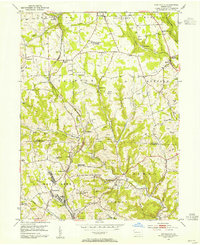 1953 Curtisville1955 Print · USGSThe mining and railroad culture of northern Allegheny County is captured here in the mid-1950s. Trace the Bessemer and Lake Erie rail line through Curtisville and Culmerville to find family-named churches, Mine No 1, and the Culmerville Airport.3 unique versions available
 - 1953 Map of Freeport, 1955 Print
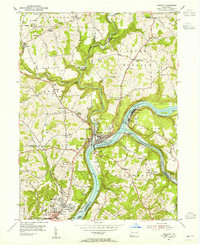 1953 Freeport1955 Print · USGSThe confluence of the Allegheny and Kiskiminetas rivers defines this mid-century industrial corridor. Trace the rail-and-river economy through Schenley, Butler Junction, and the vanished site of Garvers Ferry.4 unique versions available
 - 1954 Map of Pittsburgh
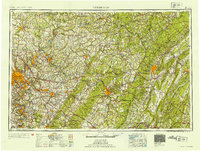 1954 Pittsburgh1954 Print · USGSWestern Pennsylvania in the early fifties remains a powerhouse of heavy industry and vital transit corridors. Genealogists and historians can trace the rail-and-river network connecting Pittsburgh, Johnstown, and Altoona via the Pennsylvania RR and the Lincoln Highway.2 unique versions available
 - 1958 Map of Pittsburgh
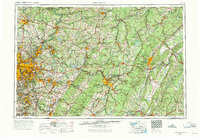 1958 Pittsburgh1958 Print · USGSWestern Pennsylvania in the late fifties shows an industrial heartland defined by the confluence of the Allegheny River and Monongahela River. Researchers can trace the sprawling rail networks of the Pennsylvania RR and find established towns like Butler, Latrobe, and Windber.5 unique versions available
 - 1958 Map of Worthington, 1959 Print
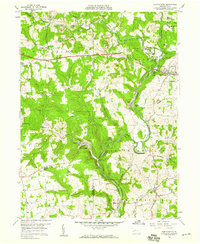 1958 Worthington1959 Print · USGSThe Armstrong and Butler county line in the late 1950s shows a landscape of industrial transition and rural community. Genealogists and researchers can locate historic brick kilns, rural congregations at McKee Chapel, and the milling history at Buffalo Mills.4 unique versions available
 - 1958 Map of Saxonburg, 1959 Print
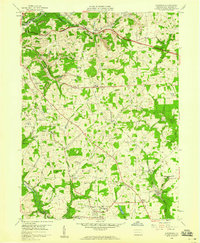 1958 Saxonburg1959 Print · USGSButler County in the late fifties is captured here as a landscape of small rail-side hamlets and hilltop schoolhouses. You can trace the legacy of local families through Gruenwalt Cem and Jefferson Center Cem, or follow the busy tracks of the Baltimore and Ohio railroad.4 unique versions available
 - 1959 Map of Pittsburgh
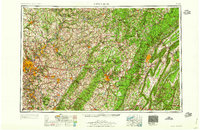 1959 Pittsburgh1959 Print · USGSWestern Pennsylvania in the late fifties is captured here at the height of its industrial era. Genealogists and historians can trace the riverfront growth of Pittsburgh, the rail works at Altoona, and the mountain gaps of Laurel Hill.
 - 1964 Map of Pittsburgh
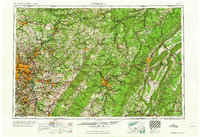 1964 Pittsburgh1964 Print · USGSWestern Pennsylvania in the late fifties and early sixties shows a landscape of powerful river industries and expanding highways. Genealogists and historians can trace the rail corridors of the Pennsylvania RR through industrial hubs like Johnstown, Altoona, and Nanty Glo.
 - 1983 Map of Indiana
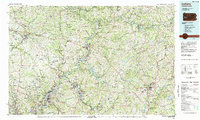 1983 Indiana1983 Print · USGSWestern Pennsylvania in the early eighties shows a landscape of industrial river towns and expanding university campuses. Genealogists can trace family roots through Lucernemines and Spring Church, or locate ancestors in Oakland Cemetery.
 - 1993 Map of Freeport
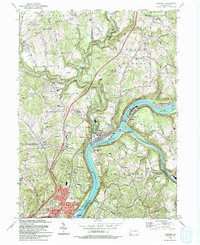 1993 Freeport1993 Print · USGSThe confluence of the Allegheny and Kiskiminetas Rivers defines the industrial landscape of southwestern Pennsylvania in the early nineties. Researchers can trace the riverfront rail lines of CONRAIL, find old family burial grounds like Mud Church Cem, and locate the historic Garvers Ferry site.
 - 1993 Map of Worthington
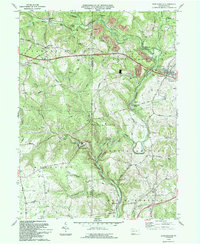 1993 Worthington1993 Print · USGSArmstrong and Butler counties are captured here in the early nineties as rural communities and light industry meet. Genealogists can trace family names at Slate Lick, Fenelton, and St Johns Ch or follow the historic Buffalo Mills along the creek.
 - 1998 Map of Freeport, 2000 Print
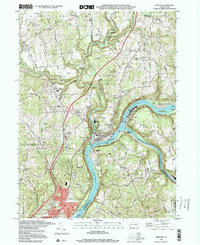 1998 Freeport2000 Print · USGSThe confluence of the Allegheny and Kiskiminetas rivers at the end of the century shows a landscape of deep rail history and industrial riverfronts. Trace family roots at Mount Airy Cemetery or locate old valley crossings like Garvers Ferry and Butler Junction.
 - 2010 Map of Saxonburg, 2010 Print
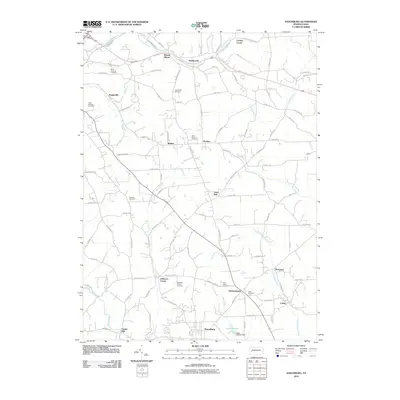 2010 Saxonburg2010 Print · USGSSaxonburg and its surrounding rural communities are captured here in the first decade of the 2000s. Researchers can trace local lineage through numerous sites like Saint Marys Cemetery, Jefferson Center, and Frazier Mill.
 - 2010 Map of Freeport, 2010 Print
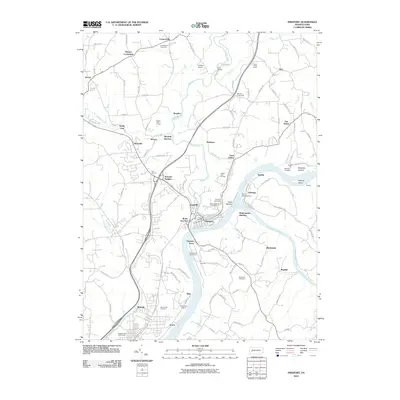 2010 Freeport2010 Print · USGSFreeport and the surrounding river valleys are shown in the 2010s at the meeting of the Allegheny and Kiskiminetas Rivers. Genealogists and local historians can trace family roots through landmarks like Brookland Cemetery, the old crossing at Garvers Ferry, and the settlement at Butler Junction.
 - 2010 Map of Worthington, 2010 Print
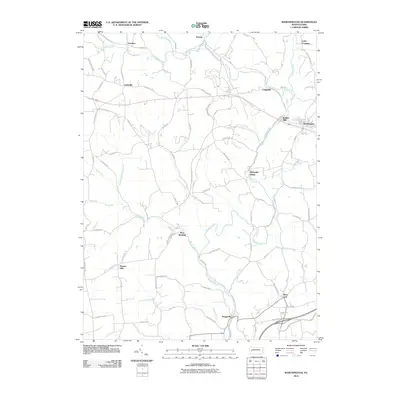 2010 Worthington2010 Print · USGSWestern Pennsylvania’s rural landscapes are captured here at the start of the 2010s, showing a region shaped by its creeks and small milling towns. Genealogists and historians can trace family locations near Buffalo Mills, Dennys Mills, and the crossroads at Slate Lick.
 - 2010 Map of Curtisville, 2010 Print
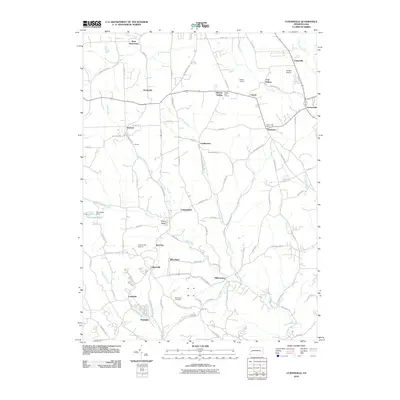 2010 Curtisville2010 Print · USGSThe rural valleys of Butler County are captured here at a time when small-scale aviation and historic crossroads settlements still defined the landscape. Local historians can trace family roots at Bull Creek Cemetery or locate old service hubs like the Sarver Post Office and Culmerville Airport.
Showing maps 1-25 of 41
Top cities near Winfield Township
- Butler historical maps
- New Kensington historical maps
- Lower Burrell historical maps
- Harrison Township historical maps
- Arnold historical maps
- Vandergrift historical maps
See more
Top neighborhoods of Winfield Township
- Knox Chapel historical maps
- West Winfield historical maps
- Leasureville historical maps
- Marwood historical maps
- Dennys Mills historical maps
- Cabot historical maps
Frequently asked questions
- What are the different types of historical maps available for Winfield Township?
- What is the oldest map of Winfield Township?
- Where can I purchase historical maps of Winfield Township for my home or office?
- Where can I download high-res historical maps of Winfield Township?
- Are there historical topographic maps available for Winfield Township?
- Is there historical aerial imagery available for Winfield Township?
- Where are historical maps of Winfield Township sourced from?