Old Maps of Girard, Pennsylvania for Academic Research
Study the evolution of Girard with 20 high-resolution historic maps. Whether you're teaching, researching, or modeling changes in land use, these maps provide essential visual documentation of urban, environmental, and geographic change.
- Analyze long-term change: Track patterns in development, transportation, and natural features.
- Ideal for environmental or urban studies: Support academic projects with primary historical map data.
- Use in the classroom or lab: Educators and researchers rely on these maps to bring historical context to life.
These maps are a powerful tool for teaching, research, and visualizing how Girard has changed over the decades.
Girard, PA maps
(20)- 1900 Map of Girard
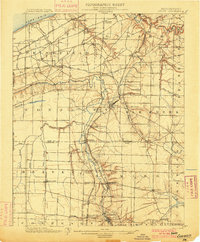 1900 Girard1900 Print · USGSNorthwestern Pennsylvania at the dawn of the twentieth century was a vital rail corridor defined by the shoreline of Lake Erie. You can trace the path of historic rail lines through Thornton Junction and locate vanished local landmarks like Lundys Lane and Paperville.5 unique versions available
 - 1900 Map of Fairview
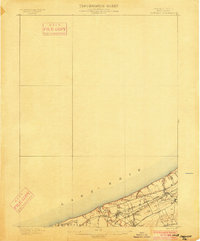 1900 Fairview1900 Print · USGSThe Erie County shoreline was a bustling corridor of steam and steel at the turn of the century. Genealogists and rail historians can trace the early footprints of Miles Grove, Avonia, and the complex rail interchanges at Girard Junction.5 unique versions available
 - 1950 Map of Cleveland
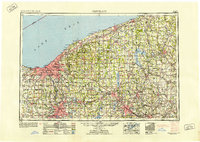 1950 Cleveland1950 Print · USGSCovers Girard, including Cleveland, Akron, and other nearby areas
 - 1950 Map of Erie, 1953 Print
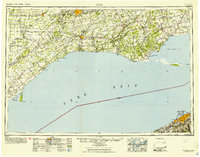 1950 Erie1953 Print · USGSThe northern and southern shores of the Great Lakes meet in the mid-twentieth century, showcasing the vital shipping and rail corridors between Ontario and Pennsylvania. Trace the routes of the Michigan Central railroad or locate coastal landmarks like Presque Isle Light and the settlement of Iona Station.
 - 1956 Map of Cleveland, 1967 Print
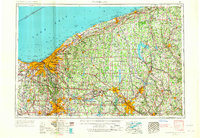 1956 Cleveland1967 Print · USGSNortheast Ohio and Western Pennsylvania are shown at their industrial height during the mid-fifties, from the steel mills to the lakeshore. Researchers can trace the massive Ravenna Arsenal, the Ohio Turnpike, and vanished rail sidings of the B & O RR.3 unique versions available
 - 1957 Map of Fairview, 1958 Print
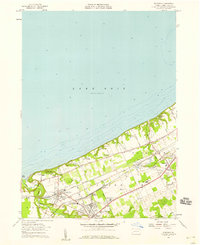 1957 Fairview1958 Print · USGSCoastal Erie County in the late fifties shows a busy landscape of lakefront camps, bustling boroughs, and vital rail junctions. Genealogists and local historians can trace family locations near St Johns Cem, the County Infirmary Cem, and the Divine Word Seminary.4 unique versions available
 - 1959 Map of Albion, 1960 Print
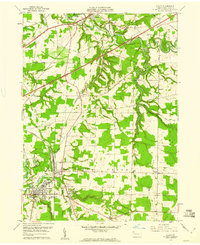 1959 Albion1960 Print · USGSWestern Erie County in the late fifties shows a landscape of busy rail corridors and established borough life. Genealogists and local historians can trace family locations along Gudgeonville Road or locate early markers at Hope Cem and Drury Cem.5 unique versions available
 - 1959 Map of Erie, 1974 Print
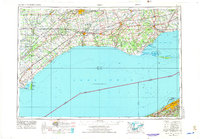 1959 Erie1974 Print · USGSCoastal communities and busy international rail lines define the North Shore and Pennsylvania lakefront during the late fifties and early seventies. Researchers can trace historic docklands and depot sites in Erie, Port Burwell, and Simcoe alongside the extensive reaches of Long Point.2 unique versions available
 - 1962 Map of Cleveland
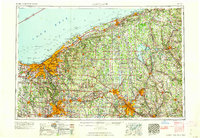 1962 Cleveland1962 Print · USGSNortheast Ohio and the Pennsylvania borderlands appear here during the industrial peak of the early sixties. Genealogists and historians can trace the expansive rail lines of the Nickel Plate Road and the growth of suburbs from Parma to Lyndhurst.
 - 1965 Map of Erie
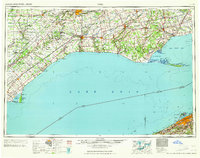 1965 Erie1965 Print · USGSSouthern Ontario and the Pennsylvania shore are captured in the late fifties, showcasing a robust rail-and-water economy. Trace family roots and old harbor towns like Port Stanley or explore the Six Nations Indian Reserve.
 - 1985 Map of Erie, 1986 Print
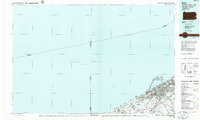 1985 Erie1986 Print · USGSThe Pennsylvania lakefront and the city of Erie are documented here in the mid-eighties, highlighting the region's transition from industrial hub to regional center. Genealogists and researchers can trace the neighborhoods of Wesleyville and Lake City or locate landmarks like Waldameer Park and the Conrail lines.
 - 1986 Map of Ashtabula
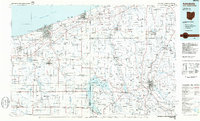 1986 Ashtabula1986 Print · USGSThe Lake Erie shoreline and the rural borderlands of Ohio and Pennsylvania are captured here as they appeared in the 1980s. You can trace industrial rail lines like the BESSEMER AND LAKE ERIE or locate family sites near Kelloggsville Cem and Pymatuning State Park.2 unique versions available
 - 1988 Map of Erie, 1989 Print
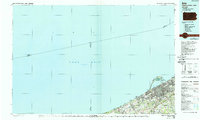 1988 Erie1989 Print · USGSThe Lake Erie shoreline in the late eighties reveals a landscape of industrial hubs and coastal recreation. Genealogists and local historians can trace the footprints of Millcreek, the protected waters of Misery Bay, and the historic Lighthouse at the edge of the lake.
 - 1998 Map of Fairview, 1999 Print
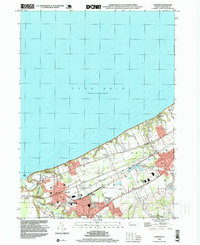 1998 Fairview1999 Print · USGSThe Lake Erie shoreline in the late nineties shows a well-established network of rail junctions and residential lakefront communities. Genealogists and historians can locate legacy institutions like the Divine Word Seminary, St Johns Cem, and Wallace Junction.
 - 2010 Map of Fairview, 2010 Print
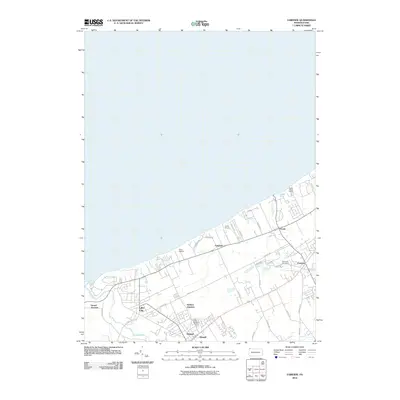 2010 Fairview2010 Print · USGSThe Erie County shoreline comes into focus during the early twenty-first century, showing the established communities of Fairview and Girard. Researchers can trace local genealogy and land use through landmarks like Saint Johns Cemetery and the lakeside grounds of Camp Sherwin.
 - 2013 Map of Fairview, 2013 Print
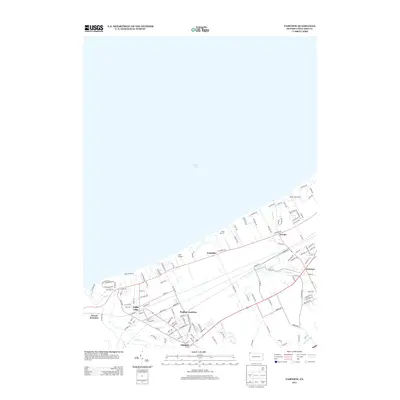 2013 Fairview2013 Print · USGSThe Lake Erie shoreline in Erie County was a hub of summer camps and rail junctions in the early twenty-first century. Genealogists and local historians can trace the streets of Lake City, Girard, and Fairview, or locate historic rail points like Wallace Junction.
 - 2016 Map of Fairview, 2016 Print
 2016 Fairview2016 Print · USGSThe Erie County shoreline in the mid-2010s shows a landscape defined by its rail junctions and lakeside communities. Genealogists and local historians can trace property locations along Camp Ground Rd or locate ancestral sites at Saint Johns Cem and Fairview.
 - 2019 Map of Fairview, 2019 Print
 2019 Fairview2019 Print · USGSThe Erie County shoreline comes into focus in the late 2010s, showing the established communities of the Pennsylvania lakefront. Genealogists can trace local burials at the Old Almshouse Cem or Fairview Cem and locate rail history at Wallace Junction.
 - 2023 Map of Fairview, 2023 Print
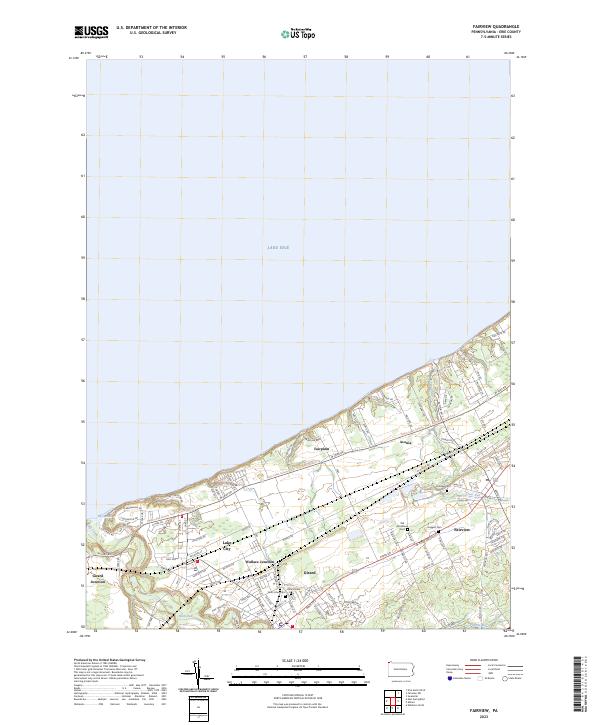 2023 Fairview2023 Print · USGSThe Lake Erie shoreline in the early twenty-first century reveals a dense network of rail junctions and residential growth. Trace family histories through local landmarks like Old Almshouse Cem, Wallace Junction, and the winding path of Elk Creek.
 - 2023 Map of Albion, 2023 Print
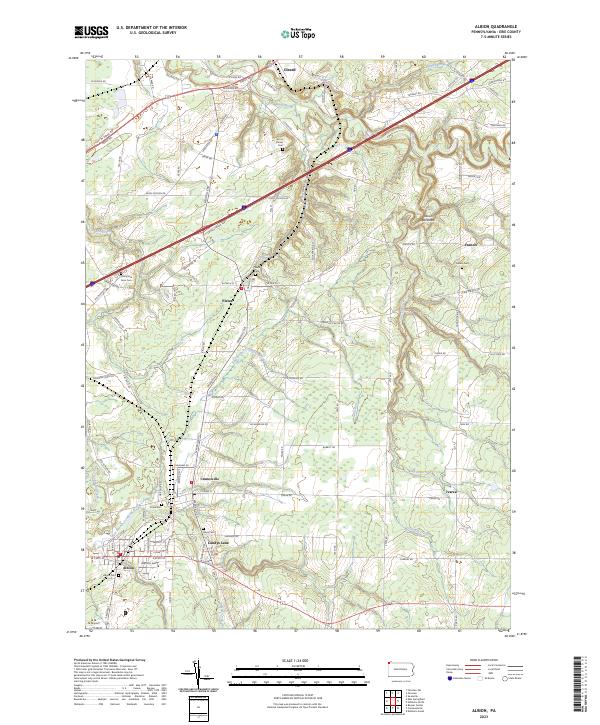 2023 Albion2023 Print · USGSCovers Girard, including Fairview Township, Albion, and other nearby areas
End of results
Showing maps 1-20 of 20
Frequently asked questions
- What are the different types of historical maps available for Girard?
- What is the oldest map of Girard?
- Where can I purchase historical maps of Girard for my home or office?
- Where can I download high-res historical maps of Girard?
- Are there historical topographic maps available for Girard?
- Is there historical aerial imagery available for Girard?
- Where are historical maps of Girard sourced from?