Old Maps of Wright Township, Pennsylvania
Explore 46 old maps of Wright Township, spanning from 1891 to today. These high-resolution historic maps reveal how streets, neighborhoods, landmarks, and natural features evolved over time — perfect for genealogy, metal detecting, research, and local history exploration.
What you can do with these maps:
- See how Wright Township changed over time: Compare historical maps to modern-day views to trace roads, homesites, rail lines & more.
- View detailed metadata: Each map includes creators, publishers, year, scale, and archive source.
- Overlay maps with satellite & LiDAR: Visualize the past alongside modern tools to explore terrain & human change.
- Trusted historical sources: Maps sourced from the USGS, Library of Congress, and other archives.
- Access maps your way: View online, download high-res files, or order prints for personal or research use.
Start exploring old maps of Wright Township to uncover forgotten places, hidden landmarks, and the deep history beneath your feet.
Wright Township, PA maps
(46)- 1891 Map of Wilkesbarre
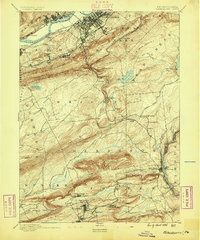 1891 Wilkesbarre1891 Print · USGSLuzerne County's industrial heartland is caught here at the height of the anthracite era, where the coal-and-rail economy dominated the Wyoming Valley. Genealogists and historians can trace the specific layouts of coal patches like Sugar Notch and Moffatt Patch or follow the path of the Lehigh Valley R. R. across the ridges.2 unique versions available
 - 1894 Map of Wilkesbarre
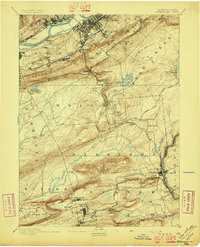 1894 Wilkesbarre1894 Print · USGSThe northern anthracite coal fields and rugged ridge-and-valley terrain of Luzerne County are captured here in the 1890s. Researchers can trace early railroad alignments through Sugar Notch or locate long-standing settlements like White Haven and Ashley.8 unique versions available
 - 1943 Map of Scranton
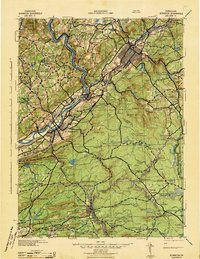 1943 Scranton1943 Print · USGSNortheastern Pennsylvania’s coal and rail corridor comes to life in the 1940s, showcasing the dense urban industrial centers of the Wyoming Valley. Genealogists can locate family landmarks like the Fayette School and Locust Ridge School or trace the early paths of the DL & W and Erie railroads.
 - 1947 Map of Wilkes-Barre West, 1958 Print
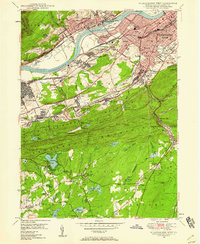 1947 Wilkes-Barre West1958 Print · USGSThe Wyoming Valley anthracite region thrives in the late 1940s, showing a landscape defined by massive coal operations and a dense rail network. Trace local family roots through sites like Shawnee Cem, Sugar Notch, and the neighborhood schools of Wilkes-Barre.6 unique versions available
 - 1947 Map of Wilkes-Barre East, 1959 Print
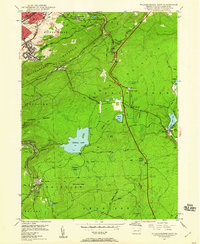 1947 Wilkes-Barre East1959 Print · USGSWilkes-Barre and the eastern ridges of the Wyoming Valley are shown in the post-war era as the anthracite coal industry shaped the landscape. Genealogists can trace family connections at Georgetown, Laurel Run, and Holy Trinity Cem, or locate landmarks like Ochre Mill and Oliver Sch.7 unique versions available
 - 1947 Map of White Haven, 1966 Print
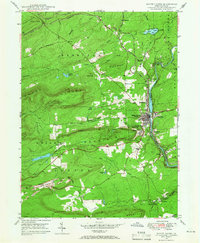 1947 White Haven1966 Print · USGSThe Lehigh River valley in the late 1940s is a landscape defined by industry and rail, where coal mining and transportation intersect. Genealogists can trace family roots through settlements like White Haven and Tannery, or locate local landmarks like Ripple Sch and St Patrick Cem.4 unique versions available
 - 1948 Map of Freeland, 1969 Print
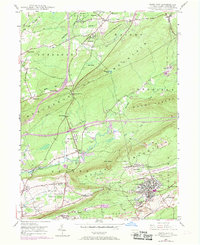 1948 Freeland1969 Print · USGSLuzerne County's anthracite region is captured here during a period of industrial change after the war. Local historians can trace the development of Freeland and Upper Lehigh alongside the rail networks of the Central RR of New Jersey and the Lehigh Valley RR.3 unique versions available
 - 1950 Map of Wilkes-Barre West
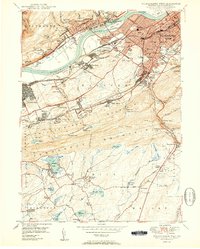 1950 Wilkes-Barre West1950 Print · USGSThe Susquehanna Valley thrives in this mid-century portrait of Pennsylvania's coal country. Genealogists and historians can trace the footprint of Wilkes-Barre alongside local landmarks like Shawnee Cem and the Pennsylvania RR.2 unique versions available
 - 1950 Map of Wilkes-Barre East
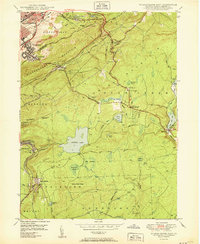 1950 Wilkes-Barre East1950 Print · USGSLuzerne County at the midpoint of the century shows a landscape defined by coal extraction, mountain railroading, and upland resorts. Genealogists and researchers can trace family landmarks like Oliver Mills, Llewellyn Corners, and the historic Holy Trinity Cem.2 unique versions available
 - 1950 Map of White Haven
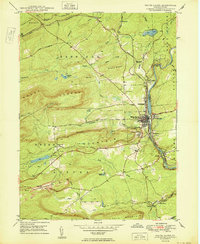 1950 White Haven1950 Print · USGSThe industrial Lehigh River corridor is captured here just after the war, showing the vital rail and mining networks of the day. Researchers can trace family sites at White Haven or Pond Creek, and locate features like the Ripple Sch and Jefferson Hospital.2 unique versions available
 - 1950 Map of Freeland
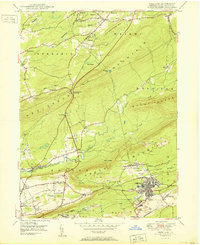 1950 Freeland1950 Print · USGSLuzerne County's anthracite country is documented here in the mid-century, showing the intensive mining operations and rail networks around the borough of Freeland. Researchers can trace the industrial landscape of Upper Lehigh or locate local landmarks like Honey Hole, Kis-Lyn, and St Ann Cem.2 unique versions available
 - 1950 Map of Scranton, 1952 Print
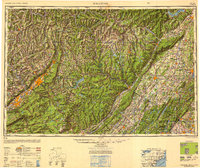 1950 Scranton1952 Print · USGSMid-century Northeast Pennsylvania and the Hudson Valley come alive in this survey of the tri-state region. Genealogists and historians can trace the dense rail networks of the Erie RR and DL&W RR between industrial hubs like Scranton and Wilkes-Barre.
 - 1953 Map of Scranton
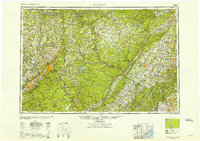 1953 Scranton1953 Print · USGSNortheastern Pennsylvania and the Catskills are shown in great detail during the early fifties, a time when rail lines and river valleys dictated the region's growth. Genealogists and historians can trace the industrial hearts of Scranton and Wilkes-Barre or locate remote landmarks like High Point and Lake Wallenpaupack.
 - 1959 Map of Scranton
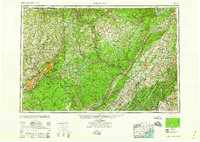 1959 Scranton1959 Print · USGSThe northern coalfields and the Hudson Valley meet in this mid-century survey of the Pennsylvania and New York borderlands. Genealogists and historians can trace the intricate rail networks of the Erie Railroad and the vast waters of Lake Wallenpaupack.2 unique versions available
 - 1962 Map of Scranton, 1977 Print
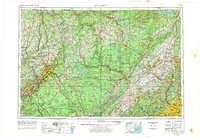 1962 Scranton1977 Print · USGSThe industrial heart of eastern Pennsylvania and the New York Catskills are captured here in the early sixties. Genealogists and historians can trace the dense valley settlements from Scranton to Wilkes-Barre and the rail lines of the Erie Lackawanna Railroad.2 unique versions available
 - 1965 Map of Scranton
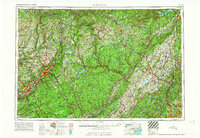 1965 Scranton1965 Print · USGSThe tri-state highlands of Pennsylvania, New York, and New Jersey come alive in the mid-sixties as industry and recreation converge. Trace the intricate rail lines of the Erie Lackawanna RR or locate landmarks like the U S Military Academy.2 unique versions available
 - 1976 Map of Wilkes-Barre East, 1979 Print
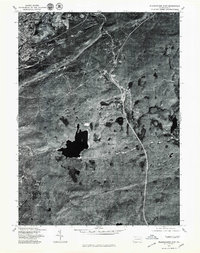 1976 Wilkes-Barre East1979 Print · USGSWilkes-Barre and the surrounding highlands are captured in this mid-seventies aerial survey as the city meets the mountain. Local historians can trace the development of Forest Park and Glen Summit against the terrain of Wyoming Mountain.
 - 1976 Map of Freeland, 1979 Print
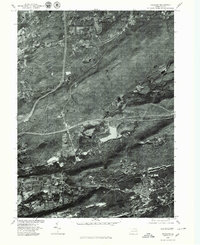 1976 Freeland1979 Print · USGSLuzerne County's ridges and valleys are shown in detail during the mid-seventies, highlighting the industrial-era settlement patterns of the anthracite region. Genealogists can trace the residential layouts of Freeland, Pardeesville, and Edgewood against the backdrop of Nescopeck Mountain.
 - 1976 Map of Wilkes-Barre West, 1979 Print
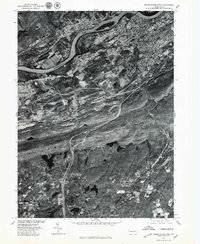 1976 Wilkes-Barre West1979 Print · USGSThe Wyoming Valley's industrial corridor comes into focus in the late 1970s, showing the dense riverside development of the coal region. Trace the layout of boroughs like Plymouth and Sugar Notch or the high ridges of Penobscot Mountain.
 - 1976 Map of White Haven, 1979 Print
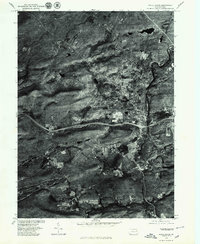 1976 White Haven1979 Print · USGSWhite Haven and the Lehigh River valley are captured in the mid-seventies via detailed aerial photography. You can trace the footprint of settlements like Middleburg and Pond Creek or study the wooded heights of Green Mountain.
 - 1986 Map of Scranton
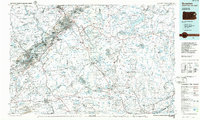 1986 Scranton1986 Print · USGSNortheastern Pennsylvania in the mid-eighties shows an era of transition between its deep-rooted mining history and modern transit growth. Researchers can trace the industrial footprint of a Strip Mine, locate the Tobyhanna Army Depot, or find family sites near St Marys Cem and Wilkes College.2 unique versions available
 - 1994 Map of Wilkes-Barre East, 1995 Print
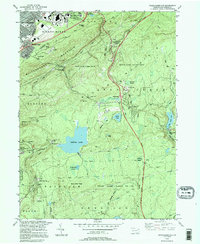 1994 Wilkes-Barre East1995 Print · USGSWilkes-Barre and its southern highlands are captured in the mid-nineties, showing the intersection of valley industry and mountain retreats. Genealogists and historians can trace family-named sites from Llewellyn Corners to the estates at Glen Summit and the historic Ochre Mill.
 - 1994 Map of White Haven, 1995 Print
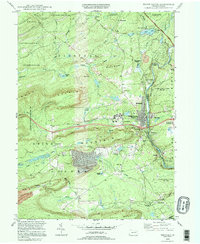 1994 White Haven1995 Print · USGSWhite Haven and the Lehigh Gorge appear in the mid-nineties as a landscape defined by rugged state parks and old industrial corridors. Genealogists and hikers can trace the paths of the old RR grade near Tannery, locate family plots at St Patrick Cem, and explore the lakeside development of Penn Lake Park.
 - 1997 Map of White Haven, 1998 Print
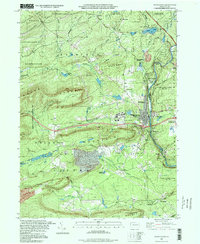 1997 White Haven1998 Print · USGSWhite Haven and the Lehigh Gorge are shown in the late 1990s as the region transitioned from industrial rail hub to a corridor of state parks. Genealogists and researchers can trace local landmarks like St Patrick Cem, the Mountainview Ch, and the operations at Scale Siding.
 - 1999 Map of Freeland, 2001 Print
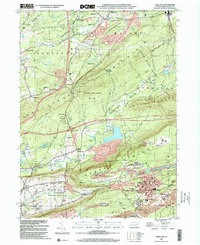 1999 Freeland2001 Print · USGSLuzerne County's coal and mountain country is documented here during the late 1990s as modern highways began to bypass older mining towns. Genealogists and local historians can trace family locations near Freeland and smaller communities like Pardeesville, Blytheburn, and Upper Lehigh.
Showing maps 1-25 of 46
Top cities near Wright Township
- Scranton historical maps
- Wilkes-Barre historical maps
- Hazleton historical maps
- Kingston historical maps
- Nanticoke historical maps
- Plains Township historical maps
See more
Top neighborhoods of Wright Township
- Wech Corners historical maps
- Albert historical maps
- Lindbergh historical maps
- Rippletown historical maps
- Rita historical maps
Frequently asked questions
- What are the different types of historical maps available for Wright Township?
- What is the oldest map of Wright Township?
- Where can I purchase historical maps of Wright Township for my home or office?
- Where can I download high-res historical maps of Wright Township?
- Are there historical topographic maps available for Wright Township?
- Is there historical aerial imagery available for Wright Township?
- Where are historical maps of Wright Township sourced from?