Old Maps of Quiggleville, Lycoming Township for Hiking & Exploration
Hike through history with 16 historic maps of Quiggleville. Explore old trails, ghost towns, and forgotten backroads — perfect for outdoor adventurers and local explorers.
- Rediscover forgotten places: Map out old mining camps, roads, and footpaths that no longer exist on modern maps.
- Layer with modern tools: Combine with LiDAR or satellite views to plan hikes through historical terrain.
- Made for exploration: Popular among hikers, overlanders, and local history lovers.
Use these maps to find adventure and explore the hidden past of Quiggleville.
Quiggleville, Lycoming Township maps
(16)- 1921 Map of Trout Run, 1957 Print
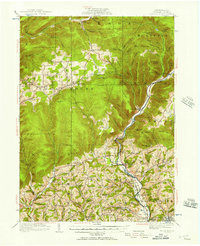 1921 Trout Run1957 Print · USGSThe Lycoming Creek valley in the 1920s served as a vital transit and industrial corridor north of Williamsport. Genealogists and local historians can trace family ties through dozens of named rural schools, including Beech Grove School and Chestnut Grove School, or locate early industry at Balls Mills.3 unique versions available
 - 1923 Map of Trout Run
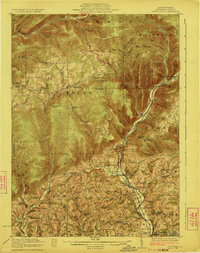 1923 Trout Run1923 Print · USGSLycoming County in the early 1920s shows a mountain landscape defined by small valley settlements and a dense network of country schools. You can trace family roots at Anthony Church or locate vanished industrial sites like the Nail Factory and Balls Mills.4 unique versions available
 - 1944 Map of Trout Run
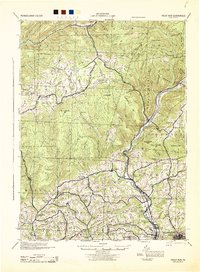 1944 Trout Run1944 Print · USGSLycoming County during the mid-forties reveals a landscape of high ridges and narrow creek valleys connected by the Pennsylvania RR. Genealogists and local historians can trace dozens of rural school sites like Steam Mill School or locate family landmarks such as Horner Hollow and the Salladasburg PO.
 - 1954 Map of Williamsport
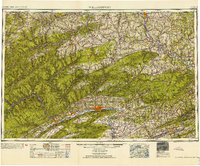 1954 Williamsport1954 Print · USGSNorth-central Pennsylvania in the mid-fifties is defined by the winding West Branch Susquehanna River and its industrial valley. Local historians can trace the massive Susquehanna Ordnance Depot and the extensive rail networks of the Pennsylvania Railroad.
 - 1960 Map of Williamsport
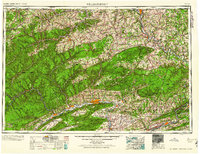 1960 Williamsport1960 Print · USGSNorth-central Pennsylvania in the mid-twentieth century was a vital corridor of rail and river industry stretching from the New York line to the coal regions. Genealogists can trace the rail networks of the Pennsylvania RR and Lehigh Valley RR connecting towns like Williamsport, Towanda, and Lock Haven.
 - 1962 Map of Williamsport, 1966 Print
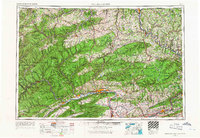 1962 Williamsport1966 Print · USGSNorth-central Pennsylvania was a landscape of industrial river hubs and vast state woodlands in the early sixties. Researchers can trace the path of the Pennsylvania Railroad through Williamsport and explore the remote reaches of Bucktail State Park.5 unique versions available
 - 1965 Map of Williamsport
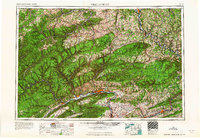 1965 Williamsport1965 Print · USGSNorth-central Pennsylvania in the mid-1960s is defined by the industrial river towns and vast timberlands of the Allegheny Plateau. Researchers can trace historic rail lines like the Erie Lackawanna and Reading as they thread through Williamsport, Lock Haven, and Jersey Shore.
 - 1965 Map of Cogan Station, 1967 Print
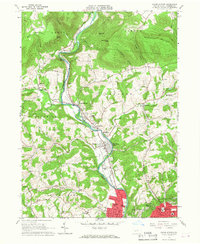 1965 Cogan Station1967 Print · USGSLycoming County enters a period of mid-century suburban expansion in the 1960s as the valley north of WILLIAMSPORT develops. Researchers can trace family sites at the Blooming Grove Meetinghouse, St Michaels Ch, and the sprawling Wildwood Cemetery.2 unique versions available
 - 1966 Map of Williamsport
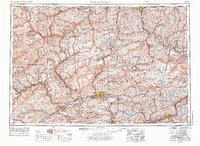 1966 Williamsport1966 Print · USGSThe Susquehanna Valley was a hub of transit and industry in the mid-seventies, where the river's West Branch connected major college towns and timberlands. Researchers can trace historical rail lines like the Reading or locate regional landmarks from Jersey Shore to Ricketts Glen State Park.
 - 1984 Map of Williamsport West, 1985 Print
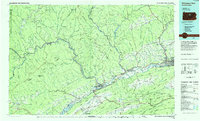 1984 Williamsport West1985 Print · USGSCentral Pennsylvania in the mid-eighties was a landscape of dense state forests and industrious river towns along the West Branch Susquehanna River. Trace the rail lines of Conrail through Renovo or locate the historic grounds of Lock Haven State College.2 unique versions available
 - 1994 Map of Cogan Station, 1999 Print
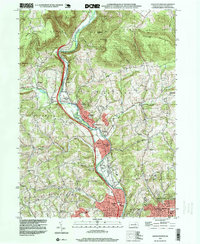 1994 Cogan Station1999 Print · USGSThe Lycoming Creek valley north of Williamsport comes into focus in the mid-1990s, showcasing a mix of mountain ridges and growing communities. Researchers can trace local history through features like Balls Mills, the Blooming Grove Meetinghouse, and St Michaels Ch.
 - 2010 Map of Cogan Station, 2010 Print
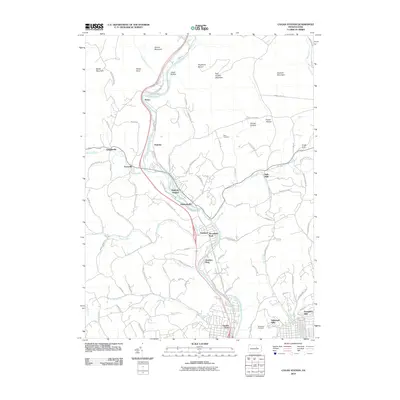 2010 Cogan Station2010 Print · USGSThe Lycoming Creek valley north of Williamsport comes into focus at the start of the 21st century, showing the expansion of northern suburbs. Trace old family lines and local landmarks at Stolz Cemetery, the historic hamlet of Balls Mills, and Knight Dam.
 - 2013 Map of Cogan Station, 2013 Print
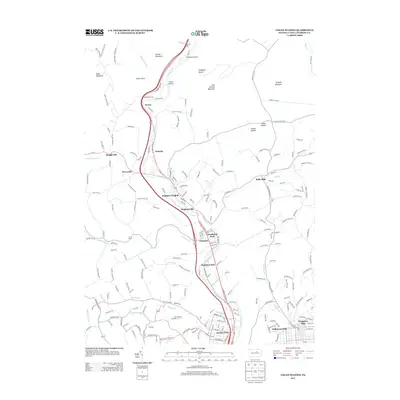 2013 Cogan Station2013 Print · USGSNorth of Williamsport in the early twenty-first century, this area shows a landscape of ridge-and-valley settlements and growing residential suburbs. Researchers can trace the development of historic hamlets like Balls Mills and Hepburnville or locate the site of Finkhaven Airport.
 - 2016 Map of Cogan Station, 2016 Print
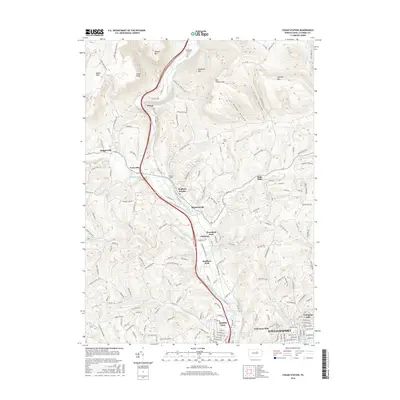 2016 Cogan Station2016 Print · USGSNorth of Williamsport in the mid-2010s, the Lycoming Creek corridor remains a vital link between the mountain ridges and the city. Genealogists and historians can trace family locations from Stolz Cem to the early industrial sites of Balls Mills and Cogan Station.
 - 2019 Map of Cogan Station, 2019 Print
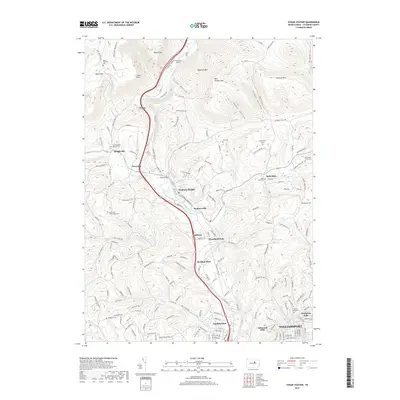 2019 Cogan Station2019 Print · USGSLycoming Creek valley is seen here in the late 2010s as it transitions from the steep mountains of central Pennsylvania into the Williamsport outskirts. Genealogists can locate several family burial sites including Stolz Cemetery, Brucklacher Cemetery, and the Old Grove Homestead Cemetery.
 - 2023 Map of Cogan Station, 2023 Print
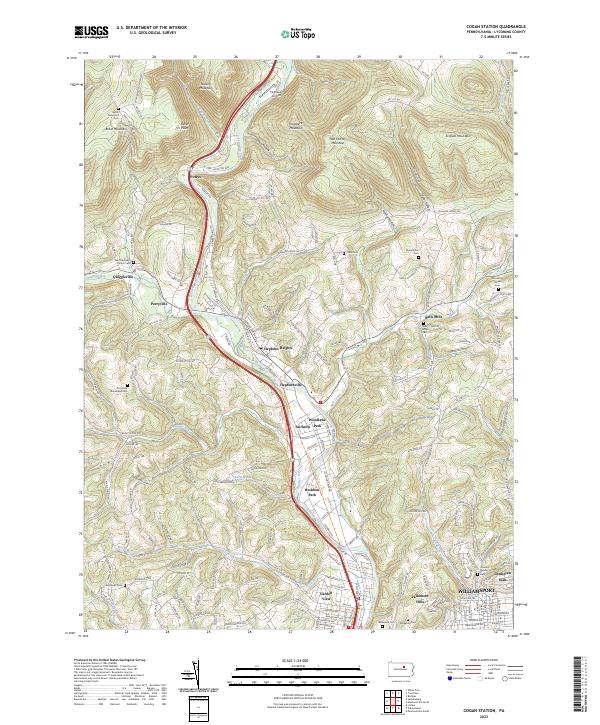 2023 Cogan Station2023 Print · USGSThe northern edge of Williamsport and the Lycoming Creek valley come into focus in this contemporary survey. Researchers can trace family history at Saint Michael's Church, Blooming Grove Cem, and the old mills at Balls Mills.
End of results
Showing maps 1-16 of 16
Top cities near Quiggleville
- Williamsport historical maps
- South Williamsport historical maps
- Montoursville historical maps
- Jersey Shore historical maps
- Kenmar historical maps
- Garden View historical maps
See more
Frequently asked questions
- What are the different types of historical maps available for Quiggleville?
- What is the oldest map of Quiggleville?
- Where can I purchase historical maps of Quiggleville for my home or office?
- Where can I download high-res historical maps of Quiggleville?
- Are there historical topographic maps available for Quiggleville?
- Is there historical aerial imagery available for Quiggleville?
- Where are historical maps of Quiggleville sourced from?