Old Maps of Fox Township, Pennsylvania for Academic Research
Study the evolution of Fox Township with 44 high-resolution historic maps. Whether you're teaching, researching, or modeling changes in land use, these maps provide essential visual documentation of urban, environmental, and geographic change.
- Analyze long-term change: Track patterns in development, transportation, and natural features.
- Ideal for environmental or urban studies: Support academic projects with primary historical map data.
- Use in the classroom or lab: Educators and researchers rely on these maps to bring historical context to life.
These maps are a powerful tool for teaching, research, and visualizing how Fox Township has changed over the decades.
Fox Township, PA maps
(44)- 1927 Map of Eagles Mere
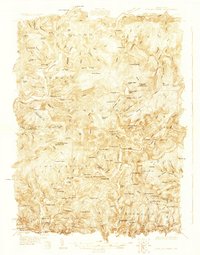 1927 Eagles Mere1927 Print · USGSSullivan and Lycoming Counties were a network of mountain resorts and valley hamlets in the late twenties. Researchers can trace the grounds of the Ogdonia Clubhouse, locate the Mawrglen Post Office, and find remote rural schools like Glidewell Sch.
 - 1930 Map of Warrensville
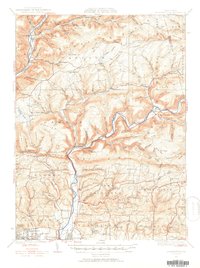 1930 Warrensville1930 Print · USGSLycoming County’s rugged valley and ridge landscape is captured here during the 1930s as small farming and timber communities thrived along the creek networks. Genealogists can trace family names at the County Farm or locate rural landmarks like Quaker Hill Sch, Fairfield Center, and the remote Coal Mine Hollow.3 unique versions available
 - 1932 Map of Eagle Mere
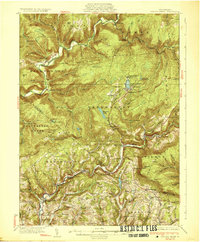 1932 Eagle Mere1932 Print · USGSSullivan County mountain life comes alive in this early 1930s survey of the resort at Eagles Mere. Genealogists can trace family footprints at Bunker Hill Sch, the Swank Cem, or along the Williamsport and North Branch railroad.4 unique versions available
 - 1934 Map of Warrensville
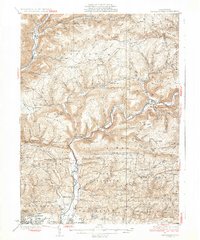 1934 Warrensville1934 Print · USGSLycoming County in the early thirties is a landscape of tight-knit valley settlements and steep ridges. Genealogists can trace family footprints across dozens of local landmarks like Wallis Run Ch, the Quaker Hill Sch, and the County Farm.3 unique versions available
 - 1942 Map of Canton, 1958 Print
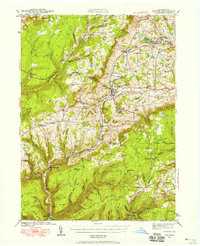 1942 Canton1958 Print · USGSCanton and the surrounding Bradford County highlands are shown here in the early 1940s as a landscape of small valley towns and mountain schools. Genealogists and historians can trace old homesteads and local landmarks like Minnequa, Cowley Sta, and Ward Sch.2 unique versions available
 - 1943 Map of Powell, 1955 Print
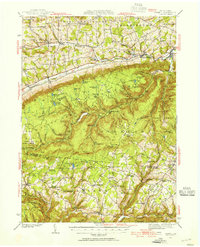 1943 Powell1955 Print · USGSIn the early 1940s, the mountainous terrain of Bradford and Sullivan counties supported remote settlements and forest industries along the Schrader Creek corridor. Genealogists and historians can locate legacy sites like the Friends Meeting House, the Sugar Ridge Ch, and the isolated Barclay Station.2 unique versions available
 - 1944 Map of Canton
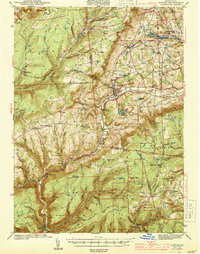 1944 Canton1944 Print · USGSNorth-central Pennsylvania’s rugged creek valleys and rail corridors are captured here just as the mountain economies were shifting in the early 1940s. Genealogists can trace family footprints at Spencertown and Dogtown, or locate rural landmarks like the Joe Hill Sch and Maple Summit Ch.3 unique versions available
 - 1945 Map of Powell
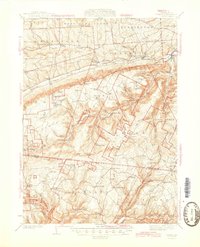 1945 Powell1945 Print · USGSBradford and Sullivan Counties at the end of the Second World War show a landscape of deep valleys and highland settlements. Researchers can locate local landmarks like the Friends Meeting House, the East Sch (abandoned), and old rail stops at Barclay Station.3 unique versions available
 - 1953 Map of Warrensville, 1956 Print
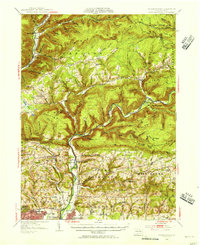 1953 Warrensville1956 Print · USGSThe mountains and valleys of Lycoming County are shown in detail during the early fifties, from the railroad corridor at Bodines to the farms of Montoursville. Genealogists can locate family-named landmarks like Quaker Hill, the Church of the Assumption, and small hamlets such as Barbours or Hoppestown.2 unique versions available
 - 1953 Map of Eagles Mere, 1956 Print
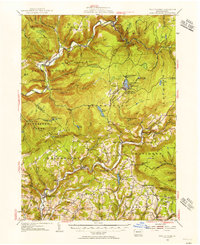 1953 Eagles Mere1956 Print · USGSThe Sullivan County highlands appear in the early 1950s as a landscape of mountain retreats and valley hamlets. Researchers can trace rural landmarks from Picture Rocks to Eagles Mere Park, including Rock Run Ch and the Mawrglen PO.3 unique versions available
 - 1954 Map of Williamsport
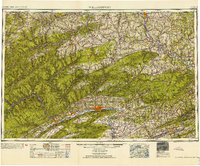 1954 Williamsport1954 Print · USGSNorth-central Pennsylvania in the mid-fifties is defined by the winding West Branch Susquehanna River and its industrial valley. Local historians can trace the massive Susquehanna Ordnance Depot and the extensive rail networks of the Pennsylvania Railroad.
 - 1960 Map of Williamsport
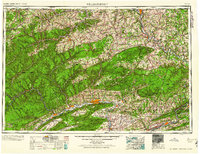 1960 Williamsport1960 Print · USGSNorth-central Pennsylvania in the mid-twentieth century was a vital corridor of rail and river industry stretching from the New York line to the coal regions. Genealogists can trace the rail networks of the Pennsylvania RR and Lehigh Valley RR connecting towns like Williamsport, Towanda, and Lock Haven.
 - 1962 Map of Williamsport, 1966 Print
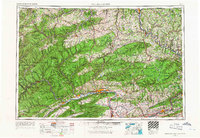 1962 Williamsport1966 Print · USGSNorth-central Pennsylvania was a landscape of industrial river hubs and vast state woodlands in the early sixties. Researchers can trace the path of the Pennsylvania Railroad through Williamsport and explore the remote reaches of Bucktail State Park.5 unique versions available
 - 1965 Map of Williamsport
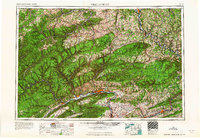 1965 Williamsport1965 Print · USGSNorth-central Pennsylvania in the mid-1960s is defined by the industrial river towns and vast timberlands of the Allegheny Plateau. Researchers can trace historic rail lines like the Erie Lackawanna and Reading as they thread through Williamsport, Lock Haven, and Jersey Shore.
 - 1965 Map of Barbours, 1967 Print
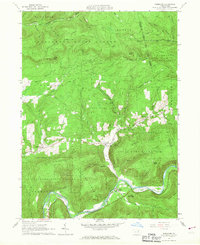 1965 Barbours1967 Print · USGSLycoming County’s high ridges and creek valleys are documented here during the mid-sixties, as reforestation shaped the landscape. Genealogists and hikers can trace the roads around Barbours, find the Jefferson Sch, or locate the Lookout Tower on McIntyre Ridge.2 unique versions available
 - 1966 Map of Williamsport
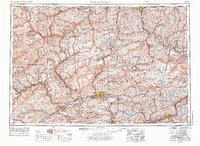 1966 Williamsport1966 Print · USGSThe Susquehanna Valley was a hub of transit and industry in the mid-seventies, where the river's West Branch connected major college towns and timberlands. Researchers can trace historical rail lines like the Reading or locate regional landmarks from Jersey Shore to Ricketts Glen State Park.
 - 1969 Map of Grover, 1972 Print
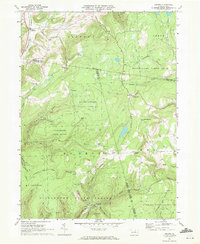 1969 Grover1972 Print · USGSLycoming and Bradford counties are captured in the late sixties, showing a landscape shaped by narrow valleys and deep forests. Trace the Penn Central rail line through Grover or locate the remote mountain settlements of Masten, Ellenton, and Wheelerville.
 - 1970 Map of Shunk, 1973 Print
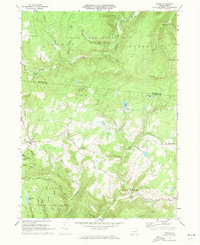 1970 Shunk1973 Print · USGSSullivan and Bradford Counties are shown here during the early 1970s, a period of quiet rural life and expanding state forest conservation. Researchers can locate remote settlements like Shunk and Minerville, or find family landmarks such as the Elkland Meetinghouse and Camp Brule.3 unique versions available
 - 1970 Map of Hillsgrove, 1973 Print
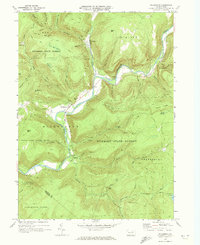 1970 Hillsgrove1973 Print · USGSSullivan County’s high plateau country is captured here in the early seventies, showing the traditional mountain settlements and vast conservation lands. Researchers can trace historic crossings and landmarks like the Covered Bridge, Angel Falls, and the old forest hamlet of Ogdonia.
 - 1981 Map of Towanda, 1982 Print
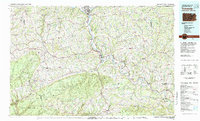 1981 Towanda1982 Print · USGSThe Susquehanna Valley at the turn of the 1980s reveals a region of mountain forests and busy river towns along the New York border. Researchers can trace the legacy of the CONRAIL lines through Sayre or locate remote landmarks like Armenia Mountain and Mt Pisgah State Park.
 - 1984 Map of Williamsport East, 1985 Print
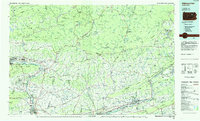 1984 Williamsport East1985 Print · USGSThe Susquehanna River valley and Allegheny highlands come together in this mid-eighties survey of central Pennsylvania. Trace family roots at Muncy Cem or locate institutional landmarks like Lycoming College and the State Correctional Institution at Retreat.2 unique versions available
 - 1995 Map of Hillsgrove, 1998 Print
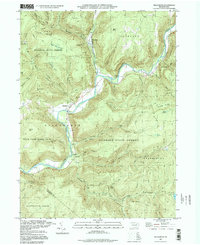 1995 Hillsgrove1998 Print · USGSThe Sullivan County Highlands come alive in the 1990s as a land of deep valleys and forest reserves. Local historians can trace family landmarks and mountain terrain from Hillsgrove to Hunters Lake, including the Covered Bridge and Angel Falls.
 - 1995 Map of Barbours, 1999 Print
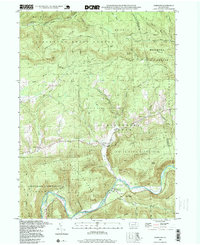 1995 Barbours1999 Print · USGSThe deep valleys of the Loyalsock Creek watershed are captured here during the mid-nineties, showing a landscape of state forests and small villages. Genealogists and hikers can trace the roads to Proctor, the Coal Mine in the hills, and the Jefferson Sch.
 - 1995 Map of Shunk, 1999 Print
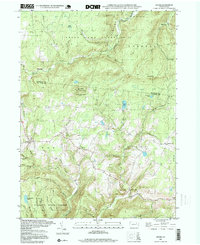 1995 Shunk1999 Print · USGSSullivan and Bradford counties meet in this 1990s survey of the high plateau and valley settlements. Researchers can trace rural lineages through local landmarks like the Elkland Meetinghouse, Lincoln Falls, and the Cem near Piatt.
 - 2010 Map of Shunk, 2010 Print
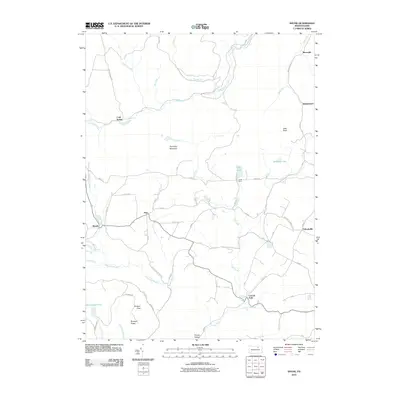 2010 Shunk2010 Print · USGSSullivan and Bradford County borders met in this rural landscape at the start of the 21st century. Genealogists and local historians can trace the small communities of Shunk, Lincoln Falls, and Minerville alongside landmarks like Buttermilk Falls.
Showing maps 1-25 of 44
Top cities near Fox Township
- Canton historical maps
- West Burlington Township historical maps
- Leroy Township historical maps
- Hillsgrove Township historical maps
- Overton Township historical maps
- Alba historical maps
See more
Top neighborhoods of Fox Township
- Maple Summit historical maps
- Wheelerville historical maps
- Piatt historical maps
- Shunk historical maps
- Wissingers historical maps
Frequently asked questions
- What are the different types of historical maps available for Fox Township?
- What is the oldest map of Fox Township?
- Where can I purchase historical maps of Fox Township for my home or office?
- Where can I download high-res historical maps of Fox Township?
- Are there historical topographic maps available for Fox Township?
- Is there historical aerial imagery available for Fox Township?
- Where are historical maps of Fox Township sourced from?