Old Maps of Palmyra Township, Pennsylvania for Academic Research
Study the evolution of Palmyra Township with 37 high-resolution historic maps. Whether you're teaching, researching, or modeling changes in land use, these maps provide essential visual documentation of urban, environmental, and geographic change.
- Analyze long-term change: Track patterns in development, transportation, and natural features.
- Ideal for environmental or urban studies: Support academic projects with primary historical map data.
- Use in the classroom or lab: Educators and researchers rely on these maps to bring historical context to life.
These maps are a powerful tool for teaching, research, and visualizing how Palmyra Township has changed over the decades.
Palmyra Township, PA maps
(37)- 1920 Map of Damascus, 1956 Print
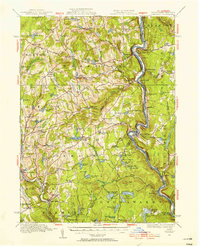 1920 Damascus1956 Print · USGSThe Upper Delaware River valley at the start of the 1920s shows a landscape of river-fronting hamlets and upland dairy farms. Genealogists can locate numerous rural schoolhouses and churches, such as Kester School, Smith Hill Church, and the Oil Pumping Station at Cochecton.2 unique versions available
 - 1923 Map of Damascus
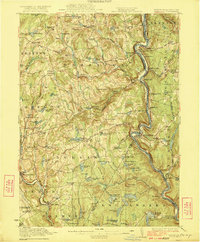 1923 Damascus1923 Print · USGSThe Delaware River valley thrived as a corridor for rail and industry in the early twenties. Genealogists and historians can trace family-named landmarks like Stanton Corner or locate vanished infrastructure like the Oil Pumping Station and Nobody Station School.5 unique versions available
 - 1935 Map of Hawley, 1955 Print
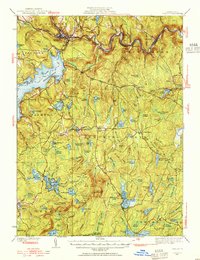 1935 Hawley1955 Print · USGSThe Pocono Mountains and the massive shoreline of Lake Wallenpaupack dominate this mid-century survey of northeastern Pennsylvania. Local historians can trace the Erie rail line through Hawley and Rowland or locate the High Knob Fire Tower and rural Blooming Grove School.2 unique versions available
 - 1938 Map of Hawley
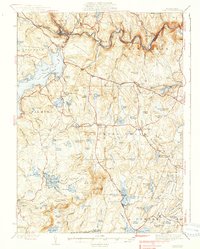 1938 Hawley1938 Print · USGSThe Pocono Mountains and the southern reaches of the Lackawaxen River appear here in the late thirties. Genealogists and local historians can trace the rural communities of Blooming Grove and Greeley or locate the Paupack Ch and numerous family-named swamps.3 unique versions available
 - 1943 Map of Honesdale
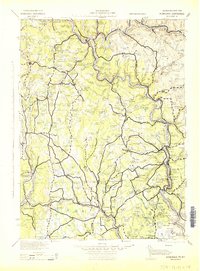 1943 Honesdale1943 Print · USGSThe northern Poconos and the Upper Delaware River valley appear here during the early war years, showing a network of mountain hamlets and riverfront rail towns. Genealogists can trace family roots through numerous remote institutions like Kingsbury Hill Church, Peakville P O, and the Hiawatha School.
 - 1944 Map of Damascus
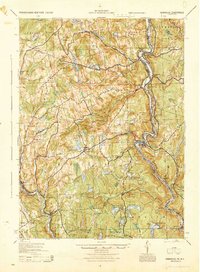 1944 Damascus1944 Print · USGSUpper Delaware River communities in Wayne and Pike Counties appear here during the mid-forties, caught between the river's bends and the rising hills. Researchers can locate numerous rural schoolhouses and industrial sites, from the Oil Pumping Station to Skinners Falls and White Mills.
 - 1950 Map of Scranton, 1952 Print
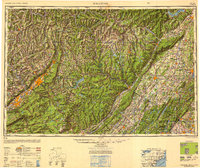 1950 Scranton1952 Print · USGSMid-century Northeast Pennsylvania and the Hudson Valley come alive in this survey of the tri-state region. Genealogists and historians can trace the dense rail networks of the Erie RR and DL&W RR between industrial hubs like Scranton and Wilkes-Barre.
 - 1953 Map of Scranton
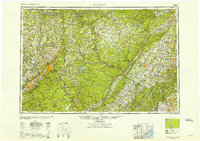 1953 Scranton1953 Print · USGSNortheastern Pennsylvania and the Catskills are shown in great detail during the early fifties, a time when rail lines and river valleys dictated the region's growth. Genealogists and historians can trace the industrial hearts of Scranton and Wilkes-Barre or locate remote landmarks like High Point and Lake Wallenpaupack.
 - 1959 Map of Scranton
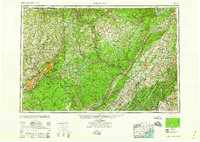 1959 Scranton1959 Print · USGSThe northern coalfields and the Hudson Valley meet in this mid-century survey of the Pennsylvania and New York borderlands. Genealogists and historians can trace the intricate rail networks of the Erie Railroad and the vast waters of Lake Wallenpaupack.2 unique versions available
 - 1959 Map of Pocono
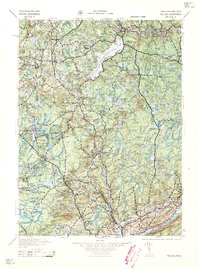 1959 Pocono1959 Print · USGSThe Pocono Mountains region is captured here in the late fifties, showcasing its evolution from a railway-dependent timber and ice landscape to a premier resort destination. Researchers can locate dozens of country schoolhouses like Maplewood Sch and trace the paths of the Erie RR through Hawley and Kimbles.
 - 1962 Map of Scranton, 1977 Print
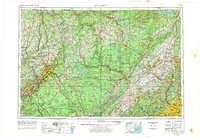 1962 Scranton1977 Print · USGSThe industrial heart of eastern Pennsylvania and the New York Catskills are captured here in the early sixties. Genealogists and historians can trace the dense valley settlements from Scranton to Wilkes-Barre and the rail lines of the Erie Lackawanna Railroad.2 unique versions available
 - 1965 Map of Scranton
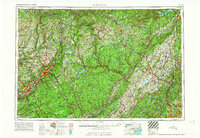 1965 Scranton1965 Print · USGSThe tri-state highlands of Pennsylvania, New York, and New Jersey come alive in the mid-sixties as industry and recreation converge. Trace the intricate rail lines of the Erie Lackawanna RR or locate landmarks like the U S Military Academy.2 unique versions available
 - 1966 Map of Hawley, 1967 Print
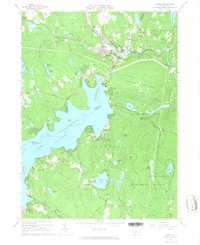 1966 Hawley1967 Print · USGSIn the mid-1960s, the recreation-heavy landscape of the Wayne and Pike county border was defined by the massive Lake Wallenpaupack. Genealogists and historians can trace local ties through the Paupack Cem, small rural settlements like Tafton, and the Erie-Lackawanna rail corridor.3 unique versions available
 - 1967 Map of White Mills, 1970 Print
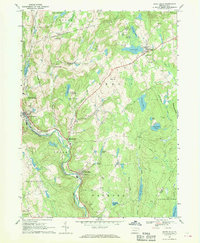 1967 White Mills1970 Print · USGSWayne County in the late 1960s shows a landscape of river-valley industry and upland summer camps. Researchers can trace the Erie Lackawanna rail line through White Mills or locate local landmarks like the Drive-in Theater and St Josephs Ch.4 unique versions available
 - 1968 Map of Narrowsburg, 1969 Print
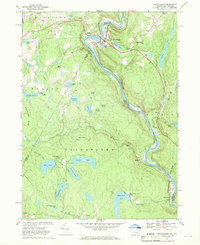 1968 Narrowsburg1969 Print · USGSThe upper Delaware River valley comes alive in the late sixties as the river winds past Narrowsburg and the Erie-Lackawanna railroad. Trace family roots at Glen Cove Cem or explore the shores of Teedyuskung Lake and Welcome Lake.3 unique versions available
 - 1986 Map of Scranton
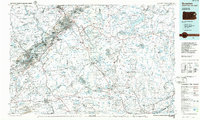 1986 Scranton1986 Print · USGSNortheastern Pennsylvania in the mid-eighties shows an era of transition between its deep-rooted mining history and modern transit growth. Researchers can trace the industrial footprint of a Strip Mine, locate the Tobyhanna Army Depot, or find family sites near St Marys Cem and Wilkes College.2 unique versions available
 - 1986 Map of Honesdale
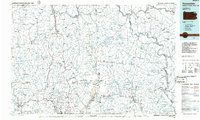 1986 Honesdale1986 Print · USGSNortheastern Pennsylvania and the New York borderlands appear here in the mid-1980s, during a period of transition for the region's industrial river valleys. Genealogists can trace family connections across the Moosic Mountains between the coal towns of Carbondale and the canal-era heritage of Honesdale.2 unique versions available
 - 1994 Map of Hawley, 1995 Print
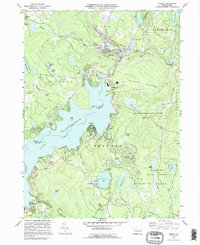 1994 Hawley1995 Print · USGSThe Lake Wallenpaupack region is shown here in the mid-nineties as the community grew around the water's edge and the Lackawaxen River. Genealogists and local historians can trace family sites at Paupack Cem, Pine Grove Cem, and the old settlement of Wilsonville.
 - 1994 Map of Narrowsburg, 1995 Print
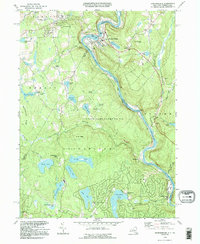 1994 Narrowsburg1995 Print · USGSThe Delaware River valley and its surrounding lake-strewn uplands are captured in the mid-1990s, highlighting the border communities between Pennsylvania and New York. Genealogists and local historians can trace family-named sites like Lava Cem, the St Francis Ch, and old river stops at Tusten Station.
 - 1997 Map of Narrowsburg, 1999 Print
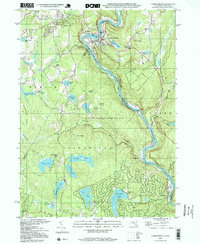 1997 Narrowsburg1999 Print · USGSThe Delaware River valley at the turn of the millennium shows a landscape shaped by the rail and river. You can trace the Erie tracks past Narrowsburg or locate the Lava Cem and St Francis Ch near the New York border.2 unique versions available
 - 1997 Map of Hawley, 2000 Print
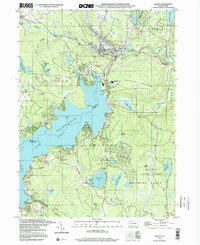 1997 Hawley2000 Print · USGSLake Wallenpaupack and the surrounding Poconos plateau are shown here as they appeared in the 1990s. Researchers can locate local landmarks like the Paupack Cem, Mt Bay Airstrip, and the Wallenpaupack Area High Sch.
 - 1999 Map of White Mills, 2001 Print
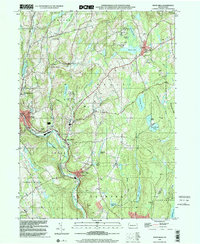 1999 White Mills2001 Print · USGSWayne County’s river valleys and lake districts are captured here at the close of the twentieth century. Genealogists and local historians can trace small-town life through landmarks like White Mills, the Vine Hill Cem, and St Josephs Ch.
 - 2010 Map of Hawley, 2010 Print
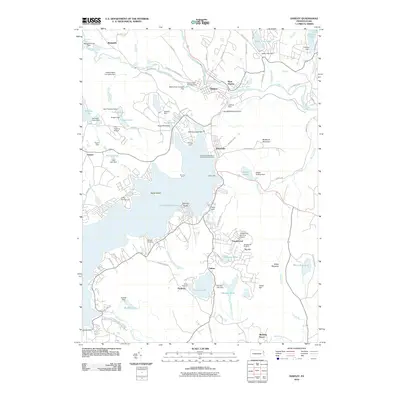 2010 Hawley2010 Print · USGSThe northern reaches of Lake Wallenpaupack and the borough of Hawley are shown here during a period of established recreation and managed waterways. Researchers can trace local landmarks like Paupack Cemetery, the Tanglewood Ski Area, and the specialized infrastructure of the Hawley Water Company Dam.
 - 2010 Map of White Mills, 2010 Print
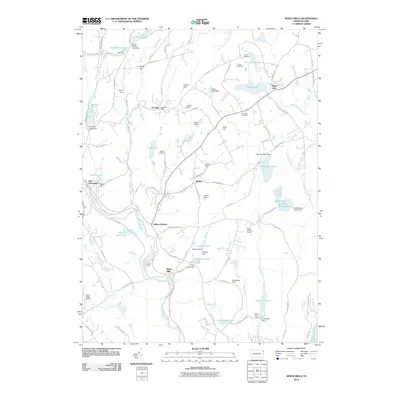 2010 White Mills2010 Print · USGSThe Lackawaxen River valley in the early 2000s shows a landscape where industrial roots meet modern recreation. Local historians can trace established settlements like White Mills and Beach Lake alongside landmarks such as Vine Hill Cemetery and Cherry Ridge Airport.
 - 2010 Map of Narrowsburg, 2010 Print
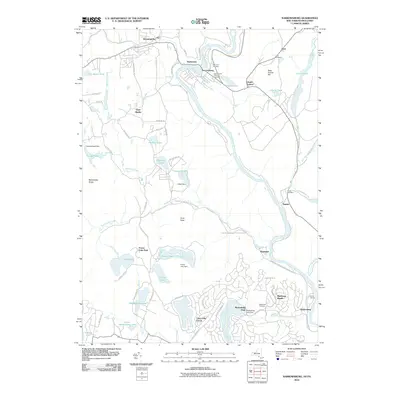 2010 Narrowsburg2010 Print · USGSUpper Delaware River valley life is captured here in the early twenty-first century, showing the meeting of historic river towns and modern retreats. Researchers can locate family sites at Lava Cemetery or trace the old Old Cochecton Tpke near Tusten.
Showing maps 1-25 of 37
Top cities near Palmyra Township
- Lackawaxen Township historical maps
- Honesdale historical maps
- Blooming Grove Township historical maps
- Damascus Township historical maps
- Shohola Township historical maps
- Delaware historical maps
See more
Frequently asked questions
- What are the different types of historical maps available for Palmyra Township?
- What is the oldest map of Palmyra Township?
- Where can I purchase historical maps of Palmyra Township for my home or office?
- Where can I download high-res historical maps of Palmyra Township?
- Are there historical topographic maps available for Palmyra Township?
- Is there historical aerial imagery available for Palmyra Township?
- Where are historical maps of Palmyra Township sourced from?