Old Maps of Campbell County, South Dakota
Explore 159 old maps of Campbell County, spanning from 1953 to today. These high-resolution historic maps reveal how streets, neighborhoods, landmarks, and natural features evolved over time — perfect for genealogy, metal detecting, research, and local history exploration.
What you can do with these maps:
- See how Campbell County changed over time: Compare historical maps to modern-day views to trace roads, homesites, rail lines & more.
- View detailed metadata: Each map includes creators, publishers, year, scale, and archive source.
- Overlay maps with satellite & LiDAR: Visualize the past alongside modern tools to explore terrain & human change.
- Trusted historical sources: Maps sourced from the USGS, Library of Congress, and other archives.
- Access maps your way: View online, download high-res files, or order prints for personal or research use.
Start exploring old maps of Campbell County to uncover forgotten places, hidden landmarks, and the deep history beneath your feet.
Campbell County, SD maps
(159)- 1953 Map of McIntosh, 1965 Print
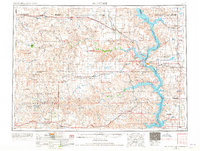 1953 McIntosh1965 Print · USGSThe north-central Dakota prairie is captured here during the mid-fifties, showing the vast Standing Rock Indian Reservation and the newly formed Oah E Reservoir. Genealogists and historians can trace the Chicago Milwaukee St Paul and Pacific rail line through stops like McIntosh, Walker, and Eagle Butte.3 unique versions available
 - 1954 Map of Aberdeen, 1964 Print
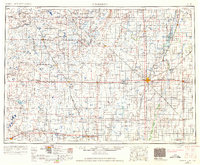 1954 Aberdeen1964 Print · USGSNortheastern South Dakota in the mid-fifties remains a world of rail-dependent prairie towns and sweeping waterfowl refuges. Genealogists can trace family roots through settlements like Eureka and Ipswich or locate rural landmarks near Richmond Lake.2 unique versions available
 - 1956 Map of Aberdeen
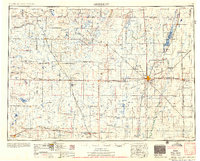 1956 Aberdeen1956 Print · USGSUpper South Dakota during the mid-fifties remains a landscape of rail-connected farming towns and expansive glacial lake basins. Genealogists and historians can trace the paths of the Minneapolis and St Louis railroad through Gettysburg or locate vanished stops near Elm Lake and Richmond Lake.
 - 1958 Map of McIntosh
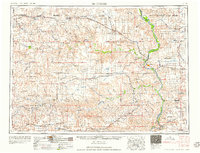 1958 McIntosh1958 Print · USGSThe north-central Dakotas appear here in the mid-1950s as massive engineering projects and rail lines shaped the plains. Researchers can trace tribal lands within the Standing Rock Indian Reservation and locate local landmarks like the Keller Mine or the Virginia Siding.
 - 1965 Map of Herreid NW, 1966 Print
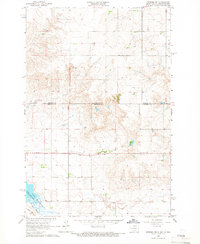 1965 Herreid NW1966 Print · USGSThe borderlands of North and South Dakota meet the rising waters of the Missouri River basin in the mid-sixties. Genealogists and local historians can locate the Spring Creek Cem and trace the original path of Spring Creek before it enters Oahe Reservoir.
 - 1965 Map of Herreid SW, 1966 Print
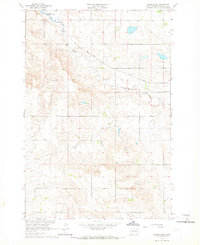 1965 Herreid SW1966 Print · USGSCampbell County land and water patterns are captured here in the mid-sixties as the prairie landscape met the rising waters of the Missouri. Local historians can trace the path of the Soo Line railroad as it parallels Spring Creek toward the Oahe Reservoir.
 - 1965 Map of Herreid NE, 1966 Print
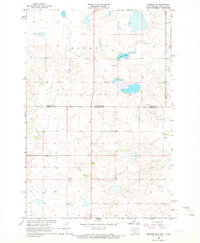 1965 Herreid NE1966 Print · USGSThe northern edge of the South Dakota prairie meets the North Dakota border in the mid-1960s. Genealogists and local historians can locate a rural Cem and trace the shores of Nieuwsma Lake along the Emmons and Campbell county line.
 - 1965 Map of Herreid, 1966 Print
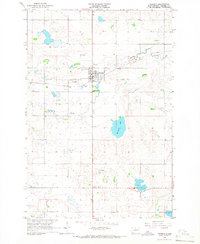 1965 Herreid1966 Print · USGSThe agricultural plains of Campbell County come into focus in the mid-1960s as Herreid thrives along the SOO LINE railroad. Researchers can trace the layout of the town and find rural landmarks like Fairview Cem and the Lake Side Sch.
 - 1965 Map of Pollock SE, 1967 Print
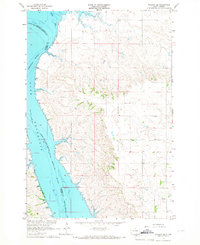 1965 Pollock SE1967 Print · USGSThe Missouri River and Oahe Reservoir dominate the landscape of Campbell County in the mid-1960s. Researchers can trace the Standing Rock Indian Reservation Boundary across the water or locate family history at Gale Cem and Kvarness Cem.2 unique versions available
 - 1965 Map of Pollock, 1967 Print
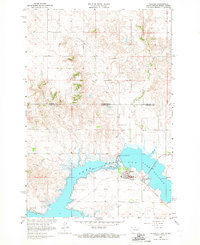 1965 Pollock1967 Print · USGSPollock was a town transformed by the mid-1960s as it adjusted to its new position between Oahe Reservoir and Pocasse Lake. Genealogists and researchers can trace the Soo Line rail route or locate rural burial grounds like Spring Valley Cem.
 - 1966 Map of Mahto NE, 1967 Print
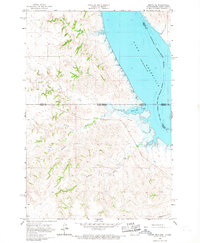 1966 Mahto NE1967 Print · USGSThe Missouri River borderlands in the mid-1960s reveal a landscape shaped by the rising Oahe Reservoir. Genealogists and historians can trace the Standing Rock Indian Reservation Boundary and drainage at Fireheart Creek and Blackfoot Creek.2 unique versions available
 - 1966 Map of Kenel, 1967 Print
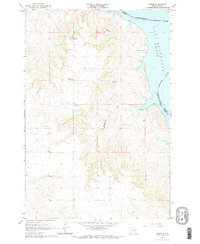 1966 Kenel1967 Print · USGSThe Missouri River breaks along the eastern edge of the Standing Rock Indian Reservation during the mid-1960s. Genealogists and historians can trace the local community at Kenel through landmarks like St Benedict Ch and the Kenel Sch.2 unique versions available
 - 1966 Map of Pollock NW, 1967 Print
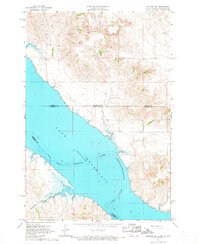 1966 Pollock NW1967 Print · USGSThe Missouri River valley undergoes a massive transition in the mid-1960s as the Oahe Reservoir fills the landscape. Researchers can trace the submerged riverbanks and the Standing Rock Indian Reservation Boundary alongside landmarks like Dale Cem.
 - 1967 Map of Glenham, 1968 Print
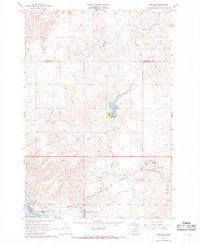 1967 Glenham1968 Print · USGSWalworth County in the late sixties reveals a landscape transformed by the Missouri River's damming and the steady pulse of the rail line. Genealogists and researchers can trace the rural Habenberg Sch, the rail siding at Ridgeland, and the shoreline of the Oahe Reservoir.
 - 1967 Map of Mound City, 1969 Print
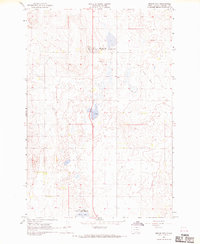 1967 Mound City1969 Print · USGSCampbell County comes into focus in the late sixties as a landscape of prairie agriculture and conservation. Family historians and researchers can locate the Mound City Cem, trace the Old Railroad Grade, and explore the Sand Lake State Game Refuge.
 - 1967 Map of Selby SW, 1969 Print
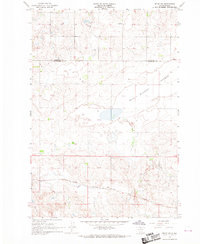 1967 Selby SW1969 Print · USGSWalworth County and Campbell County are captured here in the late sixties as a landscape of rail-served prairie settlements and isolated schoolhouses. Researchers can trace the path of the Chicago Milwaukee St Paul and Pacific through Sitka or locate the Lund Sch and Lindbergh Sch.
 - 1967 Map of Selby, 1969 Print
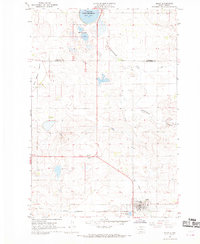 1967 Selby1969 Print · USGSWalworth and Campbell Counties show their agricultural and rail roots in the late sixties. Genealogists and local historians can trace the foundations of the community through sites like Bethany Cemetery, Monroe School, and the Selby rail corridor.
 - 1967 Map of Mobridge NE, 1969 Print
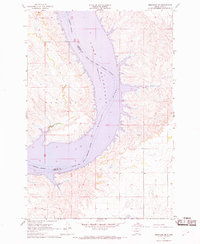 1967 Mobridge NE1969 Print · USGSThe Missouri River valley undergoes a massive transformation in the late sixties as the reservoir fills the canyon between Campbell and Corson Counties. Trace the historical Standing Rock Indian Reservation Boundary and the upland terrain of Wakpala above the Oahe Reservoir.2 unique versions available
 - 1967 Map of Mobridge NW, 1969 Print
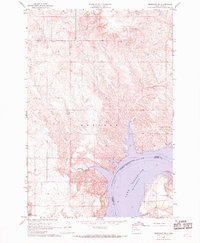 1967 Mobridge NW1969 Print · USGSThe Missouri River breaks in the late sixties reveal a landscape transformed by the Oahe Reservoir along the Standing Rock Indian Reservation Boundary. Trace the shoreline to find the Leavenworth Monument, Fisher Creek, and the upland terrain of Wakpala.
 - 1967 Map of Mobridge, 1969 Print
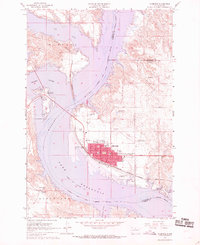 1967 Mobridge1969 Print · USGSMobridge and the Missouri River corridor are captured here during the late sixties as the reservoir transformed the regional landscape. Researchers can locate Sitting Bulls Grave, trace the Chicago Milwaukee St Paul and Pacific rail line, and find local landmarks like Greenwood Cem or Beadle Sch.2 unique versions available
 - 1967 Map of Selby NW, 1969 Print
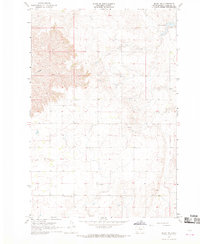 1967 Selby NW1969 Print · USGSCampbell County’s rural prairie landscape is captured here in the late sixties, showing the vital network of country schools and churches. Genealogists can locate family sites at the German Congregational Cem and Norway Ch, or trace the course of Locke Creek.
 - 1978 Map of Greenway, 1979 Print
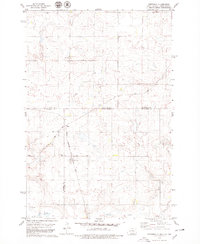 1978 Greenway1979 Print · USGSThe high plains of the Dakotas appear in the late 1970s as a landscape of isolated farmsteads and quiet rail sidings. Genealogists and historians can trace the paths of the CHICAGO MILWAUKEE ST PAUL AND PACIFIC railroad and the small settlement of Madra.
 - 1978 Map of Salt Lake, 1979 Print
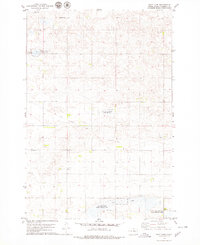 1978 Salt Lake1979 Print · USGSCampbell County’s prairie landscape is captured here in the late seventies, showing a region defined by conservation and agriculture. Researchers can trace several family-named burial sites like Knodenfeldt Cem and the path of the Old Railroad Grade.
 - 1978 Map of Bowdle-Hosmer Lake, 1979 Print
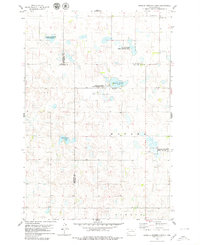 1978 Bowdle-Hosmer Lake1979 Print · USGSThe prairie wetlands of North Central South Dakota are documented here in the late seventies, showing a landscape of scattered lakes and rural cemeteries. Family historians can locate St Joseph Cem and St Johns Cem among the conservation lands of the National Waterfowl Production Area.
 - 1978 Map of Zeeland, 1979 Print
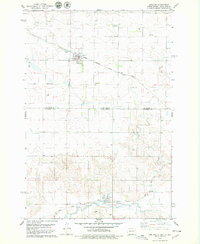 1978 Zeeland1979 Print · USGSThe borderlands of the Dakotas are captured here in the late seventies, centered on the railroad towns of Zeeland and Artas. Genealogists and local historians can trace several burial sites including St Andrew Cem and Reformed Cem along the Milwaukee Road rail line.
Showing maps 1-25 of 159
Top cities of Campbell County
Frequently asked questions
- What are the different types of historical maps available for Campbell County?
- What is the oldest map of Campbell County?
- Where can I purchase historical maps of Campbell County for my home or office?
- Where can I download high-res historical maps of Campbell County?
- Are there historical topographic maps available for Campbell County?
- Is there historical aerial imagery available for Campbell County?
- Where are historical maps of Campbell County sourced from?