Old Maps of Oglala Lakota County, South Dakota for Hiking & Exploration
Hike through history with 301 historic maps of Oglala Lakota County. Explore old trails, ghost towns, and forgotten backroads — perfect for outdoor adventurers and local explorers.
- Rediscover forgotten places: Map out old mining camps, roads, and footpaths that no longer exist on modern maps.
- Layer with modern tools: Combine with LiDAR or satellite views to plan hikes through historical terrain.
- Made for exploration: Popular among hikers, overlanders, and local history lovers.
Use these maps to find adventure and explore the hidden past of Oglala Lakota County.
Oglala Lakota County, SD maps
(301)- 1894 Map of Hermosa
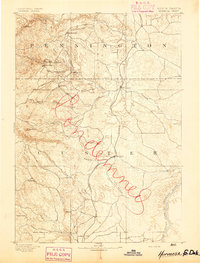 1894 Hermosa1894 Print · USGSThe Black Hills gold and ranching frontier comes into focus during the late nineteenth century as mining camps and rail lines began to anchor the territory. Genealogists and historians can trace early families in Keystone, Rockerville, and around the Etta Mine.2 unique versions available
 - 1896 Map of Oelrichs
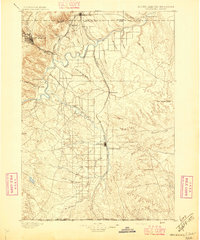 1896 Oelrichs1896 Print · USGSThe southern Black Hills and Cheyenne River valley come alive in this late nineteenth-century survey of the South Dakota and Nebraska borderlands. Genealogists and historians can trace early rail-side towns and industrial sites like Hot Springs, Smithwick, and the Evans Quarry.
 - 1900 Map of Oelrichs
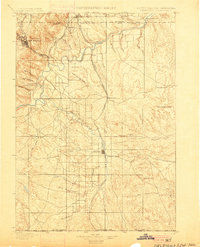 1900 Oelrichs1900 Print · USGSFall River County at the close of the nineteenth century reveals a landscape defined by the arrival of the railroad and the growth of early quarrying operations. Genealogists and historians can trace the Missouri Valley and Elkhorn RR through stops like Buffalo Gap and Oelrichs.4 unique versions available
 - 1901 Map of Hermosa
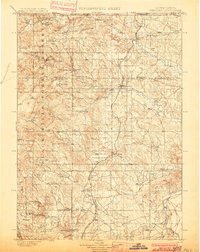 1901 Hermosa1901 Print · USGSThe Black Hills frontier comes alive in this survey of Pennington and Custer counties during the height of the regional mining boom. Researchers can trace the early footprints of Keystone, Rockerville, and Wind Cave, along with vanished industrial sites like Etta Mill.4 unique versions available
 - 1950 Map of Conata
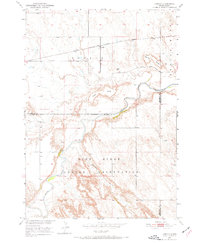 1950 Conata1950 Print · USGSThe Pine Ridge Indian Reservation and the northern prairies meet here in the early fifties. Genealogists and historians can trace the Chicago Milwaukee St Paul and Pacific rail line through Conata and locate an early Oil Well.2 unique versions available
 - 1950 Map of Sheep Mountain Table, 1952 Print
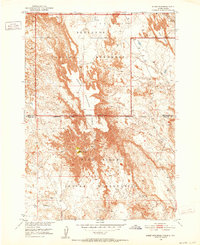 1950 Sheep Mountain Table1952 Print · USGSThe South Dakota badlands meet the Pine Ridge Indian Reservation in the early fifties, revealing a landscape of high mesas and deep-cut creeks. Researchers can trace the geological boundaries of Sheep Mountain Table or locate local landmarks like Cedar Butte and Heck Table.7 unique versions available
 - 1950 Map of Stirk Table, 1952 Print
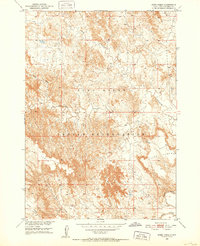 1950 Stirk Table1952 Print · USGSThe Pine Ridge Indian Reservation is shown here at mid-century, just as development for the Missouri River Basin was underway. Researchers can trace the rugged plateaus of Stirk Table and Cuny Table down to the banks of the White River.3 unique versions available
 - 1950 Map of Cuny Table East, 1952 Print
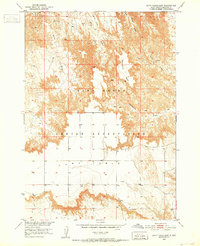 1950 Cuny Table East1952 Print · USGSThe Pine Ridge Indian Reservation landscape comes alive in this mid-century survey of the high plateaus and deep draws. Researchers can trace the rugged topography of Cuny Table, the location of the Cuny Table Sch, and the winding path of Cottonwood Creek.3 unique versions available
 - 1950 Map of Conata SW, 1952 Print
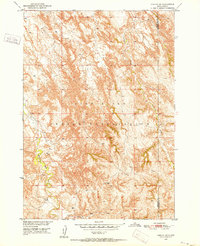 1950 Conata SW1952 Print · USGSThe Pine Ridge Indian Reservation landscape is captured here in the mid-century, before significant modern alterations. Researchers can trace the intricate drainage of Redwater Creek and Medicine Root Creek across the Shannon and Washabaugh county lines.2 unique versions available
 - 1950 Map of Imlay SW, 1952 Print
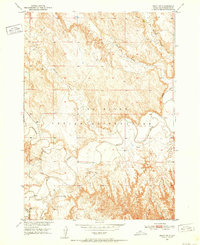 1950 Imlay SW1952 Print · USGSThe Pine Ridge Indian Reservation is captured at mid-century, showing the winding White River and the complex drainage of the High Plains. Researchers can locate the St Mary Magdalene Cem and trace seasonal watercourses like Big Hollow Creek and Spring Creek.3 unique versions available
 - 1950 Map of Imlay, 1952 Print
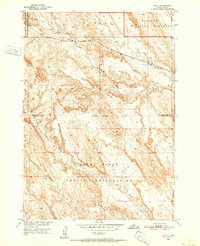 1950 Imlay1952 Print · USGSPennington County at the midpoint of the twentieth century shows a landscape divided by federal land designations and the steam-and-diesel era. Trace the path of the Chicago Milwaukee St Paul and Pacific through Imlay or the northern reaches of the Pine Ridge Indian Reservation.3 unique versions available
 - 1950 Map of Imlay SE, 1952 Print
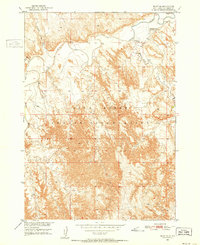 1950 Imlay SE1952 Print · USGSThe Pine Ridge Indian Reservation is documented here in the early fifties, showing the winding path of the White River. Researchers can trace the location of St Barbaras Ch and various watercourses like Medicine Root Creek and Clifford Creek.2 unique versions available
 - 1950 Map of Bouquet Table, 1972 Print
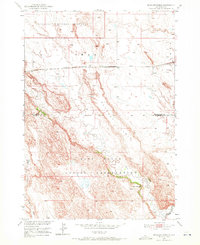 1950 Bouquet Table1972 Print · USGSThe South Dakota badlands and the Pine Ridge Indian Reservation meet during the mid-twentieth century on this detailed survey. Genealogists and historians can trace local landmarks like the Cain Creek Sch and the route of the Chicago Milwaukee St Paul and Pacific railroad.
 - 1951 Map of Fairburn SE
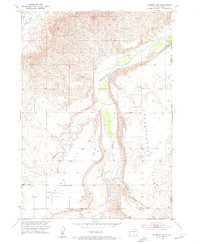 1951 Fairburn SE1951 Print · USGSThe Cheyenne River breaks across the South Dakota prairie in the early 1950s, marking the border between Custer and Shannon Counties. Genealogists and historians can locate rural landmarks like Harrison Flat Sch, Greives Sch, and the Pine Ridge Indian Reservation Boundary.2 unique versions available
 - 1951 Map of Red Shirt, 1952 Print
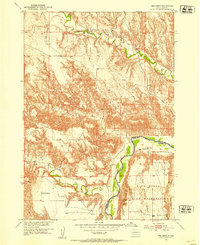 1951 Red Shirt1952 Print · USGSThe Cheyenne River valley and the Pine Ridge Indian Reservation are captured here in the early fifties. Genealogists and historians can trace the settlement at Red Shirt and locate early rural landmarks like Steele Sch and French Creek Sch.3 unique versions available
 - 1951 Map of Rockyford SW, 1953 Print
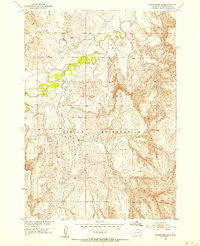 1951 Rockyford SW1953 Print · USGSThe Pine Ridge Indian Reservation is documented here in the early fifties, showing the relationship between the dissected breaks of Pine Ridge and the White River. Researchers can trace the winding river valley to locate isolated landmarks like Horse Creek and a small rural Cem.2 unique versions available
 - 1951 Map of Sharps Corner, 1953 Print
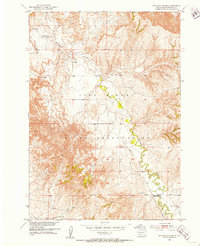 1951 Sharps Corner1953 Print · USGSThe Pine Ridge Indian Reservation in the early fifties reveals a landscape of winding creek beds and remote community landmarks. Genealogists and local historians can trace the positions of Rockyford Ch, Gull Sch, and the road junction at Sharps Corner.2 unique versions available
 - 1951 Map of Willow Creek NW, 1953 Print
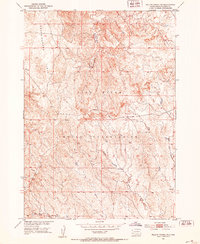 1951 Willow Creek NW1953 Print · USGSThe Pine Ridge Indian Reservation is captured in the early fifties, documenting a landscape of high plateaus and complex creek systems. Researchers can trace the drainage of Squaw-Humper Table and the various branches of Middle Fork Willow Creek.2 unique versions available
 - 1951 Map of Heutmacher Table, 1953 Print
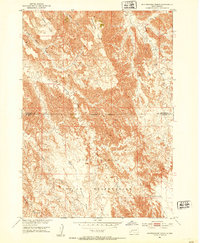 1951 Heutmacher Table1953 Print · USGSThe high plateau country of Pennington and Shannon Counties is captured here in the early fifties, where the northern border of the Pine Ridge Indian Reservation meets the plains. Map researchers can trace the steep terrain around Cottonwood Pass and family-named landmarks like Heutmacher Table and Zebell Table.
 - 1951 Map of Rockyford NW, 1953 Print
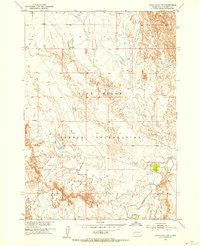 1951 Rockyford NW1953 Print · USGSThe Pine Ridge Indian Reservation is shown here in the early fifties as the Missouri River Basin project was underway. Trace the landforms of Red Dog Table and follow the course of the White River and East Horse Creek.2 unique versions available
 - 1951 Map of Willow Creek NE, 1953 Print
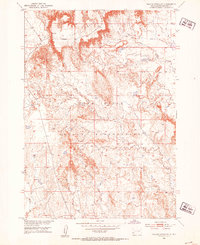 1951 Willow Creek NE1953 Print · USGSWithin the Oglala Lakota territory during the early fifties, this survey captures the stark transition between high tablelands and prairie drainages. Researchers can trace the original paths of Horse Creek, Willow Creek, and the forks of Mule Creek below Cuny Table.2 unique versions available
 - 1951 Map of Red Shirt NE, 1953 Print
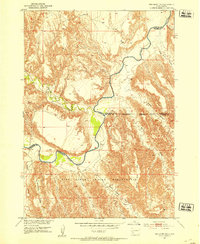 1951 Red Shirt NE1953 Print · USGSThe northern reaches of the Pine Ridge Indian Reservation and the winding Cheyenne River are captured here in the early fifties. Local history researchers can trace the intricate network of draws and tables, including Blindman Table and Plenty Star Table.3 unique versions available
 - 1951 Map of Rockyford, 1953 Print
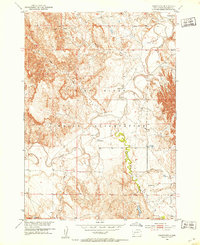 1951 Rockyford1953 Print · USGSThe Pine Ridge Indian Reservation during the early fifties reveals a landscape of high tablelands and winding river valleys. Genealogists and historians can trace the locations of rural community hubs like Rockyford, Steele Sch, and St Peter Ch.3 unique versions available
 - 1951 Map of Red Shirt SW, 1953 Print
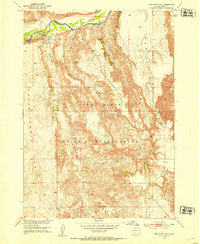 1951 Red Shirt SW1953 Print · USGSThe Pine Ridge Indian Reservation landscape is documented here in the early fifties, showing the intricate erosion of the high plains. Researchers can trace the Reservation Boundary along the Cheyenne River and locate Squaw Humper Table.2 unique versions available
 - 1951 Map of Smithwick NE, 1953 Print
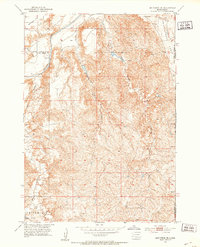 1951 Smithwick NE1953 Print · USGSThe Black Hills foothills meet the High Plains in the early fifties, where the Cheyenne River flows past Harrison Flat. Researchers can trace the Pine Ridge Indian Reservation Boundary and locate landmarks like Smithwick and the Squaw-Humper Table.
Showing maps 1-25 of 301
Top cities of Oglala Lakota County
Frequently asked questions
- What are the different types of historical maps available for Oglala Lakota County?
- What is the oldest map of Oglala Lakota County?
- Where can I purchase historical maps of Oglala Lakota County for my home or office?
- Where can I download high-res historical maps of Oglala Lakota County?
- Are there historical topographic maps available for Oglala Lakota County?
- Is there historical aerial imagery available for Oglala Lakota County?
- Where are historical maps of Oglala Lakota County sourced from?