Old Maps of Emery Mill, Tennessee
Explore 17 old maps of Emery Mill, spanning from 1892 to today. These high-resolution historic maps reveal how streets, neighborhoods, landmarks, and natural features evolved over time — perfect for genealogy, metal detecting, research, and local history exploration.
What you can do with these maps:
- See how Emery Mill changed over time: Compare historical maps to modern-day views to trace roads, homesites, rail lines & more.
- View detailed metadata: Each map includes creators, publishers, year, scale, and archive source.
- Overlay maps with satellite & LiDAR: Visualize the past alongside modern tools to explore terrain & human change.
- Trusted historical sources: Maps sourced from the USGS, Library of Congress, and other archives.
- Access maps your way: View online, download high-res files, or order prints for personal or research use.
Start exploring old maps of Emery Mill to uncover forgotten places, hidden landmarks, and the deep history beneath your feet.
Emery Mill, TN maps
(17)- 1892 Map of Pikeville
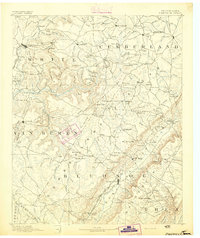 1892 Pikeville1892 Print · USGSThe Cumberland Plateau in the 1890s shows a rugged landscape of early river ferries and mountain gaps. Genealogists and historians can trace the paths between Sparta and Crossville, locating landmarks like Hodge Ferry and the Rock House tavern.
 - 1895 Map of Pikeville
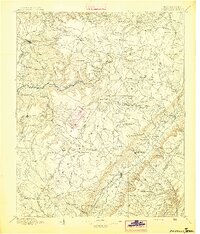 1895 Pikeville1895 Print · USGSThe Cumberland Plateau was a landscape of mountain settlements and critical gaps in the 1890s. Genealogists can trace family roots through upland communities like Pomona and Lantana, or locate old landmarks like Hale Chapel and Hodge Ferry along the river.7 unique versions available
 - 1909 Map of Sequatchie Valley, 1955 Print
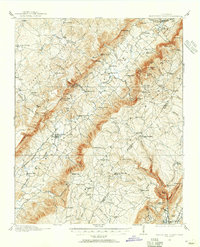 1909 Sequatchie Valley1955 Print · USGSBledsoe County at the turn of the century shows a landscape of river-valley agriculture and rugged plateau crossings. Genealogists can locate family homesteads near landmarks like Mansfield Mill, Smyrna Church, or the Melvine Post Office.
 - 1910 Map of Pikeville
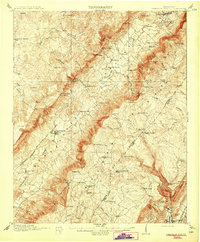 1910 Pikeville1910 Print · USGSBledsoe County at the turn of the century shows a landscape of valley farms and mountain gaps connected by the Nashville Chattanooga and St Louis RR. Researchers can locate early milling sites like Hembree Mill and rural landmarks such as Melvine PO and Saratoga Springs.2 unique versions available
 - 1935 Map of Billingsley Gap
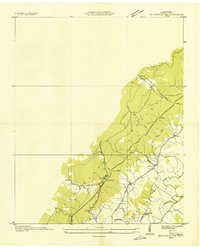 1935 Billingsley Gap1935 Print · USGSBledsoe County at the onset of the Tennessee Valley Authority era shows a landscape defined by the steep descent from the plateau to the river valley. Genealogists can trace family landmarks and rural hubs like Iron Hill Cem, Mt Zion Sch, and the Emery Mill.
 - 1953 Map of Chattanooga
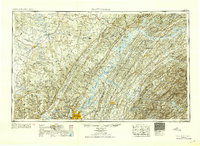 1953 Chattanooga1953 Print · USGSSoutheast Tennessee in the early fifties shows a landscape reshaped by river management and rail power. Trace the rail lines of the Southern Ry through riverside towns or locate the preserved grounds of the Chickamauga and Chattanooga National Military Park.
 - 1956 Map of Billingsley Gap, 1958 Print
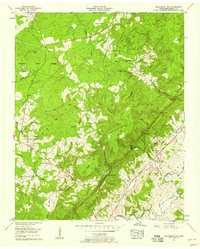 1956 Billingsley Gap1958 Print · USGSBledsoe County is captured here in the mid-fifties as rural life centered on the dramatic descent from the plateau to the valley floor. Genealogists can trace family footprints at Saratoga Springs, Cooper Mill, and the Blackburn Cem.3 unique versions available
 - 1957 Map of Chattanooga, 1966 Print
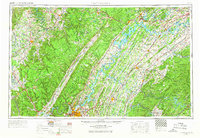 1957 Chattanooga1966 Print · USGSEast Tennessee in the mid-1960s shows a landscape of massive hydroelectric reservoirs and emerging industrial sites like the Atomic Energy Commission (Oak Ridge Area). Trace the rail networks of the Southern Ry through Chattanooga or locate family-named ridges across the Cumberland Plateau.3 unique versions available
 - 1959 Map of Chattanooga
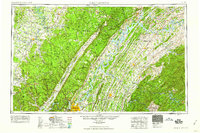 1959 Chattanooga1959 Print · USGSSoutheast Tennessee is shown here during a decade of industrial growth and hydroelectric development. Trace the regional rail networks of the Southern Ry and find landmark sites like Lookout Mountain, Fall Creek Falls State Park, and Chattanooga.
 - 1960 Map of Chattanooga
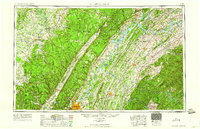 1960 Chattanooga1960 Print · USGSSoutheast Tennessee and the southern Appalachians are shown here at the height of the river-management era. You can trace the valley rail lines and locate Lookout Mountain and the expansive waters of Chickamauga Reservoir.
 - 1964 Map of Chattanooga
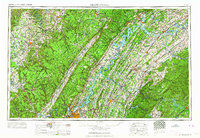 1964 Chattanooga1964 Print · USGSSoutheast Tennessee and the western Carolinas appear in the mid-sixties as a powerhouse of river-driven industry and mountain wilderness. Genealogists and historians can trace rail-town lineages along the Southern Ry or locate family landmarks near Watts Bar Lake and Tellico Plains.
 - 1981 Map of Mc Minnville
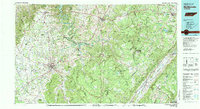 1981 Mc Minnville1981 Print · USGSThe Cumberland Plateau and the Sequatchie Valley meet in this early 1980s look at Warren and White Counties. Researchers can locate vanished rural landmarks like Hutchins College, the old rail stops of the Tennessee Central, and Mount Zion Cem.
 - 2010 Map of Billingsley Gap, 2010 Print
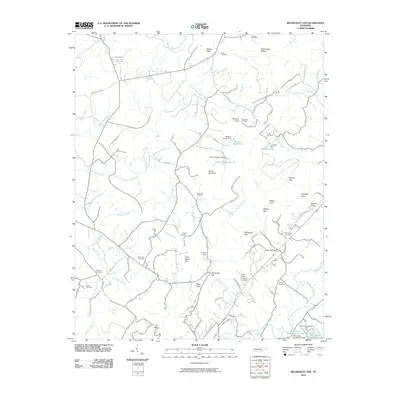 2010 Billingsley Gap2010 Print · USGSBledsoe County at the turn of the decade is captured here, showing the intricate network of gaps and coves that define the Sequatchie Valley. Researchers can locate numerous historic family plots like Seals Cemetery or trace the geography of the Campbell Mine and Billingsley Gap.
 - 2013 Map of Billingsley Gap, 2013 Print
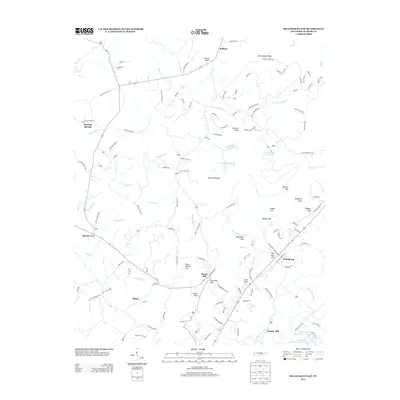 2013 Billingsley Gap2013 Print · USGSBledsoe County's high ridges and river valleys are captured here in the early twenty-first century as the landscape transitions toward the Sequatchie. Genealogists and local historians can trace family-named sites and rural hubs like Emery Mill, Tiptop, and Billingsley Gap.
 - 2016 Map of Billingsley Gap, 2016 Print
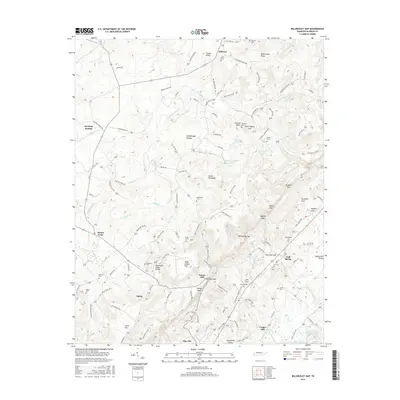 2016 Billingsley Gap2016 Print · USGSBledsoe County in the mid-2010s shows the dramatic meeting of the Sequatchie Valley and the Cumberland Plateau. Genealogists and local historians can locate numerous family burial grounds like Blackburn Cem and Beaverhill Cem or trace old routes through Billingsley Gap.
 - 2019 Map of Billingsley Gap, 2019 Print
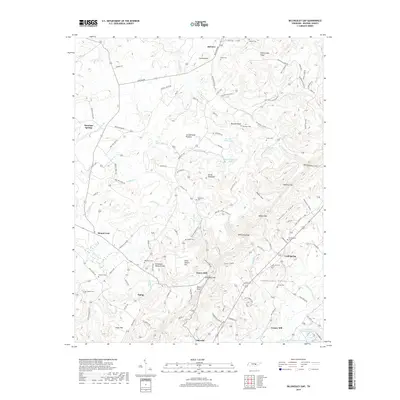 2019 Billingsley Gap2019 Print · USGSBledsoe County is captured here in the late twenty-teens as the Sequatchie Valley meets the Cumberland Plateau. Researchers can trace family history through numerous rural burial grounds like Iron Hill Cem and Blackburn Cem, or locate landmarks like Emery Mill and Saratoga Springs.
 - 2022 Map of Billingsley Gap, 2022 Print
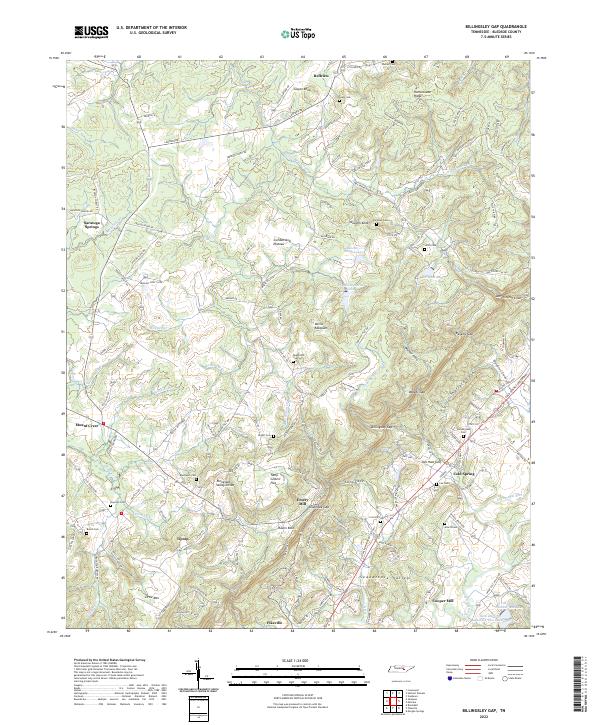 2022 Billingsley Gap2022 Print · USGSBledsoe County is documented here during the early 2020s as the Cumberland Plateau meets the Sequatchie Valley. Researchers can trace family history through numerous local sites like Simmons Cem and Knight Cem or locate the historic Emery Mill.
End of results
Showing maps 1-17 of 17
Top cities near Emery Mill
Frequently asked questions
- What are the different types of historical maps available for Emery Mill?
- What is the oldest map of Emery Mill?
- Where can I purchase historical maps of Emery Mill for my home or office?
- Where can I download high-res historical maps of Emery Mill?
- Are there historical topographic maps available for Emery Mill?
- Is there historical aerial imagery available for Emery Mill?
- Where are historical maps of Emery Mill sourced from?