Old Maps of Flower Mound, Texas
Explore 28 old maps of Flower Mound, spanning from 1894 to today. These high-resolution historic maps reveal how streets, neighborhoods, landmarks, and natural features evolved over time — perfect for genealogy, metal detecting, research, and local history exploration.
What you can do with these maps:
- See how Flower Mound changed over time: Compare historical maps to modern-day views to trace roads, homesites, rail lines & more.
- View detailed metadata: Each map includes creators, publishers, year, scale, and archive source.
- Overlay maps with satellite & LiDAR: Visualize the past alongside modern tools to explore terrain & human change.
- Trusted historical sources: Maps sourced from the USGS, Library of Congress, and other archives.
- Access maps your way: View online, download high-res files, or order prints for personal or research use.
Start exploring old maps of Flower Mound to uncover forgotten places, hidden landmarks, and the deep history beneath your feet.
Flower Mound, TX maps
(28)- 1894 Map of Fort Worth, 1918 Print
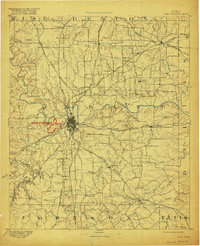 1894 Fort Worth1918 Print · USGSNorth Texas at the end of the nineteenth century centers on a burgeoning Fort Worth and its strategic rail junctions. Researchers can locate early township sites like Johnson Station and Birdville or trace the military footprint of Camp Bowie.3 unique versions available
 - 1931 Map of Grapevine
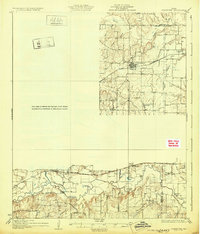 1931 Grapevine1931 Print · USGSTarrant and Dallas Counties appear in the early thirties as a network of rural settlements and rail-bound transit. Genealogists can locate family landmarks like Randalls Mill, the Bedford Bridge, and early school sites including Shady Grove Sch.2 unique versions available
 - 1954 Map of Dallas, 1963 Print
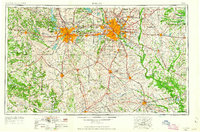 1954 Dallas1963 Print · USGSNorth Texas in the mid-fifties and early sixties reveals a landscape of rapid urban growth and water management. Genealogists and historians can trace the evolution of the metroplex through landmarks like Hensley Field, Boles Orphan Home, and the Texas & Pacific RR.4 unique versions available
 - 1954 Map of Sherman, 1964 Print
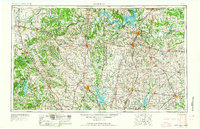 1954 Sherman1964 Print · USGSThe Red River valley and North Texas plains are captured here in the mid-fifties, showing the region as new reservoirs like Lake Texoma and Lavon Reservoir reshaped the land. Genealogists can trace family roots through specific local landmarks like Courtney P O, Pilot Grove Sch, and New Hope Ch.2 unique versions available
 - 1958 Map of Dallas
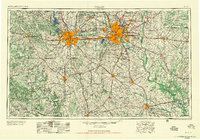 1958 Dallas1958 Print · USGSNorth Texas in the late fifties shows the dramatic expansion of the Metroplex as it absorbs surrounding farm towns. Genealogists and historians can trace old rail lines like the Missouri-Kansas-Texas and locate early lakefront developments at Eagle Mountain Lake and Lake Worth Village.
 - 1958 Map of Sherman, 1959 Print
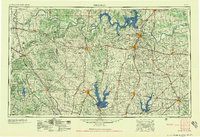 1958 Sherman1959 Print · USGSNorth Texas and Southern Oklahoma were undergoing significant development in the late fifties as the Red River Valley transit networks matured. Researchers can trace historic family-named locations such as Saddler Bend, the grounds of Perrin AFB, and early shoreline developments at Lake Texoma.
 - 1959 Map of Grapevine, 1960 Print
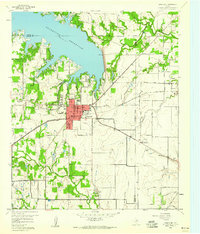 1959 Grapevine1960 Print · USGSGrapevine and its neighboring towns appear here in the late fifties, just as the region began its transition from a rail-centered agricultural hub to a modern suburb. Genealogists and local historians can locate Minters Chapel, the Parker Memorial Cem, and the old St Louis Southwestern rail line.5 unique versions available
 - 1959 Map of Grapevine, 1964 Print
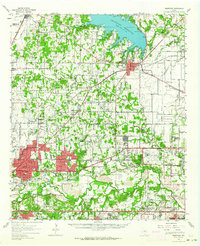 1959 Grapevine1964 Print · USGSTarrant County at the close of the fifties shows the transition from rural prairie to a major aviation and suburban hub. Trace family roots at the Lonesome Dove Ch or Medlin Cem while seeing early footprints of the Greater Southwest International Airport.
 - 1960 Map of Argyle, 1961 Print
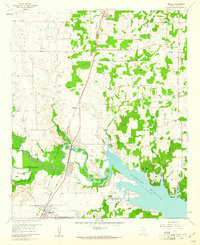 1960 Argyle1961 Print · USGSDenton County at the dawn of the 1960s shows a landscape transformed by the newly formed Grapevine Reservoir. Genealogists and historians can trace the early footprints of Argyle and Roanoke, locate the Double Oak Sch, or find industrial roots at the local Strip Mine.5 unique versions available
 - 1960 Map of Lewisville West, 1962 Print
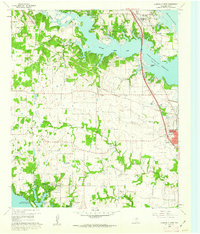 1960 Lewisville West1962 Print · USGSDenton County at the start of the sixties reveals a landscape shaped by large-scale water projects and rural community life. Genealogists and local historians can trace family landmarks like Chinn Cem, Old Hall Cem, and Chinn Chapel across the rolling terrain.6 unique versions available
 - 1985 Map of Fort Worth
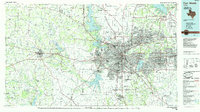 1985 Fort Worth1985 Print · USGSMid-1980s Tarrant County and Parker County emerge from a transition between urban sprawl and rural cattle country. Researchers can trace the expansion of Fort Worth and Arlington alongside older landmarks like Nebo Mtn and Kikapoo Falls.2 unique versions available
 - 1985 Map of Denton
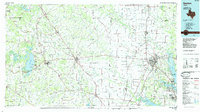 1985 Denton1985 Print · USGSNorth Texas in the mid-eighties shows a region of growing towns and established rail lines. Trace family roots and local history through Wizard Wells, the old Oaklawn Cem, and the tracks of the Burlington Northern.
 - 1991 Map of Denton
 1991 Denton1991 Print · USGSNorth Texas in the early nineties shows a region transitioning between rural heritage and modern infrastructure across several counties. Genealogists and historians can trace rail lines like the Missouri Pacific or find established settlements such as Sanger, Bolivar, and Greenwood.2 unique versions available
 - 2010 Map of Grapevine, 2010 Print
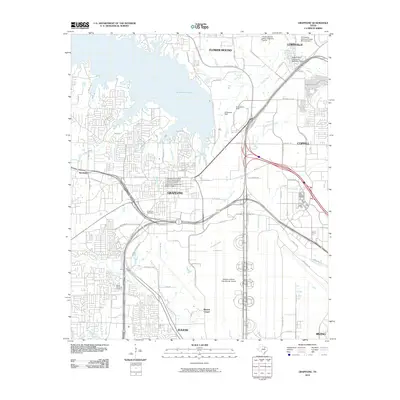 2010 Grapevine2010 Print · USGSThe Grapevine area in the early 2010s reveals a landscape of historic town centers alongside massive infrastructure projects like the DFW airport. Genealogists and local historians can trace legacy sites like Parker Memorial Cemetery and Minters Chapel.
 - 2010 Map of Argyle, 2010 Print
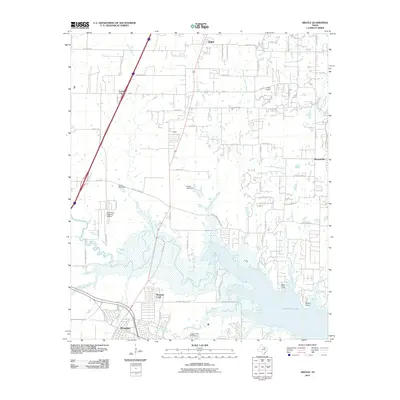 2010 Argyle2010 Print · USGSThe northern reaches of the Metroplex show a blend of lakeside recreation and suburban growth in the early twenty-first century. Researchers can trace the development of Argyle and Roanoke alongside landmarks like the Northwest Regional Airport and Grapevine Lake.
 - 2010 Map of Lewisville West, 2010 Print
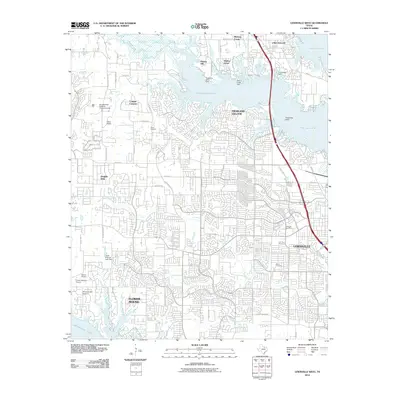 2010 Lewisville West2010 Print · USGSDenton County at the start of the decade shows the rapid suburban transition near Lake Lewisville. Genealogists and local historians can locate early landmarks like Chinn Cemetery and the Soroptimists Crippled Childrens Camp.
 - 2012 Map of Grapevine, 2012 Print
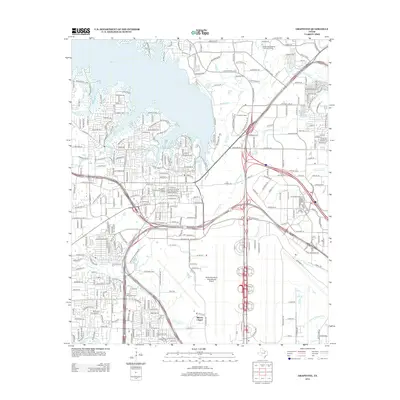 2012 Grapevine2012 Print · USGSGrapevine and Irving are shown here during a period of massive infrastructure growth and historic preservation. Genealogists and local researchers can trace the early community at Parker Memorial Cem or explore the Grapevine Original Town Residential Historic District.
 - 2013 Map of Lewisville West, 2013 Print
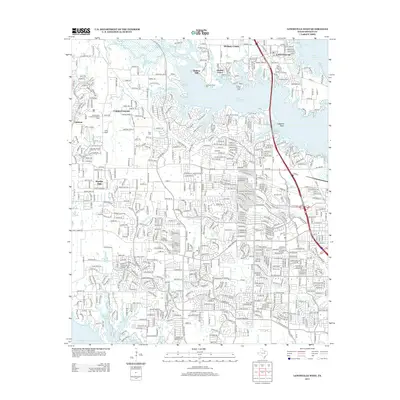 2013 Lewisville West2013 Print · USGSDenton County suburban expansion and recreational landscapes are captured here during the early twenty-first century. Genealogists and local historians can trace residential development near Chinn Cem or locate community landmarks like Camp Argyle and Chapel Hl.
 - 2013 Map of Argyle, 2013 Print
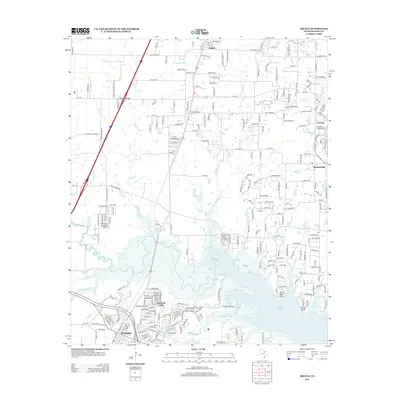 2013 Argyle2013 Print · USGSNorth Texas suburban expansion meets the shores of the reservoir during the early twenty-first century. Genealogists and local historians can trace the growth of Argyle, Roanoke, and Bartonville alongside landmarks like the Northwest Regional Airport.
 - 2016 Map of Lewisville West, 2016 Print
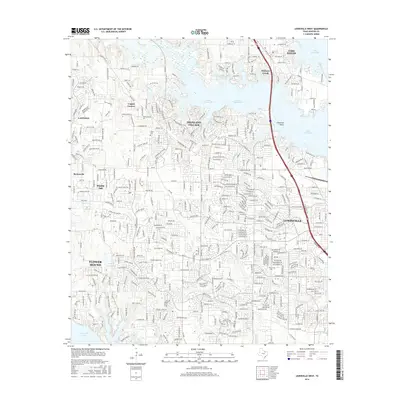 2016 Lewisville West2016 Print · USGSDenton County's suburban corridor meets the waters of Lake Lewisville in this mid-2010s survey. Researchers can trace the modern expansion of Lantana and Flower Mound while locating historical sites like Chinn Cem and Martin Cem.
 - 2016 Map of Argyle, 2016 Print
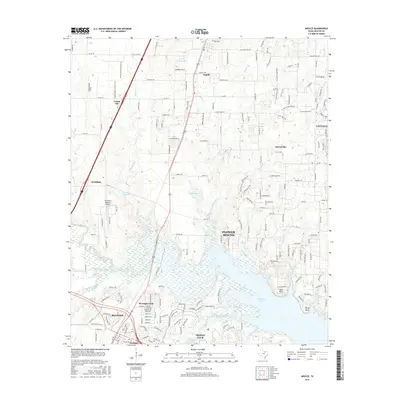 2016 Argyle2016 Print · USGSDenton County's suburban landscape is captured here during a period of rapid growth north of the Dallas-Fort Worth metroplex. Researchers can trace family roots at Prairie Mound Cem or explore the developed shorelines of Grapevine Lake and Trophy Club.
 - 2016 Map of Grapevine, 2016 Print
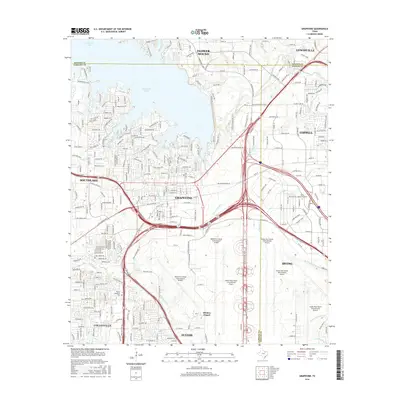 2016 Grapevine2016 Print · USGSThe North Texas suburbs and the sprawling aviation complex are in full development during the mid-2010s. Researchers can trace the path of Denton Cr or locate local landmarks like Minters Chapel and the Parker Memorial Cem.
 - 2019 Map of Grapevine, 2019 Print
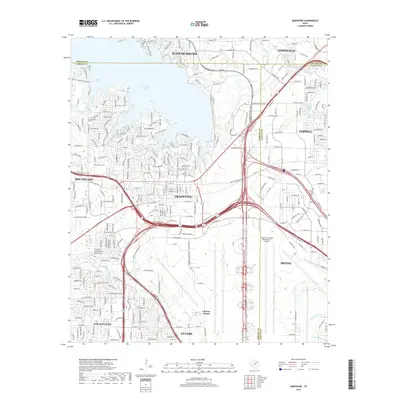 2019 Grapevine2019 Print · USGSThe northern gateway to the Metroplex is defined here by the intersection of three counties and the massive infrastructure of the modern era. Trace the local history of Grapevine and Coppell near landmarks like Minters Chapel and the Parker Memorial Cem.
 - 2019 Map of Argyle, 2019 Print
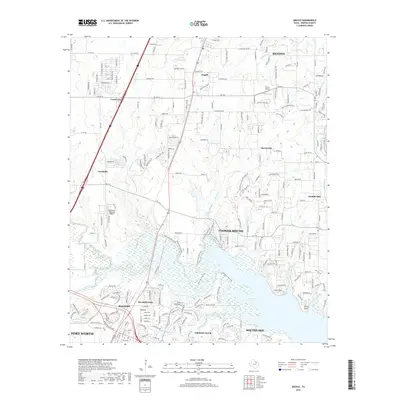 2019 Argyle2019 Print · USGSDenton County at the turn of the decade shows the rapid growth of the North Texas suburbs around the edges of Grapevine Lake. Researchers can trace the layout of growing communities like Trophy Club and Roanoke alongside landmarks like Bolo Point.
 - 2019 Map of Lewisville West, 2019 Print
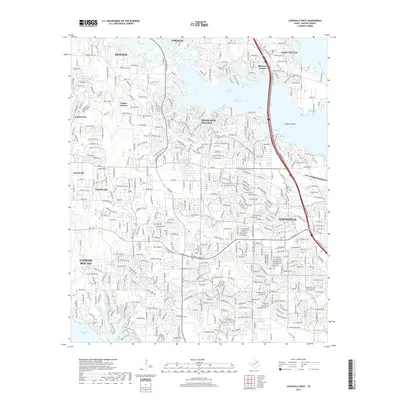 2019 Lewisville West2019 Print · USGSDenton County's suburban landscape is captured here in the late 2010s as communities expand around the shores of the local reservoirs. Genealogists and local historians can locate legacy sites like Martin Cem and Chinn Cem tucked between the growing neighborhoods of Highland Village and Flower Mound.
Showing maps 1-25 of 28
Top cities near Flower Mound
- Dallas historical maps
- Fort Worth historical maps
- Arlington historical maps
- Irving historical maps
- Frisco historical maps
- Grand Prairie historical maps
See more
Top neighborhoods of Flower Mound
Frequently asked questions
- What are the different types of historical maps available for Flower Mound?
- What is the oldest map of Flower Mound?
- Where can I purchase historical maps of Flower Mound for my home or office?
- Where can I download high-res historical maps of Flower Mound?
- Are there historical topographic maps available for Flower Mound?
- Is there historical aerial imagery available for Flower Mound?
- Where are historical maps of Flower Mound sourced from?