Old Maps of Midtown, Houston for Hiking & Exploration
Hike through history with 48 historic maps of Midtown. Explore old trails, ghost towns, and forgotten backroads — perfect for outdoor adventurers and local explorers.
- Rediscover forgotten places: Map out old mining camps, roads, and footpaths that no longer exist on modern maps.
- Layer with modern tools: Combine with LiDAR or satellite views to plan hikes through historical terrain.
- Made for exploration: Popular among hikers, overlanders, and local history lovers.
Use these maps to find adventure and explore the hidden past of Midtown.
Midtown, Houston maps
(48)- 1915 Map of Bellaire
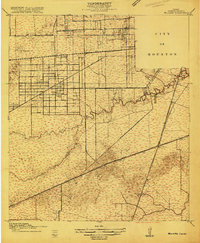 1915 Bellaire1915 Print · USGSThe Harris County prairie southwest of Houston comes alive in this mid-1910s survey of emerging suburban and rural life. Genealogists and historians can trace the early footprints of Bellaire, the Rice Institute, and long-forgotten sites like the Poor Farm or Girls Industrial School.2 unique versions available
 - 1915 Map of Park Place
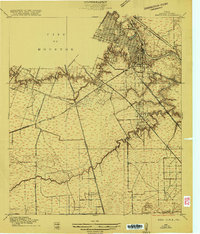 1915 Park Place1915 Print · USGSSoutheast Houston and the thriving ship channel districts are captured here just before the first World War. Genealogists and industrial historians can trace the early residential blocks of Magnolia and Park Place or the rail yards at South Yards.2 unique versions available
 - 1915 Map of Houston Heights
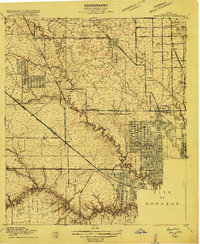 1915 Houston Heights1915 Print · USGSThe outskirts of Houston are just beginning to take their modern shape in the mid-1910s as new residential grids emerge along the bayous. Genealogists and historians can trace early neighborhood boundaries in Independence Heights and locate vanished rural landmarks like Hohl School and Rosslyn.2 unique versions available
 - 1916 Map of Settegast
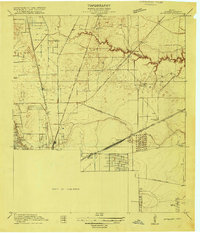 1916 Settegast1916 Print · USGSNortheast Houston was a burgeoning rail and industrial corridor during the mid-1910s, prior to its full integration into the modern metropolis. Genealogists and historians can trace early neighborhood plats like Brooks Smith Addition and Fidelity Addition alongside the massive Tank Farm and local schoolhouses.2 unique versions available
 - 1921 Map of Bellaire
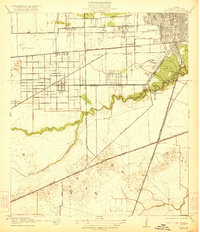 1921 Bellaire1921 Print · USGSHouston's western edges and the young settlement of Bellaire are captured here just before the city's suburban boom. Trace early landmarks like the Rice Institute and the Poor Farm, or locate rural school sites such as the Post Oak School and Brays Bayou School.
 - 1922 Map of Park Place
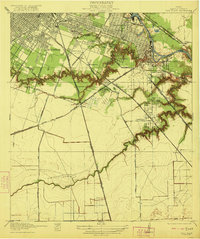 1922 Park Place1922 Print · USGSSoutheastern Harris County is seen here during its industrial transformation in the years following the 1915 survey. Genealogists and researchers can trace early residential tracts like Park Place and Forest Hills or locate old railway sidings such as Sheets Switch and Rambler Switch.3 unique versions available
 - 1922 Map of Settegast
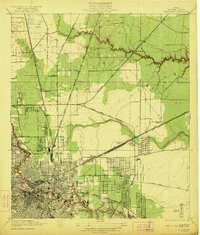 1922 Settegast1922 Print · USGSHouston and its surrounding Harris County townships are captured here during a period of intense industrial growth and residential expansion. Researchers can trace the early footprints of the Brooke-Smith Addition and Settegast, or locate rural landmarks like Berry School and the Tank Farm.2 unique versions available
 - 1922 Map of Houston Heights
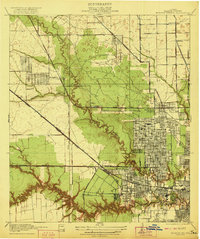 1922 Houston Heights1922 Print · USGSHouston’s northwest suburbs were rapidly transforming in the early twenties as residential grids met the winding bayous. Genealogists and local historians can trace the early footprints of Independence Heights, locate the Durkee School, and follow the old Eureka Cutoff rail line.2 unique versions available
 - 1946 Map of Settegast
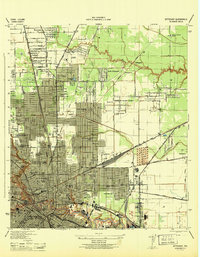 1946 Settegast1946 Print · USGSNortheast Houston and the industrial ship channel areas are captured here at the height of the mid-forties boom. Researchers can trace ancestral locations and civic growth through sites like Kashmere Gardens School, Evergreen Cem, and the neighborhoods bordering Halls Bayou.
 - 1946 Map of Houston Heights
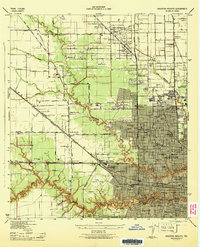 1946 Houston Heights1946 Print · USGSHouston and its northern suburbs are captured just after the war, showing the rapid growth of neighborhoods like Garden Oaks and the Heights. Local researchers can locate dozens of mid-century landmarks, from Hillendahl Cem to the George Washington Carver School.
 - 1950 Map of Houston, 1953 Print
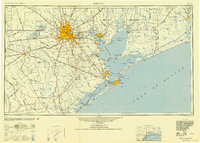 1950 Houston1953 Print · USGSCoastal Texas in the early fifties reveals a landscape of massive civil engineering and industrial transit. Genealogists and researchers can trace the growth of the Houston suburbs and the maritime infrastructure of Galveston Bay, including the Gulf Freeway and the Texas City Dike.
 - 1955 Map of Park Place, 1957 Print
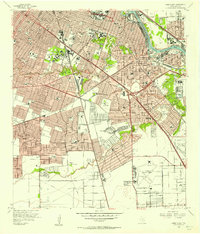 1955 Park Place1957 Print · USGSSoutheast Houston expanded rapidly during the mid-fifties as shipping and aviation infrastructure matured. Researchers can trace the development of neighborhood hubs like Park Place, the sprawling Houston International Airport, and dozens of local schools including Yates High Sch.
 - 1955 Map of Houston Heights, 1957 Print
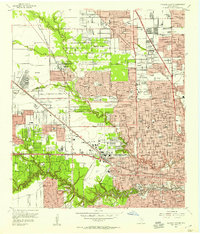 1955 Houston Heights1957 Print · USGSHouston and its northern suburbs show rapid growth in the mid-fifties as residential blocks and rail yards expand along the bayous. Genealogists can locate family sites near Houston Heights, Adath Israel Cem, and Smith Sch.
 - 1955 Map of Settegast, 1957 Print
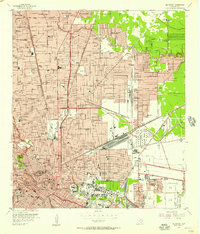 1955 Settegast1957 Print · USGSNortheast Houston transitioned from residential pockets to a massive rail and industrial corridor during the mid-fifties. Genealogists and historians can locate dozens of neighborhood landmarks, including Settegast Yards, Settegast Sch, and Hollywood Cemetery.
 - 1956 Map of Houston, 1963 Print
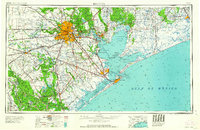 1956 Houston1963 Print · USGSSoutheast Texas in the mid-fifties is captured here as a powerhouse of oil and maritime trade. Genealogists and historians can trace the foundations of Houston and its ports, alongside landmarks like the Rice Institute and the Spindletop Oil Field.2 unique versions available
 - 1967 Map of Park Place, 1969 Print
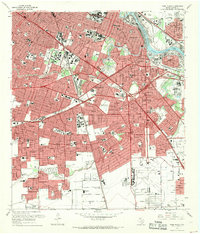 1967 Park Place1969 Print · USGSSoutheast Houston in the late sixties is captured here as a major hub of aviation, industry, and higher education. Genealogists and historians can trace the growth of Park Place, locate Jackson Cem, and explore the campuses of the University of Houston and Texas Southern University.
 - 1967 Map of Houston Heights, 1970 Print
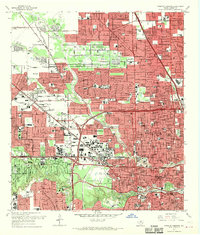 1967 Houston Heights1970 Print · USGSNorthwest Houston expanded rapidly during the late sixties as residential neighborhoods integrated with established rail lines. Genealogists can trace family roots through numerous sites like Hollywood Cem, Booker T Washington High Sch, and Highland Heights.
 - 1967 Map of Settegast, 1970 Print
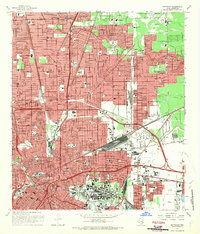 1967 Settegast1970 Print · USGSNortheast Houston's rail-and-bayou landscape is captured here during a period of significant mid-century growth. Researchers can trace historic neighborhood boundaries in Settegast and Sherwood Place or locate family sites at Oak Park Cem and Hollywood Cemetery.2 unique versions available
 - 1975 Map of Houston, 1977 Print
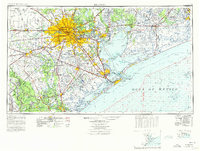 1975 Houston1977 Print · USGSThe Texas Gulf Coast in the mid-seventies shows a sprawling Houston metropolis linked to the sea by the massive Houston Ship Channel. Researchers can trace the mid-century industrial landscape from the Astrodome to the Lyndon B. Johnson Space Center.2 unique versions available
 - 1982 Map of Houston Heights, 1983 Print
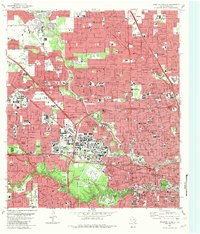 1982 Houston Heights1983 Print · USGSHouston and its northwest suburbs are captured in the early eighties as the urban grid densified around historic rail corridors. Researchers can trace family sites near Houston Heights or locate historic burial grounds like Glenwood Cemetery and Hollywood Cem.
 - 1982 Map of Park Place, 1983 Print
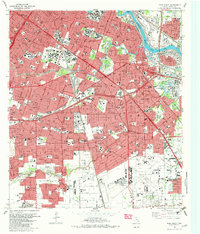 1982 Park Place1983 Print · USGSSoutheastern Houston and the Ship Channel area are shown in high detail during the early eighties, reflecting a period of intense industrial and suburban growth. Researchers can trace local history through the William P Hobby Airport, the University of Houston campus, and the Municipal Prison Farm.2 unique versions available
 - 1982 Map of Settegast, 1983 Print
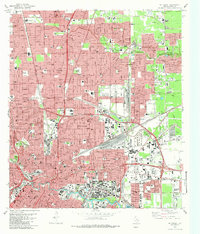 1982 Settegast1983 Print · USGSHouston and its industrial rail corridors are captured in the early eighties as neighborhoods expanded around the massive Settegast Yards. Trace local family history through dozens of landmarks like Oak Park Cemetery and St Elizabeth Hospital.2 unique versions available
 - 1982 Map of Bellaire, 1983 Print
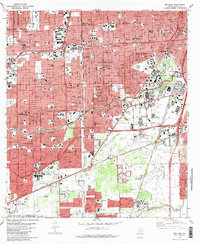 1982 Bellaire1983 Print · USGSSouthwest Houston and Bellaire are shown at a peak of late-century expansion, dominated by new highway loops and major medical hubs. Local historians can trace the development of the Astrodome complex and numerous schools like Madison High Sch and Lamar High Sch.
 - 1992 Map of Houston
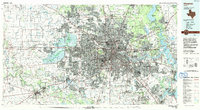 1992 Houston1992 Print · USGSThe Houston metropolitan area reached its modern sprawl in the early nineties, centered on the Buffalo Bayou and a massive regional rail network. Genealogists and historians can trace the development of satellite cities like Sugar Land and Pasadena, or locate legacy sites like the Humble Oil Field and the NASA Lyndon B Johnson Space Center.
 - 1995 Map of Houston Heights, 1998 Print
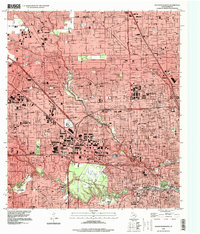 1995 Houston Heights1998 Print · USGSMid-nineties Houston is captured here during a period of dense urban development and institutional growth. Researchers can trace historic burial sites like Hollywood Cem and Glenwood Cemetery or locate old school sites like Bethune Sch.
Showing maps 1-25 of 48
Frequently asked questions
- What are the different types of historical maps available for Midtown?
- What is the oldest map of Midtown?
- Where can I purchase historical maps of Midtown for my home or office?
- Where can I download high-res historical maps of Midtown?
- Are there historical topographic maps available for Midtown?
- Is there historical aerial imagery available for Midtown?
- Where are historical maps of Midtown sourced from?