Old Maps of Grogan's Mill, The Woodlands
Explore 20 old maps of Grogan's Mill, spanning from 1916 to today. These high-resolution historic maps reveal how streets, neighborhoods, landmarks, and natural features evolved over time — perfect for genealogy, metal detecting, research, and local history exploration.
What you can do with these maps:
- See how Grogan's Mill changed over time: Compare historical maps to modern-day views to trace roads, homesites, rail lines & more.
- View detailed metadata: Each map includes creators, publishers, year, scale, and archive source.
- Overlay maps with satellite & LiDAR: Visualize the past alongside modern tools to explore terrain & human change.
- Trusted historical sources: Maps sourced from the USGS, Library of Congress, and other archives.
- Access maps your way: View online, download high-res files, or order prints for personal or research use.
Start exploring old maps of Grogan's Mill to uncover forgotten places, hidden landmarks, and the deep history beneath your feet.
Grogan's Mill, The Woodlands maps
(20)- 1916 Map of Spring
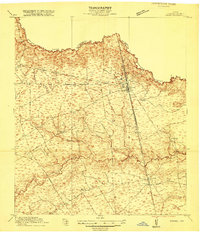 1916 Spring1916 Print · USGSNorth Harris County was a network of railroad junctions and creek-side settlements during the early twentieth century. Researchers can trace family-named roads and schools like Kothman Road, Roth School, and the junction at Spring.3 unique versions available
 - 1920 Map of Spring
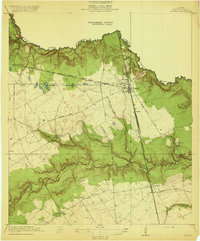 1920 Spring1920 Print · USGSNorthern Harris County is shown at a pivotal rail-junction moment as the Galveston Line and International and Great Northern meet at Spring. Genealogists can locate early community landmarks like the Kothman School, Bammel settlement, and Roth School along the winding Cypress Creek.2 unique versions available
 - 1954 Map of Beaumont, 1964 Print
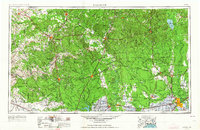 1954 Beaumont1964 Print · USGSSoutheast Texas in the mid-fifties reveals a landscape of massive national forests, emerging reservoirs, and a booming oil economy. Genealogists and researchers can trace rural settlements like Dallardsville and Village Mills or locate early drilling sites at Sour Lake Oil Field.3 unique versions available
 - 1957 Map of Beaumont
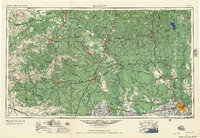 1957 Beaumont1957 Print · USGSSoutheast Texas in the mid-fifties is defined by the timber-rich lands between the Trinity River and Beaumont. Trace the history of the Alabama and Coushatti Indian Reservation or locate early campus sites like Prairie View College.
 - 1960 Map of Spring, 1962 Print
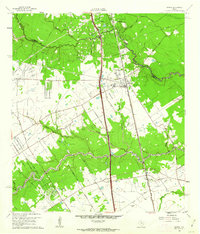 1960 Spring1962 Print · USGSNorthern Harris County is captured here just as the rural oil-and-rail economy began to transition toward modern suburbia. Genealogists can locate family burial sites like Budde Cem and Ehrhardt Cem alongside the old Missouri Pacific line.2 unique versions available
 - 1961 Map of Tamina, 1962 Print
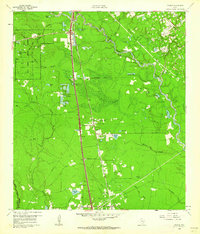 1961 Tamina1962 Print · USGSSouthern Montgomery County in the early sixties is a landscape of timber and oil, dominated by the West Fork San Jacinto River. Researchers can trace the roots of local communities at Tamina, locate family plots in the Tamina Cem, and explore the rail-side growth near Rayford.4 unique versions available
 - 1982 Map of Spring
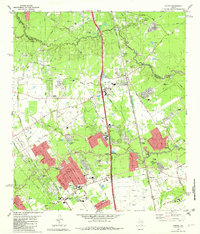 1982 Spring1982 Print · USGSNorth of Houston in the early 1980s, the Spring area was rapidly evolving from a rail-stop settlement into a sprawling suburban hub. Genealogists and historians can trace family-named sites like Ehrhardt Cem and Glameyer Cem alongside newer landmarks like Skyline Airport.
 - 1984 Map of Beaumont
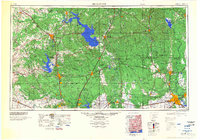 1984 Beaumont1984 Print · USGSSoutheast Texas in the late seventies and early eighties shows a landscape of expanding reservoirs and deep timber industry. Researchers can trace the development of the Sam Houston National Forest or locate regional landmarks like Grabbs Prairie and the Wynne State Prison Farm.3 unique versions available
 - 1985 Map of Conroe
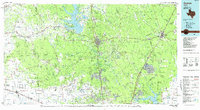 1985 Conroe1985 Print · USGSSoutheast Texas in the mid-eighties shows a landscape of timberlands and new lakeside developments. Researchers can trace the legacy of rail lines like the Southern Pacific RR or locate rural communities such as Plantersville, Yarboro, and Hufsmith.2 unique versions available
 - 1995 Map of Spring, 2000 Print
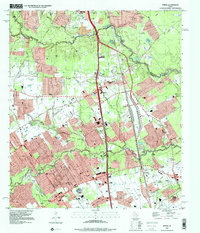 1995 Spring2000 Print · USGSThe northern reaches of Harris County are shown in the mid-1990s during a period of rapid suburban growth. Genealogists and local historians can trace family burial sites like Wunsche Cem and Budde Cem or locate the early campus of North Harris County College.
 - 2010 Map of Spring, 2010 Print
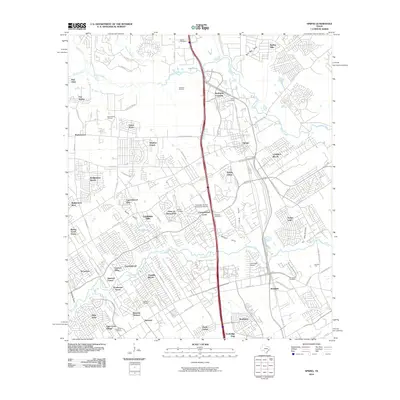 2010 Spring2010 Print · USGSNorthern Harris County is shown at a peak of suburban expansion during the early twenty-first century. Genealogists can locate several family cemeteries, including Spring Cemetery, while aviation enthusiasts can find the Goodyear Airship Operations Airport.
 - 2010 Map of Tamina, 2010 Print
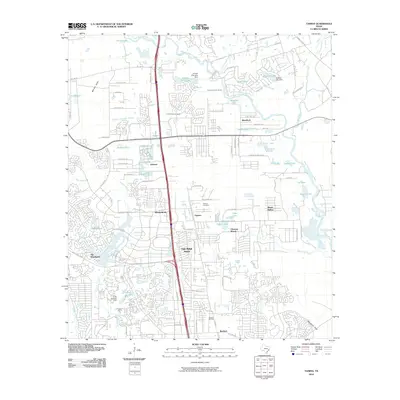 2010 Tamina2010 Print · USGSMontgomery County was undergoing rapid suburban transformation as the new millennium progressed. Trace the evolving boundaries of The Woodlands and Shenandoah or locate family history at the Tamina Cemetery and Rayford Oil Field.
 - 2013 Map of Spring, 2013 Print
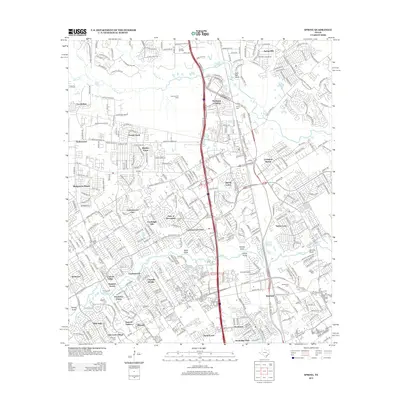 2013 Spring2013 Print · USGSSuburban development in north Houston at the start of the 2010s reveals a complex network of residential communities and legacy oil fields. Researchers can trace family history through numerous local burial sites like Wunsche Cem and Ehrhardt Cem or locate industrial landmarks such as the Kuhlman Oil Field.
 - 2013 Map of Tamina, 2013 Print
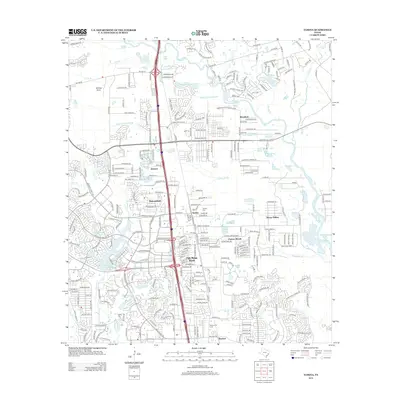 2013 Tamina2013 Print · USGSThe northern Houston suburbs show a mix of rapid growth and oil history in the early 2010s. Trace local roots through the Tamina Cem, the Rayford Oil Field, and established communities like Oak Ridge North and Woodloch.
 - 2016 Map of Spring, 2016 Print
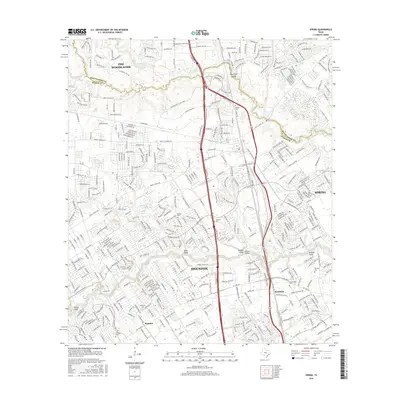 2016 Spring2016 Print · USGSThe northern edge of the Houston metro area comes into focus in this mid-2010s survey as suburban development reshapes the landscape. Genealogists can trace family heritage at Spring Cem, Wunsche Cem, and the historic settlement of Bammel.
 - 2016 Map of Tamina, 2016 Print
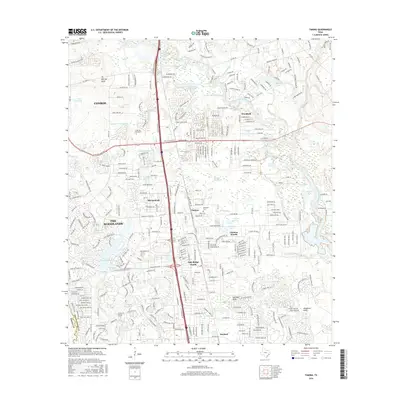 2016 Tamina2016 Print · USGSThe Montgomery County suburbs north of Houston are shown here in a period of intense development. Researchers can trace the layout of The Woodlands and Tamina, locating local landmarks like the Wilburton Cem and Lone Star Coll System.
 - 2019 Map of Tamina, 2019 Print
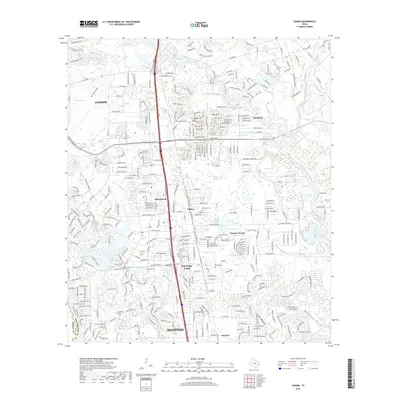 2019 Tamina2019 Print · USGSMontgomery County was undergoing significant suburban growth at the end of the 2010s. Genealogists and local historians can trace modern property lines alongside historical sites like Wilburton Cem and the river-bottom lakes of Rogers Lake and Barefoot Lake.
 - 2019 Map of Spring, 2019 Print
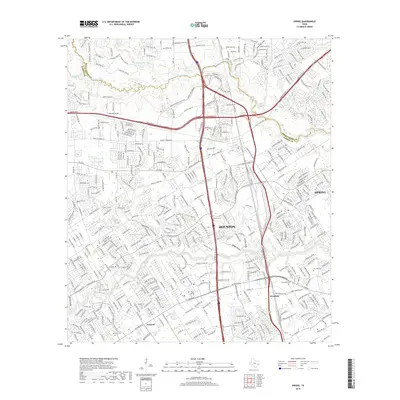 2019 Spring2019 Print · USGSNorth of Houston in the late 2010s, this area shows a landscape defined by the convergence of Spring Creek and Cypress Creek. Researchers can trace local lineage through sites like Wunsche Cem and the old communities of Westfield and Bammel.
 - 2022 Map of Tamina, 2022 Print
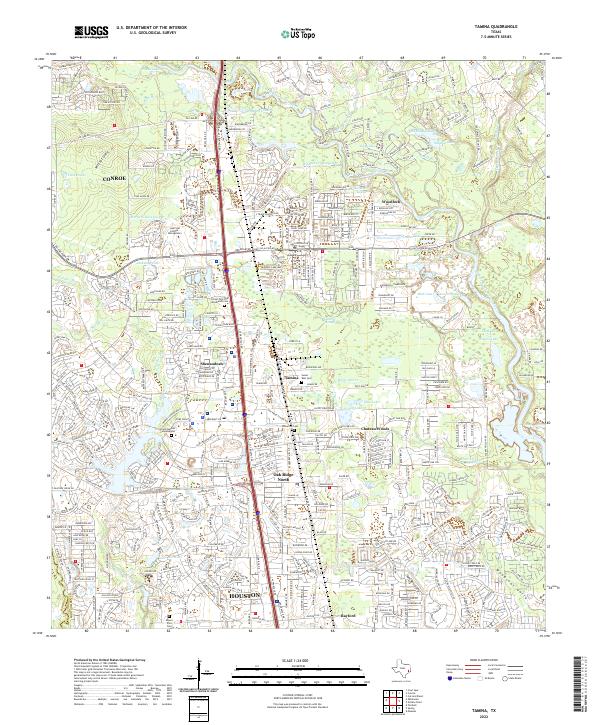 2022 Tamina2022 Print · USGSMontgomery County’s rapid transformation is on full display here in the early 2020s as residential growth surrounds established communities. Researchers can trace local heritage at Tamina, the Sweet Rest Cem, and the West Fork San Jacinto River valley.
 - 2023 Map of Spring, 2023 Print
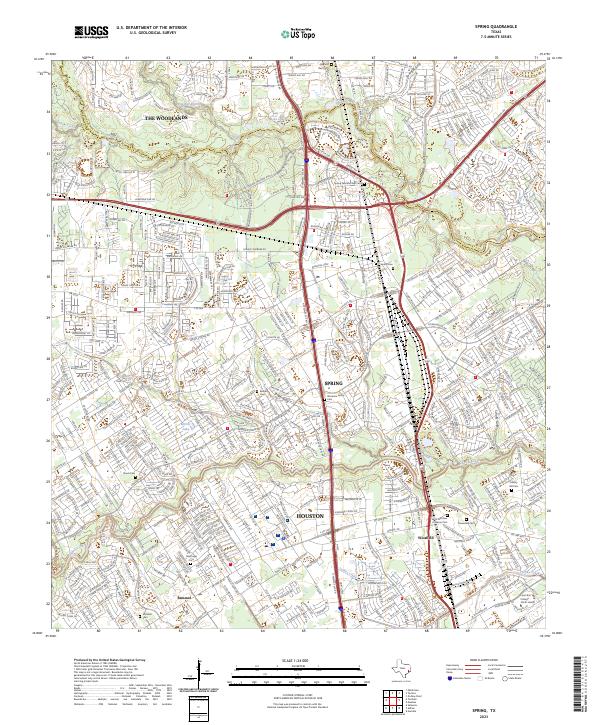 2023 Spring2023 Print · USGSThe Montgomery and Harris county line comes into focus in this recent study of the Spring Creek corridor. Genealogists can locate family burial sites like Wunsche Family Cem and Mueschke Cem amidst the modern growth of Spring and The Woodlands.
End of results
Showing maps 1-20 of 20
Frequently asked questions
- What are the different types of historical maps available for Grogan's Mill?
- What is the oldest map of Grogan's Mill?
- Where can I purchase historical maps of Grogan's Mill for my home or office?
- Where can I download high-res historical maps of Grogan's Mill?
- Are there historical topographic maps available for Grogan's Mill?
- Is there historical aerial imagery available for Grogan's Mill?
- Where are historical maps of Grogan's Mill sourced from?