1940s Maps of Essex, Vermont
Explore 11 historic maps of Essex from the 1940s. These maps offer a rare glimpse into what life looked like during the 1940s — showing old roads, neighborhoods, homes, and landmarks that have changed or disappeared over time.
Whether you're researching your family's past, planning a metal detecting trip, or studying how Essex's landscape evolved across the 1940s, these high-resolution maps are a powerful tool for exploring the history of this region.
- Focus on a specific era: All maps on this page are from the 1940s, giving you a focused view of this time period.
- See what’s changed: Compare century-old streets, trails, and buildings to today's modern landscape using overlays and satellite layers.
- Research with precision: Use these maps for genealogy, historical research, land use analysis, or educational projects.
- View, download, or print: Maps are fully viewable online in high resolution, and can be downloaded or printed for your own records.
Start exploring Essex's history through authentic maps from the 1940s. This is your window into the past.
Essex, VT maps
(11)- 1944 Map of Milton
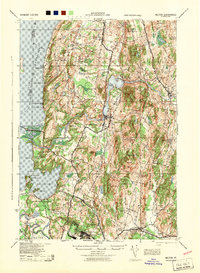 1944 Milton1944 Print · USGSThe Lake Champlain shoreline and the Lamoille River valley are captured here just before the mid-forties. Genealogists and local historians can trace rural schoolhouse districts, the grounds of Fort Ethan Allen, and early lakeside retreats like Camp Winisquam.
 - 1944 Map of Mount Mansfield
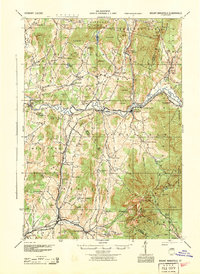 1944 Mount Mansfield1944 Print · USGSNorthern Vermont in the mid-1940s is defined here by high mountain peaks and a dense network of rural school districts. Genealogists can trace family footprints through numerous local landmarks like Irish Settlement Sch, Marses Mill, and the high-altitude Mt Mansfield Hotel.
 - 1944 Map of Burlington
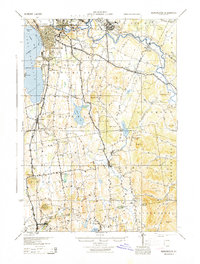 1944 Burlington1944 Print · USGSMid-century Burlington and its surrounding Lake Champlain shorelines are captured here at the height of the war years. Local historians can trace the Rutland Railroad through Shelburne or locate family sites near Prindle Corners and Fays Corners.2 unique versions available
 - 1948 Map of Essex Center, 1953 Print
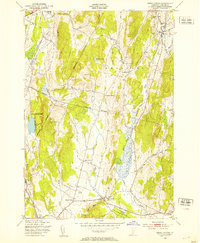 1948 Essex Center1953 Print · USGSChittenden County in the late 1940s is characterized by a network of crossroads settlements and small-scale quarries. Researchers can find old landmarks like St Anns Ch, the Central Vermont railroad, and family-named locations such as Butlers Corners.4 unique versions available
 - 1948 Map of Burlington, 1953 Print
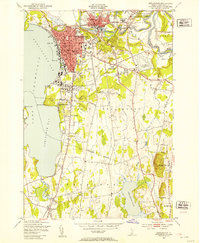 1948 Burlington1953 Print · USGSMid-century Burlington and its surrounding lakefront villages were thriving during this era of post-war growth. Researchers can trace the rail lines of the Rutland, locate the University of Vermont, and find early landmarks like Union Sta and Lakeview Cem.5 unique versions available
 - 1948 Map of Underhill, 1953 Print
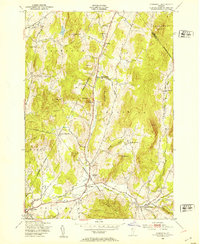 1948 Underhill1953 Print · USGSChittenden County in the late 1940s reveals a network of tight-knit rural school districts and river valley hamlets. Researchers can trace historic family-named landmarks and upland outposts like English Settlement Sch, Cloverdale, and Stevensville.4 unique versions available
 - 1948 Map of Fort Ethan Allen, 1953 Print
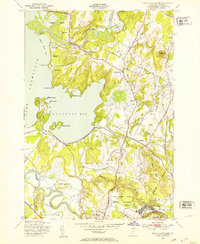 1948 Fort Ethan Allen1953 Print · USGSChittenden County’s shoreline and military history are preserved here just after the war. You can trace the footprint of the Fort Ethan Allen Military Reservation, locate old district schools like Blakey Sch, and explore the 1940s layout of Colchester.4 unique versions available
 - 1948 Map of Essex Junction, 1953 Print
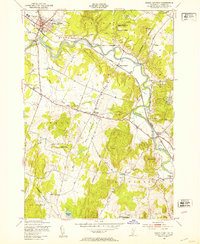 1948 Essex Junction1953 Print · USGSThe Winooski River valley in the late 1940s reveals a landscape of railroad towns and rural schoolhouses. Genealogists and historians can trace the early layout of Essex Junction and find long-lost landmarks like Kirby Corner, Fays Corner, and the Lake Iroquois Sch.5 unique versions available
 - 1948 Map of Burlington, 1954 Print
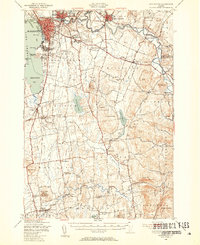 1948 Burlington1954 Print · USGSThe Lake Champlain shoreline and Winooski River valley are shown here just after the war, balancing urban growth with deep-rooted rural townships. Genealogists can locate family names and sites from St Michael College to remote landmarks like Prindle Corners and Fays Corner.4 unique versions available
 - 1948 Map of Mount Mansfield, 1954 Print
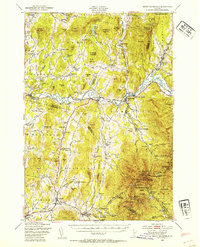 1948 Mount Mansfield1954 Print · USGSThe Green Mountains of Vermont meet the Lamoille River valley here during the post-war era, showing a mix of mountain tourism and traditional farming. Genealogists can trace family lines through the Irish Settlement and numerous rural sites like Sanderson Cem and Buck Hollow Sch.5 unique versions available
 - 1948 Map of Milton, 1954 Print
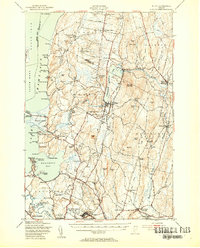 1948 Milton1954 Print · USGSMid-century Chittenden County shows a landscape of lakeside camps and interior dairy farms connected by the Central Vermont rail. Genealogists can trace family roots at St Anns Ch, Hope Cem, and vanished school districts like Silvertown Sch.4 unique versions available
End of results
Showing maps 1-11 of 11
Top cities near Essex
- Burlington historical maps
- South Burlington historical maps
- Colchester historical maps
- Essex Junction historical maps
- Williston historical maps
- Winooski historical maps
See more
Top neighborhoods of Essex
Frequently asked questions
- What are the different types of historical maps available for Essex?
- What is the oldest map of Essex?
- Where can I purchase historical maps of Essex for my home or office?
- Where can I download high-res historical maps of Essex?
- Are there historical topographic maps available for Essex?
- Is there historical aerial imagery available for Essex?
- Where are historical maps of Essex sourced from?