Old Maps of Chittenden, Vermont for Metal Detecting
Plan your next treasure hunt with 49 historic maps of Chittenden. Find old homesites, ghost towns, trails, and gathering spots that may be lost to time — perfect for identifying promising metal detecting locations.
- Locate forgotten sites: Uncover places like long-lost settlements, abandoned rail lines, or gathering spots.
- Plan better hunts: Use map overlays combined with LiDAR or satellite views to narrow in on historically rich areas.
- Made for detectorists: Thousands of hobbyists use these maps to discover relics, coins, and hidden history.
Use these historic maps to boost your research and find new opportunities beneath the surface of Chittenden.
Chittenden, VT maps
(49)- 1891 Map of Rutland, 1956 Print
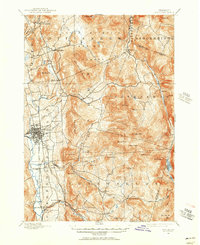 1891 Rutland1956 Print · USGSRutland and its surrounding mountain townships appear here during the expansion of the rail era in the late nineteenth century. Genealogists and historians can trace the early rail networks of the Central Vermont Railroad or locate family roots in communities like North Chittenden, East Pittsford, and Mendon.
 - 1893 Map of Rutland
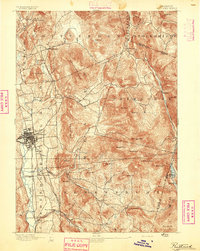 1893 Rutland1893 Print · USGSThe rail hub of the Green Mountains thrives in the 1890s as several lines converge in the valley below the great peaks. Researchers can trace the early rail stops at Cold River Sta. or locate high-altitude settlements like North Chittenden and North Sherburne.8 unique versions available
 - 1902 Map of Brandon, 1956 Print
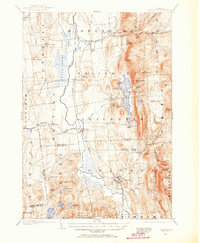 1902 Brandon1956 Print · USGSCentral Vermont at the turn of the century shows a landscape defined by the Otter Creek valley and the bustling Rutland Railroad. Genealogists and historians can trace old homesteads and rail sidings at Leicester Junction, Hyde Manor, and Forestdale.2 unique versions available
 - 1904 Map of Brandon
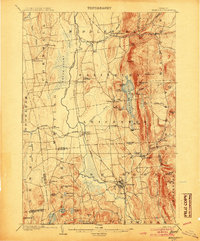 1904 Brandon1904 Print · USGSCentral Vermont at the opening of the century shows a landscape defined by the Rutland R.R. and the winding Otter Creek. Genealogists and researchers can trace local landmarks from Hyde Manor to the mills of Forestdale and the rail hub at Leicester Junction.5 unique versions available
 - 1915 Map of Rochester, 1963 Print
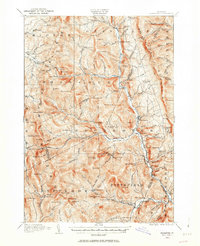 1915 Rochester1963 Print · USGSThe Green Mountains in the early twentieth century were a landscape of remote hollow schools and narrow valley settlements. Genealogists and historians can trace old property lines and landmarks like the Williams Mine, Hancock Tunnel, and the Texas School.
 - 1917 Map of Rochester
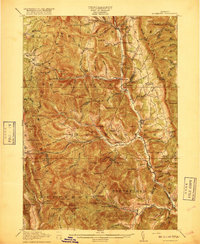 1917 Rochester1917 Print · USGSThe Green Mountains in the mid-1910s reveal a network of isolated valley settlements and high-altitude gaps. Genealogists and hikers can trace old mountain schools like Corner School and remote landmarks such as Bingo Camp and the Hancock Tunnel.5 unique versions available
 - 1920 Map of Brandon
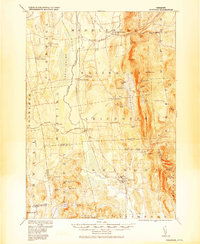 1920 Brandon1920 Print · USGSVermont's western foothills and the Otter Creek valley are shown in detail during the early twentieth century. Researchers can trace the Rutland R. R. through Leicester Junction and find historic landmarks like Hyde Manor and the Lime Kiln.
 - 1946 Map of Brandon
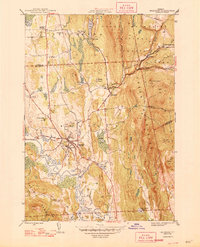 1946 Brandon1946 Print · USGSMid-century Rutland County shows a classic Vermont landscape of valley settlements and rising mountain forests. Researchers can trace the path of the Rutland railroad or locate local landmarks like the Brandon State Sch and Sanderson Bridge.6 unique versions available
 - 1950 Map of Glens Falls
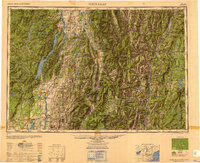 1950 Glens Falls1950 Print · USGSThe Adirondacks and the Green Mountains meet in this mid-century survey of the New York and Vermont borderlands. Researchers can trace the industrial rail corridors of the Rutland RR and Delaware & Hudson RR connecting Glens Falls, Rutland, and the shores of Lake George.
 - 1956 Map of Glens Falls, 1968 Print
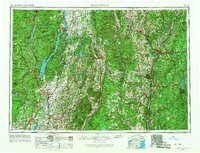 1956 Glens Falls1968 Print · USGSUpper New York and the Vermont mountains are captured here in the mid-fifties, showing the rugged rail-and-river network of the Northeast. Researchers can trace the paths of the Delaware and Hudson RR and Rutland RR as they wind through valley towns like Poultney and Whitehall.3 unique versions available
 - 1959 Map of Glens Falls
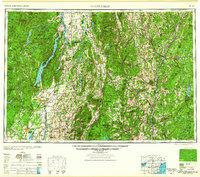 1959 Glens Falls1959 Print · USGSUpper New York and Vermont are captured here during the late 1950s, a period of transition for these mountain communities. Researchers can trace the legacy of the region's river-and-rail economy through landmarks like Lake George, Saratoga Springs, and Killington Peak.2 unique versions available
 - 1961 Map of Chittenden, 1964 Print
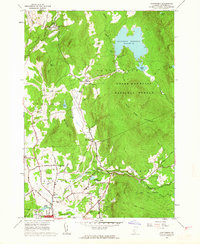 1961 Chittenden1964 Print · USGSThe Green Mountains of central Vermont appear here in the early sixties, showing the vital water systems and forests surrounding the Chittenden valley. Genealogists can locate family landmarks like Horton Cem, Baird Cem, and the Barstow Sch among the timbered ridges.5 unique versions available
 - 1961 Map of Pico Peak, 1964 Print
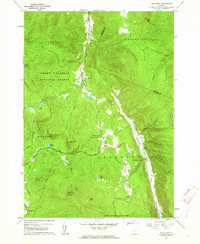 1961 Pico Peak1964 Print · USGSSherburne and the high peaks of the Green Mountains are captured here in the early 1960s as recreational skiing began to shape the peaks. Researchers can trace the junction of the Appalachian Trail, locate the Riverside Cem, and find local landmarks like the Sherburne Valley Sch.5 unique versions available
 - 1964 Map of Glens Falls
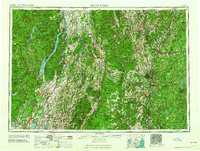 1964 Glens Falls1964 Print · USGSThe tri-state borderlands of New York, Vermont, and New Hampshire appear here in the mid-1960s. Researchers can trace the rail routes of the Rutland RR and find historic sites like Ticonderoga and Saratoga National Historical Park.
 - 1970 Map of Rochester, 1972 Print
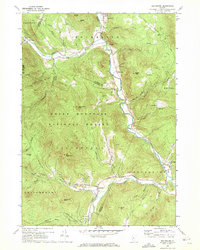 1970 Rochester1972 Print · USGSThe White River valley in the early seventies remains the heart of local life, with settlements like Rochester and Stockbridge anchored by the winding river. Researchers can trace family-named landmarks and rural outposts like Taleville, Jerusalem, and the St Dennis Ch across the mountain terrain.3 unique versions available
 - 1970 Map of Mount Carmel, 1972 Print
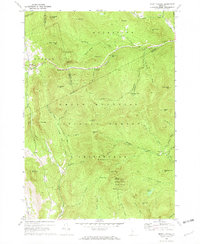 1970 Mount Carmel1972 Print · USGSThe Green Mountains in the early seventies are captured here in high detail at the meeting point of Rutland, Windsor, and Addison Counties. Researchers can locate remote burial sites like West Hill Cem and Wetmore Cem or trace trails past the Lookout Tower on Mount Carmel.
 - 1985 Map of Rutland, 1988 Print
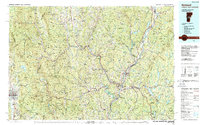 1985 Rutland1988 Print · USGSThe Upper Valley of the mid-1980s comes to life along the winding Connecticut River as it divides the Green Mountain and Granite states. Historians can trace the industrial rail hubs of White River Junction and the paths of the Appalachian Trail and Long Trail.
 - 1986 Map of Ticonderoga
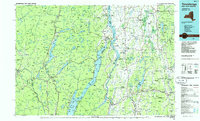 1986 Ticonderoga1986 Print · USGSThe Lake Champlain valley in the mid-eighties shows a landscape defined by Revolutionary War history and deep wilderness. Researchers can trace the Delaware and Hudson RR through the mountains or locate local landmarks like Fort Ticonderoga, St. Genevieve Cem, and the Ore Bed.
 - 1989 Map of Ticonderoga
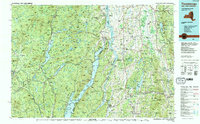 1989 Ticonderoga1989 Print · USGSThe Champlain Valley and Adirondack foothills meet in the late eighties, documenting a historic borderland defined by mountain lakes and timber. Genealogists and historians can trace the paths of the Delaware and Hudson RR or locate the Hubbardton Battlefield State Historic Site.2 unique versions available
 - 1997 Map of Rochester, 2000 Print
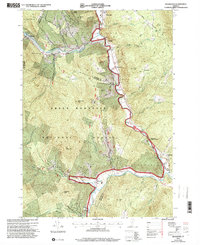 1997 Rochester2000 Print · USGSVermont's Green Mountains and river valleys are shown in detail during the late nineties, capturing a transition toward forest recreation and local heritage. Researchers can trace historic sites like the CCC Camp Interpretive Site, St Dennis Ch, and the hamlets of Talcville and Jerusalem.
 - 1997 Map of Brandon, 2000 Print
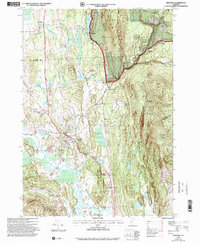 1997 Brandon2000 Print · USGSRutland County in the late nineties shows a landscape where historic valley settlements meet the rising Green Mountains. Researchers can trace the legacy of local education and industry through the Brandon State School, numerous Quarry sites, and the Churchill House.
 - 1997 Map of Mount Carmel, 2000 Print
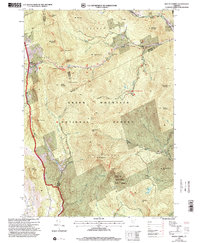 1997 Mount Carmel2000 Print · USGSRutland County's high ridges were meticulously mapped in the late nineties, documenting the intersection of the Green Mountain National Forest and local town boundaries. Researchers can trace remote mountain graveyards like Wetmore Cem and Bump Cem or locate early wilderness landmarks such as The Great Cliff and Boiling Spring.
 - 1997 Map of Chittenden, 2000 Print
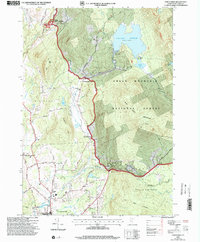 1997 Chittenden2000 Print · USGSVermont's Green Mountains reveal a landscape of high-elevation reservoirs and small upland settlements during the late nineties. Researchers can trace local history through sites like the Pittsford National Fish Hatchery, the Barstow Sch, and family burial grounds including Horton Cem.
 - 1997 Map of Pico Peak, 2000 Print
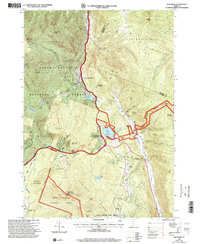 1997 Pico Peak2000 Print · USGSVermont's high Green Mountains are captured in the late nineties, documenting a landscape defined by winter recreation and wilderness conservation. Genealogists and hikers can trace the Appalachian National Scenic Trail past the South Hill Cem and into the Pico Peak Winter Sports Area.
 - 2012 Map of Pico Peak, 2012 Print
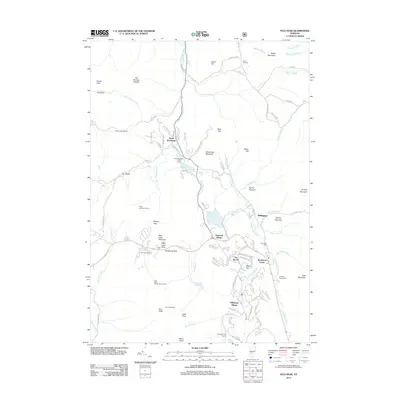 2012 Pico Peak2012 Print · USGSVermont's mountain resort culture and valley settlements are captured here in the early twenty-first century. Genealogists and hikers can trace family sites like the Anthony Family Cem and follow the Appalachian Trl past Pico Peak.
Showing maps 1-25 of 49
Top cities near Chittenden
- Rutland City historical maps
- Middlebury historical maps
- Randolph historical maps
- Brandon historical maps
- Poultney historical maps
- Clarendon historical maps
See more
Top neighborhoods of Chittenden
Frequently asked questions
- What are the different types of historical maps available for Chittenden?
- What is the oldest map of Chittenden?
- Where can I purchase historical maps of Chittenden for my home or office?
- Where can I download high-res historical maps of Chittenden?
- Are there historical topographic maps available for Chittenden?
- Is there historical aerial imagery available for Chittenden?
- Where are historical maps of Chittenden sourced from?