Old Maps of Vernon, Vermont for Genealogy
Trace your family roots with 64 historic maps of Vernon. These high-res maps reveal old neighborhoods, homesites, landmarks, and streets — helping you uncover where your ancestors lived and how the area evolved over time.
- Explore historic neighborhoods: Identify where your relatives may have lived in the 1800s or 1900s.
- Compare maps over time: Trace the changes in streets, buildings, and landmarks for multi-generational research.
- Perfect for genealogy & ancestry research: Used by family historians and researchers to map out lineage and migration.
These maps are an incredible resource for exploring your personal connection to Vernon's past.
Vernon, VT maps
(64)- 1887 Map of Warwick
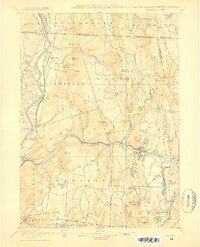 1887 Warwick1887 Print · USGSUpper Massachusetts and the New Hampshire border at the close of the nineteenth century reveal a landscape of river-powered industry and rail-connected villages. Researchers can trace the path of the Fitchburg R.R. through Millers Falls or locate early river crossings like Munns Ferry.
 - 1889 Map of Warwick
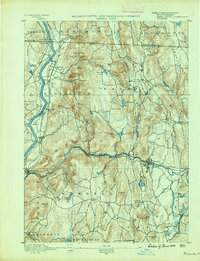 1889 Warwick1889 Print · USGSFranklin County in the late 1880s was defined by its busy rail junctions and river valleys. Genealogists and historians can trace the development of Orange and Northfield, or locate vanished rail stops like Gill Station and Wendell Depot along the Fitchburg Railroad.
 - 1890 Map of Greenfield
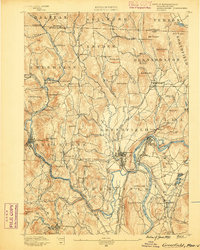 1890 Greenfield1890 Print · USGSFranklin County's industrial and rail corridors are captured in the late nineteenth century as the river valleys pulsed with water-powered manufacturing. Genealogists and historians can trace the foundations of Turners Falls, the layout of Lake Pleasant Camp Ground, and the rail connections at Conway Depot.
 - 1891 Map of Brattleboro
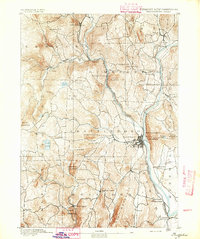 1891 Brattleboro1891 Print · USGSSouthern Vermont’s industrial and rail corridors are captured here in the late nineteenth century as the region transitioned into a hub for trade. Genealogists and local historians can trace the early rail stops at Putney Station, Dummerston Station, and the rural layout of Guilford Center.
 - 1893 Map of Brattleboro
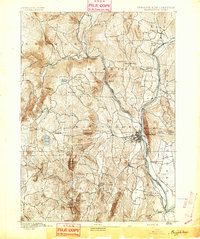 1893 Brattleboro1893 Print · USGSWindham County at the close of the nineteenth century reveals a landscape defined by its river-valley railroads and hill-country settlements. Genealogists and historians can trace defunct rail stops like Williamsville Station and Dummerston Station or locate family landmarks near Ginseng Hill and Hinesburg.7 unique versions available
 - 1894 Map of Greenfield
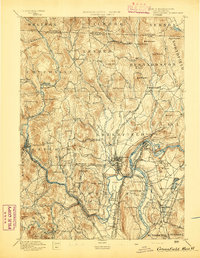 1894 Greenfield1894 Print · USGSFranklin County's industrial river valleys are captured here in the late 19th century as rail lines and water power drove local growth. Genealogists and historians can trace the foundations of Turner Falls, the transit hub at Cheapside, and the historic village of Deerfield.10 unique versions available
 - 1894 Map of Warwick
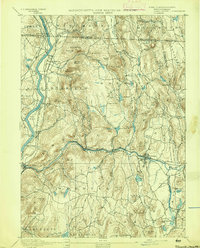 1894 Warwick1894 Print · USGSNorthern Massachusetts and New Hampshire borderlands are captured here in the late nineteenth century, showing a landscape shaped by the Millers River. Researchers can trace the path of the Central Vermont Railroad and find early settlements like Wendell Depot and Northfield.6 unique versions available
 - 1898 Map of Keene
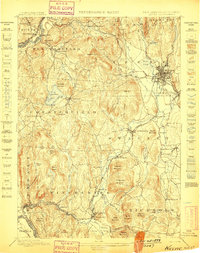 1898 Keene1898 Print · USGSCheshire County at the turn of the century reveals a landscape defined by the convergence of major rail lines and river industry. Genealogists and historians can trace the early footings of Keene or find vanished details in Westmoreland, Ashuelot, and at the East Putney Sta.7 unique versions available
 - 1932 Map of Brattleboro
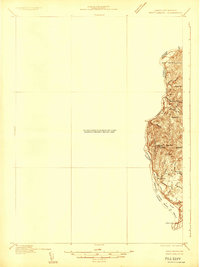 1932 Brattleboro1932 Print · USGSThe Connecticut River valley comes into sharp focus during the 1930s, showing a landscape of river-side rail and high ridge-lines. Genealogists and historians can trace the Boston and Maine line past West Chesterfield, the Monument Sch, and the notable Childs Monument.
 - 1932 Map of Warwick
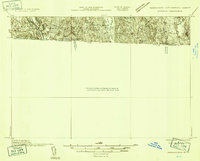 1932 Warwick1932 Print · USGSIn the early 1930s, the tri-state border region of Massachusetts, New Hampshire, and Vermont was a vital corridor of rail and river transit. Genealogists and researchers can trace the old rail lines of the Central Vermont Ry, locate the East Northfield Sta, or find family landmarks like Curtis Corners and Wheeler Fall.
 - 1932 Map of Keene, 1954 Print
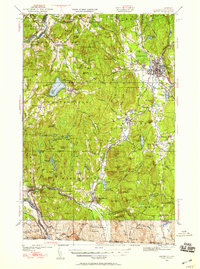 1932 Keene1954 Print · USGSCheshire County in the early 1930s is a landscape of river-powered mill towns and developing mountain retreats. Local historians can trace the Boston and Maine RR through Keene or find vanished rural landmarks like Meetinghouse Hill and the County Farm.3 unique versions available
 - 1935 Map of Brattleboro
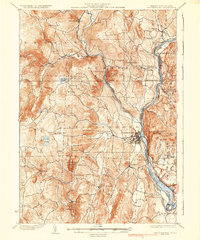 1935 Brattleboro1935 Print · USGSThe Connecticut River valley in the mid-1930s reveals a landscape of industrial river towns and upland farming hamlets. Genealogists can trace family sites near Guilford Center or follow the rail stops at Dummerston Station and Putney Station.5 unique versions available
 - 1935 Map of Warwick
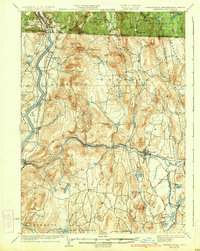 1935 Warwick1935 Print · USGSUpper Massachusetts and the Tri-State borderlands thrive during the mid-thirties as rail corridors and river valleys connect mountain villages. Researchers can trace the Central Vermont Ry through Northfield or locate family landmarks like Barrows Cem and Barber Sch.2 unique versions available
 - 1935 Map of Keene
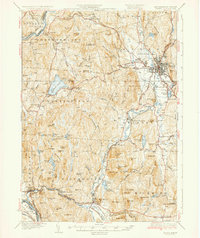 1935 Keene1935 Print · USGSCheshire County in the mid-1930s reveals a network of mill towns and rail junctions centered on the industrial hub of Keene. Genealogists and researchers can trace local landmarks like Meetinghouse Hill, the County Farm, and the Richmond Trout Rearing Station.5 unique versions available
 - 1936 Map of Bernardston
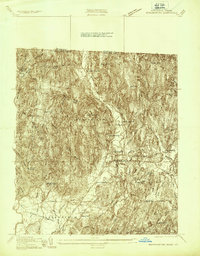 1936 Bernardston1936 Print · USGSFranklin County and the Vermont border are captured in the mid-1930s when the region was a network of rural school districts and rail-side villages. Genealogists and historians can trace the locations of the The Old Cemetery or specific local schools like West Gill Sch and School No 7.
 - 1936 Map of Northfield
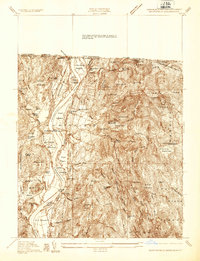 1936 Northfield1936 Print · USGSIn the mid-1930s, the Connecticut River valley at the tri-state border was a landscape of rail corridors and river crossings. Trace family roots at Coller Cem, locate the Deserted Village, or find old industrial sites like Warwick Mill.
 - 1941 Map of Bernardston
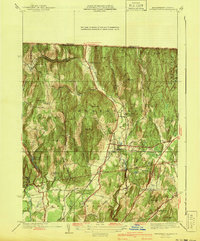 1941 Bernardston1941 Print · USGSFranklin County's rural landscape is captured here in the early 1940s as rail lines still defined the local economy. Researchers can locate numerous district schools and historic family landmarks like Hales Crossing, West Gill, and the Sunnyside Sch.3 unique versions available
 - 1941 Map of Northfield
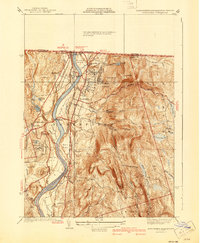 1941 Northfield1941 Print · USGSThe Connecticut River valley at the onset of the 1940s shows a landscape of busy rail lines and storied educational institutions. Genealogists and historians can trace Northfield landmarks like the Mt Hermon School, South Mtn Cem, and Schell Bridge.2 unique versions available
 - 1942 Map of Keene
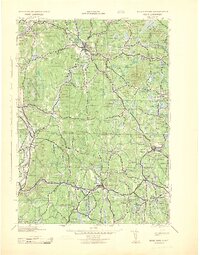 1942 Keene1942 Print · USGSCheshire County at the start of the war shows a landscape of busy river valleys and upland farms. You can trace the path of the Boston & Maine RR through towns like Westmoreland and find old district landmarks like Sch No 10 or the Rand Cem.
 - 1943 Map of Brattleboro
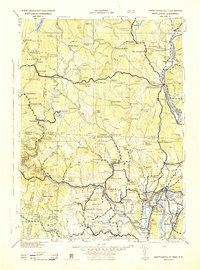 1943 Brattleboro1943 Print · USGSSouthern Vermont and the Massachusetts border area appear in this mid-century survey as a landscape of timbered peaks and river-connected villages. Genealogists can trace family roots through markers like Arms Cem or follow the rails at Dummerston Sta and Putney Sta.
 - 1945 Map of Northfield, 1958 Print
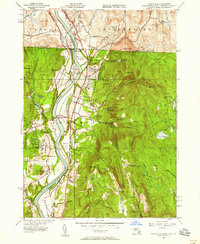 1945 Northfield1958 Print · USGSThe tri-state border region of Massachusetts, New Hampshire, and Vermont is shown here in the mid-1940s as a landscape of river-valley schools and railroads. Researchers can locate the Northfield Seminary, trace the Central Vermont Railway, or find family sites like Coller Cem and Sky Farm.2 unique versions available
 - 1945 Map of Bernardston, 1958 Print
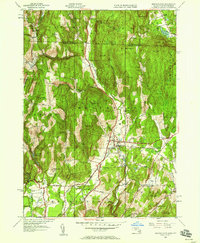 1945 Bernardston1958 Print · USGSFranklin County at the end of the Second World War remains a landscape of hill-country schools and river-valley rails. Genealogists can trace family footprints at The Old Chapel, Hales Crossing, and numerous rural schoolhouses like Sunnyside Sch and Baker Sch.
 - 1946 Map of Bernardston
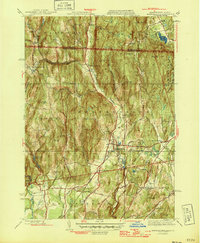 1946 Bernardston1946 Print · USGSFranklin County communities were firmly established along the rail lines and river valleys just after the war. Researchers can locate family landmarks like the Old Chapel, several rural schools, and the Old Cem near the Falls River.2 unique versions available
 - 1946 Map of Northfield
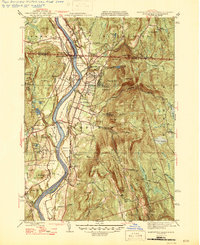 1946 Northfield1946 Print · USGSThe Connecticut River valley and the tri-state border region of Massachusetts, New Hampshire, and Vermont are captured here during the mid-forties. Researchers can trace the grounds of the Northfield Seminary, locate rural burial sites like South Mtn Cem, and follow the old rail lines serving Mt Hermon Sta.2 unique versions available
 - 1948 Map of Albany, 1951 Print
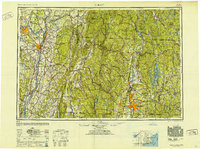 1948 Albany1951 Print · USGSThe Hudson and Connecticut River valleys are captured here in the late 1940s, showing the vital rail and water corridors of the Northeast. You can trace the Boston and Maine tracks past Mt Greylock or locate early settlements like Great Barrington and Bennington.
Showing maps 1-25 of 64
Top cities near Vernon
- Keene historical maps
- Greenfield historical maps
- Montague historical maps
- Orange historical maps
- Brattleboro historical maps
- Swanzey historical maps
See more
Top neighborhoods of Vernon
Frequently asked questions
- What are the different types of historical maps available for Vernon?
- What is the oldest map of Vernon?
- Where can I purchase historical maps of Vernon for my home or office?
- Where can I download high-res historical maps of Vernon?
- Are there historical topographic maps available for Vernon?
- Is there historical aerial imagery available for Vernon?
- Where are historical maps of Vernon sourced from?