Old Maps of Morattico, Virginia for Metal Detecting
Plan your next treasure hunt with 16 historic maps of Morattico. Find old homesites, ghost towns, trails, and gathering spots that may be lost to time — perfect for identifying promising metal detecting locations.
- Locate forgotten sites: Uncover places like long-lost settlements, abandoned rail lines, or gathering spots.
- Plan better hunts: Use map overlays combined with LiDAR or satellite views to narrow in on historically rich areas.
- Made for detectorists: Thousands of hobbyists use these maps to discover relics, coins, and hidden history.
Use these historic maps to boost your research and find new opportunities beneath the surface of Morattico.
Morattico, VA maps
(16)- 1917 Map of Morattico
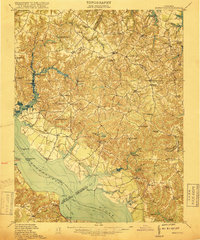 1917 Morattico1917 Print · USGSThe Northern Neck of Virginia is shown here in the years before the Great War, when the Rappahannock River was a busy Steamboat Route. Genealogists can locate family landmarks like Gordys Millpond, Lively, and the Marvin Grove Camp in this detailed look at early rural life.
 - 1918 Map of Morattico
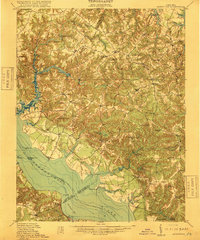 1918 Morattico1918 Print · USGSThe Northern Neck region relied heavily on the Rappahannock waterfront during the early twentieth century, when steamboats were still the primary connection to the outside world. Researchers can trace ancestral home sites and community centers from Lodge and Nuttsville to historic landmarks like Gibeon Church and Downings Mill.3 unique versions available
 - 1926 Map of Morattico, 1943 Print
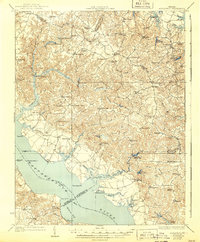 1926 Morattico1943 Print · USGSThe Rappahannock River and Northern Neck are captured in the mid-1920s, showing a landscape defined by tidewater commerce and rural tradition. Genealogists can trace family roots through numerous churches and schools like Totuskey Church, Folly School, and Sharps.
 - 1943 Map of Richmond, 1972 Print
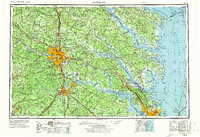 1943 Richmond1972 Print · USGSCoastal Virginia and the state capital are shown in detail during the mid-century era of infrastructure expansion. Genealogists and historians can trace the grounds of Richmond Nat Battlefield Park, locate the Yorktown Nat Cem, or follow the many rural routes through Amelia Court House and Tappahannock.
 - 1944 Map of Morattico
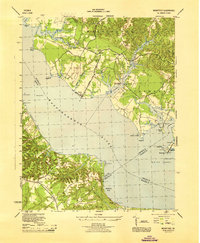 1944 Morattico1944 Print · USGSThe Rappahannock River divides the tidewater counties of Virginia during the mid-1940s, showing a landscape of maritime landings and small rural communities. Researchers can trace historic sites like True Reformers Hall, the Ebenezer Ch and Sch, and landings at Oakley Landing.2 unique versions available
 - 1949 Map of Richmond, 1951 Print
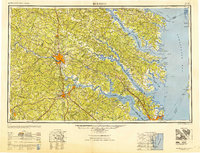 1949 Richmond1951 Print · USGSCoastal Virginia in the years following World War II remained a landscape of historic river towns and expanding military bases. Genealogists and historians can trace the rail lines of the Southern Ry and locate established landmarks from Camp Lee to the remote reaches of Dragon Swamp.
 - 1959 Map of Richmond
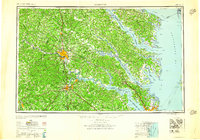 1959 Richmond1959 Print · USGSMid-century Virginia is captured here at its most vital rail and river junctions, from the capital city to the Chesapeake Bay. Genealogists and historians can trace the development of colonial settlements like Williamsburg and military landmarks including Fort Monroe and Camp Lee.
 - 1964 Map of Richmond
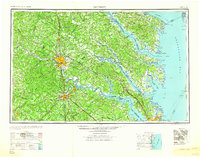 1964 Richmond1964 Print · USGSCoastal and central Virginia are mapped during the mid-twentieth century, showing the critical intersection of rail, river, and military life. Genealogists can trace family roots through rural county seats like Amelia or find vanished coastal neighborhoods near Phoebus and Hilton Village.
 - 1968 Map of Morattico, 1971 Print
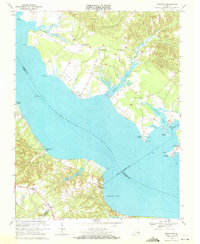 1968 Morattico1971 Print · USGSThe Rappahannock River defines this late 1960s survey of the Virginia Tidewater, where water and road networks meet at historic landings. Researchers can trace waterfront settlements like Sharps, Bowlers Wharf, and Morattico alongside rural landmarks like Ebenezer Ch.2 unique versions available
 - 1973 Map of Richmond, 1974 Print
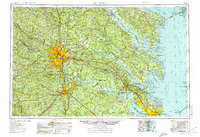 1973 Richmond1974 Print · USGSThe Virginia Tidewater and Piedmont come alive in the early seventies, showcasing a region defined by its great rivers and massive military installations. Researchers can trace the mid-century growth of Richmond or locate family sites near Amelia Court House and Highland Springs.2 unique versions available
 - 1984 Map of Tappahannock
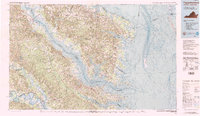 1984 Tappahannock1984 Print · USGSThe Northern Neck and Middle Peninsula of Virginia are captured in detail during the mid-1980s, showcasing the region's deep-rooted maritime and agricultural identity. Genealogists and local historians can trace family locations across the intricate shorelines of the Rappahannock River and settlements like Kilmarnock, Heathsville, and Urbanna.3 unique versions available
 - 2011 Map of Morattico, 2011 Print
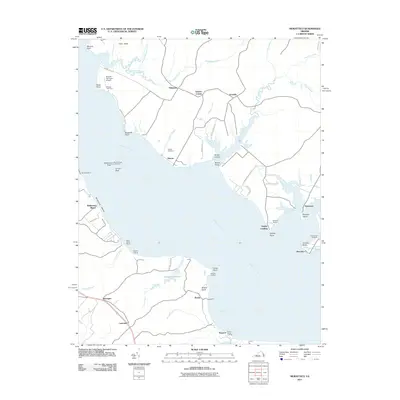 2011 Morattico2011 Print · USGSCoastal Virginia life centers on the Rappahannock River in the early twenty-first century, showing a landscape defined by historic landings and creeks. Researchers can trace family roots and maritime history at Milden Cemetery, Bowlers Rock Lighthouse, and Sharps.
 - 2014 Map of Morattico, 2014 Print
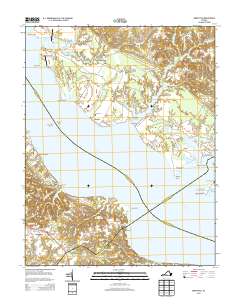 2014 Morattico2014 Print · USGSThe Rappahannock River dominates this 2014 survey of the Virginia Tidewater, where four counties meet at the water's edge. Genealogists and local historians can trace waterfront settlements like Morattico and Sharps or locate rural landmarks such as Milden Cem and the Bowlers Rock Lighthouse.
 - 2016 Map of Morattico, 2016 Print
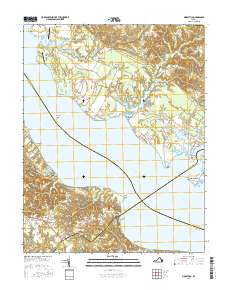 2016 Morattico2016 Print · USGSThe lower Rappahannock River waterfront comes into focus in this mid-2010s survey of the Virginia Tidewater region. Researchers can trace riverside heritage through named landings and burial sites like Milden Cem, Sharps, and the riverside hamlet of Morattico.
 - 2019 Map of Morattico, 2019 Print
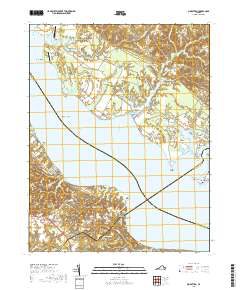 2019 Morattico2019 Print · USGSThe Northern Neck and Middle Peninsula meet at the Rappahannock River in this modern survey of Virginia's tidewater country. Genealogists and historians can trace riverside landings and rural communities like Morattico, Sharps, and the Milden Cem.
 - 2022 Map of Morattico, 2022 Print
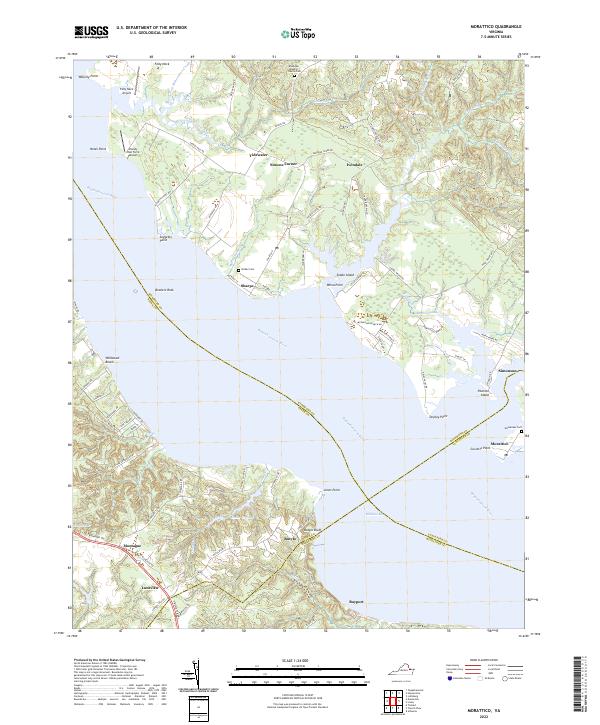 2022 Morattico2022 Print · USGSThe Rappahannock River shoreline and the crossroads of the Virginia Northern Neck are captured here in the early twenty-first century. Genealogists and historians can trace family roots through the Ebenezer Baptist Church Cem, Milden Cem, and the old river landing at Sharps.
End of results
Showing maps 1-16 of 16
Top cities near Morattico
- West Point historical maps
- Tappahannock historical maps
- Warsaw historical maps
- Irvington historical maps
- Saluda historical maps
- Urbanna historical maps
See more
Frequently asked questions
- What are the different types of historical maps available for Morattico?
- What is the oldest map of Morattico?
- Where can I purchase historical maps of Morattico for my home or office?
- Where can I download high-res historical maps of Morattico?
- Are there historical topographic maps available for Morattico?
- Is there historical aerial imagery available for Morattico?
- Where are historical maps of Morattico sourced from?