Old Maps of Camas, Washington
Explore 11 old maps of Camas, spanning from 1927 to today. These high-resolution historic maps reveal how streets, neighborhoods, landmarks, and natural features evolved over time — perfect for genealogy, metal detecting, research, and local history exploration.
What you can do with these maps:
- See how Camas changed over time: Compare historical maps to modern-day views to trace roads, homesites, rail lines & more.
- View detailed metadata: Each map includes creators, publishers, year, scale, and archive source.
- Overlay maps with satellite & LiDAR: Visualize the past alongside modern tools to explore terrain & human change.
- Trusted historical sources: Maps sourced from the USGS, Library of Congress, and other archives.
- Access maps your way: View online, download high-res files, or order prints for personal or research use.
Start exploring old maps of Camas to uncover forgotten places, hidden landmarks, and the deep history beneath your feet.
Camas, WA maps
(11)- 1927 Map of Chewelah, 1957 Print
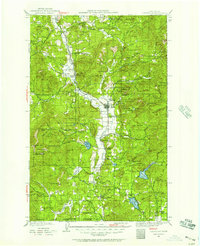 1927 Chewelah1957 Print · USGSStevens County was a hub of mining and rail during the late twenties, centered on the Colville River valley. Genealogists can trace family footprints through dozens of rural landmarks like Halfway House, Camas Sch, and the United Copper Mine.
 - 1930 Map of Chewelah
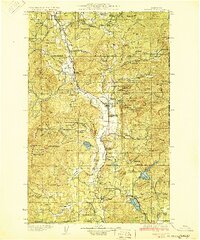 1930 Chewelah1930 Print · USGSStevens County's mining and timber landscape comes alive in the late 1920s, showing the vital rail-to-river corridor. Trace family roots and vanished industrial sites from Springdale to Chewelah, including the United Copper Mine and Bear Creek Sch.2 unique versions available
 - 1958 Map of Sandpoint, 1966 Print
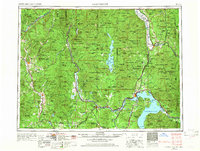 1958 Sandpoint1966 Print · USGSThe Idaho Panhandle and Northeast Washington are shown here in the late fifties, when timber and hydroelectric power drove the local economy. Trace family roots in rail-side towns like Cusick or Metaline Falls, and locate landmarks like the Albeni Falls Dam or Falls Ranger Station.2 unique versions available
 - 1963 Map of Sandpoint
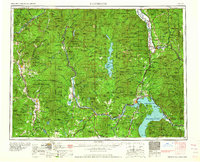 1963 Sandpoint1963 Print · USGSNorthern Idaho and eastern Washington are shown in the early sixties as a high-country network of timber, mining, and rail. Genealogists and historians can trace the Great Northern line through Metaline Falls, Bonners Ferry, and past the Finch Mine.
 - 1965 Map of Forest Center, 1967 Print
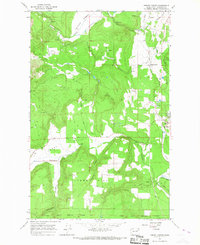 1965 Forest Center1967 Print · USGSSouthern Stevens County in the mid-sixties reveals a landscape defined by the Great Northern rail corridor and timbered hills. Genealogists and historians can trace family-named landmarks like Mickelson Road and Lyons Hill or locate the site of Forest Center.3 unique versions available
 - 1984 Map of Chewelah
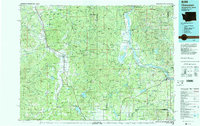 1984 Chewelah1984 Print · USGSNortheastern Washington in the mid-1980s is documented here through its valley settlements and mountain mining districts. Researchers can trace the Burlington Northern line between Springdale and Addy, or locate historical operations like the Wells Fargo Mine and Keystone Mine.
 - 2011 Map of Forest Center, 2011 Print
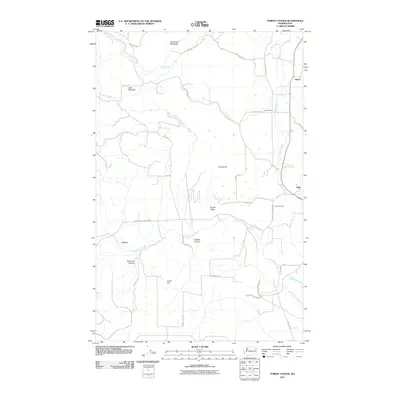 2011 Forest Center2011 Print · USGSStevens County is surveyed here in the early 2000s, showing a landscape defined by the Colville River and rural crossroads. You can trace family lands and homesteads near Forest Center, Haverland Meadows, and Camas Valley.
 - 2014 Map of Forest Center, 2014 Print
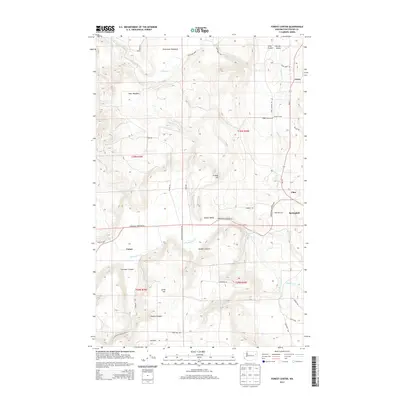 2014 Forest Center2014 Print · USGSThe Colville River valley comes into focus in this 2014 survey of Stevens County, Washington. Trace the rural landscape through the settlements of Springdale and Forest Center, or locate family-named features like Lyons Hill and Camas Valley.
 - 2017 Map of Forest Center, 2017 Print
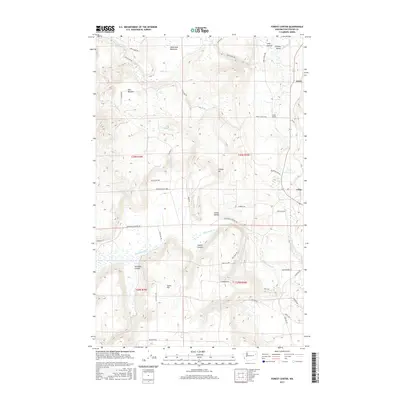 2017 Forest Center2017 Print · USGSThe Colville River valley and the rugged meadows of Stevens County are captured here in the early twenty-first century. Researchers can trace rural settlement patterns and local landmarks from Grays down to Forest Center, including Haverland Meadows and Camas Valley.
 - 2020 Map of Forest Center, 2020 Print
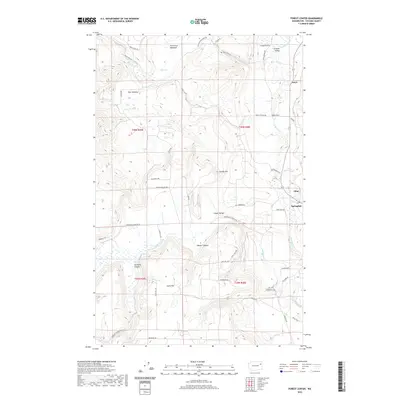 2020 Forest Center2020 Print · USGSSpringdale and the Colville Valley are documented here in 2020, showing a landscape of rural settlements and distinct geographic basins. Genealogists and local historians can trace the roads connecting Haverland Meadows, Grays, and Forest Center.
 - 2023 Map of Forest Center, 2023 Print
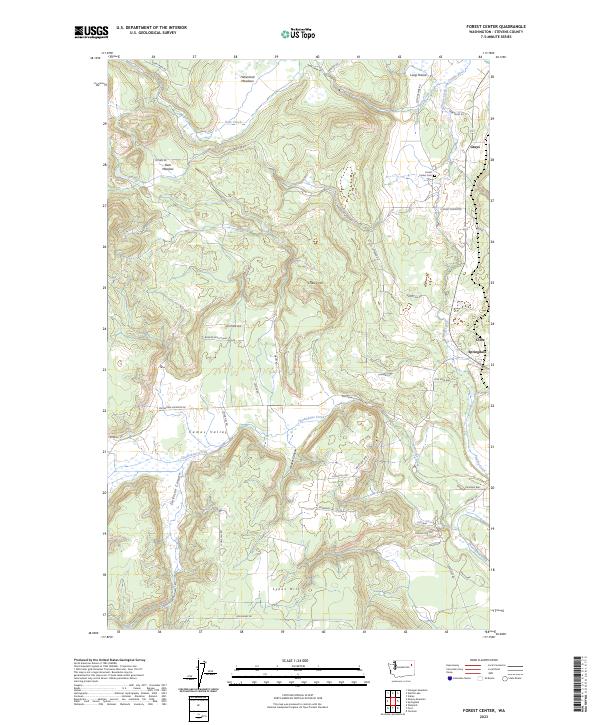 2023 Forest Center2023 Print · USGSThe Stevens County backcountry near Springdale is captured here in its modern rural character, defined by valley meadows and high ridges. Genealogists and hikers can trace the geography of Forest Center Cem and the drainages of Chamokane Creek and Deer Creek.
End of results
Showing maps 1-11 of 11
Top cities near Camas
Frequently asked questions
- What are the different types of historical maps available for Camas?
- What is the oldest map of Camas?
- Where can I purchase historical maps of Camas for my home or office?
- Where can I download high-res historical maps of Camas?
- Are there historical topographic maps available for Camas?
- Is there historical aerial imagery available for Camas?
- Where are historical maps of Camas sourced from?