Old Maps of Port Kelley, Washington for Metal Detecting
Plan your next treasure hunt with 12 historic maps of Port Kelley. Find old homesites, ghost towns, trails, and gathering spots that may be lost to time — perfect for identifying promising metal detecting locations.
- Locate forgotten sites: Uncover places like long-lost settlements, abandoned rail lines, or gathering spots.
- Plan better hunts: Use map overlays combined with LiDAR or satellite views to narrow in on historically rich areas.
- Made for detectorists: Thousands of hobbyists use these maps to discover relics, coins, and hidden history.
Use these historic maps to boost your research and find new opportunities beneath the surface of Port Kelley.
Port Kelley, WA maps
(12)- 1915 Map of Wallulah
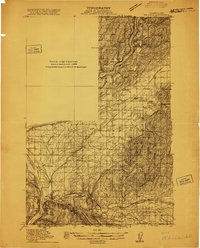 1915 Wallulah1915 Print · USGSThe convergence of the Snake and Columbia rivers in the mid-1910s reveals a landscape defined by steam power and irrigation. Genealogists and rail historians can trace early settlements like Attalia and Two Rivers alongside the path of the Oregon-Washington RR & Nav Co.
 - 1918 Map of Wallula, 1942 Print
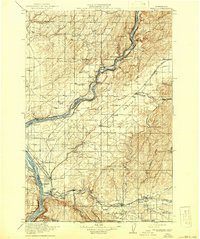 1918 Wallula1942 Print · USGSThe river-and-rail hubs of the Walla Walla Valley are captured here as they appeared between the world wars. Researchers can trace the path of the Wallula Ferry, locate early country schools like Frog Hallow School, and follow the complex rail lines through Eureka.2 unique versions available
 - 1953 Map of Walla Walla, 1964 Print
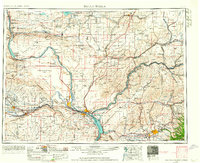 1953 Walla Walla1964 Print · USGSSoutheast Washington enters the atomic and hydroelectric age in the mid-twentieth century as new dams reshape the desert landscape. You can trace the development of the Hanford Works, identify remote rail stops like Novara Siding, and locate the historic Dry Creek Cem.3 unique versions available
 - 1958 Map of Walla Walla
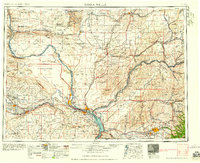 1958 Walla Walla1958 Print · USGSThe Tri-Cities and Walla Walla region are captured here during the mid-century expansion of atomic energy and river infrastructure. Genealogists and historians can trace the early layout of Richland (AEC), the rural Hatton and Washtucna settlements, and landmarks like Palouse Falls State Park.
 - 1964 Map of Wallula, 1965 Print
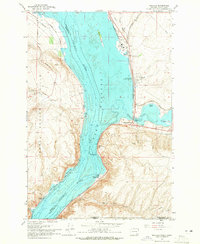 1964 Wallula1965 Print · USGSThe Columbia River corridor was a bustling hub of rail and river commerce in the mid-1960s as several major railroads converged at the Wallula Gap. Local historians can trace the industrial footprint of Attalia, find the Fort Walla Walla Historical Monument, and locate the Gaging Station Madame Dorion Bridge crossing the Walla Walla River.2 unique versions available
 - 1980 Map of Walla Walla
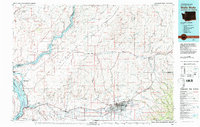 1980 Walla Walla1980 Print · USGSThe Walla Walla Valley in the early eighties shows a landscape of deep-rooted agriculture and massive hydroelectric development. Researchers can trace the rail junctions at Wallula Junction, visit the historic Fort Walla Walla, or locate old landmarks like the Mountain View Cem.2 unique versions available
 - 1992 Map of Wallula
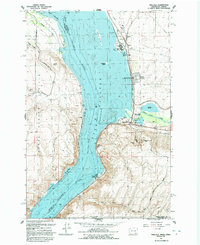 1992 Wallula1992 Print · USGSThe Columbia River corridor near the turn of the 1990s shows a landscape of vital rail lines and river industry. Genealogists and historians can trace the foundations of Wallula and Attalia, and locate landmarks like Wallula Cem and Twin Sisters.
 - 2011 Map of Wallula, 2011 Print
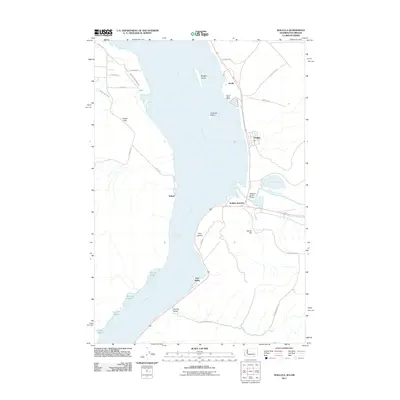 2011 Wallula2011 Print · USGSThe Columbia River corridor south of the Tri-Cities is captured here in the early twenty-first century as a vital transportation and industrial hub. Trace the rail-and-water networks connecting Wallula Junction, the Port of Walla Walla, and the historic Wallula Gap.
 - 2014 Map of Wallula, 2014 Print
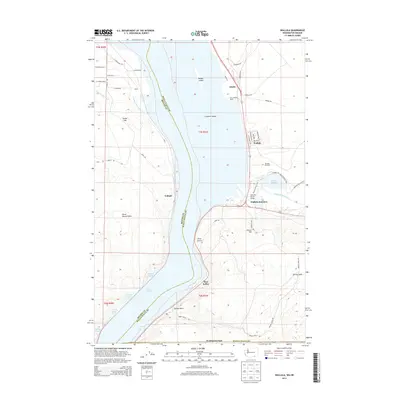 2014 Wallula2014 Print · USGSThe Columbia River dominates this 2010s landscape near the Washington-Oregon border as it meets the Walla Walla River. Researchers can trace the riverfront rail lines and settlements at Wallula, Attalia, and the Port of Walla Walla near Twin Sisters.
 - 2017 Map of Wallula, 2017 Print
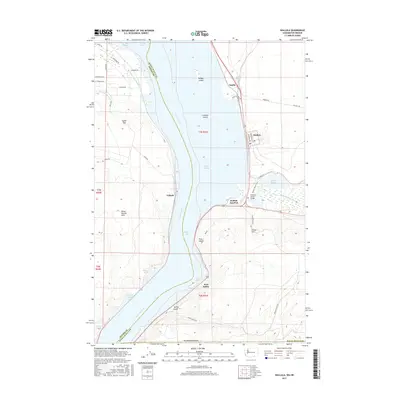 2017 Wallula2017 Print · USGSThe Columbia River corridor near the Washington-Oregon border is documented here in the late twenty-tens, showing the vital confluence at Wallula. Researchers can trace local landmarks like the Madame Dorion Bridge, the Twin Sisters formations, and the old rail siding at Yellepit.
 - 2020 Map of Wallula, 2020 Print
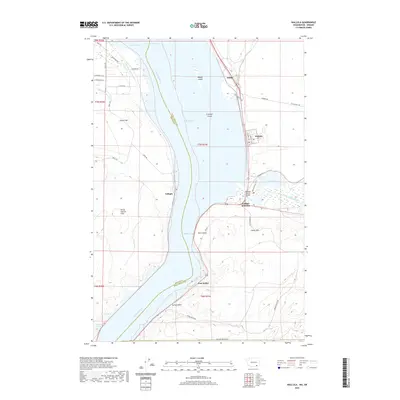 2020 Wallula2020 Print · USGSThe Columbia River corridor near the Washington-Oregon border is shown in detail during the early 21st century. Researchers can trace the riverfront developments at Wallula, follow the rail paths through Attalia, or locate the Madame Dorion Bridge near the mouth of the Walla Walla River.
 - 2023 Map of Wallula, 2023 Print
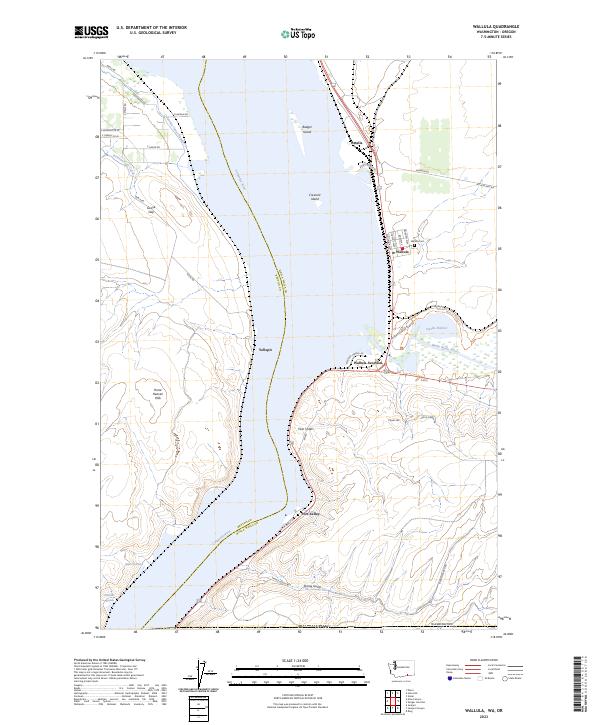 2023 Wallula2023 Print · USGSThe Columbia River shoreline in Walla Walla County is captured here at a time when industrial transport and conservation efforts meet. Genealogists and historians can trace local family roots at Wallula Cem or explore the sites of Attalia, Port Kelley, and Wallula Junction.
End of results
Showing maps 1-12 of 12
Top cities near Port Kelley
Frequently asked questions
- What are the different types of historical maps available for Port Kelley?
- What is the oldest map of Port Kelley?
- Where can I purchase historical maps of Port Kelley for my home or office?
- Where can I download high-res historical maps of Port Kelley?
- Are there historical topographic maps available for Port Kelley?
- Is there historical aerial imagery available for Port Kelley?
- Where are historical maps of Port Kelley sourced from?