Old Maps of Droop, West Virginia for Metal Detecting
Plan your next treasure hunt with 19 historic maps of Droop. Find old homesites, ghost towns, trails, and gathering spots that may be lost to time — perfect for identifying promising metal detecting locations.
- Locate forgotten sites: Uncover places like long-lost settlements, abandoned rail lines, or gathering spots.
- Plan better hunts: Use map overlays combined with LiDAR or satellite views to narrow in on historically rich areas.
- Made for detectorists: Thousands of hobbyists use these maps to discover relics, coins, and hidden history.
Use these historic maps to boost your research and find new opportunities beneath the surface of Droop.
Droop, WV maps
(19)- 1891 Map of Huntersville
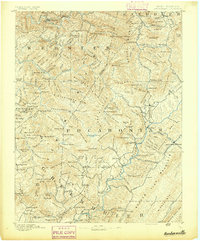 1891 Huntersville1891 Print · USGSPocahontas County in the 1890s is a land of steep ridges and early river settlements before the arrival of modern highways. Researchers can trace ancestral locations along the Greenbrier River, identifying early sites like Hillsboro Academy P.O. and Marlinton.
 - 1894 Map of Huntersville
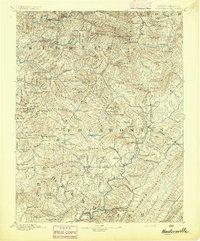 1894 Huntersville1894 Print · USGSPocahontas and Webster counties are captured in the late nineteenth century as a network of mountain settlements and river headwaters. Researchers can trace old mountain homesteads and community sites like Hillsboro Academy, Hunter Place, and Aylmer.5 unique versions available
 - 1923 Map of Lobelia
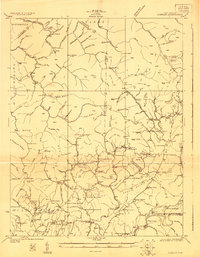 1923 Lobelia1923 Print · USGSGreenbrier and Pocahontas Counties are shown in the early 1920s as mountain farming and timber harvesting shaped the landscape. Researchers can trace dozens of rural institutions, from Ellis Chapel and Band of Hope Church to remote schools like West Droop School.2 unique versions available
 - 1925 Map of Lobelia
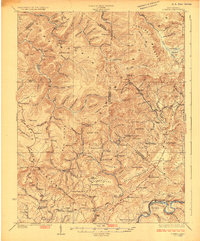 1925 Lobelia1925 Print · USGSThe mountains and wetlands of Greenbrier County are captured here in the mid-1920s, showing a landscape of high ridges and rural valley settlements. Trace old family sites and mountain outposts like Lobelia, Trout Valley, and the Cranberry Glades.2 unique versions available
 - 1935 Map of Lobelia, 1959 Print
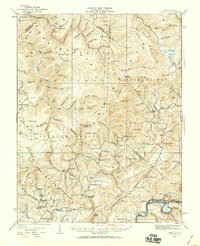 1935 Lobelia1959 Print · USGSThe Greenbrier County backcountry is shown in the mid-1930s, just as the regional forest service infrastructure was expanding. Genealogists and historians can trace numerous rural schoolhouses and churches, from Beulah Church to the Baldwin School and the remote Trout PO.2 unique versions available
 - 1939 Map of Lobelia
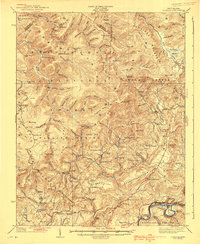 1939 Lobelia1939 Print · USGSGreenbrier and Pocahontas counties appear here in the years before the war, characterized by high mountain plateaus and a dense network of rural schoolhouses. Researchers can trace family roots through sites like Rockcamp Cem, Bethel Church, and the Trout Valley Trout Post Office.2 unique versions available
 - 1954 Map of Charleston
 1954 Charleston1954 Print · USGSWest Virginia’s industrial heart and mountain highlands are captured here during the mid-fifties, centered on the capital city. Researchers can trace historic river-and-rail corridors along the Kanawha River and locate remote peaks within the Monongahela National Forest.
 - 1957 Map of Charleston, 1966 Print
 1957 Charleston1966 Print · USGSMid-century West Virginia unfolds along the industrial Kanawha River valley and into the high Allegheny Mountains. Genealogists and historians can trace the vital rail lines of the Chesapeake and Ohio and locate riverside settlements from Saint Albans to Buckhannon.3 unique versions available
 - 1958 Map of Charleston
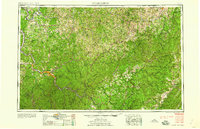 1958 Charleston1958 Print · USGSMid-century West Virginia is defined here by the industrial corridor of the Kanawha River and the high ridges of the Allegheny Mountains. Researchers can trace the rail networks of the New York Central or locate remote highland communities like Pickens and Hillsboro.
 - 1961 Map of Charleston
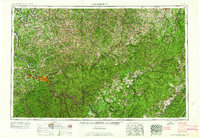 1961 Charleston1961 Print · USGSWest Virginia's capital region and the highlands to the east are shown in detail during the early sixties. Genealogists and historians can trace rail networks like the Baltimore and Ohio RR and find early state parks such as Watoga State Park.
 - 1973 Map of Droop, 1989 Print
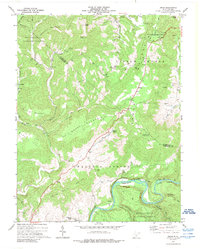 1973 Droop1989 Print · USGSHighland ridges and river valleys define this part of Greenbrier County in the early seventies, centered on the site of a historic battlefield. Local researchers can trace family names and landmarks like Renicks Valley, Mt Zion Ch, and the Covered Bridge along Locust Creek.
 - 1977 Map of Droop, 1978 Print
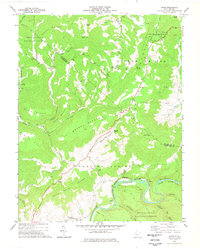 1977 Droop1978 Print · USGSGreenbrier and Pocahontas counties meet in this mid-1970s mountain survey, where high ridges overlook the river-and-rail corridor. You can trace family sites near Whiteoak Grove, locate the Covered Bridge at Droop, and explore the grounds of Droop Mountain Battlefield State Park.
 - 1979 Map of Marlinton, 1982 Print
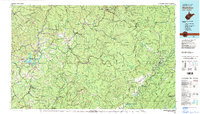 1979 Marlinton1982 Print · USGSThe West Virginia highlands are shown in detail during the late seventies, featuring the dense rail networks and mountain towns of the Allegheny range. Researchers can trace family roots through sites like Buckeye Cem, Mount Nebo Ch, and the lumber and coal hubs of Richwood and Rainelle.
 - 1995 Map of Droop, 1998 Print
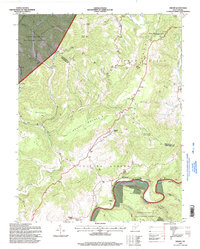 1995 Droop1998 Print · USGSThe Greenbrier highlands come into focus in the mid-nineties, showing the intersection of agricultural plateaus and national forest wilderness. Genealogists can trace family landmarks like Sunset Cem and Kellison Cem near Droop or the Covered Bridge on Locust Creek.
 - 2011 Map of Droop, 2011 Print
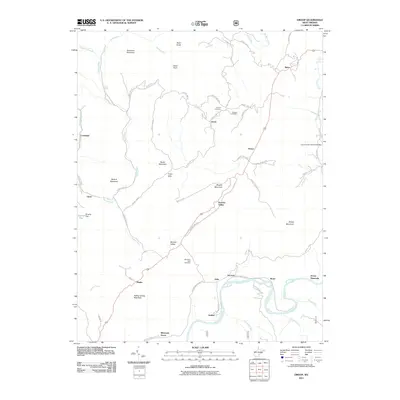 2011 Droop2011 Print · USGSGreenbrier and Pocahontas counties come together at this high mountain pass in the early twenty-first century. Researchers can trace rural landmarks from the Locust Creek Covered Bridge to the historic grounds of Droop Mountain Battlefield State Park.
 - 2014 Map of Droop, 2014 Print
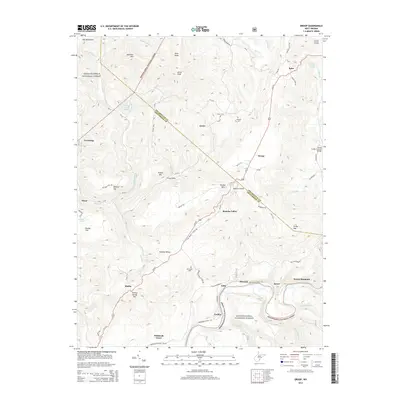 2014 Droop2014 Print · USGSThe Pocahontas and Greenbrier county line runs through this highland region during the early twenty-first century. Researchers can locate remote mountain cemeteries like Mtn Gate Cem and the historic Locust Creek Covered Bridge near the Greenbrier River.
 - 2016 Map of Droop, 2016 Print
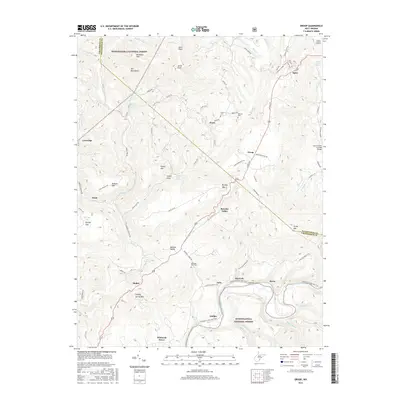 2016 Droop2016 Print · USGSThe Greenbrier and Pocahontas county line crosses this mountain landscape as it appeared in recent years, centered on the historic Droop Mtn area. Genealogists and historians can trace old homesteads and mountain burials at Kellison Cem, Sunset Cem, and the rural settlement of Renicks Valley.
 - 2019 Map of Droop, 2019 Print
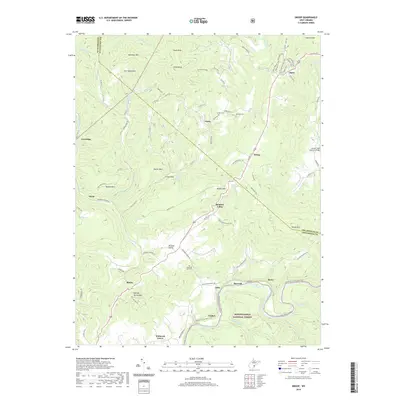 2019 Droop2019 Print · USGSIn the highlands of Greenbrier and Pocahontas counties, this modern survey details the transition from the Yew Mountains to the Little Levels. Researchers can trace the path of the Greenbrier River Rail-Trail or locate the Locust Creek Covered Bridge and Mountain Gate Cem.
 - 2023 Map of Droop, 2023 Print
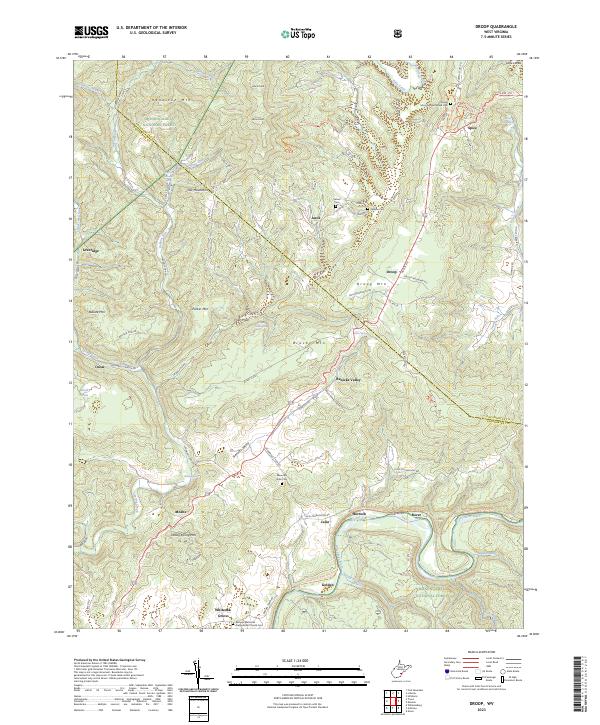 2023 Droop2023 Print · USGSGreenbrier and Pocahontas counties meet in this rugged highland region, where the history of the Civil War era is preserved in local landmarks. Researchers can trace the legacy of early settlements through Mountain Battlefield Cem, Renicks Valley, and Whiteoak Grove.
End of results
Showing maps 1-19 of 19
Top cities near Droop
Frequently asked questions
- What are the different types of historical maps available for Droop?
- What is the oldest map of Droop?
- Where can I purchase historical maps of Droop for my home or office?
- Where can I download high-res historical maps of Droop?
- Are there historical topographic maps available for Droop?
- Is there historical aerial imagery available for Droop?
- Where are historical maps of Droop sourced from?