Old Maps of Pilsen, Wisconsin for Academic Research
Study the evolution of Pilsen with 31 high-resolution historic maps. Whether you're teaching, researching, or modeling changes in land use, these maps provide essential visual documentation of urban, environmental, and geographic change.
- Analyze long-term change: Track patterns in development, transportation, and natural features.
- Ideal for environmental or urban studies: Support academic projects with primary historical map data.
- Use in the classroom or lab: Educators and researchers rely on these maps to bring historical context to life.
These maps are a powerful tool for teaching, research, and visualizing how Pilsen has changed over the decades.
Pilsen, WI maps
(31)- 1943 Map of Iron Lake, 1952 Print
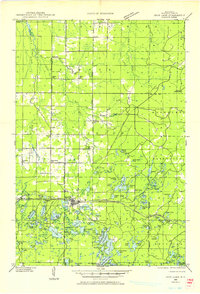 1943 Iron Lake1952 Print · USGSBayfield County at the height of the 1940s reveals a landscape of lakeside settlements and rural school districts centered around Iron River. Genealogists and local researchers can trace early homesteads and landmarks like Hillside Cem, Washington Sch, and the Iron River Fire Tower.
 - 1944 Map of Moquah, 1952 Print
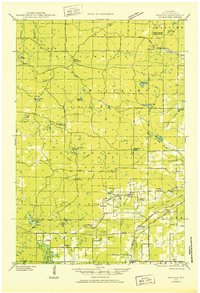 1944 Moquah1952 Print · USGSBayfield County at the end of the Second World War shows a landscape of timber-town history and rural school districts. Genealogists and historians can trace the foundations of Moquah, locate family-named schoolhouses like Gednota Sch, and follow the long-vanished Old Grade logging routes.2 unique versions available
 - 1947 Map of Moquah
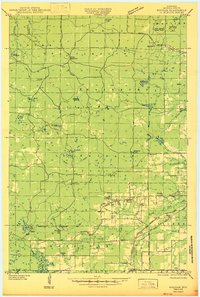 1947 Moquah1947 Print · USGSBayfield County in the late 1940s reveals a landscape of rural schoolhouses and forest management hubs like the Brinks Ranger Sta. Genealogists and historians can trace family locations near Hillsdale Sch, Gednota Sch, and the rail stop at Ino Sta.
 - 1947 Map of Iron Lake
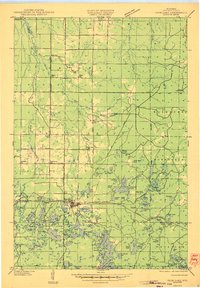 1947 Iron Lake1947 Print · USGSBayfield County at the end of the 1940s reveals a landscape of lakeside settlements and rural school districts linked by the Northern Pacific line. Researchers can trace local genealogy at Hillside Cem or locate former community sites like Kolin and Miles Sch.
 - 1953 Map of Ashland, 1964 Print
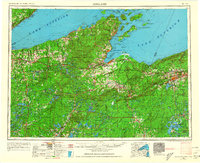 1953 Ashland1964 Print · USGSNorthern Wisconsin's lakefront and timberlands are seen here in the mid-1950s, showing the intersection of industrial rail lines and vast wilderness. Genealogists and historians can trace the Soo Line through rail towns like Mellen or locate family roots in the Apostle Islands and Bad River Indian Reservation.3 unique versions available
 - 1958 Map of Ashland
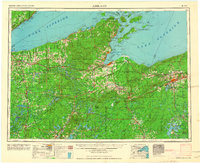 1958 Ashland1958 Print · USGSCoastal Wisconsin and the Michigan borderlands meet here in the late fifties, dominated by the timbered expanses and iron-rich ranges. Genealogists can trace family footprints in settlements like Odanah and Montreal, or locate landmarks such as the Coast Guard Station and Agricultural Experiment Station.
 - 1961 Map of Iron Lake, 1963 Print
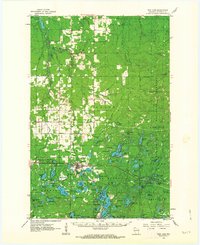 1961 Iron Lake1963 Print · USGSNorthern Wisconsin's timber and rail corridor is captured here in the early sixties, centered on the junction at Iron River. Genealogists and local researchers can locate family sites near Hillside Cem, Oulu Ch, and the old Townhall.2 unique versions available
 - 1961 Map of Iron Lake SE, 1985 Print
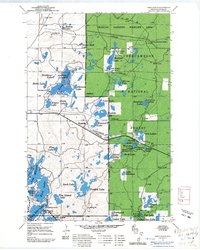 1961 Iron Lake SE1985 Print · USGSBayfield County at the dawn of the 1960s reveals a rugged landscape of glacial lakes and managed timberlands within the Chequamegon National Forest. Genealogists and historians can locate Tripp Cem and trace the old Northern Pacific line past Long Lake and Lake Millicent.
 - 1964 Map of Moquah, 1965 Print
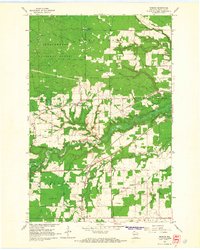 1964 Moquah1965 Print · USGSBayfield County is captured in the mid-sixties as the timber and rail industries shaped the landscape around the Chequamegon National Forest. Genealogists and historians can locate rural landmarks like St Peters Ch and the Benoit settlement near the Chicago and North Western tracks.2 unique versions available
 - 1964 Map of Moquah, 1965 Print
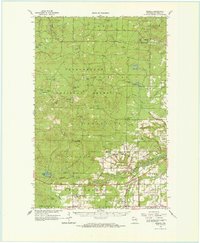 1964 Moquah1965 Print · USGSBayfield County in the mid-sixties shows a landscape shaped by timber management and railway transit. Genealogists and researchers can trace the rail-side settlements of Moquah and Ino, or locate landmarks like the Moquah Lookout Tower and St Florian Ch.
 - 1964 Map of Ino, 1965 Print
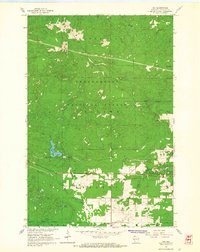 1964 Ino1965 Print · USGSBayfield County timberlands and rail corridors are captured in the mid-1960s just as the national forest boundary was firmly established. Genealogists and local historians can locate St Florian Ch and the village of Ino, while tracking the path of the Northern Pacific Railroad.3 unique versions available
 - 1980 Map of Port Wing
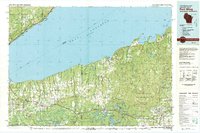 1980 Port Wing1980 Print · USGSThe Lake Superior shoreline and the deep forests of Bayfield and Douglas counties are captured here in the early eighties. Genealogists and historians can trace the rail lines through Iron River or locate the lakeside landings at Cornucopia and Port Wing.
 - 1984 Map of Hart Lake
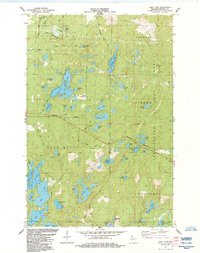 1984 Hart Lake1984 Print · USGSBayfield County in the mid-1980s is defined by its glacial lakes and the expansive reach of the Chequamegon National Forest. Researchers can trace the Burlington Northern rail line or locate local landmarks like Valley View Cem and the Iron River Lookout Tower.
 - 2005 Map of Hart Lake, 2006 Print
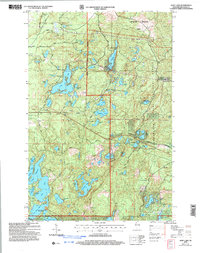 2005 Hart Lake2006 Print · USGSBayfield County's lake-dotted interior is shown in great detail during the early 2000s, within the heart of the national forest. Researchers can trace forest roads like the Battleax Grade and locate remote landmarks like the Iron River Lookout Iron and Wanoka Lake.
 - 2005 Map of Ino, 2006 Print
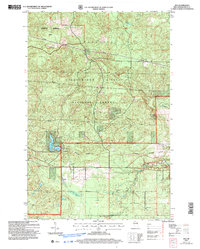 2005 Ino2006 Print · USGSBayfield County’s managed forests and small rural clearings are captured here in the mid-2000s, reflecting a landscape of recreation and timber. Genealogists and local researchers can locate Ino, St Florian Ch, and the local Cem among the forest corridors.
 - 2005 Map of Moquah, 2006 Print
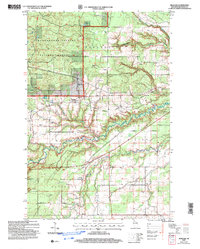 2005 Moquah2006 Print · USGSBayfield County at the turn of the millennium shows a landscape shaped by both the great north woods and early agricultural townships. Researchers can trace the layout of settlements like Moquah and Benoit, or locate family landmarks such as St Peters Ch and the Townhall.
 - 2011 Map of Hart Lake, 2011 Print
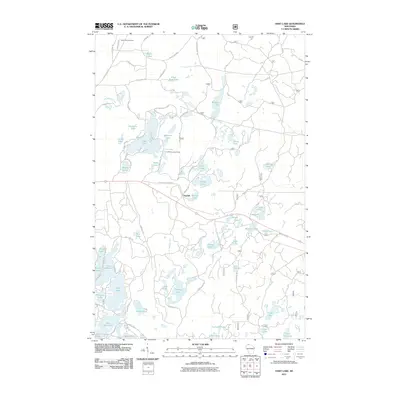 2011 Hart Lake2011 Print · USGSBayfield County's lake country is captured here in the early twenty-first century, showing a landscape defined by glacial basins and timber management. Researchers can trace local landmarks like the Iron River Lookout Tower, the Tri-County Corridor, and the secluded Valley View Cemetery.
 - 2011 Map of Moquah, 2011 Print
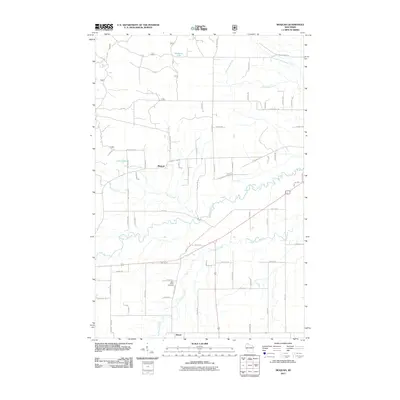 2011 Moquah2011 Print · USGSMoquah and Benoit appear at a moment when the rural landscape of Bayfield County remains defined by its forest roads and creek networks. Genealogists can locate Saint Peters Cemetery and trace family-named routes like Lupa Rd, Bozenik Rd, and Sutaric Rd.
 - 2011 Map of Ino, 2011 Print
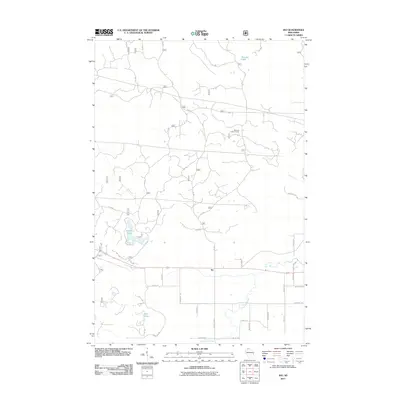 2011 Ino2011 Print · USGSBayfield County forest lands and the settlement of Ino are mapped here in the early twenty-first century. Genealogists and historians can trace family-named routes like Haviar Rd or locate landmarks such as the Moquah Lookout Tower and Spider Lake.
 - 2013 Map of Hart Lake, 2013 Print
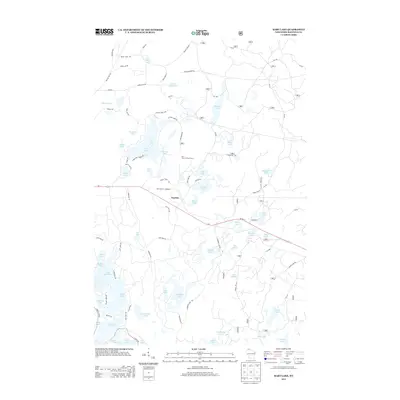 2013 Hart Lake2013 Print · USGSBayfield County lake country is captured here during the early twenty-first century, showing the intersection of timber management and recreation. You can trace the Try-County Corridor and locate landmarks like the Iron River Lookout Tower and Hart Lake.
 - 2013 Map of Moquah, 2013 Print
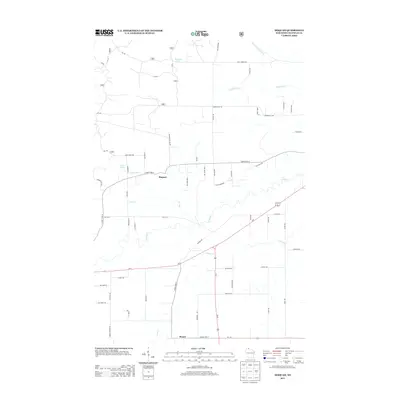 2013 Moquah2013 Print · USGSBayfield County at the turn of the decade remains a landscape defined by its cold-water creeks and timber roads. Genealogists and local historians can trace the rural communities of Moquah and Benoit alongside landmarks like Lake Louise and the Tri Co Corridor.
 - 2013 Map of Ino, 2013 Print
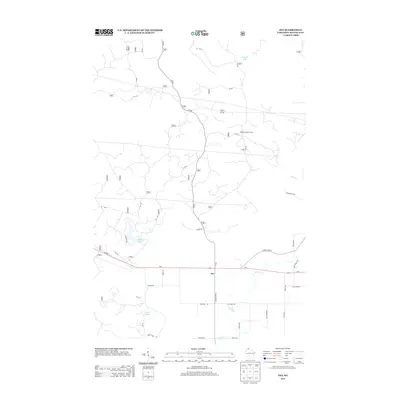 2013 Ino2013 Print · USGSBayfield County in the early twenty-first century reveals a landscape shaped by forest management and small rural holdings. Local researchers can trace the roads around Ino and locate landmarks like the Moquah Lookout Tower or family-named routes such as Panasuk Rd.
 - 2015 Map of Moquah, 2015 Print
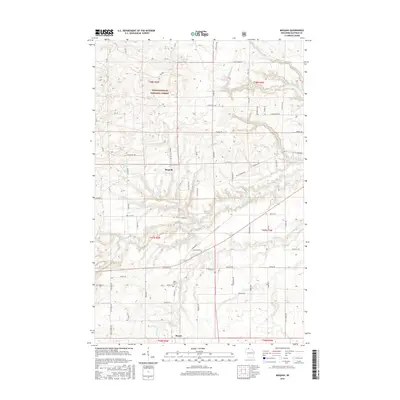 2015 Moquah2015 Print · USGSNorthern Wisconsin's forest and farm country come into focus in this mid-2010s study of Bayfield County. Genealogists and local historians can locate Saint Peters Cem near Benoit and trace the drainage of North Fish Creek past the settlement of Moquah.
 - 2015 Map of Ino, 2015 Print
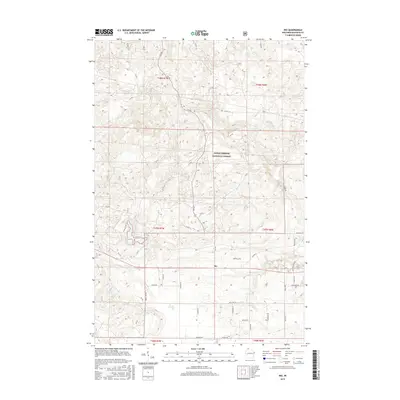 2015 Ino2015 Print · USGSNorthern Wisconsin's timber and recreational lands are centered around the community of Ino during the mid-2010s. Local history researchers can trace family-named roads and remote forest tracts, including Hovanecz Rd, Boris Lake, and the expansive Ino Swamp.
 - 2015 Map of Hart Lake, 2015 Print
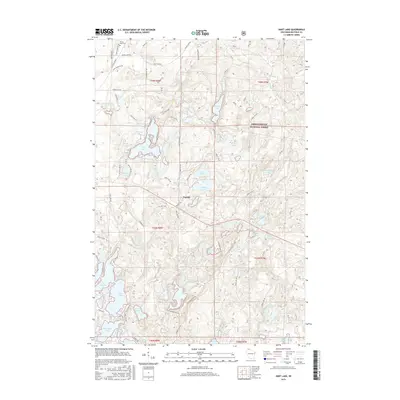 2015 Hart Lake2015 Print · USGSBayfield County's Northwoods landscape is captured here in the early twenty-first century, showing a region defined by its dense timber and kettle lakes. Trace the many local waterways and roads like Topside Lake, Valley View Cem, and the remote Topside settlement.
Showing maps 1-25 of 31
Top cities near Pilsen
- Iron River historical maps
- Drummond historical maps
- Port Wing historical maps
- Delta historical maps
- Mason historical maps
Top neighborhoods of Pilsen
Frequently asked questions
- What are the different types of historical maps available for Pilsen?
- What is the oldest map of Pilsen?
- Where can I purchase historical maps of Pilsen for my home or office?
- Where can I download high-res historical maps of Pilsen?
- Are there historical topographic maps available for Pilsen?
- Is there historical aerial imagery available for Pilsen?
- Where are historical maps of Pilsen sourced from?