Old Maps of Waumandee, Wisconsin
Explore 37 old maps of Waumandee, spanning from 1929 to today. These high-resolution historic maps reveal how streets, neighborhoods, landmarks, and natural features evolved over time — perfect for genealogy, metal detecting, research, and local history exploration.
What you can do with these maps:
- See how Waumandee changed over time: Compare historical maps to modern-day views to trace roads, homesites, rail lines & more.
- View detailed metadata: Each map includes creators, publishers, year, scale, and archive source.
- Overlay maps with satellite & LiDAR: Visualize the past alongside modern tools to explore terrain & human change.
- Trusted historical sources: Maps sourced from the USGS, Library of Congress, and other archives.
- Access maps your way: View online, download high-res files, or order prints for personal or research use.
Start exploring old maps of Waumandee to uncover forgotten places, hidden landmarks, and the deep history beneath your feet.
Waumandee, WI maps
(37)- 1929 Map of Fountain City
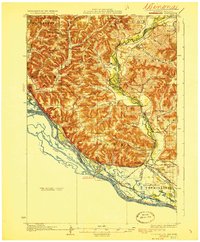 1929 Fountain City1929 Print · USGSIn the late twenties, the Mississippi River bluffs near Fountain City were defined by a steep landscape of narrow valleys and ridge-top farms. Researchers can trace dozens of rural school sites like Buffalo Ridge Sch and Oak Grove Sch among the winding tracks of State Hwy 35.2 unique versions available
 - 1932 Map of Cochrane
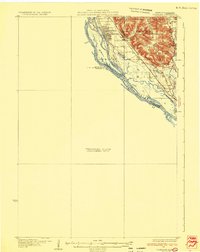 1932 Cochrane1932 Print · USGSThe Mississippi River valley in the early thirties shows a intricate network of islands and sloughs tucked beneath high bluffs. Trace the historical footprints of Buffalo City, locate rural schoolhouses like Oak Valley Sch, and follow the Chicago Burlington and Quincy rail line.
 - 1932 Map of Gilmanton
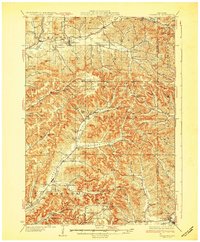 1932 Gilmanton1932 Print · USGSBuffalo and Trempealeau Counties appear here in the early thirties, showing a rural landscape organized around deep valleys and high ridges. Genealogists can locate dozens of family-named landmarks and country schools like Lookout Sch and the Irish Valley Sch.2 unique versions available
 - 1932 Map of Alma
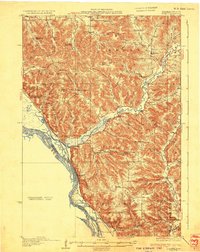 1932 Alma1932 Print · USGSThe river valleys and high ridges of Buffalo County are captured here in the early 1930s, showing a landscape of small farms and rural schoolhouses. Genealogists and local historians can trace the foundations of this community through dozen of school sites like Mill Creek Sch and Cascade Sch, alongside the U S Game Refuge and the rail lines through Alma.2 unique versions available
 - 1934 Map of Winona, 1955 Print
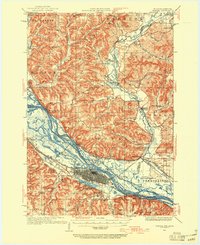 1934 Winona1955 Print · USGSThe Mississippi River valley in the mid-1930s reveals a complex network of rail lines and river engineering. Researchers can trace the grounds of St Marys College, find rural schools like Meyers Sch, and locate the early infrastructure of Lock and Dam No 5A.2 unique versions available
 - 1934 Map of Cochrane, 1968 Print
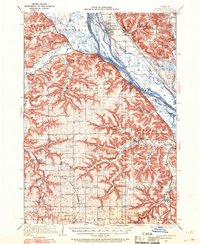 1934 Cochrane1968 Print · USGSThe Mississippi River corridor and surrounding bluffs are captured here in the mid-1930s, documenting the riverside rail lines and upland farm communities. Genealogists can trace family landmarks like Young Cem, Mount Vernon Sch, and the Transient Relief Camp.
 - 1937 Map of Winona
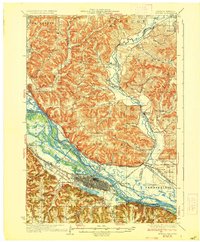 1937 Winona1937 Print · USGSIn the mid-thirties, the Mississippi River valley near Winona was a bustling network of rail yards and river channels. Genealogists and historians can trace the foundations of local communities through landmarks like St Marys College, the St Marys Cem, and vanished schoolhouses like Bohris Valley Sch.3 unique versions available
 - 1937 Map of Cochrane
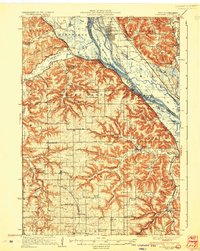 1937 Cochrane1937 Print · USGSThe Mississippi River bluffs during the late thirties show a region defined by river navigation and rural township life. Genealogists can trace family roots through numerous local landmarks like Hebron Ch, Mount Vernon Cem, and schools from Buffalo to Rollingstone.2 unique versions available
 - 1950 Map of Alma, 1952 Print
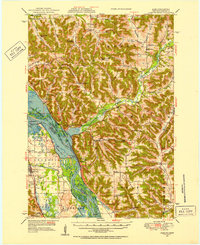 1950 Alma1952 Print · USGSThe Mississippi River valley serves as a bustling corridor for rail and river traffic at mid-century. Genealogists can trace family roots through numerous rural landmarks like St Paul Ch, Church Valley Cem, and the riverfront town of Alma.8 unique versions available
 - 1953 Map of Eau Claire, 1965 Print
 1953 Eau Claire1965 Print · USGSWest-central Wisconsin in the mid-fifties shows a landscape of river-valley industry and vast wildlife refuges during the transition from rails to modern highways. Genealogists and historians can trace the rail corridors of the Chicago and North Western or locate family-named landmarks like Decorah Mound and Chippewa Island.4 unique versions available
 - 1958 Map of Eau Claire
 1958 Eau Claire1958 Print · USGSWestern Wisconsin in the late fifties shows a landscape of growing regional hubs and massive wildlife refuges. Trace the rail lines of the Chicago and North Western between Eau Claire and Marshfield, or explore the terrain around Iron Mound and Lake Wissota.
 - 1964 Map of Eau Claire
 1964 Eau Claire1964 Print · USGSWest-central Wisconsin in the mid-1960s was a hub of river-driven industry and expanding rail networks. Researchers can trace historic homesteads near Menomonie, follow the Soo Line RR through Marshfield, or explore the grounds of the Camp McCoy Military Reservation.
 - 1972 Map of Fountain City, 1975 Print
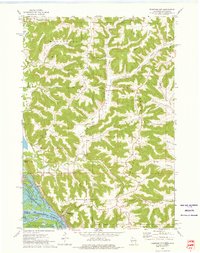 1972 Fountain City1975 Print · USGSFountain City and the Mississippi River bluffs are captured in the early seventies, showing a landscape of steep ridges and deep valleys. Researchers can locate family landmarks like St Marys Cem, trace the Burlington Northern line, or explore Merrick State Park.
 - 1972 Map of Cochrane, 1976 Print
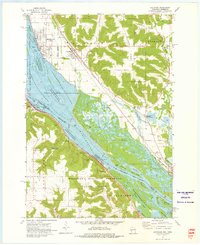 1972 Cochrane1976 Print · USGSThe upper Mississippi riverfront and its surrounding bluffs are captured here in the early seventies, showing a landscape defined by navigation and nature. Genealogists and historians can trace the streets of Cochrane, locate the Mount Vernon Cem, and see the rail lines of the Burlington Northern.2 unique versions available
 - 1973 Map of Waumandee, 1975 Print
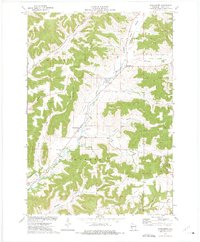 1973 Waumandee1975 Print · USGSBuffalo County’s coulee country is captured here in the mid-1970s, showcasing the tight-knit rural communities of Waumandee and Montana. Genealogists and historians can trace local landmarks like St Boniface Cem, the Waumandee Sch, and family-named valleys such as Schoepp Valley.
 - 1974 Map of Cream, 1977 Print
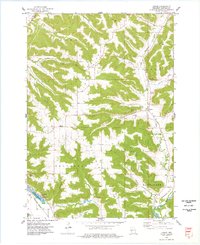 1974 Cream1977 Print · USGSBuffalo County is shown in the mid-1970s as a landscape of deep valleys and prominent ridges tied together by rural family churches. Genealogists can locate several local burial grounds, including Lincoln Cem and Anchorage Cem, alongside the small crossroads of Cream.
 - 1985 Map of Winona
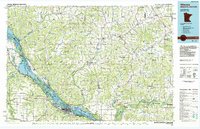 1985 Winona1985 Print · USGSThe Mississippi River valley and the coulees of the Driftless Area are shown here in the mid-1980s as the river's lock-and-dam system was well-established. Researchers can trace the riverfront at Winona, explore the bluffs near Galesville, or locate landmarks like Sugarloaf and Merrick State Park.2 unique versions available
 - 2010 Map of Waumandee, 2010 Print
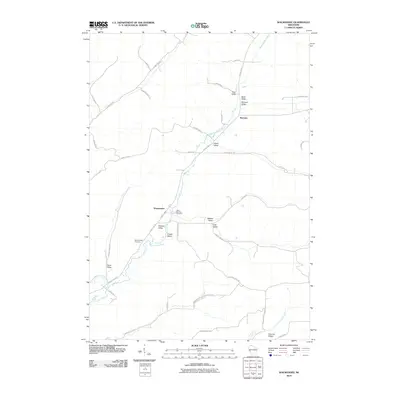 2010 Waumandee2010 Print · USGSBuffalo County's ridge-and-valley landscape is documented here in the early twenty-first century. Family historians and researchers can trace local lineage through sites like Saint Boniface Cemetery and the settlements of Waumandee and Montana.
 - 2010 Map of Cream, 2010 Print
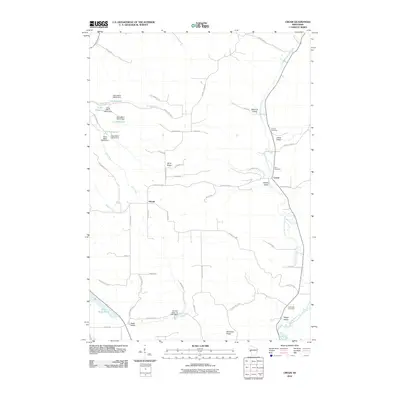 2010 Cream2010 Print · USGSBuffalo County's agricultural heartland is documented here at the start of the 2010s, showing a landscape of deep valleys and high ridges. Genealogists can locate family landmarks like Zion Cemetery and Anchorage Cemetery or trace the early milling sites of Alma Mill 5 and Herold.
 - 2011 Map of Cochrane, 2011 Print
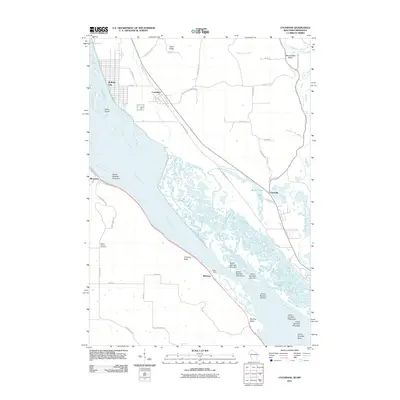 2011 Cochrane2011 Print · USGSThe riverfront communities of Buffalo City and Cochrane sit along the Upper Mississippi in the early twenty-first century. Genealogists and researchers can trace local landmarks like Mount Vernon Cemetery, the settlement of Minneiska, and the river landing at Bass Camp.
 - 2011 Map of Fountain City, 2011 Print
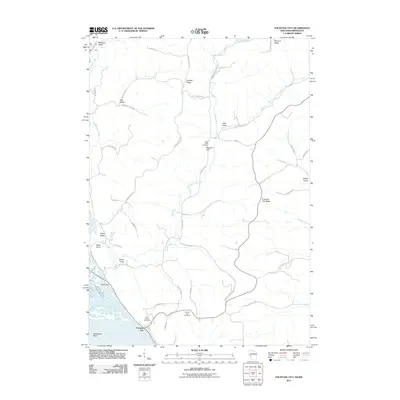 2011 Fountain City2011 Print · USGSFountain City and the Mississippi riverfront are captured here in the early twenty-first century, highlighting a landscape of steep coulees and river bottomlands. Genealogists and hikers can trace old valley roads to Eagle Valley Cemetery or explore the heights of Canada Ridge and Wagners Cliff.
 - 2013 Map of Waumandee, 2013 Print
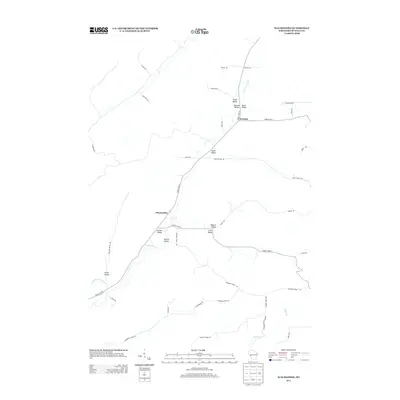 2013 Waumandee2013 Print · USGSBuffalo County's unique valley-and-ridge topography is captured here in the early twenty-first century, centered on the rural hamlets of Waumandee and Montana. Genealogists and local historians can trace family-named terrain and roads like Hesch Valley and Rotering Ridge Rd.
 - 2013 Map of Cream, 2013 Print
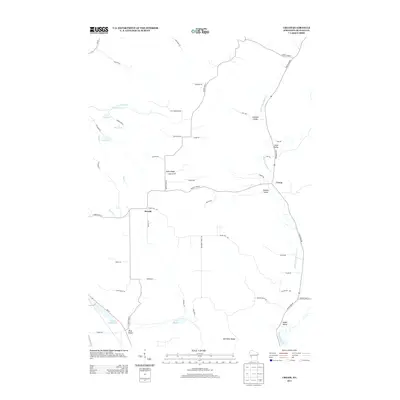 2013 Cream2013 Print · USGSBuffalo County's coulee country is documented here in the early twenty-first century, showing the enduring agricultural character of the region. Researchers can trace family-named landmarks and valley settlements including Herold, Cream, and the waters of Lizzy Pauls Pond.
 - 2013 Map of Cochrane, 2013 Print
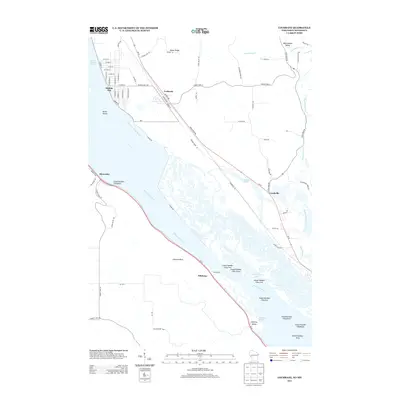 2013 Cochrane2013 Print · USGSThe Upper Mississippi River valley at the Wisconsin border reveals a landscape of intricate sloughs and riverfront towns. Researchers can trace the development of Buffalo City and Cochrane near landmarks like Chimney Rock and Bass Camp.
 - 2013 Map of Fountain City, 2013 Print
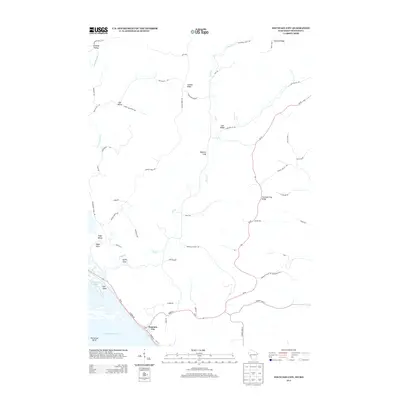 2013 Fountain City2013 Print · USGSFountain City occupies the narrow margin between the Mississippi River and the high Wisconsin bluffs in this 2013 record. Researchers can trace landforms and local routes like Wagners Cliff, Canada Ridge, and the winding Schaffner Dugway.
Showing maps 1-25 of 37
Top cities near Waumandee
- Winona historical maps
- Arcadia historical maps
- Goodview historical maps
- Buffalo City historical maps
- Fountain City historical maps
- Alma historical maps
See more
Frequently asked questions
- What are the different types of historical maps available for Waumandee?
- What is the oldest map of Waumandee?
- Where can I purchase historical maps of Waumandee for my home or office?
- Where can I download high-res historical maps of Waumandee?
- Are there historical topographic maps available for Waumandee?
- Is there historical aerial imagery available for Waumandee?
- Where are historical maps of Waumandee sourced from?