Old Maps of Anderson, Wisconsin for Academic Research
Study the evolution of Anderson with 29 high-resolution historic maps. Whether you're teaching, researching, or modeling changes in land use, these maps provide essential visual documentation of urban, environmental, and geographic change.
- Analyze long-term change: Track patterns in development, transportation, and natural features.
- Ideal for environmental or urban studies: Support academic projects with primary historical map data.
- Use in the classroom or lab: Educators and researchers rely on these maps to bring historical context to life.
These maps are a powerful tool for teaching, research, and visualizing how Anderson has changed over the decades.
Anderson, WI maps
(29)- 1950 Map of Rush City
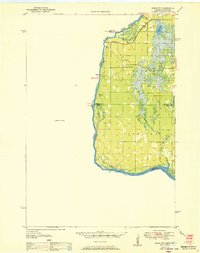 1950 Rush City1950 Print · USGSThe St. Croix River valley in the late 1940s reveals a quiet borderland where timber and rail infrastructure meet rural crossroads. Genealogists and historians can trace the foundations of local life at Indian Cem, the Rush City Ferry, and the Logging RR.
 - 1951 Map of Milltown
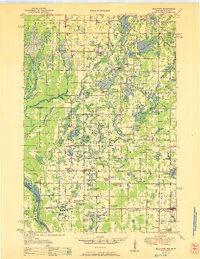 1951 Milltown1951 Print · USGSPolk County at the close of the 1940s reveals a dense network of rural schoolhouses and lakeside settlements. Trace the history of small communities like West Denmark and Cushing, or locate ancestral sites like Bethany Ch and Union Cem.
 - 1953 Map of Stillwater, 1980 Print
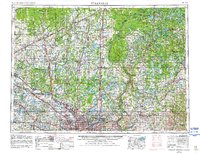 1953 Stillwater1980 Print · USGSThe Twin Cities and the St. Croix Valley are captured in this mid-century survey as the interstate era began to transform the Upper Midwest. Genealogists and historians can trace the rail-and-river geography of Stillwater, locate landmarks in Anoka, or explore the sprawling St Croix State Park.
 - 1955 Map of Rush City, 1957 Print
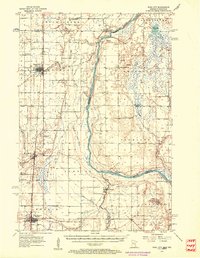 1955 Rush City1957 Print · USGSThe St. Croix River valley in the mid-1950s reveals a landscape of railroad towns and riverside settlements. Genealogists can trace family landmarks like the Swedish Cem, Pleasant Prairie Ch, and the Indian Cem.5 unique versions available
 - 1955 Map of Milltown, 1957 Print
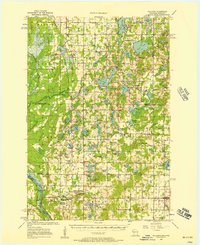 1955 Milltown1957 Print · USGSNorthwestern Wisconsin’s lake country is captured here in the mid-fifties, showing a landscape defined by small-scale dairy farming and glacial geography. Genealogists can locate numerous rural schoolhouses and country churches like Bethany Ch, North Valley Ch, and Alabama Sch.4 unique versions available
 - 1955 Map of Stillwater, 1965 Print
 1955 Stillwater1965 Print · USGSThe Upper St. Croix Valley and the growing Twin Cities area are shown here during the mid-fifties, before the interstate era transformed the regional commute. You can trace the lines of the Northern Pacific RR through towns like Rush City or locate the Saint Croix Indian Reservation.
 - 1958 Map of Stillwater
 1958 Stillwater1958 Print · USGSThe Upper Mississippi and St. Croix River valleys appear in the mid-fifties as the Twin Cities expanded north. Genealogists can locate family landmarks like Oak Park Cem, Saint Michael Church, and the Soo Line RR rail corridors.2 unique versions available
 - 1965 Map of Stillwater
 1965 Stillwater1965 Print · USGSThe Twin Cities and the St. Croix Valley are mapped here during a period of significant post-war growth and industrial transit. Genealogists and historians can trace rail lines like the Northern Pacific RR through towns such as Rush City, Amery, and Balsam Lake.
 - 1974 Map of Milltown NW, 1976 Print
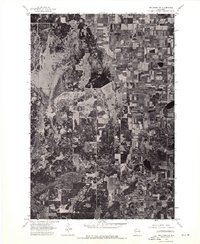 1974 Milltown NW1976 Print · USGSBurnett County lands are captured in sharp detail in the mid-1970s, showing the precise intersection of Wisconsin timber and farmland. Local historians and land researchers can trace property boundaries and farmstead footprints near the settlement of Trade River.
 - 1975 Map of Stillwater
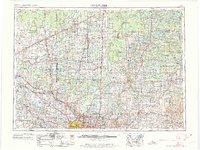 1975 Stillwater1975 Print · USGSThe Twin Cities and the St. Croix Valley are captured in the mid-seventies, showing the urban growth of Minneapolis and St Paul. Researchers can trace old rail corridors of the Northern Pacific RR and locate tribal lands at the Mille Lacs Indian Reservation.2 unique versions available
 - 1983 Map of Trade River
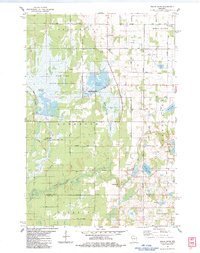 1983 Trade River1983 Print · USGSIn the early 1980s, the borderlands of Burnett and Polk Counties were defined by the managed waters of the Fish Lake State Wildlife Area and the winding Trade River. Local researchers can find family landmarks and rural heritage sites such as St Olaf Cem, Bethany Ch, and the settlement of Branstad.
 - 1983 Map of Rush City, 1984 Print
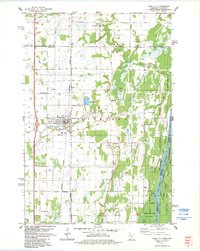 1983 Rush City1984 Print · USGSThe St. Croix River valley in the early 1980s shows a mix of established rail towns and protected state forests. Genealogists can locate family names at Taylor Cem and Sacred Heart Cem, or trace the path of the Old Military Road.
 - 1983 Map of Randall, 1984 Print
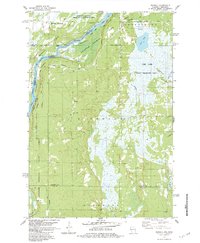 1983 Randall1984 Print · USGSThe St Croix River corridor and the wetlands of Burnett County are captured here in the early 1980s. Researchers can locate community landmarks like Pleasant Prairie Ch, the Sunrise Ferry Riverway, and the Lookout Tower.
 - 1985 Map of Grantsburg
 1985 Grantsburg1985 Print · USGSThe river borderlands of Minnesota and Wisconsin come alive in the mid-1980s, showcasing the intricate water networks and forest preserves of Burnett and Pine counties. Trace the rail lines of the Soo Line or find rural landmarks like Trade Lake Ch and Hildas Corner.2 unique versions available
 - 2010 Map of Trade River, 2010 Print
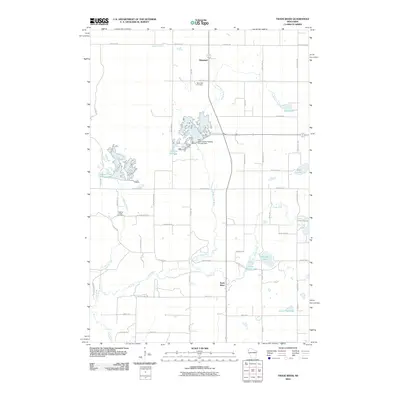 2010 Trade River2010 Print · USGSBurnett County, Wisconsin, is showcased in the late 2000s as a landscape of managed waterways and quiet rural settlements. Genealogists and local historians can trace family ties at Saint Olaf Cemetery or locate old homesteads near Branstad and Trade River.
 - 2010 Map of Randall, 2010 Print
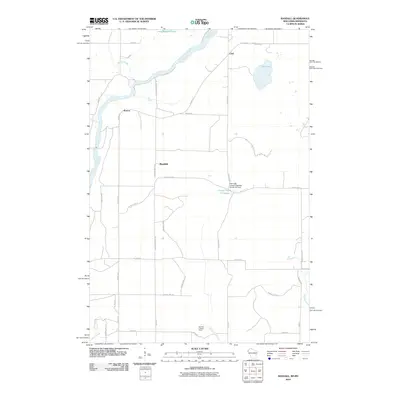 2010 Randall2010 Print · USGSThe banks of the Saint Croix River meet the rural backroads of eastern Minnesota in this 2010 study. Genealogists can trace family lands near the settlements of Benson, Randall, and Lind, or locate the Sterling Lookout Tower.
 - 2010 Map of Rush City, 2010 Print
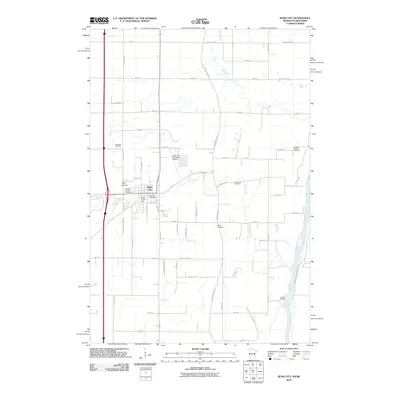 2010 Rush City2010 Print · USGSRush City and the eastern border of Minnesota are captured here in the early twenty-first century, showing the town at the intersection of local industry and river travel. Researchers can trace several family burial sites including the Gee Family Cemetery and Taylor Cemetery, as well as the Rush Creek Dam.
 - 2013 Map of Trade River, 2013 Print
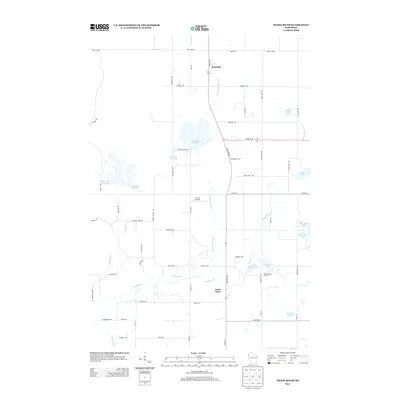 2013 Trade River2013 Print · USGSBurnett County's wetlands and rural settlements are captured here in the early twenty-first century, showing a landscape defined by the Trade River. Genealogists and local historians can locate small hubs like Branstad and agricultural landmarks like Holmes Lake Orchard.
 - 2013 Map of Randall, 2013 Print
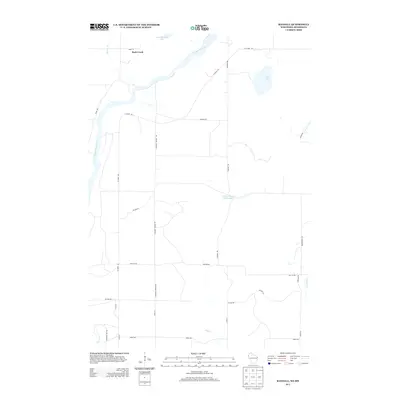 2013 Randall2013 Print · USGSThe river borderlands of Pine County come into focus during the early twenty-first century as agricultural roads and rural homesteads cluster near the Saint Croix River. Genealogists and local historians can trace family-named routes like Oeltjen Rd and Shogren Rd while locating landmarks such as Fish Lake and Rock Creek.
 - 2013 Map of Rush City, 2013 Print
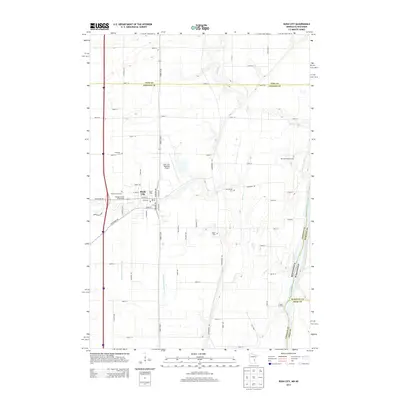 2013 Rush City2013 Print · USGSThe borderlands of eastern Minnesota and Wisconsin come alive here in the early twenty-first century, centered on the growing community of Rush City. Genealogists and local historians can trace family roots through several dedicated plots like Heinrich Pioneer Cem and Taylor Cem near the Saint Croix River.
 - 2015 Map of Randall, 2015 Print
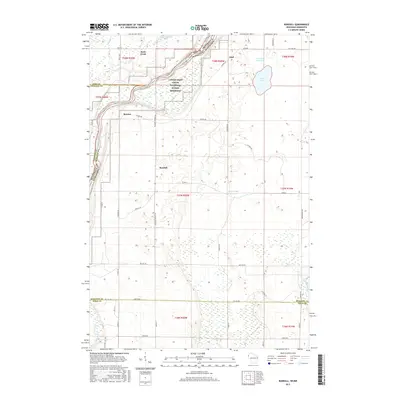 2015 Randall2015 Print · USGSThe Minnesota-Wisconsin borderlands along the Saint Croix River are captured here in a period of rural stability. Genealogists and local historians can trace family locations near the settlements of Randall and Benson or identify properties along W River Rd and Fish Lake.
 - 2015 Map of Trade River, 2015 Print
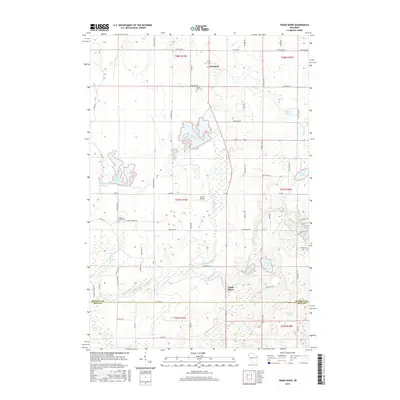 2015 Trade River2015 Print · USGSThe Burnett and Polk County line comes alive in the mid-2010s, showing a landscape of deep-rooted rural settlements and complex flowages. Genealogists and local historians can trace family ties at Saint Olaf Cem or Logging Creek Cem and locate landmarks like the Circle T Airport and Big Trade Lake.
 - 2016 Map of Rush City, 2016 Print
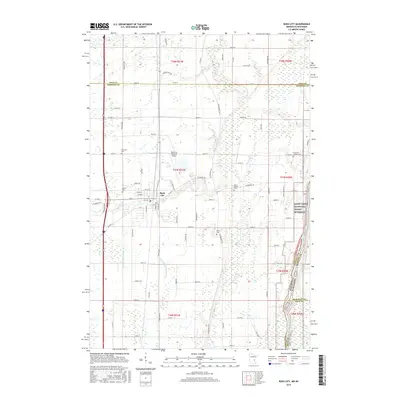 2016 Rush City2016 Print · USGSThe Chisago County countryside around Rush City is captured here during the mid-2010s. Genealogists can trace family history through numerous burial grounds like Heinrich Pioneer Cem and Taylor Cem near the St Croix River.
 - 2018 Map of Trade River, 2018 Print
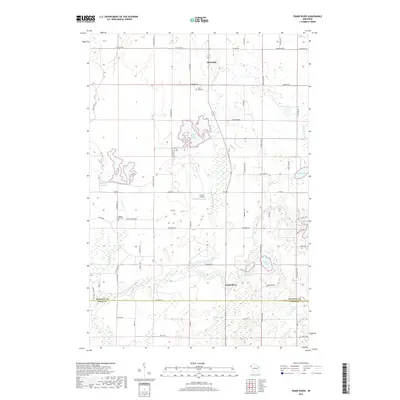 2018 Trade River2018 Print · USGSNorthwest Wisconsin's river networks and small settlements are mapped here in the late twenty-tens, showing the transition between Burnett and Polk counties. Genealogists and researchers can pinpoint Saint Olaf Cem, the village of Branstad, and numerous water features like Canute Creek Flowage.
 - 2019 Map of Randall, 2019 Print
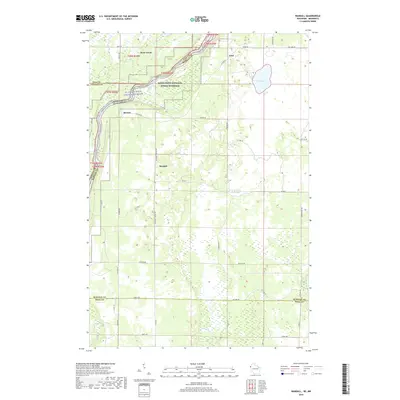 2019 Randall2019 Print · USGSCrossing the Minnesota-Wisconsin border in the late twenty-teens, this survey shows the protected corridor along the St. Croix River. Researchers can map the rural landscape between Rock Creek and Randall, tracing routes to Fish Lake or the County Trunk Flowage.
Showing maps 1-25 of 29
Top cities near Anderson
- North Branch historical maps
- Pine City historical maps
- Rush City historical maps
- Sunrise historical maps
- Grantsburg historical maps
- Stacy historical maps
See more
Top neighborhoods of Anderson
Frequently asked questions
- What are the different types of historical maps available for Anderson?
- What is the oldest map of Anderson?
- Where can I purchase historical maps of Anderson for my home or office?
- Where can I download high-res historical maps of Anderson?
- Are there historical topographic maps available for Anderson?
- Is there historical aerial imagery available for Anderson?
- Where are historical maps of Anderson sourced from?