Old Maps of Anson, Wisconsin for Hiking & Exploration
Hike through history with 37 historic maps of Anson. Explore old trails, ghost towns, and forgotten backroads — perfect for outdoor adventurers and local explorers.
- Rediscover forgotten places: Map out old mining camps, roads, and footpaths that no longer exist on modern maps.
- Layer with modern tools: Combine with LiDAR or satellite views to plan hikes through historical terrain.
- Made for exploration: Popular among hikers, overlanders, and local history lovers.
Use these maps to find adventure and explore the hidden past of Anson.
Anson, WI maps
(37)- 1934 Map of Chippewa Falls, 1967 Print
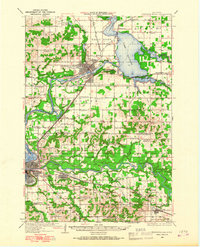 1934 Chippewa Falls1967 Print · USGSThe Chippewa and Eau Claire River valleys are captured here in the 1930s as vital rail and water hubs. Genealogists can locate family-named landmarks like Old Badger Mills, Anson Sta, and dozens of rural schoolhouses such as Tilden Mill Sch.2 unique versions available
 - 1936 Map of Chippewa Falls
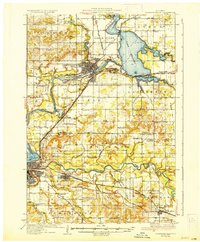 1936 Chippewa Falls1936 Print · USGSChippewa Falls and Eau Claire are captured here in the mid-1930s, showing a landscape defined by the convergence of major rivers and the massive Lake Wissota. Trace the rail lines of the C and NW Line or locate ancestral sites like Old Badger Mills, Hallie Ch, and numerous rural schools.3 unique versions available
 - 1949 Map of Bloomer, 1966 Print
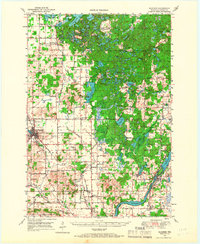 1949 Bloomer1966 Print · USGSThe dairy farms and lake country of northwestern Wisconsin are captured here in the late 1940s. Genealogists can trace rural family roots through numerous local schools and cemeteries, from Mile Corner Sch and Modern Sch to Tillinghast Cem and Rutledge Cem.2 unique versions available
 - 1951 Map of Bloomer
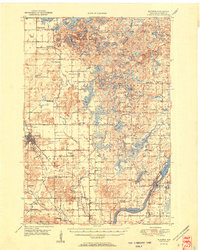 1951 Bloomer1951 Print · USGSPost-war Chippewa County is seen here during a period of rural consolidation across its glaciated lake country. Local researchers can trace family roots through numerous country schools and cemeteries, including Tillinghast Cem, Emanuel Ch, and Larson Sch.2 unique versions available
 - 1951 Map of Cornell, 1953 Print
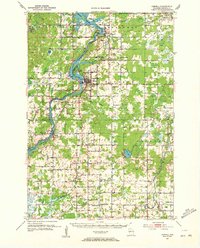 1951 Cornell1953 Print · USGSCentral Chippewa County in the early fifties shows a landscape of river-driven industry and rural community life. Genealogists can trace family roots at Bohemia Cem or St Joseph Cem, and locate numerous schools like Firth Sch (Aband).
 - 1952 Map of Cadott, 1954 Print
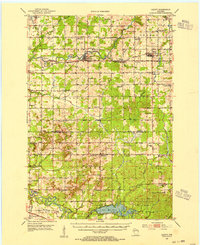 1952 Cadott1954 Print · USGSChippewa and Eau Claire counties were defined by a thriving network of small school districts and railroad towns in the early fifties. Genealogists can trace family roots through numerous sites like St Rose Cem, Bethlehem Ch, and Baker Sch.2 unique versions available
 - 1953 Map of Eau Claire, 1965 Print
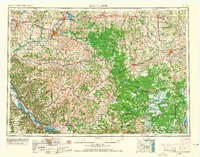 1953 Eau Claire1965 Print · USGSWest-central Wisconsin in the mid-fifties shows a landscape of river-valley industry and vast wildlife refuges during the transition from rails to modern highways. Genealogists and historians can trace the rail corridors of the Chicago and North Western or locate family-named landmarks like Decorah Mound and Chippewa Island.4 unique versions available
 - 1953 Map of Rice Lake, 1967 Print
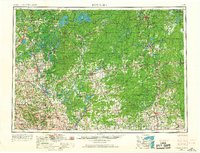 1953 Rice Lake1967 Print · USGSNorthwest Wisconsin during the mid-fifties reveals a landscape defined by timber, rail, and water. Genealogists and historians can trace the development of river towns like Ladysmith and Rice Lake along the Soo Line and Chicago and North Western railroads.2 unique versions available
 - 1958 Map of Eau Claire
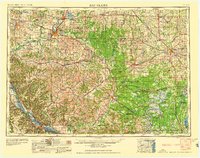 1958 Eau Claire1958 Print · USGSWestern Wisconsin in the late fifties shows a landscape of growing regional hubs and massive wildlife refuges. Trace the rail lines of the Chicago and North Western between Eau Claire and Marshfield, or explore the terrain around Iron Mound and Lake Wissota.
 - 1959 Map of Rice Lake
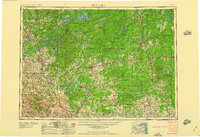 1959 Rice Lake1959 Print · USGSNorthwest Wisconsin in the late fifties was a land of expanding road networks and deep-seated timber history. Genealogists and historians can trace rail lines like the Soo Line RR and Chicago St Paul Minneapolis and Omaha Ry as they link settlements from Spooner to Medford.
 - 1964 Map of Eau Claire
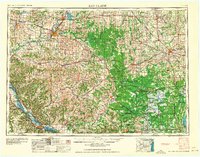 1964 Eau Claire1964 Print · USGSWest-central Wisconsin in the mid-1960s was a hub of river-driven industry and expanding rail networks. Researchers can trace historic homesteads near Menomonie, follow the Soo Line RR through Marshfield, or explore the grounds of the Camp McCoy Military Reservation.
 - 1972 Map of Lake Wissota, 1975 Print
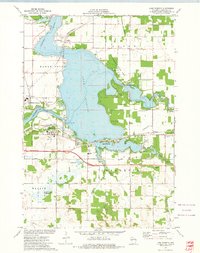 1972 Lake Wissota1975 Print · USGSLake Wissota and the eastern outskirts of Chippewa Falls are seen here in the early seventies as the area balanced recreation with industry. Trace local genealogy and infrastructure at Home Park Cem, Anson (Station), and the Soo Line railroad.
 - 1973 Map of Crescent, 1977 Print
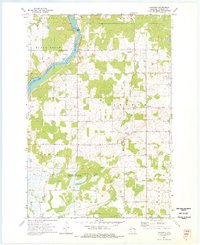 1973 Crescent1977 Print · USGSChippewa County in the early seventies remains defined by its winding river valleys and rural crossroads settlements. Researchers can trace the heritage of small communities through landmarks like the Bohemian Cem, Cobban, and the Big Drywood Ch.
 - 1975 Map of Jim Falls, 1978 Print
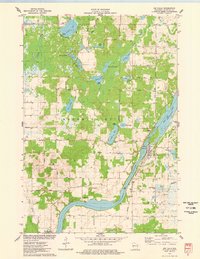 1975 Jim Falls1978 Print · USGSThe Chippewa River valley in the mid-1970s is shown here at its industrial and recreational peak. Local historians can trace the Chicago and North Western rail line and locate landmarks like the Copp Cem and the Substa Powerplant at Jim Falls.
 - 1979 Map of Cadott, 1980 Print
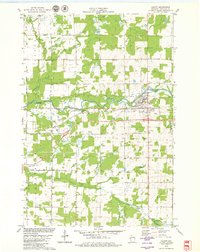 1979 Cadott1980 Print · USGSCadott and the surrounding Wisconsin townships are shown in detail during the late 1970s, as the Yellow River shaped the local geography. Researchers can find several burial sites like St Rose Cem and Goetz Cem, or trace rural landmarks like the Crane Landing Strip.
 - 1980 Map of Bloomer
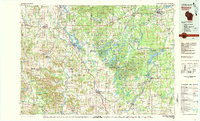 1980 Bloomer1980 Print · USGSNorthwestern Wisconsin at the start of the eighties shows a landscape deeply connected to its rivers and rail lines. Genealogists and historians can trace the growth of Bloomer, Ladysmith, and Chetek or locate local landmarks like Brunet Island State Park and the Soo Line rail corridors.
 - 1985 Map of Eau Claire
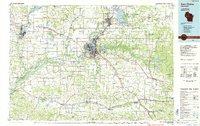 1985 Eau Claire1985 Print · USGSWestern Wisconsin's river valleys and growing mid-century cities are captured here in the mid-eighties. Genealogists and historians can trace the paths of the Chicago and North Western railroad and locate rural landmarks like Dells Millpond and Nine Mile Island.2 unique versions available
 - 2010 Map of Lake Wissota, 2010 Print
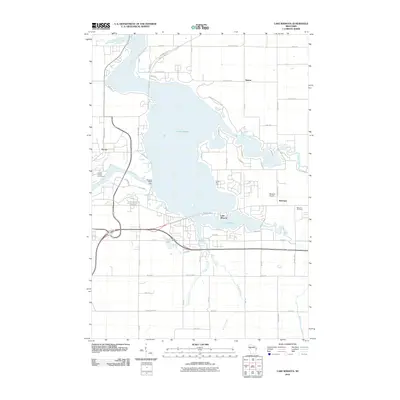 2010 Lake Wissota2010 Print · USGSChippewa County is centered on the massive reservoir of Lake Wissota during this era of modern development and recreation. Researchers can locate the Bateman Cemetery, trace the Old Abe State Trail, and explore the grounds of Lake Wissota State Park.
 - 2010 Map of Crescent, 2010 Print
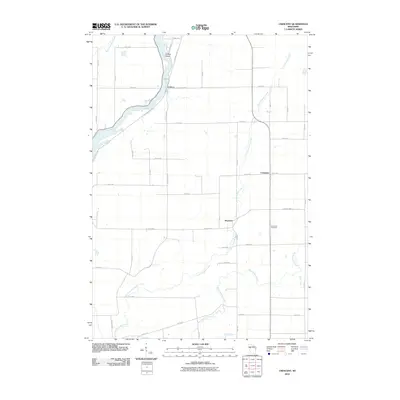 2010 Crescent2010 Print · USGSChippewa County is shown here in the early twenty-first century, centered on the river valleys and rural crossroads of Eagle Point. Genealogists and local historians can trace family land near the Bohemian Cemetery or follow the river from Cobban to Willow Island.
 - 2010 Map of Jim Falls, 2010 Print
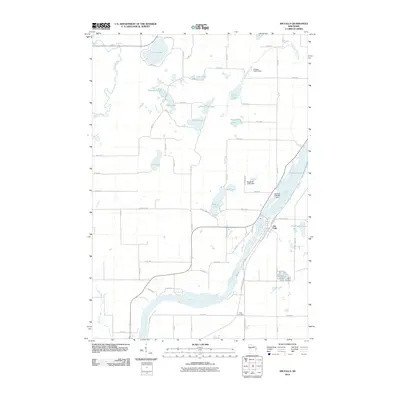 2010 Jim Falls2010 Print · USGSThe Chippewa River dominates the landscape near Jim Falls in the early twenty-first century, showing a complex system of river management. Genealogists and hikers can trace the Old Abe State Trl or locate family roots at Copp Cemetery and around Cornell Lake.
 - 2010 Map of Cadott, 2010 Print
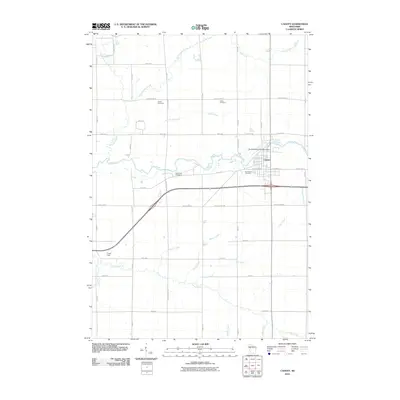 2010 Cadott2010 Print · USGSCadott and the surrounding Wisconsin countryside are captured here in the early twenty-first century, centered on the Yellow River. Local researchers can locate family sites at Union Cemetery or Saint Rose Cemetery and trace the town's industrial ties to the Svetlik Milling Company Dam.
 - 2013 Map of Cadott, 2013 Print
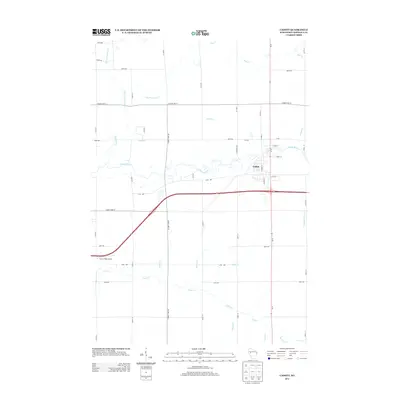 2013 Cadott2013 Print · USGSCadott and the surrounding Chippewa County countryside are documented here in the early twenty-first century as the village expanded near the Yellow River. Researchers can trace local landmarks and waterways including Crane Field Airport, Big Drywood Cr, and Paint Cr.
 - 2013 Map of Jim Falls, 2013 Print
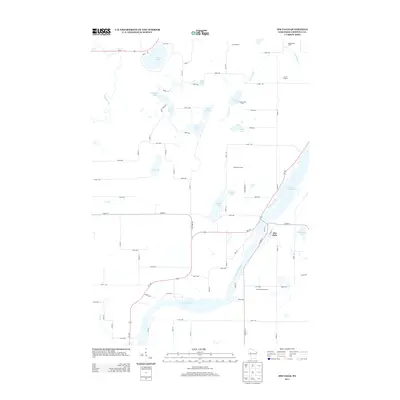 2013 Jim Falls2013 Print · USGSChippewa County agricultural life and riverfront geography are preserved here in the early twenty-first century. Researchers can trace family-named properties like Hard Scrabble Farms and Finley Lake Farm or locate landmarks along the Chippewa River.
 - 2013 Map of Crescent, 2013 Print
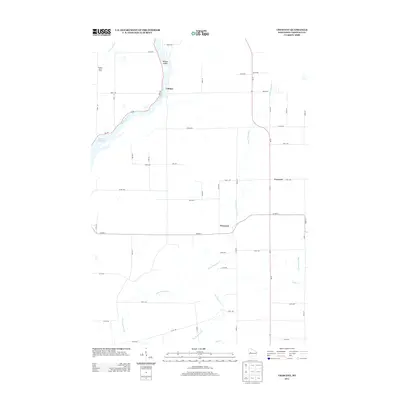 2013 Crescent2013 Print · USGSChippewa County is documented here in the early twenty-first century as the landscape shifts from the Chippewa River banks to inland farming communities. Researchers can trace rural property patterns and local landmarks from Cobban to the namesake settlement of Crescent.
 - 2013 Map of Lake Wissota, 2013 Print
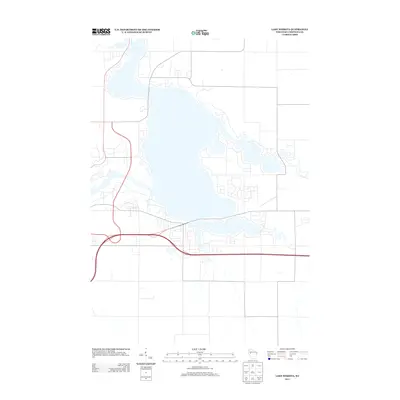 2013 Lake Wissota2013 Print · USGSCovers Anson, including Chippewa Falls, Lake Hallie, and other nearby areas
Showing maps 1-25 of 37
Top cities near Anson
- Eau Claire historical maps
- Chippewa Falls historical maps
- Altoona historical maps
- Lake Hallie historical maps
- Town of Lafayette historical maps
- Bloomer historical maps
See more
Top neighborhoods of Anson
Frequently asked questions
- What are the different types of historical maps available for Anson?
- What is the oldest map of Anson?
- Where can I purchase historical maps of Anson for my home or office?
- Where can I download high-res historical maps of Anson?
- Are there historical topographic maps available for Anson?
- Is there historical aerial imagery available for Anson?
- Where are historical maps of Anson sourced from?