Old Maps of Irving, Wisconsin
Explore 35 old maps of Irving, spanning from 1926 to today. These high-resolution historic maps reveal how streets, neighborhoods, landmarks, and natural features evolved over time — perfect for genealogy, metal detecting, research, and local history exploration.
What you can do with these maps:
- See how Irving changed over time: Compare historical maps to modern-day views to trace roads, homesites, rail lines & more.
- View detailed metadata: Each map includes creators, publishers, year, scale, and archive source.
- Overlay maps with satellite & LiDAR: Visualize the past alongside modern tools to explore terrain & human change.
- Trusted historical sources: Maps sourced from the USGS, Library of Congress, and other archives.
- Access maps your way: View online, download high-res files, or order prints for personal or research use.
Start exploring old maps of Irving to uncover forgotten places, hidden landmarks, and the deep history beneath your feet.
Irving, WI maps
(35)- 1926 Map of North Bend, 1965 Print
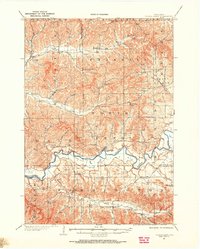 1926 North Bend1965 Print · USGSJackson and La Crosse counties are shown here in the mid-twenties, when the Black River valley was dotted with small family farms and dozens of rural school districts. Genealogists can trace ancestral locations near Stevenstown, Mindoro, and Upper Beaver Creek Ch.
 - 1927 Map of Blair
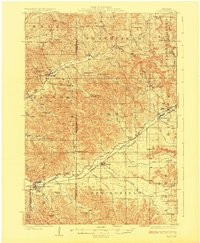 1927 Blair1927 Print · USGSIn the 1920s, the coulee country of Trempealeau and Jackson Counties was a landscape of tightly-knit valley settlements and rural schools. Genealogists can trace family footprints through numerous local landmarks like Schermerhorn School, Pigeon Falls, and Fly Creek School.2 unique versions available
 - 1928 Map of Melrose
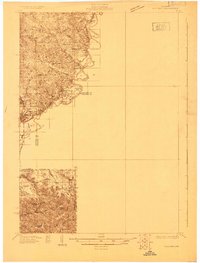 1928 Melrose1928 Print · USGSThe Black River valley in the late nineteen-twenties was a landscape of ridge-top farms and valley-floor schools. Genealogists can trace family footprints through numerous rural landmarks like Irving School No 6, Sand Creek Cem, and Wadels Hill.
 - 1929 Map of North Bend
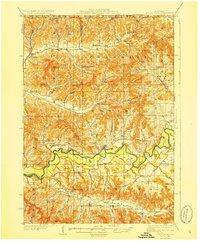 1929 North Bend1929 Print · USGSWisconsin's coulee country comes alive in this late 1920s survey of the tri-county borderlands along the Black River. Genealogists and local historians can trace family-named landmarks and rural hubs like Beachs Corners, Burr Oak, and the many one-room schoolhouses like Lone Star Sch.2 unique versions available
 - 1949 Map of Melrose
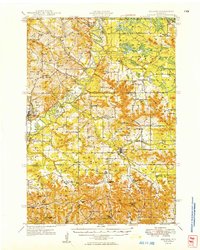 1949 Melrose1949 Print · USGSJackson and Monroe Counties appear here in the late 1940s as a thriving patchwork of valley farms and small rural hubs. Genealogists can locate dozens of family-named landmarks and institutions, from the Little Norway Ch and Irving Cem to the Jenkins Valley Sch.
 - 1953 Map of Eau Claire, 1965 Print
 1953 Eau Claire1965 Print · USGSWest-central Wisconsin in the mid-fifties shows a landscape of river-valley industry and vast wildlife refuges during the transition from rails to modern highways. Genealogists and historians can trace the rail corridors of the Chicago and North Western or locate family-named landmarks like Decorah Mound and Chippewa Island.4 unique versions available
 - 1958 Map of Eau Claire
 1958 Eau Claire1958 Print · USGSWestern Wisconsin in the late fifties shows a landscape of growing regional hubs and massive wildlife refuges. Trace the rail lines of the Chicago and North Western between Eau Claire and Marshfield, or explore the terrain around Iron Mound and Lake Wissota.
 - 1964 Map of Eau Claire
 1964 Eau Claire1964 Print · USGSWest-central Wisconsin in the mid-1960s was a hub of river-driven industry and expanding rail networks. Researchers can trace historic homesteads near Menomonie, follow the Soo Line RR through Marshfield, or explore the grounds of the Camp McCoy Military Reservation.
 - 1968 Map of Blair, 1971 Print
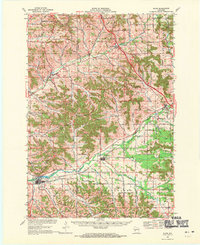 1968 Blair1971 Print · USGSWisconsin's coulee country comes into focus in the late sixties, showing the vital rail-and-river corridor between Blair and Hixton. Researchers can locate the Amish Sch, trace the Green Bay and Western line, and find family names near French Creek Cem.2 unique versions available
 - 1969 Map of North Bend NE, 1972 Print
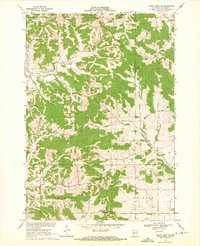 1969 North Bend NE1972 Print · USGSJackson County's coulee country is captured in detail during the late sixties, showing a landscape defined by its ridges and creek valleys. Genealogists and local historians can trace family locations near Franklin, the Upper Beaver Creek Ch, and the Morken Cem.
 - 1983 Map of Melrose, 1984 Print
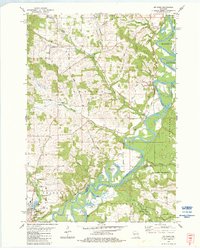 1983 Melrose1984 Print · USGSJackson County river life and rural townships are captured here in the early 1980s. You can trace family plots at St Malachys Cem Ch and follow the winding Black River past Horse Shoe Lake and Irving.
 - 1983 Map of Shamrock, 1984 Print
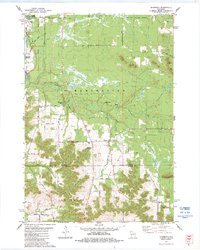 1983 Shamrock1984 Print · USGSJackson and Monroe County landscapes come together in the early 1980s, centered on the rural crossroads of Shamrock. Genealogists and local historians can trace family-named routes like Kelly Road to find St Calumkille, Gospel Hall, and the scenic Fall Hall Glen.
 - 1984 Map of Taylor
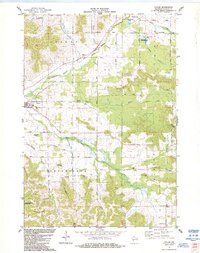 1984 Taylor1984 Print · USGSJackson County’s coulee country is captured here in the mid-eighties, showing the agricultural and natural rhythms of the Trempealeau River valley. Researchers can trace rural lineages through Woodlawn Cem, explore the small community of Sechlerville, and locate the Halverson Landing Field.
 - 1985 Map of Black River Falls
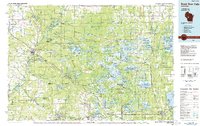 1985 Black River Falls1985 Print · USGSCentral Wisconsin in the mid-1980s is defined by its sprawling wildlife refuges and the winding Black River corridor. Genealogists and researchers can trace rural settlements like Millston and Warrens or locate historical sites such as the Iron Mine and the grounds of Fort McCoy.2 unique versions available
 - 1985 Map of Winona
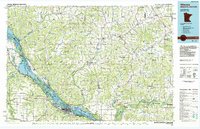 1985 Winona1985 Print · USGSThe Mississippi River valley and the coulees of the Driftless Area are shown here in the mid-1980s as the river's lock-and-dam system was well-established. Researchers can trace the riverfront at Winona, explore the bluffs near Galesville, or locate landmarks like Sugarloaf and Merrick State Park.2 unique versions available
 - 2010 Map of Shamrock, 2010 Print
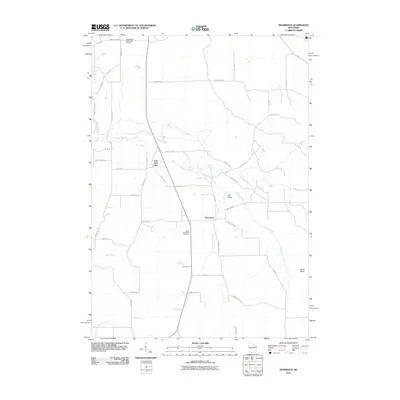 2010 Shamrock2010 Print · USGSWisconsin's rural Jackson County is captured here at the start of the 2010s, centered on the historic crossroads of Shamrock. Local researchers can locate Saint Columkille Cemetery and trace the winding waters of Robinson Creek past the landmark Fall Hall Glen.
 - 2010 Map of Melrose, 2010 Print
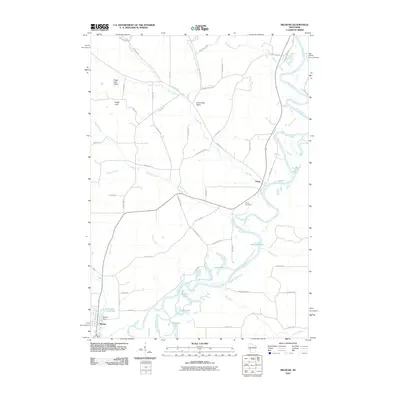 2010 Melrose2010 Print · USGSThe Black River valley near Melrose and Irving comes into sharp focus during the early twenty-first century. Genealogists and local historians can trace family locations near the Irving Cemetery, the Melrose Dam, and distinctive landmarks like Sugar Loaf.
 - 2010 Map of North Bend NE, 2010 Print
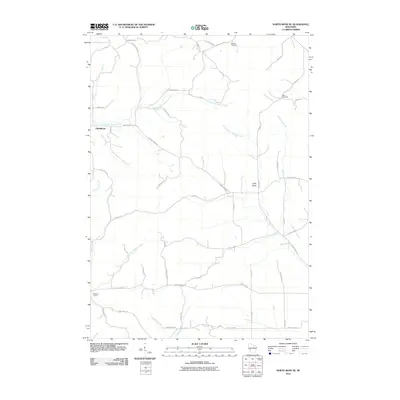 2010 North Bend NE2010 Print · USGSJackson County's rural township landscape is documented here in the early twenty-first century, showing the intricate creek networks and farm roads. Local historians can trace family burial sites at Morken Cemetery and Olson Cemetery, or locate the Buckholz Corners intersection.
 - 2010 Map of Taylor, 2010 Print
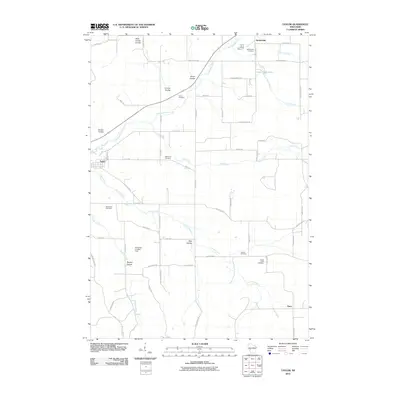 2010 Taylor2010 Print · USGSJackson County agricultural life is captured here in the early twenty-first century, showing the small settlements of Taylor and Sechlerville. Researchers can trace generations of local families through numerous sites like Curran Cemetery, French Creek Cemetery, and Woodlawn Cemetery.
 - 2013 Map of Taylor, 2013 Print
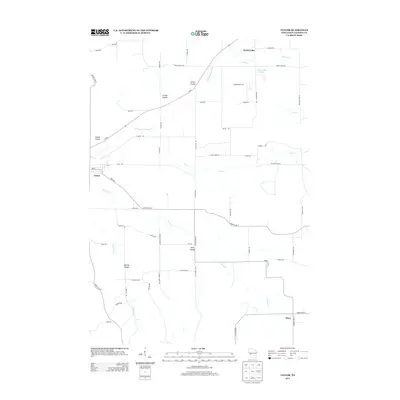 2013 Taylor2013 Print · USGSJackson County rural life is captured here in the early twenty-first century as the landscape transitions from the Trempealeau River to the upland coulees. Researchers can trace family-named geography and local settlements including Sechlerville, Disco, and Smith Coulee.
 - 2013 Map of North Bend NE, 2013 Print
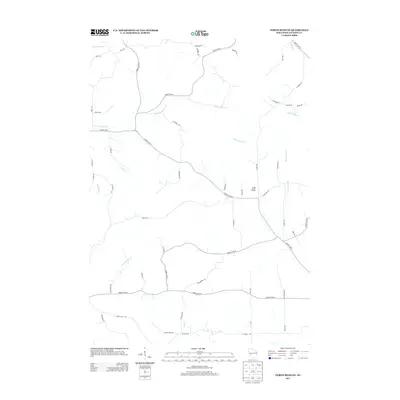 2013 North Bend NE2013 Print · USGSJackson County's network of coulees and ridges is documented in the early twenty-first century as agriculture and topography intersect. Researchers can trace land use patterns near Cuffy Knob or follow the paths of N Fork Beaver Cr and Black Slough.
 - 2013 Map of Melrose, 2013 Print
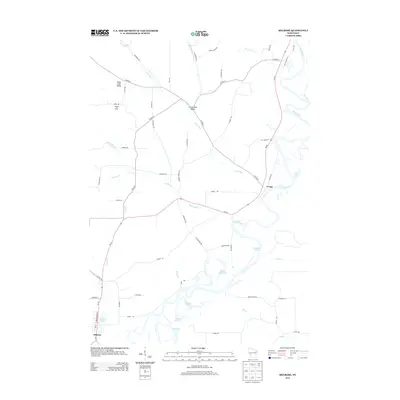 2013 Melrose2013 Print · USGSWisconsin's Jackson County riverlands are captured here in the early twenty-first century, showing a landscape shaped by the winding Black River. Researchers can trace the rural layout of Melrose and Irving alongside family-named landmarks like Sugar Loaf and Ketchum Lake.
 - 2013 Map of Shamrock, 2013 Print
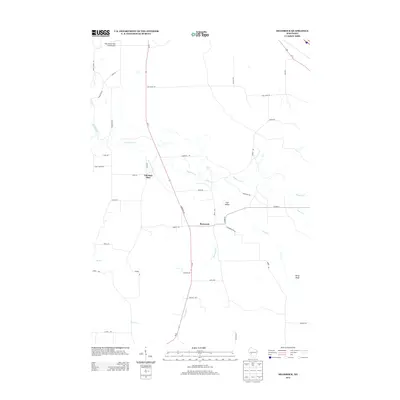 2013 Shamrock2013 Print · USGSWisconsin's Jackson County interior is shown in the early twenty-first century, featuring the rural intersection at Shamrock. Local historians can trace family land and geographic landmarks including Irish Valley, Fall Hall Glen, and the Black River Falls Area Airport.
 - 2015 Map of Taylor, 2015 Print
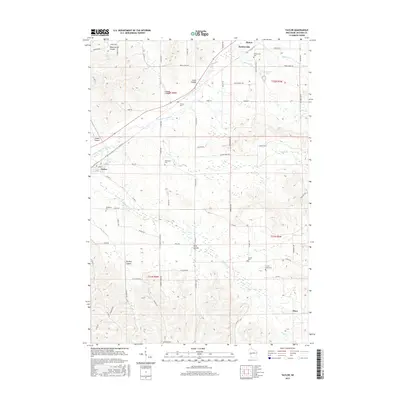 2015 Taylor2015 Print · USGSJackson County in the mid-2010s shows a landscape of deep coulees and historic rural crossroads. Genealogists and local researchers can trace family lands near numerous burial sites like Sechlerville Cem, Curran Cem, and the quiet settlement of Disco.
 - 2015 Map of North Bend NE, 2015 Print
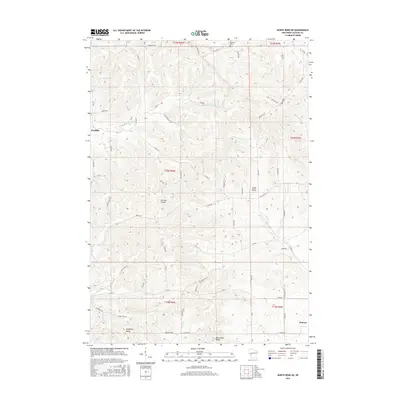 2015 North Bend NE2015 Print · USGSWisconsin’s coulee country is documented in this 2015 survey, showing the rural landscape around Franklin and Melrose. Genealogists and local historians can locate Olson Cem, Morken Cem, and family-named landmarks like German Coulee or Cuffy Knob.
Showing maps 1-25 of 35
Top cities near Irving
- Sparta historical maps
- Black River Falls historical maps
- Brockway historical maps
- Angelo historical maps
- Hale historical maps
- Burns historical maps
See more
Frequently asked questions
- What are the different types of historical maps available for Irving?
- What is the oldest map of Irving?
- Where can I purchase historical maps of Irving for my home or office?
- Where can I download high-res historical maps of Irving?
- Are there historical topographic maps available for Irving?
- Is there historical aerial imagery available for Irving?
- Where are historical maps of Irving sourced from?