Old Maps of La Grange, Wisconsin
Explore 42 old maps of La Grange, spanning from 1916 to today. These high-resolution historic maps reveal how streets, neighborhoods, landmarks, and natural features evolved over time — perfect for genealogy, metal detecting, research, and local history exploration.
What you can do with these maps:
- See how La Grange changed over time: Compare historical maps to modern-day views to trace roads, homesites, rail lines & more.
- View detailed metadata: Each map includes creators, publishers, year, scale, and archive source.
- Overlay maps with satellite & LiDAR: Visualize the past alongside modern tools to explore terrain & human change.
- Trusted historical sources: Maps sourced from the USGS, Library of Congress, and other archives.
- Access maps your way: View online, download high-res files, or order prints for personal or research use.
Start exploring old maps of La Grange to uncover forgotten places, hidden landmarks, and the deep history beneath your feet.
La Grange, WI maps
(42)- 1916 Map of Tomah
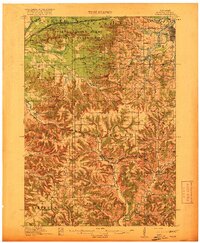 1916 Tomah1916 Print · USGSMonroe County is defined by its strategic rail junctions and military training grounds in the years before the Great War. Genealogists can trace rural life through sites like St Marys, Hopville School, and the Sparta Target Range.2 unique versions available
 - 1919 Map of Kendall, 1959 Print
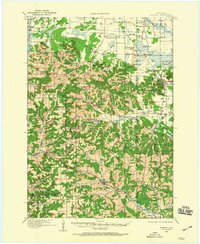 1919 Kendall1959 Print · USGSMonroe and Juneau counties are mapped here at the height of the rural school era, before the consolidation of the hill country districts. Genealogists can trace family footprints at Dorset Ridge Church, Little Ireland School, and small rail stops like Hustler.
 - 1921 Map of Kendall
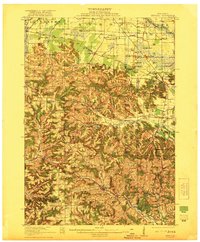 1921 Kendall1921 Print · USGSMonroe and Juneau Counties are shown here during the early twenties, where steep ridges and isolated bluffs meet productive farm valleys. Genealogists can trace family names and local landmarks like Dorset Ridge Church, Hoffman Corners, and Sugar Bowl Bluff.2 unique versions available
 - 1947 Map of Millston, 1963 Print
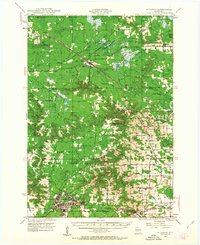 1947 Millston1963 Print · USGSMid-century Jackson and Monroe counties are captured here just after the war, showing the expansion of military and rail infrastructure. Genealogists can locate family sites near North Tomah or trace rural landmarks like Tarr Valley Sch and La Grange Cem.4 unique versions available
 - 1949 Map of Millston
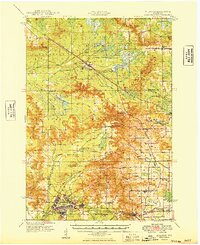 1949 Millston1949 Print · USGSWisconsin's central cranberry and timber country is captured here in the late 1940s as the regional rail network anchored rural life. Researchers can trace the layout of the Camp McCoy Military Reservation or locate family sites near Millston, Tunnel City, and several rural schoolhouses like White School.
 - 1949 Map of Tomah
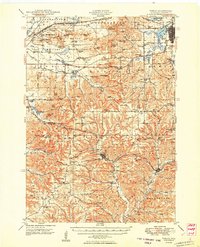 1949 Tomah1949 Print · USGSMonroe County in the late forties shows a landscape defined by the heavy rail corridors of the Chicago and North Western and the expanding Camp Mc Coy Military Reservation. Researchers can locate dozens of rural landmarks, from Tunnel Joint Sch and St Marys Ch to the old rail stop at Scotts Junction.
 - 1953 Map of Eau Claire, 1965 Print
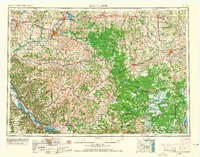 1953 Eau Claire1965 Print · USGSWest-central Wisconsin in the mid-fifties shows a landscape of river-valley industry and vast wildlife refuges during the transition from rails to modern highways. Genealogists and historians can trace the rail corridors of the Chicago and North Western or locate family-named landmarks like Decorah Mound and Chippewa Island.4 unique versions available
 - 1958 Map of Eau Claire
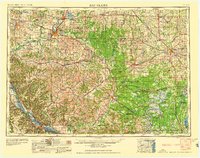 1958 Eau Claire1958 Print · USGSWestern Wisconsin in the late fifties shows a landscape of growing regional hubs and massive wildlife refuges. Trace the rail lines of the Chicago and North Western between Eau Claire and Marshfield, or explore the terrain around Iron Mound and Lake Wissota.
 - 1958 Map of Wyeville, 1960 Print
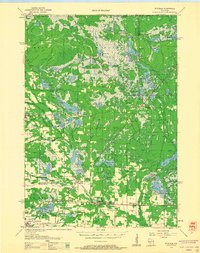 1958 Wyeville1960 Print · USGSWisconsin's cranberry and timber country is documented here in the late fifties, centered on the rail junctions of Monroe and Juneau Counties. You can trace the rural infrastructure of the day, from the Indian Cem and St Marks Ch to the Chicago and North Western rail lines.
 - 1958 Map of La Crosse, 1979 Print
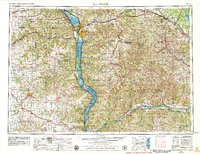 1958 La Crosse1979 Print · USGSThe Driftless Area of Wisconsin and Iowa is captured here during the late seventies, showing the intricate river valleys and ridge-top settlements. Genealogists and historians can trace the rail corridors of the Soo Line or locate landmarks like Grandad Bluff and Effigy Mounds National Monument.2 unique versions available
 - 1961 Map of La Crosse
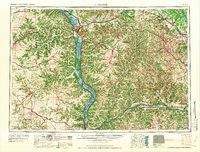 1961 La Crosse1961 Print · USGSThe Driftless Area at the start of the 1960s reveals a complex network of river towns and rail lines along the Mississippi River. Genealogists and historians can trace old settlements like New Amsterdam and Wyattville or locate major landmarks like Camp McCoy Military Reservation and Effigy Mounds National Monument.
 - 1962 Map of Kendall, 1964 Print
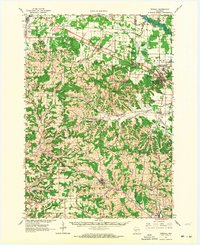 1962 Kendall1964 Print · USGSMid-century Monroe and Juneau Counties are captured here as military training sites and railroad engineering meet rural valley life. Genealogists and historians can locate family landmarks like Hoffman Corners, the Dorset Ridge Ch, and the high-elevation Sunny Ridge Sch.2 unique versions available
 - 1964 Map of Eau Claire
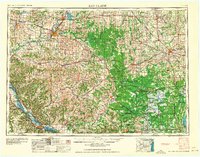 1964 Eau Claire1964 Print · USGSWest-central Wisconsin in the mid-1960s was a hub of river-driven industry and expanding rail networks. Researchers can trace historic homesteads near Menomonie, follow the Soo Line RR through Marshfield, or explore the grounds of the Camp McCoy Military Reservation.
 - 1965 Map of La Crosse
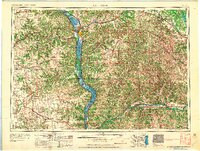 1965 La Crosse1965 Print · USGSThe Driftless Area and the Upper Mississippi valley are captured here during a period of steady mid-century growth. Researchers can trace the rail lines of the Chicago and North Western or locate riverfront sites like Effigy Mounds National Monument and the Camp McCoy Military Reservation.
 - 1970 Map of Wyeville, 1972 Print
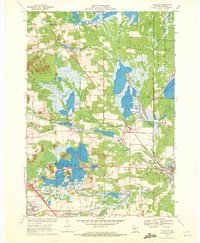 1970 Wyeville1972 Print · USGSMonroe County was a nexus of rail activity and cranberry production around 1970, centered on the village of Wyeville. Local historians can trace the Chicago and North Western line or locate sites like Valley Junction, Indian Cem, and the Veterans Administration Hospital.2 unique versions available
 - 1976 Map of La Crosse
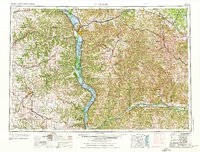 1976 La Crosse1976 Print · USGSThe Driftless Area and Mississippi River valley are captured here in the mid-seventies, showing a landscape of deep coulees and river commerce. Genealogists can trace family footprints from La Crosse to smaller hamlets like Newburg Corners and Witoka.
 - 1976 Map of Tomah NE, 1978 Print
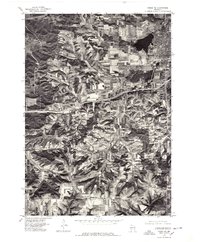 1976 Tomah NE1978 Print · USGSMonroe County farmland and the growing city of Tomah are captured in detail during the mid-seventies. Researchers can trace the development of residential blocks around Lake Tomah and locate the rural crossroads at Ridgeville.2 unique versions available
 - 1983 Map of Tomah, 1984 Print
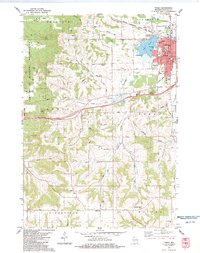 1983 Tomah1984 Print · USGSTomah and its surrounding townships are shown here in the early eighties, where the regional rail hub meets the eastern edge of the Fort McCoy Military Reservation. Genealogists and local historians can trace rural family plots at Oak Grove and St. Johns, or locate community landmarks like Jacksonville and the East Ridgeville School.
 - 1983 Map of Oakdale, 1984 Print
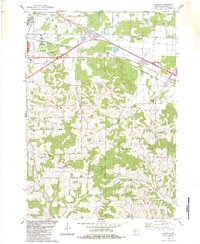 1983 Oakdale1984 Print · USGSThe rail-and-road corridor of Monroe County comes into focus in the early eighties, centered on the expansion of Tomah and the village of Oakdale. Genealogists and local historians can trace family-named sites like Sunny Ridge Sch, Oakdale Cem, and the high ground of Indian Ridge.
 - 1983 Map of Tunnel City, 1984 Print
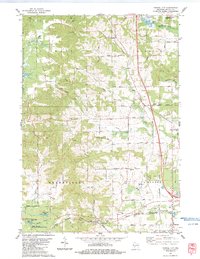 1983 Tunnel City1984 Print · USGSMonroe County's rail-and-creek landscape is captured here in the early eighties. Genealogists can trace family plots at Boyonton Cem and LaGrange Cem or locate the junction of the Chicago & NW and Milwaukee St Paul and Pacific at Tunnel City.
 - 1985 Map of Black River Falls
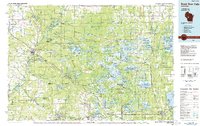 1985 Black River Falls1985 Print · USGSCentral Wisconsin in the mid-1980s is defined by its sprawling wildlife refuges and the winding Black River corridor. Genealogists and researchers can trace rural settlements like Millston and Warrens or locate historical sites such as the Iron Mine and the grounds of Fort McCoy.2 unique versions available
 - 1985 Map of Sparta
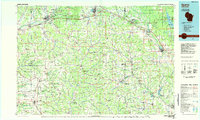 1985 Sparta1985 Print · USGSWestern Wisconsin in the 1980s shows the unique ridge-and-valley terrain of the Driftless Area during a period of transition for its rails and rural hubs. Trace the historic rail tunnels of the Elroy-Sparta State Trail and find local landmarks like St Marys Ch and Castle Rock Lake.2 unique versions available
 - 2010 Map of Tunnel City, 2010 Print
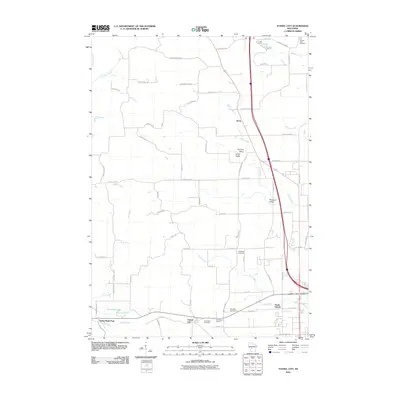 2010 Tunnel City2010 Print · USGSMonroe County at the start of the decade reveals a landscape of named valleys and rural cemeteries branching out from Tunnel City. Genealogists and local historians can locate family plots at Warren Mills Cemetery, LaGrange Cemetery, and Saint Marys Cemetery.
 - 2010 Map of Wyeville, 2010 Print
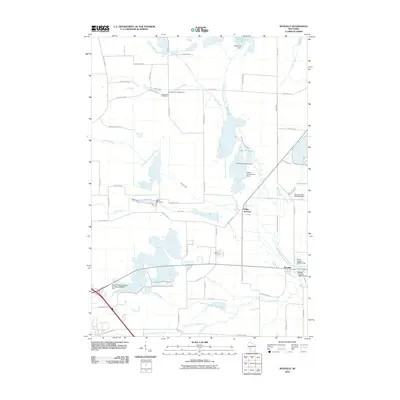 2010 Wyeville2010 Print · USGSMonroe County's water-managed landscapes come into focus here as the two forks of the Lemonweir River meet. Genealogists and local historians can trace burial sites at Dannavang Cemetery and Wood Cemetery or examine early industrial footprints like the Water Mill Dam.
 - 2010 Map of Oakdale, 2010 Print
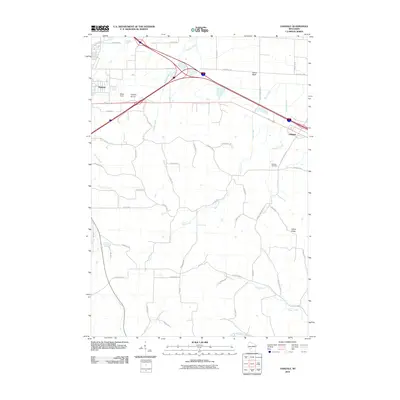 2010 Oakdale2010 Print · USGSMonroe County is captured here in the early twenty-first century, showing the meeting of major transit corridors and rural waterways. Genealogists and local historians can trace landmarks like Oakdale Cemetery, Bloyer Field, and the distinctive Camels Hump.
Showing maps 1-25 of 42
Top cities near La Grange
- Tomah historical maps
- Brockway historical maps
- Angelo historical maps
- Clifton historical maps
- Norwalk historical maps
- Camp Douglas historical maps
See more
Top neighborhoods of La Grange
Frequently asked questions
- What are the different types of historical maps available for La Grange?
- What is the oldest map of La Grange?
- Where can I purchase historical maps of La Grange for my home or office?
- Where can I download high-res historical maps of La Grange?
- Are there historical topographic maps available for La Grange?
- Is there historical aerial imagery available for La Grange?
- Where are historical maps of La Grange sourced from?