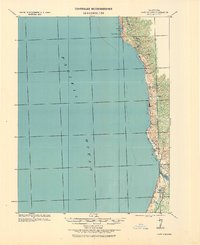
1921 Map of Cape Vizcaino
USGS Topo · Published 1929About this map
The Ten Mile River Logging RR lines the southern coast of this Mendocino County survey, reflecting the industrial timber operations that defined this shoreline during the early twentieth century. Working under the direction of Col. Chas. L. Potter, the Army Corps of Engineers captured a rugged coastal landscape where small settlements like Westport and Hardy clung to the bluffs above the Pacific Ocean. This reconnaissance reveals the logistical pattern of the era, where narrow-gauge rail and shipping points at Rockport Bay and Newport served as the primary links for isolated logging communities. From the Cottaneva Valley down to Inglenook, the terrain is marked by numerous drainage crossings such as Wages Cr and Juan Creek, highlighting the natural barriers overcome by coastal settlers and loggers before the expansion of modern highway systems.
Find a feature on this map
19 named features on this map. Tap any name to fly to it.
Don’t see what you’re looking for? This feature index may not catch every label — zoom into the map to look around manually.
Map Details
Editions of this 1921 Cape Vizcaino Map
2 editions found
Other maps of this area
1920 · Glenblair
USGS Topo · 1:62,500
1920 · Cummings
USGS Topo · 1:62,500
1920 · Fort Bragg
USGS Topo · 1:62,500
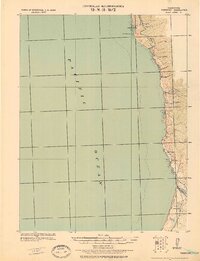
1921 · Westport
USGS Topo · 1:62,500
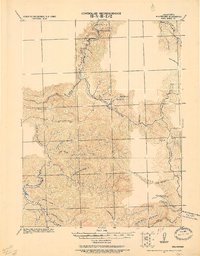
1921 · Branscomb
USGS Topo · 1:62,500
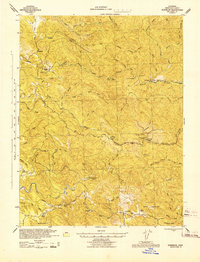
1943 · Glenblair
USGS Topo · 1:62,500
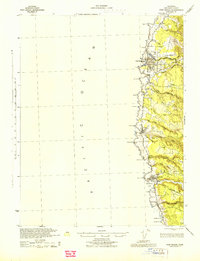
1943 · Fort Bragg
USGS Topo · 1:62,500
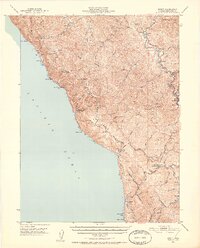
1950 · Piercy
USGS Topo · 1:62,500
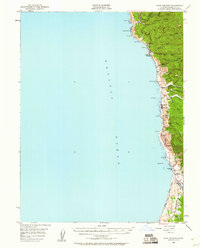
1950 · Cape Vizcaino
USGS Topo · 1:62,500
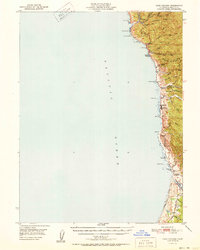
1951 · Cape Vizcaino
USGS Topo · 1:62,500