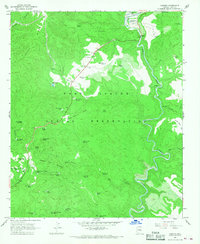
1966 Map of Carrizo
USGS Topo · Published 1968About this map
The Fort Apache Indian Reservation landscape is defined by the deep incisions of Carrizo Creek and Cibecue Creek as they carve through the high terrain of Gila County. In the mid-1960s, this area supported livestock and ranching infrastructure, evidenced by the numerous named tanks such as Flying V Pasture Tank and Peach Tree Tank. The topography is marked by distinctive rises like Ragged Top Mountain and Wild Dove Butte, providing natural landmarks for those navigating the Jeep Trail network.
Find a feature on this map
48 named features on this map. Tap any name to fly to it.
Don’t see what you’re looking for? This feature index may not catch every label — zoom into the map to look around manually.
Map Details
Editions of this 1966 Carrizo Map
This is the sole edition of this map. No revisions or reprints were ever made.
Other maps of this area
1886 · Holbrook
USGS Topo · 1:250,000
1893 · Holbrook
USGS Topo · 1:250,000
1954 · Holbrook
USGS Topo · 1:250,000
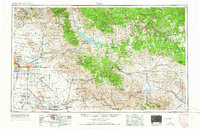
1954 · Mesa
USGS Topo · 1:250,000
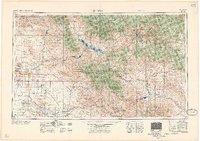
1957 · Mesa
USGS Topo · 1:250,000
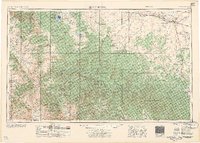
1957 · Holbrook
USGS Topo · 1:250,000
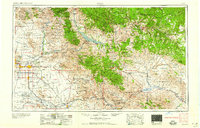
1958 · Mesa
USGS Topo · 1:250,000
1958 · Holbrook
USGS Topo · 1:250,000
1960 · Holbrook
USGS Topo · 1:250,000
1960 · Mesa
USGS Topo · 1:250,000