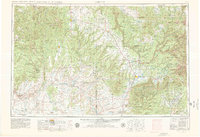
1956 Map of Cortez
USGS Topo · Published 1979About this map
The Mesa Verde plateau and the sprawling high deserts of the Four Corners region dominate this mid-century landscape. The map details the intricate relationship between the canyon-cut terrain and early agricultural settlements like Dove Creek, Monticello, and Blanding. Evidence of the region’s deep cultural history is visible through the boundaries of the Navajo, Ute Mountain, and Southern Ute Indian Reservation lands, alongside dedicated preservation sites such as Hovenweep National Monument and Yucca House National Monument. The rugged topography, defined by Comb Ridge and the Abajo Mountains, is punctuated by isolated outposts like Mexican Hat and Aneth along the San Juan River. The presence of Fort Lewis A & M College near the eastern edge provides a specific marker of the era's institutional development amidst the vast San Juan National Forest and Manti-La Sal National Forest.
Find a feature on this map
77 named features on this map. Tap any name to fly to it.
Don’t see what you’re looking for? This feature index may not catch every label — zoom into the map to look around manually.
Map Details
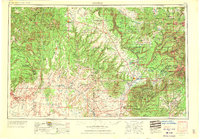
Editions of this 1956 Cortez Map
2 editions found
Other maps of this area
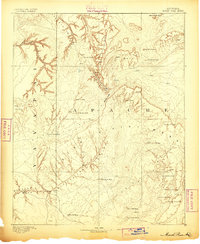
1883 · Marsh Pass
USGS Topo · 1:250,000
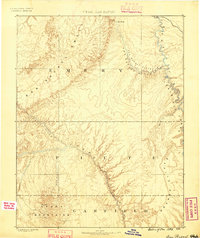
1885 · San Rafael
USGS Topo · 1:250,000
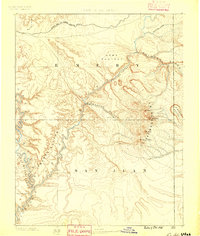
1885 · La Sal
USGS Topo · 1:250,000
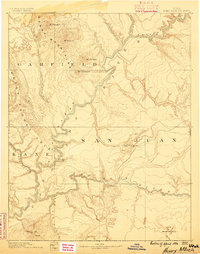
1886 · Henry Mountains
USGS Topo · 1:250,000
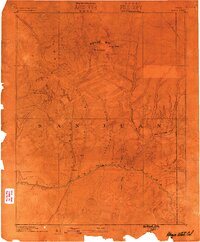
1886 · Abajo
USGS Topo · 1:250,000
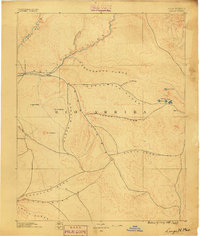
1889 · Largo
USGS Topo · 1:250,000
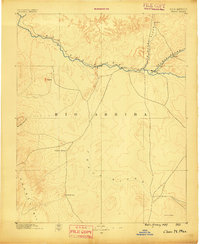
1889 · Chaco
USGS Topo · 1:250,000
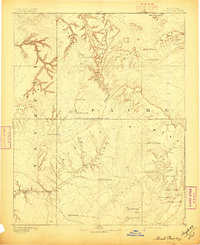
1892 · Marsh Pass
USGS Topo · 1:250,000
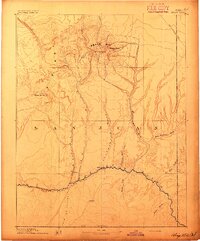
1892 · Abajo
USGS Topo · 1:250,000
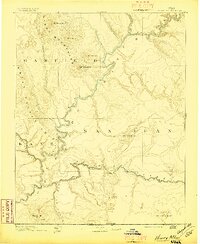
1892 · Henry Mountains
USGS Topo · 1:250,000