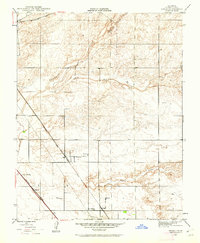
1946 Map of Gregg
USGS Topo · Published 1962About this map
Agricultural development in the San Joaquin Valley is clearly visible in this survey of the landscape just after the war. The intersection of major transportation routes dominates the western portion of the map, where the Southern Pacific and Atchison Topeka and Santa Fe railroads cut across the terrain. Small rail-side settlements like Trigo, Irrigosa, and Gregg serve as focal points for the surrounding rural community. The landscape is defined by the drainage patterns of Hildreth Creek, Cottonwood Creek, and Little Dry Creek, which are supplemented by human-made infrastructure like the Reservoir near Trigo and various Well sites. Local educational and social life is anchored by the Sweet Flower Sch, while the connectivity of the era is represented by named thoroughfares such as the Madera and O'Neals Road and Pole Line Road.
Find a feature on this map
16 named features on this map. Tap any name to fly to it.
Don’t see what you’re looking for? This feature index may not catch every label — zoom into the map to look around manually.
Map Details
Editions of this 1946 Gregg Map
This is the sole edition of this map. No revisions or reprints were ever made.
Other maps of this area
1912 · Mariposa
USGS Topo · 1:125,000
1919 · Little Table Mountain
USGS Topo · 1:31,680
1920 · Kismet
USGS Topo · 1:31,680
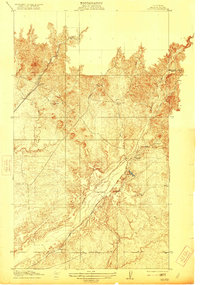
1921 · Daulton
USGS Topo · 1:31,680
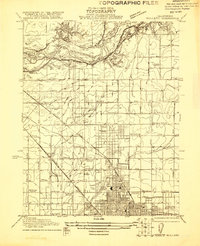
1921 · Bullard
USGS Topo · 1:31,680
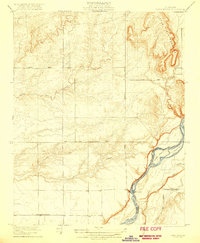
1922 · Lanes Bridge
USGS Topo · 1:31,680
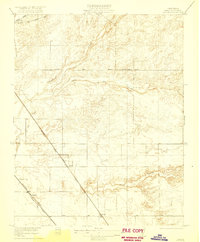
1922 · Gregg
USGS Topo · 1:31,680
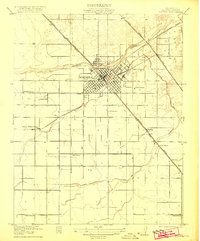
1922 · Madera
USGS Topo · 1:31,680
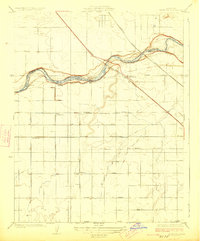
1923 · Herndon
USGS Topo · 1:31,680
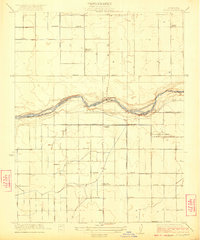
1923 · Biola
USGS Topo · 1:31,680