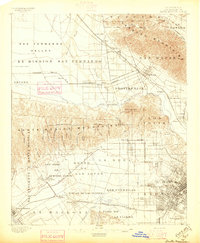
1896 Map of Santa Monica
USGS Topo · Published 1896About this map
Large Spanish land grants still define the Los Angeles landscape in the late nineteenth century, with vast tracts like La Brea, Rodeo de las Aguas, and San Jose de Buenos Ayres dominating the territory between the coast and the growing city. The central Santa Monica Mountains form a rugged barrier, carved by numerous canyons including Sepulveda Canyon and Benedict Canyon. In the foothills, the nascent settlement of Hollywood is just beginning to appear alongside Colegrove, while the National Soldiers Home stands as a prominent landmark to the west. The regional transportation network is anchored by the Southern Pacific R. R. and the Chatsworth Park Branch, facilitating travel through the San Fernando Valley and connecting emerging towns like Burbank, Sherman, and Palms. This period shows the transition from ranchero culture to early urban development, before the arrival of the motion picture industry transformed these foothills forever.
Find a feature on this map
77 named features on this map. Tap any name to fly to it.
Don’t see what you’re looking for? This feature index may not catch every label — zoom into the map to look around manually.
Map Details
Editions of this 1896 Santa Monica Map
This is the sole edition of this map. No revisions or reprints were ever made.
Other maps of this area
1894 · Los Angeles
USGS Topo · 1:62,500
1896 · Pasadena
USGS Topo · 1:62,500
1896 · Redondo
USGS Topo · 1:62,500
1896 · Downey
USGS Topo · 1:62,500
1898 · Santa Monica
USGS Topo · 1:62,500
1899 · Downey
USGS Topo · 1:62,500
1900 · Pasadena
USGS Topo · 1:62,500
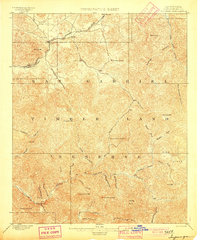
1900 · Tujunga
USGS Topo · 1:62,500
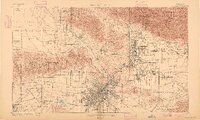
1900 · Los Angeles
USGS Topo · 1:62,500
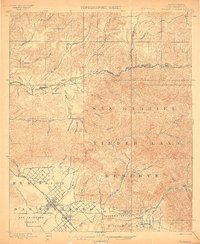
1900 · Fernando
USGS Topo · 1:62,500