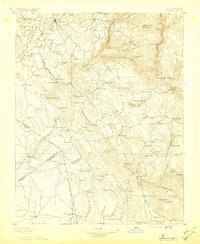
1896 Map of Sonora
USGS Topo · Published 1896About this map
Sonora and its surrounding gold country landscapes are captured here during a period of established mining operations and mountain transit. The map documents the intricate river systems of the North Fork Tuolumne River and the Merced River, which carved the deep canyons that dictated settlement patterns. Gold Rush era outposts such as Chinese Camp, Tuttletown, and Coulterville serve as regional hubs, connected by early infrastructure like Ward Ferry and the Moffat Bridge.
Find a feature on this map
138 named features on this map. Tap any name to fly to it.
Don’t see what you’re looking for? This feature index may not catch every label — zoom into the map to look around manually.
Map Details
Editions of this 1896 Sonora Map
This is the sole edition of this map. No revisions or reprints were ever made.
Other maps of this area
1889 · Jackson
USGS Topo · 1:125,000
1891 · Big Trees
USGS Topo · 1:125,000
1892 · Jackson
USGS Topo · 1:125,000
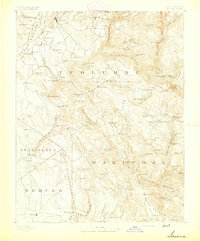
1893 · Sonora
USGS Topo · 1:125,000
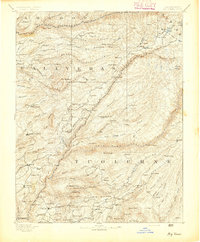
1894 · Big Trees
USGS Topo · 1:125,000
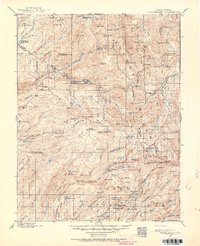
1896 · Dardanelles
USGS Topo · 1:125,000
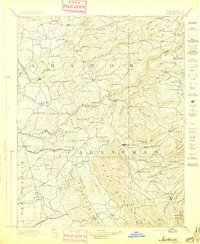
1897 · Jackson
USGS Topo · 1:125,000
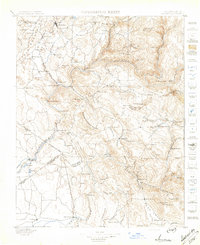
1897 · Sonora
USGS Topo · 1:125,000
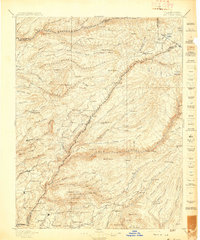
1897 · Big Trees
USGS Topo · 1:125,000
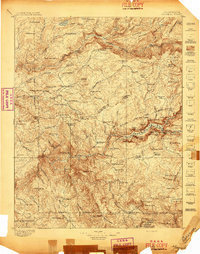
1897 · Yosemite
USGS Topo · 1:125,000