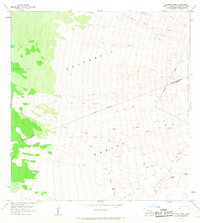
1966 Map of Sulphur Cone
USGS Topo · Published 1968About this map
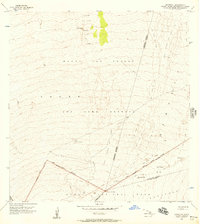
Sulphur Cone and the Southwest Rift Zone dominate this mid-century topographic study of the active volcanic landscape within Hawaii Volcanoes National Park. The map documents a stark environment defined by geological activity, specifically tracing the extents of the Lava Flow of 1851 and the more recent Lava Flow of 1950. These frozen rivers of stone cross the district boundary between the North Kona and Kau Districts, showing the relentless transformation of the terrain. Human presence is sparse but significant, marked by the Old Hawaiian Trail and a Jeep Trail that navigate the slopes near Sleeping Cave. The survey also captures prominent cinder cones and landmarks such as Red Cone, Puu O Uo, and Kohalapilau, providing a technical record of the island's evolving volcanic architecture before later eruptions further altered the surface.
Find a feature on this map
18 named features on this map. Tap any name to fly to it.
Don’t see what you’re looking for? This feature index may not catch every label — zoom into the map to look around manually.
Map Details
Editions of this 1966 Sulphur Cone Map
This is the sole edition of this map. No revisions or reprints were ever made.
Other maps of this area
1927 · Kaohe
USGS Topo · 1:62,500
1928 · Kailua
USGS Topo · 1:62,500
1928 · Mauna Loa
USGS Topo · 1:62,500
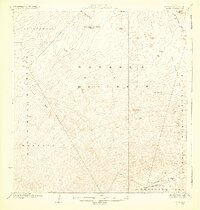
1930 · Kaohe
USGS Topo · 1:62,500
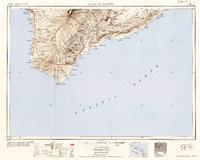
1954 · Hawaii South
USGS Topo · 1:250,000
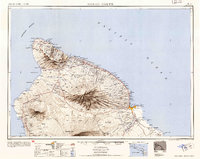
1954 · Hawaii North
USGS Topo · 1:250,000
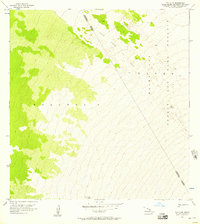
1956 · Puu O Uo
USGS Topo · 1:24,000
1956 · Kokoolau
USGS Topo · 1:24,000
1959 · Hawaii South
USGS Topo · 1:250,000
1959 · Hawaii North
USGS Topo · 1:250,000