Old Maps of Indios, Guayanilla
Explore 17 old maps of Indios, spanning from 1946 to today. These high-resolution historic maps reveal how streets, neighborhoods, landmarks, and natural features evolved over time — perfect for genealogy, metal detecting, research, and local history exploration.
What you can do with these maps:
- See how Indios changed over time: Compare historical maps to modern-day views to trace roads, homesites, rail lines & more.
- View detailed metadata: Each map includes creators, publishers, year, scale, and archive source.
- Overlay maps with satellite & LiDAR: Visualize the past alongside modern tools to explore terrain & human change.
- Trusted historical sources: Maps sourced from the USGS, Library of Congress, and other archives.
- Access maps your way: View online, download high-res files, or order prints for personal or research use.
Start exploring old maps of Indios to uncover forgotten places, hidden landmarks, and the deep history beneath your feet.
Indios, Guayanilla maps
(17)- 1946 Map of Yauco
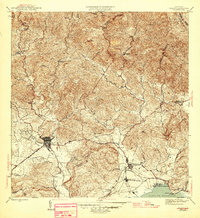 1946 Yauco1946 Print · USGSSouthern Puerto Rico in the 1940s reveals a landscape of industrial sugar mills and high-altitude coffee haciendas. Genealogists and historians can locate specific family-named estates like Hacienda Catalina or trace the rural schools such as the Escuela Segunda Unidad de Santo Domingo and the infrastructure around Central Rufina.3 unique versions available
 - 1946 Map of Punta Verraco
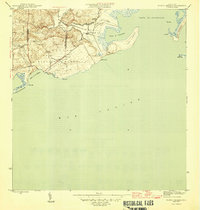 1946 Punta Verraco1946 Print · USGSThe southwestern coast of Puerto Rico is mapped in the mid-1940s, highlighting the intersection of the sugar industry and the sea. Researchers can trace the Porto Rico RR as it passes Central San Francisco and the hills of the Bosque Insular de Guánica y Guayanilla.3 unique versions available
 - 1947 Map of Yauco SE
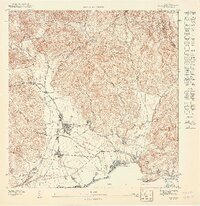 1947 Yauco SE1947 Print · USGSCoastal Guayanilla in the mid-1940s shows a vibrant landscape defined by the sugar industry and the sea. Researchers can trace the rail corridor of the American Railroad Company of Porto Rico and locate sites like Central Rufina or the shoreline Playa de Guayanilla.
 - 1947 Map of Yauco SO
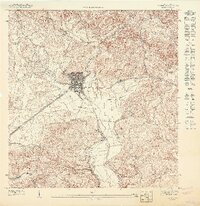 1947 Yauco SO1947 Print · USGSCoastal plains and southern foothills meet in the late 1940s as this survey of Puerto Rico shows the area's transition into a major regional hub. Genealogists and historians can trace the grid of Yauco and the path of the Linea De American Porto Rico Railroad past Barinas and Palomas.
 - 1947 Map of Punta Verraco NE
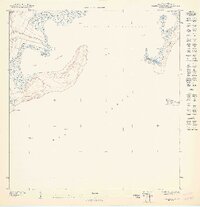 1947 Punta Verraco NE1947 Print · USGSThe southern coast of Puerto Rico appears here in the late 1940s, highlighting the natural harbor and coastal points of Guayanilla. Researchers can trace the original shoreline and landmarks like Punta Verraco, Cerro Toro, and the mouth of the Río Yauco.
 - 1952 Map of Yauco, 1953 Print
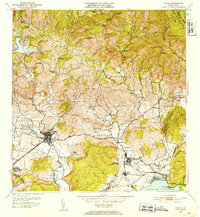 1952 Yauco1953 Print · USGSCoastal and mountain life in southern Puerto Rico are captured here just after the mid-century, from the sugar mills to the high haciendas. Genealogists and historians can trace family roots through named estates like Hacienda Mogote and the residential streets of Yauco.2 unique versions available
 - 1952 Map of Punta Verraco, 1953 Print
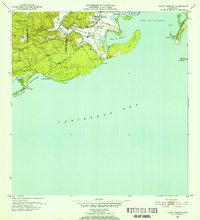 1952 Punta Verraco1953 Print · USGSGuayanilla and Yauco meet the Caribbean Sea in the early fifties, showing a coast defined by sugar production and conservation lands. Genealogists and historians can locate early communities like Parcelas Barrio Indio and trace the influence of Central San Francisco.2 unique versions available
 - 1958 Map of Punta Verraco, 1960 Print
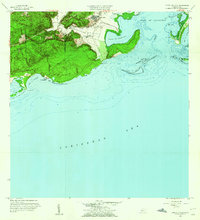 1958 Punta Verraco1960 Print · USGSCoastal Guayanilla and its sugar industry are captured in the late 1950s, showing the intersection of maritime trade and rural life. Researchers can locate Central San Francisco, the Escuela Arturo Lluberas, and reefs like Arrecife Guayanilla.2 unique versions available
 - 1958 Map of Yauco, 1961 Print
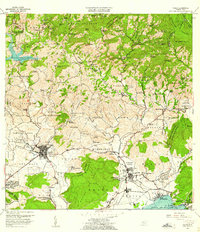 1958 Yauco1961 Print · USGSThe southwestern coast of Puerto Rico during the late fifties shows a landscape of historic coffee and sugar estates transitioning into an industrial era. Genealogists and historians can trace family landholdings from Hacienda Pintado to Hacienda Florida, or locate local landmarks like Central Rufina and the Cementerio Municipal.2 unique versions available
 - 1966 Map of Yauco, 1968 Print
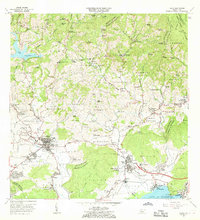 1966 Yauco1968 Print · USGSThe hills surrounding Yauco are documented here during a period of transition between traditional mountain estates and coastal industry. Researchers can trace family roots through numerous named estates like Hacienda Gloria and Hacienda Catalina or locate rural landmarks like Iglesia El Paraiso.4 unique versions available
 - 1966 Map of Punta Verraco, 1969 Print
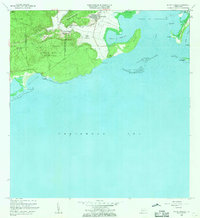 1966 Punta Verraco1969 Print · USGSCoastal Guayanilla in the mid-sixties reveals a landscape balancing the protected Bosque Estatal de Guanica with emerging petroleum industrial sites. Researchers can trace local life through the Central San Francisco sugar mill area, Barrio Indios, and the Escuela Arturo Lluberas.3 unique versions available
 - 2013 Map of Punta Verraco, 2013 Print
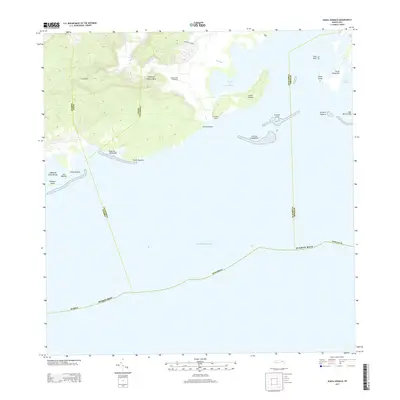 2013 Punta Verraco2013 Print · USGSThe southern coast of Puerto Rico reveals its intricate maritime and industrial character in this early twenty-first-century survey. Trace the coastal geography from the sugar-milling heritage at Central San Francisco to reefs like Arrecife Guayanilla and Gilligans Island.
 - 2013 Map of Yauco, 2013 Print
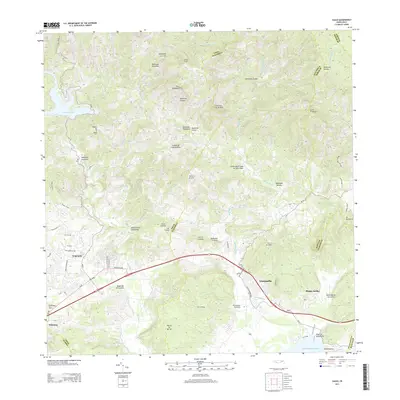 2013 Yauco2013 Print · USGSSouthern Puerto Rico in the early twenty-first century reveals a landscape of deep valleys and coastal plains. Researchers can trace the development of Yauco and Guayanilla while locating specific local sites like the Cementerio Municipal and Lago Lucchetti.
 - 2018 Map of Punta Verraco, 2018 Print
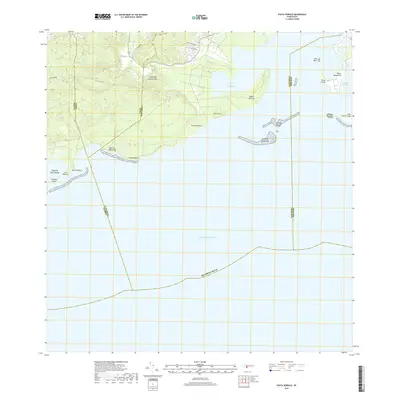 2018 Punta Verraco2018 Print · USGSThe southern coast of Puerto Rico is mapped here in the late 2010s, showing the intricate shoreline between Guánica and Peñuelas. Maritime researchers can trace the coral reefs at Arrecife Guayanilla and landforms like Cerro Toro and Gilligans Island.
 - 2018 Map of Yauco, 2018 Print
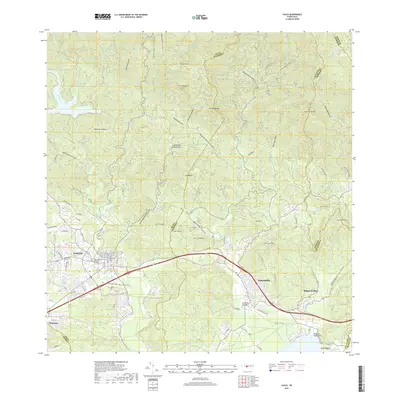 2018 Yauco2018 Print · USGSSouthern Puerto Rico's mountainous backdrop meets the coast in this modern survey of the Yauco and Guayanilla region. Genealogists and local historians can locate family sites near Viejo Cementerio Municipal de Yauco or trace rural life in Las Cruces and Magas Arriba.
 - 2024 Map of Yauco, 2024 Print
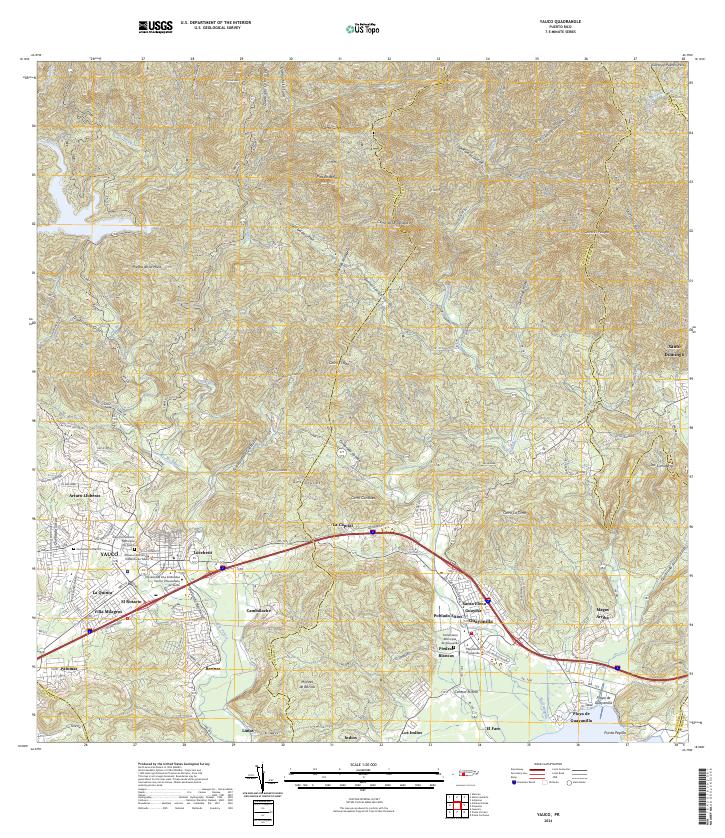 2024 Yauco2024 Print · USGSSouthern Puerto Rico's mountain-to-sea geography is on full display in this contemporary survey of the Yauco and Guayanilla corridor. Researchers can trace family sites at the Viejo Cementerio Municipal De Yauco or explore industrial landmarks like Central Rufina.
 - 2024 Map of Punta Verraco, 2024 Print
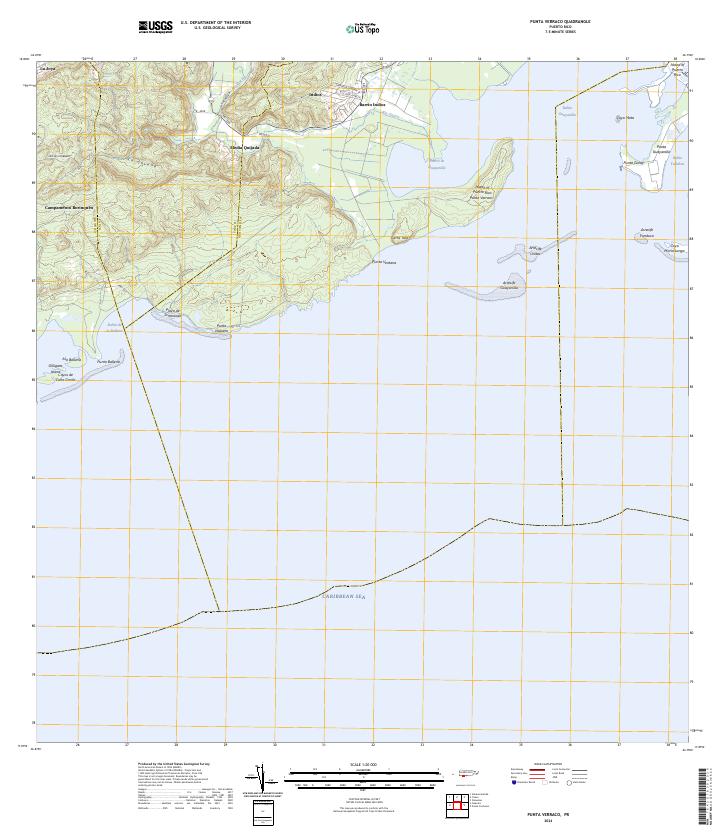 2024 Punta Verraco2024 Print · USGSThe southwest coast of Puerto Rico is revealed in this contemporary survey, where the hills meet the Caribbean shoreline. Researchers can trace the layout of Barrio Indios, locate the offshore Gilligans Island, and follow the path of the Río Yauco toward the sea.
End of results
Showing maps 1-17 of 17
Frequently asked questions
- What are the different types of historical maps available for Indios?
- What is the oldest map of Indios?
- Where can I purchase historical maps of Indios for my home or office?
- Where can I download high-res historical maps of Indios?
- Are there historical topographic maps available for Indios?
- Is there historical aerial imagery available for Indios?
- Where are historical maps of Indios sourced from?