Old Maps of Coto, Isabela for Academic Research
Study the evolution of Coto with 16 high-resolution historic maps. Whether you're teaching, researching, or modeling changes in land use, these maps provide essential visual documentation of urban, environmental, and geographic change.
- Analyze long-term change: Track patterns in development, transportation, and natural features.
- Ideal for environmental or urban studies: Support academic projects with primary historical map data.
- Use in the classroom or lab: Educators and researchers rely on these maps to bring historical context to life.
These maps are a powerful tool for teaching, research, and visualizing how Coto has changed over the decades.
Coto, Isabela maps
(16)- 1937 Map of Moca
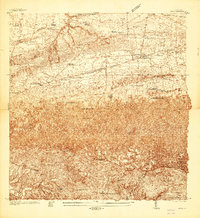 1937 Moca1937 Print · USGSNorthwestern Puerto Rico in the late thirties reveals a landscape defined by rail transit and a remarkably dense network of rural schools. Family historians can trace ancestral roots through dozens of local sites like Escuela Aceituna No 1, Iglesia Presbiteriana, and the American RR of Porto Rico stations.2 unique versions available
 - 1938 Map of Quebradillas
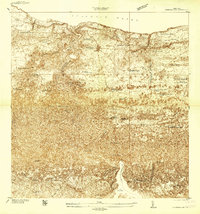 1938 Quebradillas1938 Print · USGSNorthern Puerto Rico in the late 1930s reveals a landscape of winding rivers and densely mapped rural schools. Genealogists and historians can trace family roots through named sites like Pueblito de Ponce, the American Porto Rico rail line, and Iglesia Virgen del Carmen.2 unique versions available
 - 1941 Map of Moca
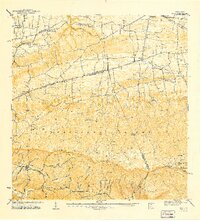 1941 Moca1941 Print · USGSNorthwestern Puerto Rico is captured here in the early 1940s, showing a landscape where the coastal railroad meets the high ridges of the Cordillera. Researchers can trace the American RR of Porto Rico line through Estacion Santiago and find local landmarks like the Iglesia de la Virgen del Rosario.
 - 1942 Map of Moca
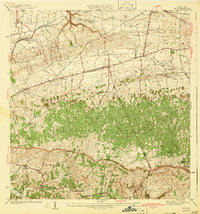 1942 Moca1942 Print · USGSNorthwestern Puerto Rico during the early forties shows a landscape transitioning between coastal rail industry and the rural interior. Genealogists can trace family footprints near Jobos and the American R. R. of Porto Rico or at the Escuela Segunda Unidad de Voladoras.5 unique versions available
 - 1950 Map of Moca NE
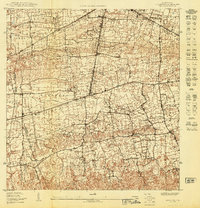 1950 Moca NE1950 Print · USGSNorthwestern Puerto Rico is captured here at mid-century, showing a high density of rural settlements and early infrastructure. Genealogists can trace family sites near Mora or the Iglesia Arenales Altos, while the American R R of Porto Rico marks the era's rail transit.
 - 1950 Map of Quebradillas NO
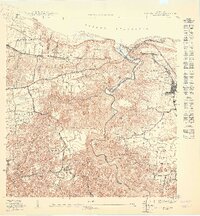 1950 Quebradillas NO1950 Print · USGSMid-century Isabela and Quebradillas are defined here by the coastal path of the American Railroad and the deep gorge of the Río Guajataca. Genealogy researchers can locate family sites near San Antonio, the Iglesia Virgen del Carmen, or Estación Quebradillas.
 - 1956 Map of Moca, 1959 Print
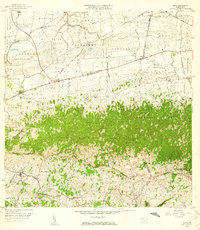 1956 Moca1959 Print · USGSMoca and the surrounding northwest highlands are shown here in the mid-fifties, during a period of transition between traditional agriculture and modern infrastructure. You can trace the Antigua Vía del Ferrocarril through the karst hills or locate family landmarks like Central Isabel No 2 and the Cementerio de Isabela.
 - 1957 Map of Quebradillas, 1961 Print
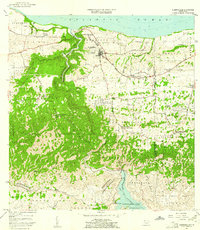 1957 Quebradillas1961 Print · USGSCoastal Puerto Rico in the late fifties shows a landscape defined by traditional barrios and the winding Rio Guajataca. Genealogy researchers can locate rural schools like Escuela José de Diego and landmarks such as the Iglesia Virgen del Carmen.2 unique versions available
 - 1964 Map of Moca, 1967 Print
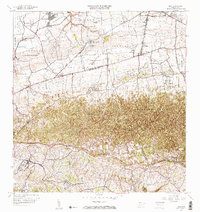 1964 Moca1967 Print · USGSNorthwestern Puerto Rico in the mid-sixties shows a landscape defined by the rugged Cordillera Jaicoa and vital water infrastructure. Genealogists can trace family footprints near Moca and find landmarks like the Iglesia Ceiba Alta or the Antigua Via del Ferrocarril.3 unique versions available
 - 1972 Map of Quebradillas, 1974 Print
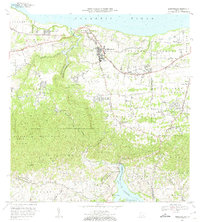 1972 Quebradillas1974 Print · USGSThe northwestern coast of Puerto Rico is revealed here in the early seventies, from the urban center of Quebradillas to the heights of Planas. Genealogists can locate family landmarks like Pueblito de Ponce and La Casa de Piedra.2 unique versions available
 - 2013 Map of Moca, 2013 Print
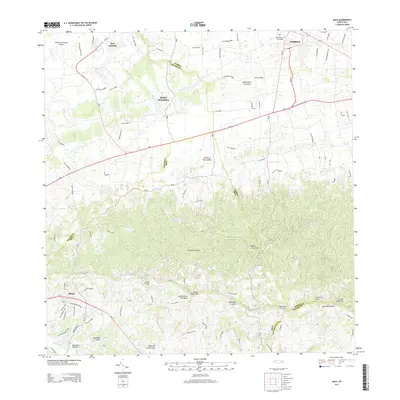 2013 Moca2013 Print · USGSNorthwestern Puerto Rico is captured here in the early twenty-first century as urban centers like Moca and Isabela expand into the hills. Researchers can trace the complex drainage of Rio Culebrinas and locate landmarks like Cementerio de Isabela or the Rafael Hernandez Airport.
 - 2013 Map of Quebradillas, 2013 Print
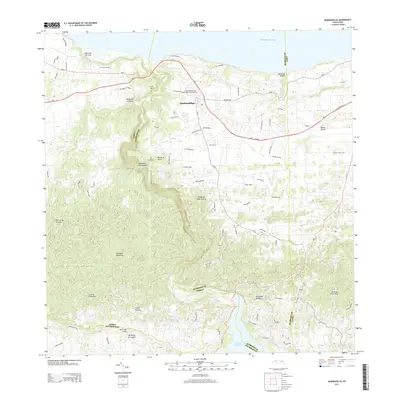 2013 Quebradillas2013 Print · USGSQuebradillas and the northwestern karst country are documented here in the early twenty-first century, from the coastal cliffs to the interior mountains. Researchers can trace local landmarks like the San Rafael de las Quebradillas Cemetery and the deep gorge of the Río Guajataca.
 - 2018 Map of Moca, 2018 Print
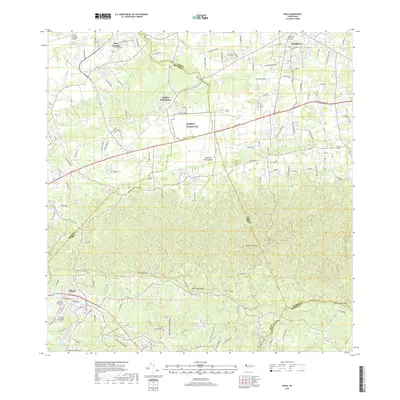 2018 Moca2018 Print · USGSNorthwestern Puerto Rico is captured here in the late 2010s, showing the transition from the coastal plains to the interior heights. Researchers can trace local heritage through the Cementerio Municipal de Isabela, the Canal Moca, and the peaks of the Cordillera Jaicoa.
 - 2018 Map of Quebradillas, 2018 Print
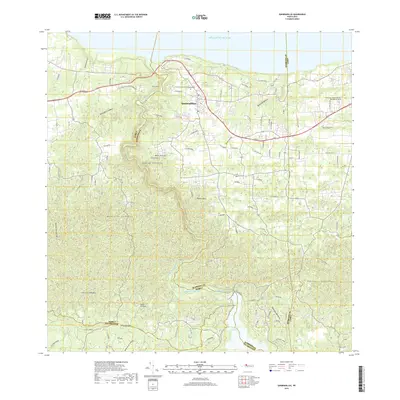 2018 Quebradillas2018 Print · USGSThe northern coastline of Puerto Rico is captured here in the late 2010s, centered on the growing community of Quebradillas. Researchers can trace the path of the Rio Guajataca toward Lago de Guajataca or locate family landmarks like Monte de la Luz and the Cementerio Municipal de Quebradillas.
 - 2024 Map of Quebradillas, 2024 Print
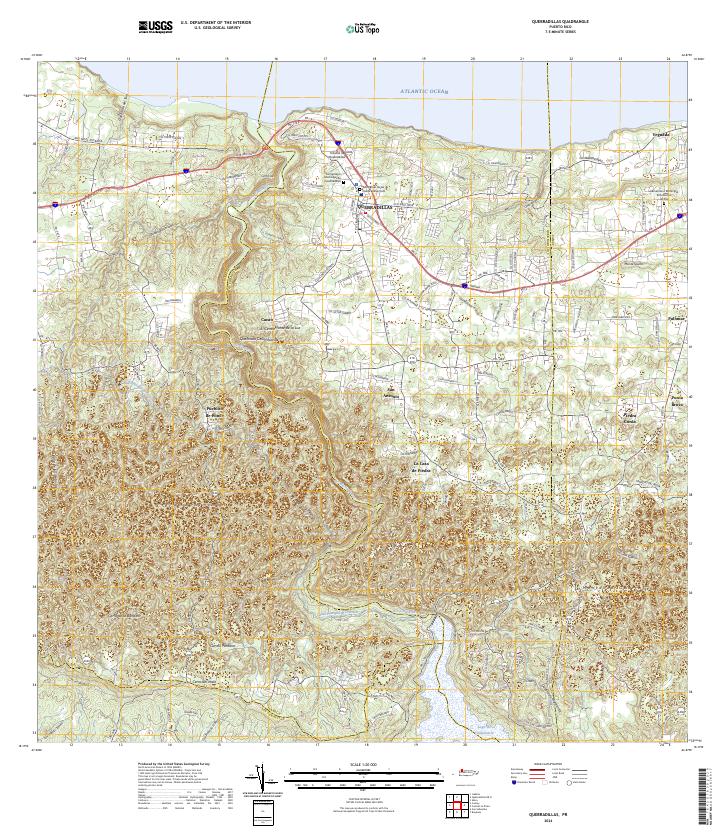 2024 Quebradillas2024 Print · USGSThe northern coast of Puerto Rico meets the limestone hills of the interior in this recent survey. Genealogists can trace family landmarks and burial sites like Hacienda la Sabana and the Cementerio Municipal de Quebradillas.
 - 2024 Map of Moca, 2024 Print
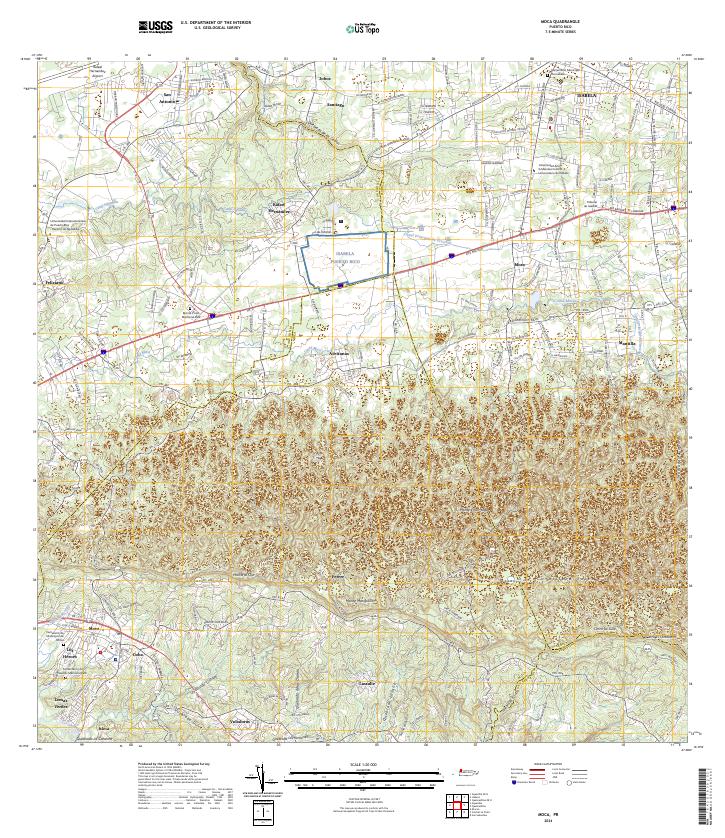 2024 Moca2024 Print · USGSNorthwestern Puerto Rico is documented here in the present day, showing the developed corridors between the coast and the mountain foothills. Genealogists and historians can locate family sites near Cementerio de Municipio de Moca, San Antonio, and Lomas Verdes.
End of results
Showing maps 1-16 of 16
Frequently asked questions
- What are the different types of historical maps available for Coto?
- What is the oldest map of Coto?
- Where can I purchase historical maps of Coto for my home or office?
- Where can I download high-res historical maps of Coto?
- Are there historical topographic maps available for Coto?
- Is there historical aerial imagery available for Coto?
- Where are historical maps of Coto sourced from?