Old Maps of Lajas for Academic Research
Study the evolution of Lajas with 34 high-resolution historic maps. Whether you're teaching, researching, or modeling changes in land use, these maps provide essential visual documentation of urban, environmental, and geographic change.
- Analyze long-term change: Track patterns in development, transportation, and natural features.
- Ideal for environmental or urban studies: Support academic projects with primary historical map data.
- Use in the classroom or lab: Educators and researchers rely on these maps to bring historical context to life.
These maps are a powerful tool for teaching, research, and visualizing how Lajas has changed over the decades.
Lajas maps
(34)- 1937 Map of San German
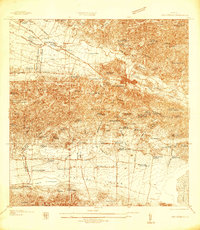 1937 San German1937 Print · USGSSan Germán and the surrounding valleys of southwestern Puerto Rico are captured here in the mid-1930s during a period of significant agricultural and educational growth. Researchers can trace ancestral connections through named estates like Hacienda Luisa, local landmarks such as the Polytechnic Institute, and the rail stops of the American Railroad of Puerto Rico.
 - 1937 Map of Sabana Grande
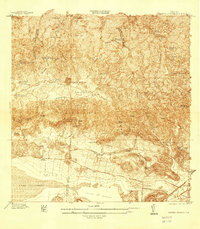 1937 Sabana Grande1937 Print · USGSThe Sabana Grande region in the mid-1930s shows a landscape of mountain ridges and fertile valley floors during a period of agricultural expansion. Genealogists and researchers can locate dozens of named rural schools and trace the American Railroad through Estacion Limon and Estacion Santa Rita.2 unique versions available
 - 1938 Map of Guanica
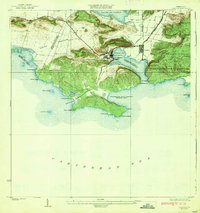 1938 Guanica1938 Print · USGSThe southern coast of Puerto Rico thrived as a sugar-producing powerhouse in the late 1930s, centered on the massive Central Guanica mill. Researchers can trace the industrial footprint of Ensenada, locate the historic Guanica LH, and find local schools like Escuela No 225.6 unique versions available
 - 1938 Map of Parguera
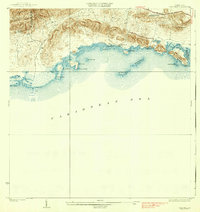 1938 Parguera1938 Print · USGSThe southwestern coast of Puerto Rico is mapped here in the late thirties, before the expansion of its coastal villages. Local historians can trace the early layout of Parguera, the footprint of the Escuela Ramon Baldorioty de Castro, and traditional sites like Salinas El Papayo.4 unique versions available
 - 1941 Map of San German
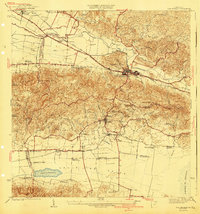 1941 San German1941 Print · USGSThe hills and valleys surrounding San Germán come alive in this early 1940s survey, showing the peak of the railroad era in southwest Puerto Rico. Researchers can trace the American Railroad of Porto Rico through a landscape of historic estates like Hacienda Beatriz Soledad and Hacienda Resolucion.5 unique versions available
 - 1941 Map of Sabana Grande
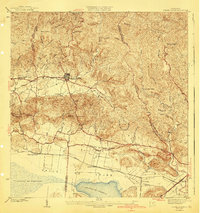 1941 Sabana Grande1941 Print · USGSSouthwest Puerto Rico in the late 1930s shows a landscape of rail-dependent agriculture and highland settlements. Researchers can trace the American Railroad of Porto Rico through stops at Estacion Limon and Fraternidad near the edge of the Laguna de Guanica.5 unique versions available
 - 1949 Map of San German SE
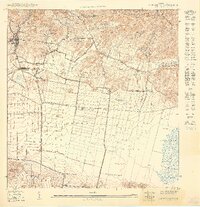 1949 San German SE1949 Print · USGSThe Lajas Valley in the late 1940s is shown as a thriving agricultural and rail corridor before modern development changed the landscape. Genealogists and historians can trace the American R.R. tracks through Estación Lajas and locate family landmarks like Hacienda Beatriz Soledad.
 - 1949 Map of San German SO
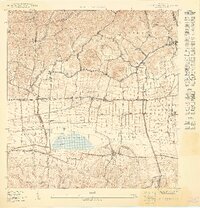 1949 San German SO1949 Print · USGSSouthwestern Puerto Rico’s agricultural heartland is captured here in the late 1940s, centered on the historic Laguna Cartagena. Researchers can trace the path of the American Railroad of Porto Rico as it served rural estates like Hacienda Desengaño.
 - 1949 Map of Parguera NO
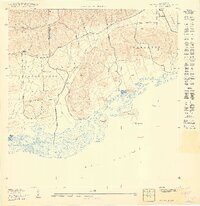 1949 Parguera NO1949 Print · USGSCoastal Lajas and Cabo Rojo appear here in the late 1940s, highlighting the traditional salt flats and rural landholdings of the southwest shore. Genealogists and historians can locate family landmarks like Rancho Cabassa or trace the geography of Salinas Pitajaya and Isla Guayacán.
 - 1949 Map of Guanica
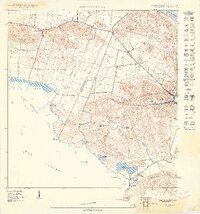 1949 Guanica1949 Print · USGSCoastal salt production and rural barrios define the southwest shore of Puerto Rico in the late 1940s. Researchers can trace ancestral connections and land use at Salinas Fortuna, Escuela Las Colinas, and the village of Ensenada.
 - 1949 Map of Parguera NE
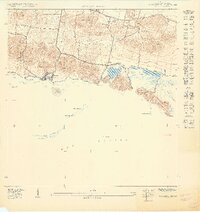 1949 Parguera NE1949 Print · USGSThe Lajas coast of southwest Puerto Rico is captured here in the late 1940s, showing the early layouts of coastal settlements and salt flats. Genealogists and historians can locate family sites near Parguera or Papayo and trace landmarks like the Escuela Ramón Baldorioty de Castro.
 - 1949 Map of Sabana Grande SO
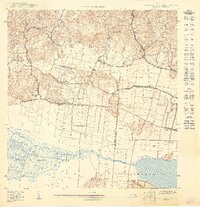 1949 Sabana Grande SO1949 Print · USGSSouthwestern Puerto Rico at mid-century reveals a landscape of industrial rail and coastal wetlands stretching from Lajas toward the Caribbean. Researchers can trace the American Railroad Company line through Estación La Plata and the shores of Laguna de Guánica.
 - 1950 Map of San German NE
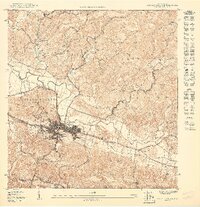 1950 San German NE1950 Print · USGSSan Germán and its surrounding highlands are captured here at mid-century, showing the town's expansion and its vital transportation links. Researchers can trace the path of the American RR and locate historical sites like the Instituto Politecnico and Lomas de Santa Marta.
 - 1950 Map of San German NO
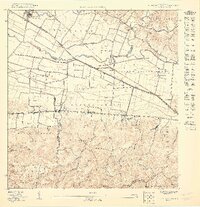 1950 San German NO1950 Print · USGSSouthwestern Puerto Rico at mid-century reveals a landscape of massive sugar haciendas and the early expansion of modern infrastructure. Genealogists and historians can trace the foundations of local barrios through sites like Central Eureka and the Escuela Segunda Unidad de Sabana Eneas.
 - 1956 Map of Guanica, 1959 Print
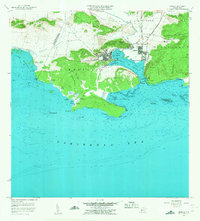 1956 Guanica1959 Print · USGSThe southwestern coast of Puerto Rico is shown here in the mid-1950s, centered on the bustling sugar industry and salt works of the era. Researchers can trace the layout of Ensenada, the maritime importance of Faro de Guánica, and salt flats like Salinas Providencia.
 - 1956 Map of Sabana Grande, 1959 Print
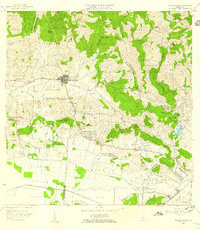 1956 Sabana Grande1959 Print · USGSSabana Grande and the surrounding mountain barrios are shown here in the mid-fifties, just as the valley irrigation systems were transforming the landscape. Trace old community roots at the Iglesia de Sagrada Corazon de Jesus or along the Antigua Via del Ferrocarril.
 - 1957 Map of San German, 1959 Print
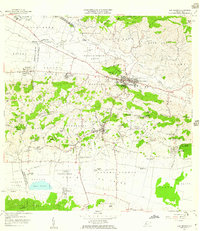 1957 San German1959 Print · USGSSan Germán and the surrounding agricultural valleys are captured in the late fifties, showing the transition from traditional rail to modern infrastructure. Researchers can trace historic sugar haciendas like Hacienda Julia or locate local landmarks like the Instituto Politécnico and Laguna Cartagena.
 - 1957 Map of Parguera, 1959 Print
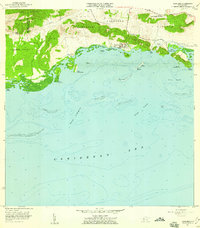 1957 Parguera1959 Print · USGSThe Lajas coastline comes alive in the late fifties, showing the interplay between salt production and sea. Trace the shoreline of Bahía Fosforescente, locate the Escuela Ramón Baldorioty de Castro, and explore reefs like Arrecife Coral.
 - 1966 Map of San German, 1969 Print
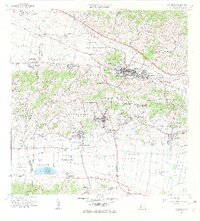 1966 San German1969 Print · USGSSan Germán and the surrounding Lajas Valley are captured here in the mid-sixties, showing a landscape defined by historic haciendas and rising urban centers. Genealogists and historians can trace family estates like Hacienda Resolución or locate local landmarks including the Cementerio de San Germán and Lajas Arriba.4 unique versions available
 - 1966 Map of Sabana Grande, 1969 Print
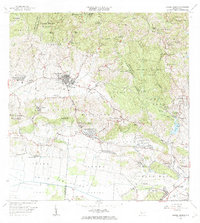 1966 Sabana Grande1969 Print · USGSSabana Grande and the surrounding southwestern highlands are captured here during a period of significant rural development in the mid-sixties. Researchers can trace the Antigua Via del Ferrocarril and locate landmarks like the Capilla del Pozo de la Virgen and Aeropuerto Santa Rita.3 unique versions available
 - 1966 Map of Parguera, 1969 Print
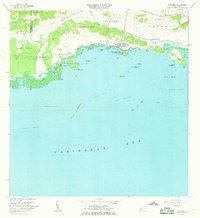 1966 Parguera1969 Print · USGSCoastal Lajas and Cabo Rojo are captured in the 1960s just as marine research and conservation were being formalized. Historians can trace the development of Parguera and locate regional landmarks like the NIH Research Facility or the Bahía Fosforescente shoreline.2 unique versions available
 - 1966 Map of Guanica, 1969 Print
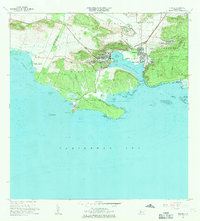 1966 Guanica1969 Print · USGSCoastal Guánica in the mid-sixties reveals a landscape balancing the industrial output of Central Guánica with the protected reaches of the Bosque Estatal de Guánica. Researchers can trace the layout of Ensenada, locate the Faro de Guánica, and find family-named landmarks like Punta Montalva.3 unique versions available
 - 2013 Map of Guanica, 2013 Print
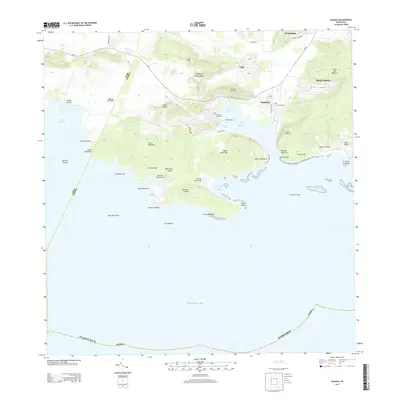 2013 Guanica2013 Print · USGSThe southwest coast of Puerto Rico is captured here in the early twenty-first century, showcasing a rugged maritime and industrial landscape. Researchers can trace the layout of Guánica, the historic Central Guánica, and coastal salt settlements like Salinas Providencia.
 - 2013 Map of Sabana Grande, 2013 Print
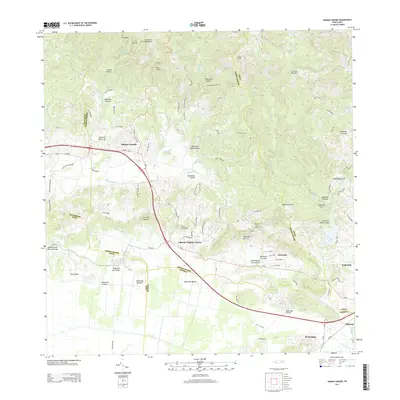 2013 Sabana Grande2013 Print · USGSCovers Lajas, including Sabana Grande, Villa Juanita, and other nearby areas
 - 2013 Map of San German, 2013 Print
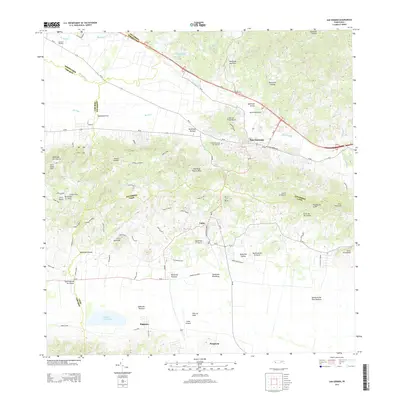 2013 San German2013 Print · USGSSouthwestern Puerto Rico is captured here in the early twenty-first century as the historic town of San Germán meets the northern reaches of the Valle de Lajas. Genealogists and local historians can locate family landmarks like the Cementerio de San Germán and the agricultural site of Central Eureka.
Showing maps 1-25 of 34
Frequently asked questions
- What are the different types of historical maps available for Lajas?
- What is the oldest map of Lajas?
- Where can I purchase historical maps of Lajas for my home or office?
- Where can I download high-res historical maps of Lajas?
- Are there historical topographic maps available for Lajas?
- Is there historical aerial imagery available for Lajas?
- Where are historical maps of Lajas sourced from?