Old Maps of Yauco for Academic Research
Study the evolution of Yauco with 41 high-resolution historic maps. Whether you're teaching, researching, or modeling changes in land use, these maps provide essential visual documentation of urban, environmental, and geographic change.
- Analyze long-term change: Track patterns in development, transportation, and natural features.
- Ideal for environmental or urban studies: Support academic projects with primary historical map data.
- Use in the classroom or lab: Educators and researchers rely on these maps to bring historical context to life.
These maps are a powerful tool for teaching, research, and visualizing how Yauco has changed over the decades.
Yauco maps
(41)- 1937 Map of Sabana Grande
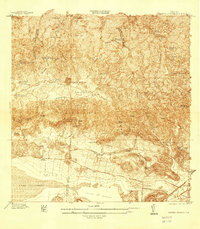 1937 Sabana Grande1937 Print · USGSThe Sabana Grande region in the mid-1930s shows a landscape of mountain ridges and fertile valley floors during a period of agricultural expansion. Genealogists and researchers can locate dozens of named rural schools and trace the American Railroad through Estacion Limon and Estacion Santa Rita.2 unique versions available
 - 1941 Map of Sabana Grande
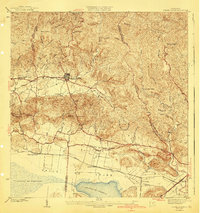 1941 Sabana Grande1941 Print · USGSSouthwest Puerto Rico in the late 1930s shows a landscape of rail-dependent agriculture and highland settlements. Researchers can trace the American Railroad of Porto Rico through stops at Estacion Limon and Fraternidad near the edge of the Laguna de Guanica.5 unique versions available
 - 1946 Map of Maricao
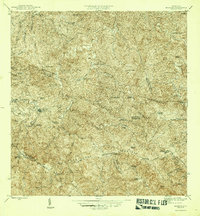 1946 Maricao1946 Print · USGSMaricao and the western ridges of the Cordillera Central are shown in detail during the 1940s, highlighting the island's traditional plantation culture. Researchers can locate numerous family estates like Hacienda San Antonio and schools such as the Segunda Unidad Escuela Vocacional Francisco Vicenty.3 unique versions available
 - 1946 Map of Yauco
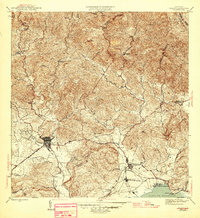 1946 Yauco1946 Print · USGSSouthern Puerto Rico in the 1940s reveals a landscape of industrial sugar mills and high-altitude coffee haciendas. Genealogists and historians can locate specific family-named estates like Hacienda Catalina or trace the rural schools such as the Escuela Segunda Unidad de Santo Domingo and the infrastructure around Central Rufina.3 unique versions available
 - 1946 Map of Monte Guilarte
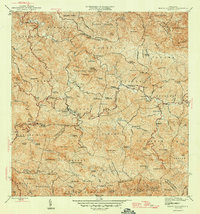 1946 Monte Guilarte1946 Print · USGSThe mountain interior of Puerto Rico near Adjuntas is captured here in the mid-1940s, showing a landscape defined by traditional plantation estates. Researchers can trace dozens of family-named sites like Hacienda Juanita and Hacienda Rosario or locate local landmarks like the Iglesia Monserrate.3 unique versions available
 - 1946 Map of Punta Verraco
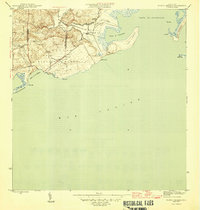 1946 Punta Verraco1946 Print · USGSThe southwestern coast of Puerto Rico is mapped in the mid-1940s, highlighting the intersection of the sugar industry and the sea. Researchers can trace the Porto Rico RR as it passes Central San Francisco and the hills of the Bosque Insular de Guánica y Guayanilla.3 unique versions available
 - 1947 Map of Yauco NE
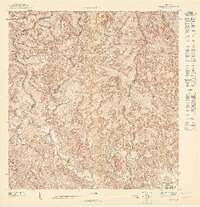 1947 Yauco NE1947 Print · USGSThe mountain interior of Guayanilla and Yauco is captured here during the late 1940s, showing a landscape defined by traditional haciendas and steep ridges. Genealogists and historians can trace family roots around Hacienda Catalina, Hacienda Mogote, and the Escuela Segunda Unidad de Santo Domingo.
 - 1947 Map of Monte Guilarte SO
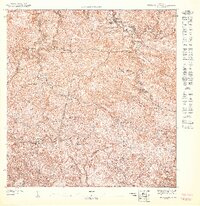 1947 Monte Guilarte SO1947 Print · USGSHigh in the Puerto Rican interior during the 1940s, this area shows the peak of the mountain-estate economy. Researchers can locate numerous historical coffee estates like Hacienda San Lorenzo or Hacienda Americo and trace family roots near Los Rábanos.
 - 1947 Map of Yauco SO
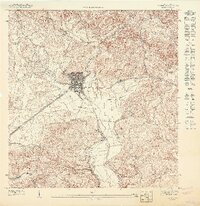 1947 Yauco SO1947 Print · USGSCoastal plains and southern foothills meet in the late 1940s as this survey of Puerto Rico shows the area's transition into a major regional hub. Genealogists and historians can trace the grid of Yauco and the path of the Linea De American Porto Rico Railroad past Barinas and Palomas.
 - 1947 Map of Yauco NO
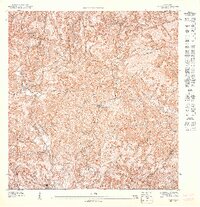 1947 Yauco NO1947 Print · USGSThe mountain interior of Yauco and Maricao is captured here in the late 1940s, showing a landscape of high peaks and river valleys. Researchers can trace rural life through landmarks like Hacienda Pintado, Escuela Lluveras, and the prominent Pico Rodadero.
 - 1947 Map of Monte Guilarte SE
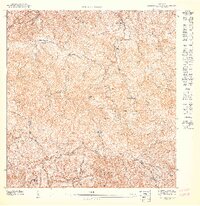 1947 Monte Guilarte SE1947 Print · USGSCentral Puerto Rico’s coffee-growing highlands come into focus in the late 1940s, showing the intersection of several mountain municipios. Genealogists and historians can trace family estates like Hacienda Esperanza and Hacienda Pietri near Monte Guilarte.
 - 1947 Map of Maricao SE
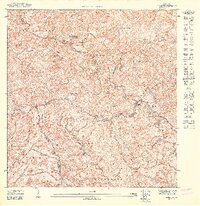 1947 Maricao SE1947 Print · USGSThe mountain coffee country of Maricao is shown in high detail shortly after World War II, revealing a landscape of large estates and rural chapels. Genealogists and historians can trace the grounds of Hacienda Candelaria, Iglesia Delfina, and the small settlement of Robles.
 - 1949 Map of Sabana Grande NE
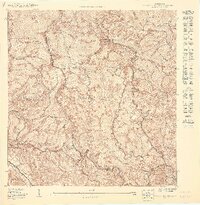 1949 Sabana Grande NE1949 Print · USGSThe mountain interior of southwest Puerto Rico is detailed here during the late 1940s, highlighting the rural barrios and forest lands. Genealogists and local historians can trace family locations near the Iglesia San Miguel Arcángel or the forest camp at Campamento Susúa.
 - 1949 Map of Sabana Grande SE
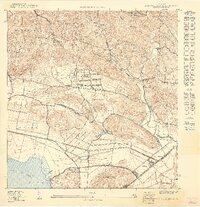 1949 Sabana Grande SE1949 Print · USGSThe Guánica and Sabana Grande borderlands are captured in the late 1940s, showing the sugar-driven economy of the southern coast. Researchers can trace the American RR of Porto Rico to Estación Santa Rita and locate rural schools like Escuela Arenas.
 - 1952 Map of Monte Guilarte, 1953 Print
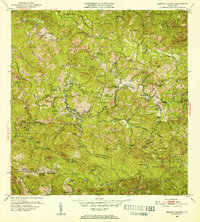 1952 Monte Guilarte1953 Print · USGSThe Cordillera Central mountains of Puerto Rico are mapped here in the early fifties during a period of robust rural agricultural life. Genealogists and historians can trace dozens of family estates, including Hacienda Indiera, Hacienda Balerosa, and the Hospital General de Castaner.2 unique versions available
 - 1952 Map of Yauco, 1953 Print
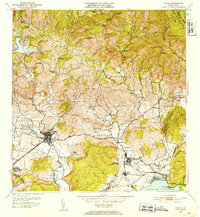 1952 Yauco1953 Print · USGSCoastal and mountain life in southern Puerto Rico are captured here just after the mid-century, from the sugar mills to the high haciendas. Genealogists and historians can trace family roots through named estates like Hacienda Mogote and the residential streets of Yauco.2 unique versions available
 - 1952 Map of Punta Verraco, 1953 Print
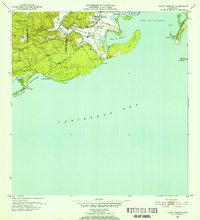 1952 Punta Verraco1953 Print · USGSGuayanilla and Yauco meet the Caribbean Sea in the early fifties, showing a coast defined by sugar production and conservation lands. Genealogists and historians can locate early communities like Parcelas Barrio Indio and trace the influence of Central San Francisco.2 unique versions available
 - 1952 Map of Maricao, 1953 Print
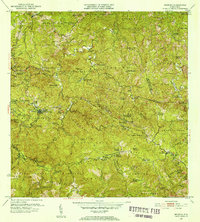 1952 Maricao1953 Print · USGSWestern Puerto Rico’s coffee country is mapped in the early fifties, showing a landscape defined by traditional haciendas and emerging mid-century infrastructure. Genealogists and historians can trace family-named estates like Hacienda Lealtad and Hacienda Santa Rita alongside landmarks like the Criadero Insular de Peces.2 unique versions available
 - 1956 Map of Sabana Grande, 1959 Print
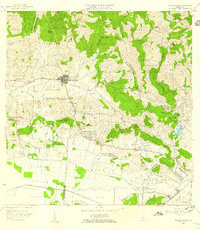 1956 Sabana Grande1959 Print · USGSSabana Grande and the surrounding mountain barrios are shown here in the mid-fifties, just as the valley irrigation systems were transforming the landscape. Trace old community roots at the Iglesia de Sagrada Corazon de Jesus or along the Antigua Via del Ferrocarril.
 - 1958 Map of Punta Verraco, 1960 Print
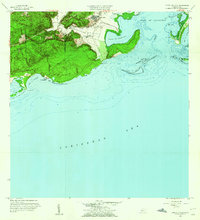 1958 Punta Verraco1960 Print · USGSCoastal Guayanilla and its sugar industry are captured in the late 1950s, showing the intersection of maritime trade and rural life. Researchers can locate Central San Francisco, the Escuela Arturo Lluberas, and reefs like Arrecife Guayanilla.2 unique versions available
 - 1958 Map of Yauco, 1961 Print
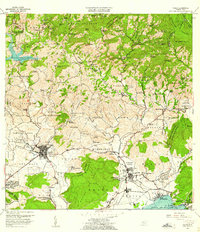 1958 Yauco1961 Print · USGSThe southwestern coast of Puerto Rico during the late fifties shows a landscape of historic coffee and sugar estates transitioning into an industrial era. Genealogists and historians can trace family landholdings from Hacienda Pintado to Hacienda Florida, or locate local landmarks like Central Rufina and the Cementerio Municipal.2 unique versions available
 - 1960 Map of Maricao, 1961 Print
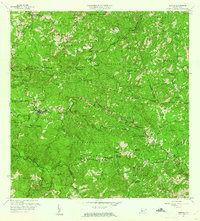 1960 Maricao1961 Print · USGSThe mountains of western Puerto Rico are captured here in the early sixties, showing the agricultural heritage of Maricao. Genealogists can trace family lands across Hacienda Lealtad, Hacienda Santa Rita, and Pueblo Nuevo.3 unique versions available
 - 1960 Map of Monte Guilarte, 1962 Print
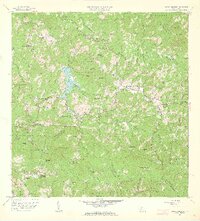 1960 Monte Guilarte1962 Print · USGSThe central highlands of Adjuntas and Lares are shown here in the early 1960s, a landscape defined by traditional mountain agriculture. Genealogists and historians can trace scores of family estates and rural institutions, from Hacienda Monserrate and Hacienda Buena Vista to the Escuela Mariana Bracetti.4 unique versions available
 - 1966 Map of Yauco, 1968 Print
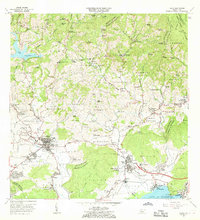 1966 Yauco1968 Print · USGSThe hills surrounding Yauco are documented here during a period of transition between traditional mountain estates and coastal industry. Researchers can trace family roots through numerous named estates like Hacienda Gloria and Hacienda Catalina or locate rural landmarks like Iglesia El Paraiso.4 unique versions available
 - 1966 Map of Punta Verraco, 1969 Print
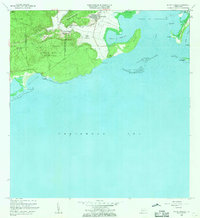 1966 Punta Verraco1969 Print · USGSCoastal Guayanilla in the mid-sixties reveals a landscape balancing the protected Bosque Estatal de Guanica with emerging petroleum industrial sites. Researchers can trace local life through the Central San Francisco sugar mill area, Barrio Indios, and the Escuela Arturo Lluberas.3 unique versions available
Showing maps 1-25 of 41
Frequently asked questions
- What are the different types of historical maps available for Yauco?
- What is the oldest map of Yauco?
- Where can I purchase historical maps of Yauco for my home or office?
- Where can I download high-res historical maps of Yauco?
- Are there historical topographic maps available for Yauco?
- Is there historical aerial imagery available for Yauco?
- Where are historical maps of Yauco sourced from?