Old Maps of Pendergrass, Alabama for Genealogy
Trace your family roots with 19 historic maps of Pendergrass. These high-res maps reveal old neighborhoods, homesites, landmarks, and streets — helping you uncover where your ancestors lived and how the area evolved over time.
- Explore historic neighborhoods: Identify where your relatives may have lived in the 1800s or 1900s.
- Compare maps over time: Trace the changes in streets, buildings, and landmarks for multi-generational research.
- Perfect for genealogy & ancestry research: Used by family historians and researchers to map out lineage and migration.
These maps are an incredible resource for exploring your personal connection to Pendergrass's past.
Pendergrass, AL maps
(19)- 1885 Map of Gadsden
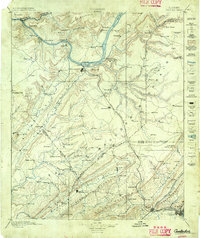 1885 Gadsden1885 Print · USGSNortheast Alabama in the mid-1880s was a landscape of river-side landings and emerging rail towns. Genealogists and historians can trace the early foundations of Guntersville and Gadsden while locating rural landmarks like Hillian Store, Cottonville, and Law Landing.
 - 1888 Map of Gadsden
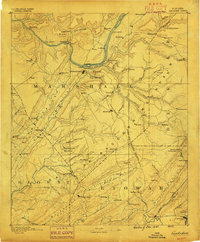 1888 Gadsden1888 Print · USGSNorth Alabama's river valleys and plateau lands are captured here in the late nineteenth century as the region transitioned from river landings to rail transport. Researchers can locate early post offices and commerce centers like Hillian's Store, Guntersville, and the ferry at Ft Deposit.
 - 1892 Map of Gadsden
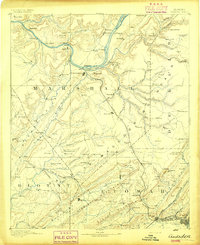 1892 Gadsden1892 Print · USGSNorth Alabama's river-and-rail economy is captured here in the late nineteenth century as Guntersville and Gadsden emerge as regional hubs. Genealogists and historians can trace the routes of the Birmingham Mineral R. R. or locate old community centers like Cottonville and Mt Zion.
 - 1895 Map of Gadsden
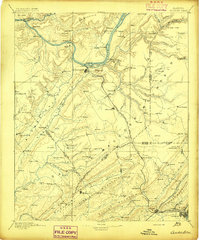 1895 Gadsden1895 Print · USGSNortheast Alabama at the close of the century was a landscape of river landings and mountain gaps where the Tennessee River met growing rail hubs. Genealogists can trace family holdings near Hillian Store, Cottonville, and the remote heights of Lookout Mountain.
 - 1903 Map of Gadsden
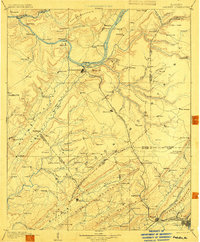 1903 Gadsden1903 Print · USGSNorthern Alabama in the late nineteenth century centers on the busy Tennessee River corridor and its surrounding ridges. Trace old family sites and transport hubs like Hillian Store, Lovelace Landing, and the Mt Zion church.4 unique versions available
 - 1936 Map of Painter
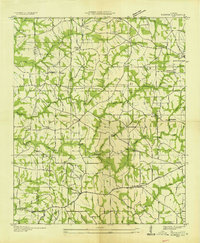 1936 Painter1936 Print · USGSDeKalb and Marshall counties are shown here during the mid-1930s, documenting a landscape of plateau farms and essential creek crossings. Genealogists can trace family roots through landmarks like Blessing Sch, Dalrymple Cem, and rural centers like Whiton and Lathamville.
 - 1947 Map of Painter, 1973 Print
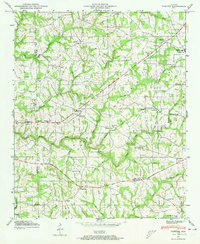 1947 Painter1973 Print · USGSDeKalb and Marshall counties are captured here in the late 1940s, showing the settled ridges of Sand Mountain. Genealogists can trace early homesteads near Painter and Geraldine, or locate sites like Gilbreath Chapel and Colvin Bridge.2 unique versions available
 - 1949 Map of Painter
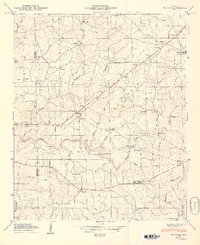 1949 Painter1949 Print · USGSDe Kalb County settlements are spread across the plateau of Sand Mountain in the years following World War II. Researchers can trace rural lineages through numerous family sites and country parishes like Dalrymple Cem, Lathamville, and Concord Ch.2 unique versions available
 - 1956 Map of Gadsden, 1966 Print
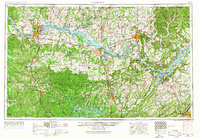 1956 Gadsden1966 Print · USGSNorth Alabama in the mid-1950s shows a region transformed by river engineering and federal industry. Genealogists and local historians can trace the development of the Tennessee Valley through the growth of Huntsville, the sprawling Redstone Arsenal, and the expansive Guntersville Lake.3 unique versions available
 - 1958 Map of Gadsden
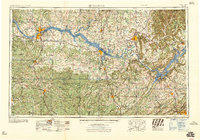 1958 Gadsden1958 Print · USGSNorth Alabama comes alive in the late 1950s as the Tennessee Valley Authority’s massive river projects and the rise of the space industry reshaped the landscape. Researchers can trace the mid-century footprints of Huntsville, Redstone Arsenal, and the riverside rail networks of the Southern railroad.
 - 1960 Map of Gadsden
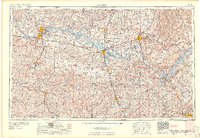 1960 Gadsden1960 Print · USGSNorthern Alabama in the mid-1950s is defined by the mighty Tennessee River and its massive reservoirs. Trace the development of Huntsville and Redstone Arsenal or explore the vast William B Bankhead National Forest.2 unique versions available
 - 1963 Map of Gadsden
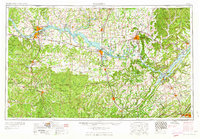 1963 Gadsden1963 Print · USGSNorthern Alabama underwent a dramatic mid-century transformation as the Tennessee Valley became a hub for defense and industry. Researchers can trace the development of the Redstone Arsenal, the route of the Natchez Trace Parkway, and long-standing rail lines like the Southern Railway.
 - 1984 Map of Guntersville, 1985 Print
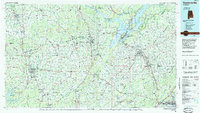 1984 Guntersville1985 Print · USGSNorthern Alabama at the start of the eighties shows a landscape shaped by massive TVA impoundments and a robust rail network. Genealogists and historians can trace family land across Brindley Mountain or near old rail stops on the Louisville and Nashville RR and Southern Ry.2 unique versions available
 - 2011 Map of Painter, 2011 Print
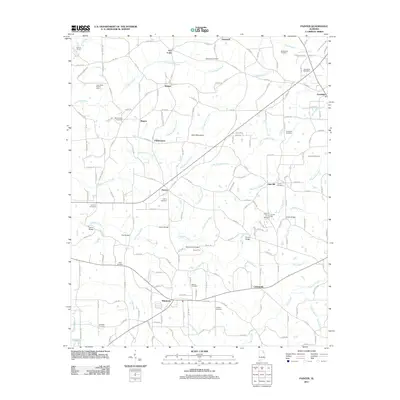 2011 Painter2011 Print · USGSDeKalb County’s agricultural plateau on Sand Mountain is shown here in the early twenty-first century as a network of closely knit rural communities. Researchers can locate numerous family-history sites like Dalrymple Cemetery or trace old river crossings such as Green Ford and Colvin Bridge.
 - 2014 Map of Painter, 2014 Print
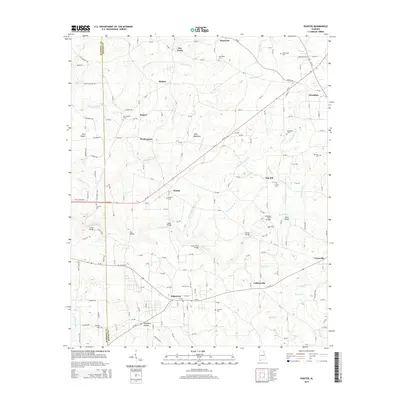 2014 Painter2014 Print · USGSDeKalb and Marshall counties are shown in detail during the early twenty-first century, featuring the rural communities on Sand Mountain. Genealogists and local historians can trace family locations through numerous sites like McKendree Cem, Painter, and Kilpatrick.
 - 2018 Map of Painter, 2018 Print
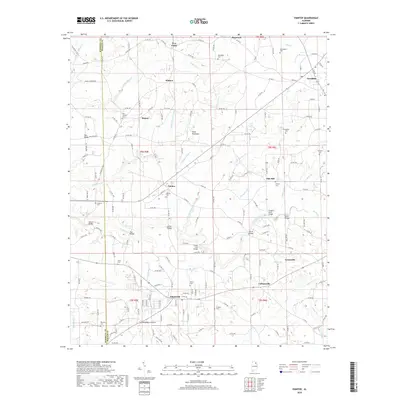 2018 Painter2018 Print · USGSDeKalb and Marshall counties are shown here in the late twenty-tens, a plateau landscape of agricultural communities atop Sand Mountain. Genealogists and local historians can locate numerous small burial sites like McKendree Cem and trace rural crossings at Colvin Bridge or Kirby Bridge.
 - 2020 Map of Painter, 2020 Print
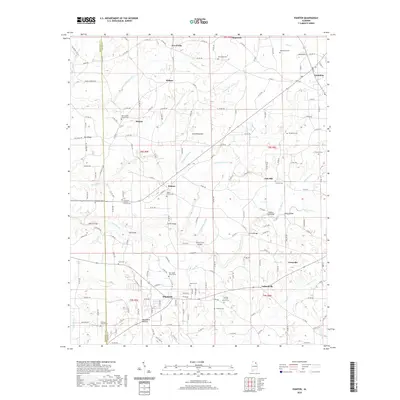 2020 Painter2020 Print · USGSDeKalb County’s high plateau is shown in 2020, revealing a landscape defined by Sand Mountain’s rural settlements and creek-carved terrain. Genealogists can locate family sites at New Home Church Cem, Neighbors Hollow, and historic crossings like Kirby Bridge.
 - 2024 Map of Painter, 2024 Print
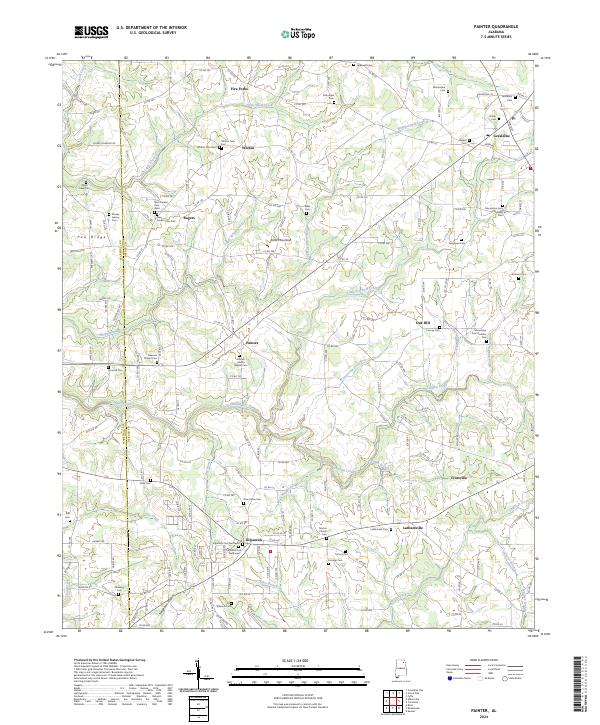 2024 Painter2024 Print · USGSNorthern Alabama plateau life is captured here in the mid-2020s, showing a landscape defined by family cemeteries and creek-side settlements. Trace local lineages at Painter Liberty Baptist Cem, Whiton, and the historic crossroads of Geraldine.
 - 2026 Map of Painter, 2026 Print
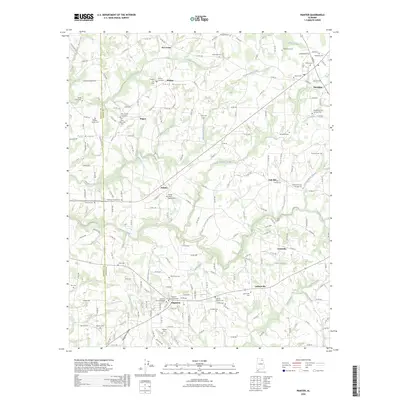 2026 Painter2026 Print · USGSCovers Pendergrass, including Crossville, Geraldine, and other nearby areas
End of results
Showing maps 1-19 of 19
Top cities near Pendergrass
- Albertville historical maps
- Boaz historical maps
- Guntersville historical maps
- Rainsville historical maps
- Whitesboro historical maps
- Collinsville historical maps
See more
Frequently asked questions
- What are the different types of historical maps available for Pendergrass?
- What is the oldest map of Pendergrass?
- Where can I purchase historical maps of Pendergrass for my home or office?
- Where can I download high-res historical maps of Pendergrass?
- Are there historical topographic maps available for Pendergrass?
- Is there historical aerial imagery available for Pendergrass?
- Where are historical maps of Pendergrass sourced from?