Old Maps of Waterloo, Alabama for Academic Research
Study the evolution of Waterloo with 14 high-resolution historic maps. Whether you're teaching, researching, or modeling changes in land use, these maps provide essential visual documentation of urban, environmental, and geographic change.
- Analyze long-term change: Track patterns in development, transportation, and natural features.
- Ideal for environmental or urban studies: Support academic projects with primary historical map data.
- Use in the classroom or lab: Educators and researchers rely on these maps to bring historical context to life.
These maps are a powerful tool for teaching, research, and visualizing how Waterloo has changed over the decades.
Waterloo, AL maps
(14)- 1911 Map of Iuka
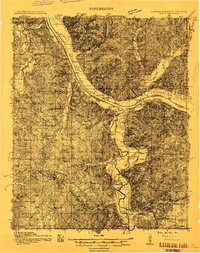 1911 Iuka1911 Print · USGSThe tri-state border region of Mississippi, Alabama, and Tennessee is captured here at the peak of the river-landing era. Genealogists can trace family connections through numerous river access points like Shellbank Landing and rural landmarks such as Salem Church and Jackson Ridge School.2 unique versions available
 - 1914 Map of Iuka
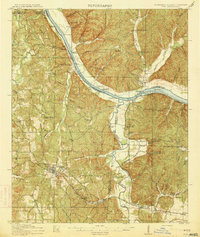 1914 Iuka1914 Print · USGSThe Tennessee River valley at the Mississippi and Alabama border was a busy network of landings and rail junctions in the early twentieth century. Researchers can trace riverfront life at Eastport Landing or locate rural family landmarks like Salem Church and Guthrie School.4 unique versions available
 - 1936 Map of Waterloo
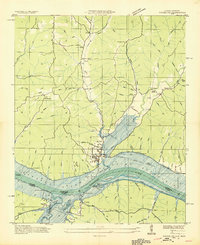 1936 Waterloo1936 Print · USGSThe Tennessee River border between Alabama and Mississippi is captured here during the mid-1930s transition to a dammed waterway. Genealogists and historians can locate community landmarks like Fords Mill Ch, the Riverton Ferry, and Watkins Cem.
 - 1953 Map of Waterloo, 1958 Print
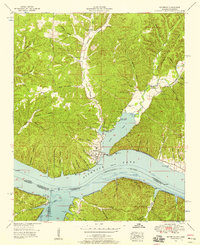 1953 Waterloo1958 Print · USGSThe Alabama and Mississippi borderlands meet at the Tennessee River in the mid-fifties, just as the regional economy shifted toward the new reservoir. Researchers can locate family landmarks like Richardson Cem, Barrett Mill, and the small riverfront town of Waterloo.3 unique versions available
 - 1956 Map of Tupelo, 1967 Print
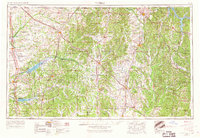 1956 Tupelo1967 Print · USGSNortheast Mississippi and parts of Tennessee and Alabama are shown here during the mid-fifties, a time of major reservoir construction and forestry management. Researchers can trace the St Louis-San Francisco RR through Tupelo or locate historic sites like Tishomingo State Park and the University.2 unique versions available
 - 1958 Map of Tupelo
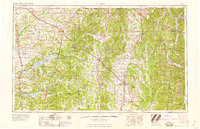 1958 Tupelo1958 Print · USGSNortheast Mississippi and neighboring Alabama and Tennessee appear here during the late fifties as a region defined by new reservoirs and historic rail lines. Genealogists can trace family locations near Sardis Lake, Woodall Mountain, and the St Louis-San Francisco Ry.
 - 1984 Map of Corinth
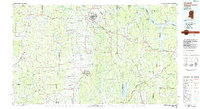 1984 Corinth1984 Print · USGSNortheast Mississippi and its borders with Alabama and Tennessee are captured here in the mid-1980s, showcasing a landscape of rail-connected towns and ridge-top settlements. Researchers can trace the path of the Natchez Trace Parkway or locate family-named landmarks near Biggersville, Kossuth, and the historic Tennessee Divide.
 - 1984 Map of Tupelo
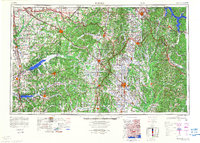 1984 Tupelo1984 Print · USGSNorth Mississippi in the 1980s is defined by its massive river basin reservoirs and the growing regional hubs of Tupelo and Oxford. Researchers can trace the legacy of the Pontotoc Ridge, find the University of Mississippi, and map early Interstate corridors near Sardis Lake.3 unique versions available
 - 1994 Map of Corinth
 1994 Corinth1994 Print · USGSNortheast Mississippi and the Tennessee borderlands are captured in the mid-1990s as the region's modern industrial and recreational landscape took shape. Genealogists and historians can trace rail-to-river connections through Corinth, the old courthouse at Jacinto, and the route of the Natchez Trace Parkway.
 - 2011 Map of Waterloo, 2011 Print
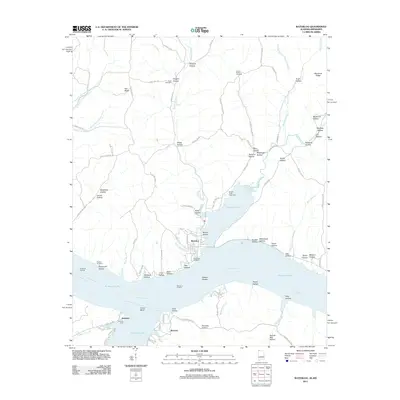 2011 Waterloo2011 Print · USGSWaterloo and Riverton are depicted along the winding shores of the Tennessee River just after the first decade of the new millennium. Researchers can trace local lineage through Richardson Cemetery and Scott Cemetery, or explore river-based landmarks like Eastport Dock and Waterloo Landing.
 - 2014 Map of Waterloo, 2014 Print
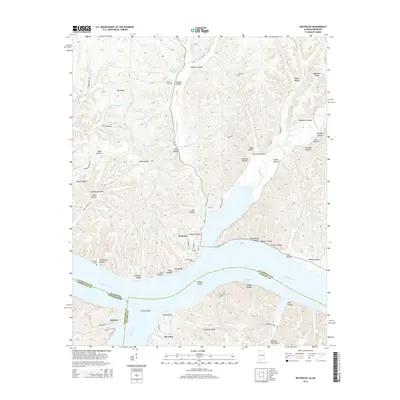 2014 Waterloo2014 Print · USGSThe confluence of the Tennessee River and Bear Creek defines this 2014 survey where Alabama and Mississippi meet. Researchers can trace family history through sites like Richardson Cem and explore the historic river settlements of Waterloo and Eastport.
 - 2018 Map of Waterloo, 2018 Print
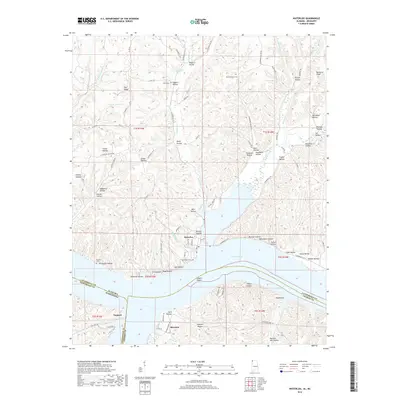 2018 Waterloo2018 Print · USGSWaterloo and the surrounding Tennessee River borderlands are shown here in the late twenty-teens, documenting a landscape shaped by deep hollows and reservoir waters. Researchers can trace historic family burial sites like Mount Hebron Cem and explore the geography of Riverton and Pea Ridge.
 - 2020 Map of Waterloo, 2020 Print
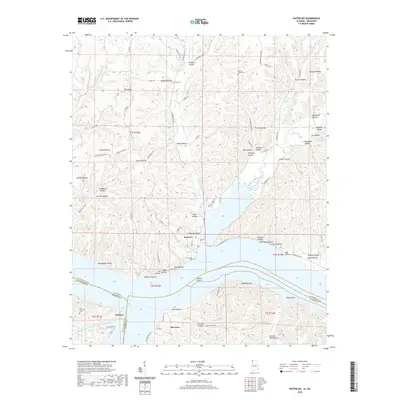 2020 Waterloo2020 Print · USGSThe Alabama and Mississippi borderlands meet along the Tennessee River in this modern survey of the Waterloo area. Local researchers can locate family landmarks such as Scott Cem, trace the terrain of Manbone Ridge, and explore the shoreline from Eastport to Riverton.
 - 2024 Map of Waterloo, 2024 Print
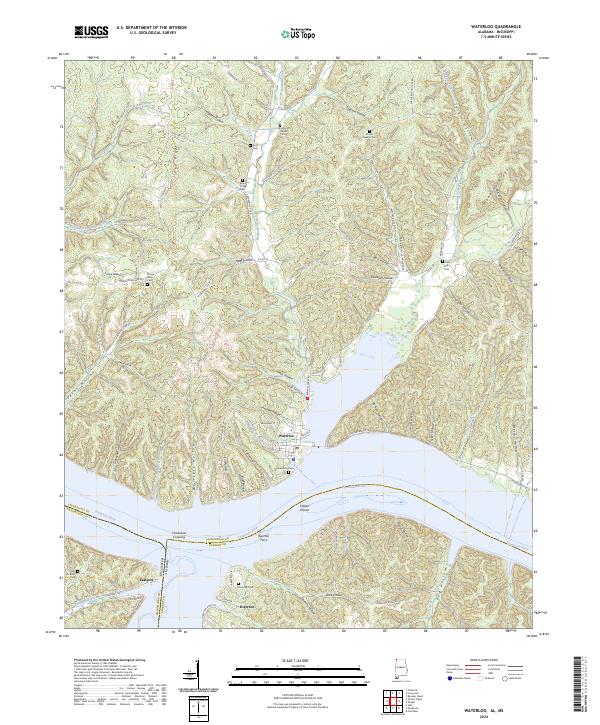 2024 Waterloo2024 Print · USGSThe Tennessee River borderlands near Waterloo are captured here in the early twenty-first century. Genealogists and historians can trace local family legacies through Riverton Ferry, Chickasaw Crossing, and numerous sites like Old Eastport Cem and Richardson Cem.
End of results
Showing maps 1-14 of 14
Top cities near Waterloo
Frequently asked questions
- What are the different types of historical maps available for Waterloo?
- What is the oldest map of Waterloo?
- Where can I purchase historical maps of Waterloo for my home or office?
- Where can I download high-res historical maps of Waterloo?
- Are there historical topographic maps available for Waterloo?
- Is there historical aerial imagery available for Waterloo?
- Where are historical maps of Waterloo sourced from?