Old Maps of Green Spot, Arizona for Hiking & Exploration
Hike through history with 13 historic maps of Green Spot. Explore old trails, ghost towns, and forgotten backroads — perfect for outdoor adventurers and local explorers.
- Rediscover forgotten places: Map out old mining camps, roads, and footpaths that no longer exist on modern maps.
- Layer with modern tools: Combine with LiDAR or satellite views to plan hikes through historical terrain.
- Made for exploration: Popular among hikers, overlanders, and local history lovers.
Use these maps to find adventure and explore the hidden past of Green Spot.
Green Spot, AZ maps
(13)- 1886 Map of St Johns
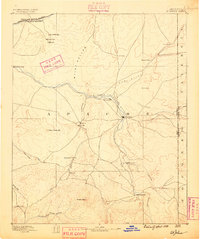 1886 St Johns1886 Print · USGSApache County in the 1880s was a landscape of emerging pioneer outposts and high-plateau cattle ranching. Researchers can trace the early footprints of settlements like St Johns and Erastus or locate the original path of the Atlantic and Pacific Railroad.
 - 1892 Map of St Johns
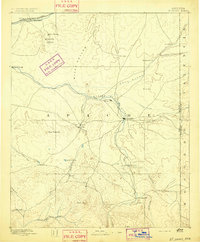 1892 St Johns1892 Print · USGSArizona's eastern frontier is documented here in the late nineteenth century as cattle ranching and early settlements followed the path of the river. Genealogists and historians can trace the foundations of St Johns and Springerville or locate long-standing sites like Erastus and Windmill Ranch.5 unique versions available
 - 1954 Map of Saint Johns, 1968 Print
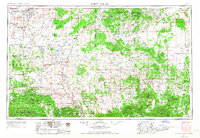 1954 Saint Johns1968 Print · USGSThe high plateau of the Arizona-New Mexico border is captured here in the mid-1950s, showing the intersection of tribal lands and national forests. Researchers can trace the cattle country and mountain outposts from Saint Johns to Pie Town and McNary.3 unique versions available
 - 1957 Map of Saint Johns
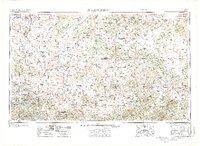 1957 Saint Johns1957 Print · USGSThe Arizona-New Mexico borderlands are captured here in the mid-fifties, showing the high-country settlements and federal lands before modern development. Genealogists and historians can trace old homesteads and landmarks like the Red Hill Post Office, Lyman Reservoir, and the mountain communities of Eagar and Springerville.
 - 1958 Map of Saint Johns
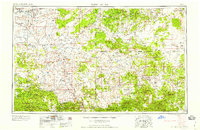 1958 Saint Johns1958 Print · USGSEastern Arizona and western New Mexico appear here in the late fifties, showcasing the high plateau and forest landscapes along the Continental Divide. Researchers can trace early ranching routes and water systems like Lyman Reservoir or locate remote settlements such as Fence Lake and Atarque.2 unique versions available
 - 1962 Map of Saint Johns
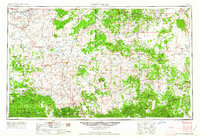 1962 Saint Johns1962 Print · USGSEastern Arizona and the New Mexico borderlands come alive in the early sixties, showing a landscape of high-plateau ranching and early national monuments. Trace the path of the Atchison Topeka and Santa Fe or locate old water sources like Salado Springs and Lyman Reservoir.
 - 1968 Map of Springerville NW, 1972 Print
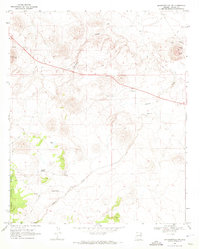 1968 Springerville NW1972 Print · USGSThe volcanic high country of Apache County is captured here in the late sixties, showcasing a landscape shaped by both geology and ranching. Researchers can locate remote water sources like Schuster Spring and industrial markers such as the Cinder Pits.2 unique versions available
 - 1981 Map of Springerville, 1982 Print
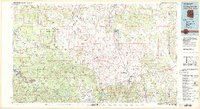 1981 Springerville1982 Print · USGSThe high-country settlements of eastern Arizona come into focus during the early eighties, from the timber towns of Lakeside and Pinetop to the ranching center of Springerville. Trace family roots in McNary and Eagar or locate historic landmarks like the Williams Creek National Fish Hatchery.2 unique versions available
 - 1997 Map of Springerville NW, 2000 Print
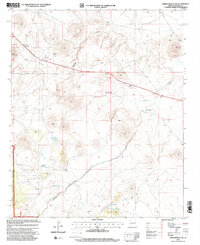 1997 Springerville NW2000 Print · USGSApache County's volcanic highlands and national forest lands are documented here during the late twentieth century. Researchers can locate specific water sources and early industry sites like Schuster Spring, Cheney Lake, and several active Cinder Pits.
 - 2011 Map of Springerville NW, 2011 Print
 2011 Springerville NW2011 Print · USGSCovers Green Spot, including Apache County, United States, and other nearby areas
 - 2014 Map of Springerville NW, 2014 Print
 2014 Springerville NW2014 Print · USGSCovers Green Spot, including Apache County, United States, and other nearby areas
 - 2018 Map of Springerville NW, 2018 Print
 2018 Springerville NW2018 Print · USGSCovers Green Spot, including Apache County, United States, and other nearby areas
 - 2021 Map of Springerville NW, 2021 Print
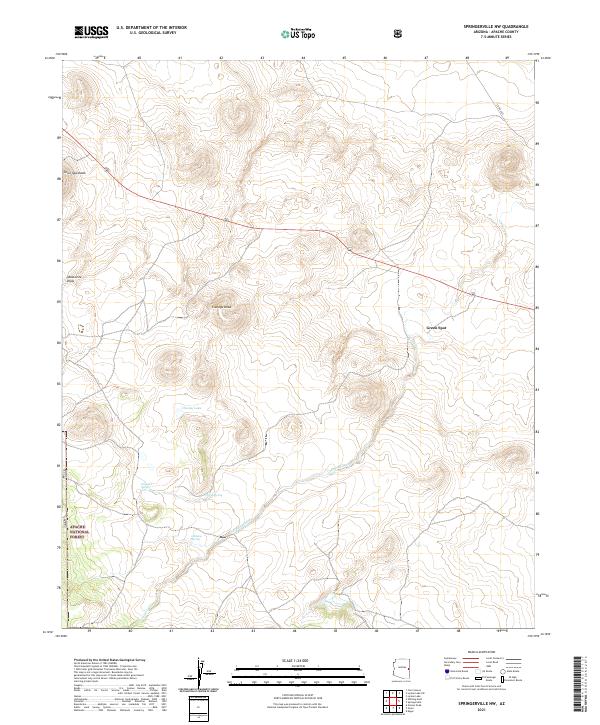 2021 Springerville NW2021 Print · USGSNortheastern Arizona's volcanic high country is captured here in the early twenty-first century, showing the rugged land within the Apache National Forest. Researchers can locate historic water sources and landmarks including Schuster Spring, Cheney Lake, and the volcanic peak of Cerro Quemado.
End of results
Showing maps 1-13 of 13
Top cities near Green Spot
Frequently asked questions
- What are the different types of historical maps available for Green Spot?
- What is the oldest map of Green Spot?
- Where can I purchase historical maps of Green Spot for my home or office?
- Where can I download high-res historical maps of Green Spot?
- Are there historical topographic maps available for Green Spot?
- Is there historical aerial imagery available for Green Spot?
- Where are historical maps of Green Spot sourced from?