Old Maps of La Cienega, Arizona
Explore 16 old maps of La Cienega, spanning from 1887 to today. These high-resolution historic maps reveal how streets, neighborhoods, landmarks, and natural features evolved over time — perfect for genealogy, metal detecting, research, and local history exploration.
What you can do with these maps:
- See how La Cienega changed over time: Compare historical maps to modern-day views to trace roads, homesites, rail lines & more.
- View detailed metadata: Each map includes creators, publishers, year, scale, and archive source.
- Overlay maps with satellite & LiDAR: Visualize the past alongside modern tools to explore terrain & human change.
- Trusted historical sources: Maps sourced from the USGS, Library of Congress, and other archives.
- Access maps your way: View online, download high-res files, or order prints for personal or research use.
Start exploring old maps of La Cienega to uncover forgotten places, hidden landmarks, and the deep history beneath your feet.
La Cienega, AZ maps
(16)- 1887 Map of Verde
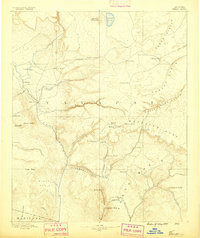 1887 Verde1887 Print · USGSCentral Arizona at the height of the territorial era is defined by the military presence at Fort Verde and the ranching settlements below the Mogollon Mesa. Genealogists and researchers can trace the early foundations of Payson, Pine, and Strawberry or locate landmarks like Montezuma Well and Natural Bridge.
 - 1892 Map of Verde
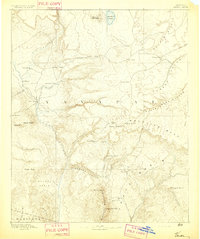 1892 Verde1892 Print · USGSArizona's territorial frontier is captured in the late nineteenth century as the first ranching and military outposts emerged. Trace the earliest layouts of Payson, Fort Verde, and Strawberry alongside landmarks like Montezuma Well and Natural Bridge.5 unique versions available
 - 1934 Map of Promontory Butte, 1955 Print
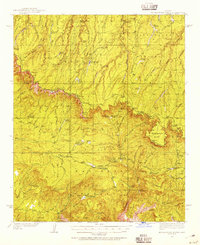 1934 Promontory Butte1955 Print · USGSThe Mogollon Rim country of Gila and Coconino Counties is captured in the mid-thirties, showcasing a network of remote homesteads and forest service outposts. Trace family history and early mountain life at sites like the Zane Grey Lodge, Haught Sawmill, and the Fred Haught Cabin.
 - 1939 Map of Promontory Butte
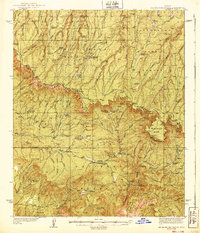 1939 Promontory Butte1939 Print · USGSArizona's rim country comes alive in the late 1930s, showing the early ranches and forest outposts that predated modern recreation. Trace the locations of historic homesteads like Zane Grey Lodge, the Haught Sawmill, and the Buck Springs Guard Station.3 unique versions available
 - 1952 Map of Promontory Butte, 1956 Print
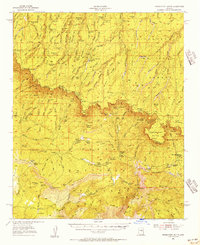 1952 Promontory Butte1956 Print · USGSThe Mogollon Rim country comes to life in the 1950s at the junction of three national forests. Researchers can locate remote cattle operations like Pyle Ranch and Haught Ranch, or trace the path of the Highline Trail below Promontory Butte.4 unique versions available
 - 1954 Map of Holbrook, 1966 Print
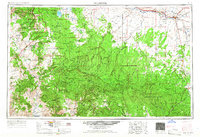 1954 Holbrook1966 Print · USGSNorth-central Arizona is seen here during the mid-fifties, from the high plateau of the Mogollon Rim to the Verde Valley. Researchers can trace the early growth of Holbrook, locate remote camps like Happy Jack, and explore the roads around Montezuma Castle National Monument.3 unique versions available
 - 1957 Map of Holbrook
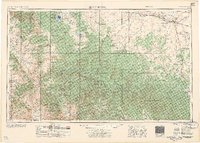 1957 Holbrook1957 Print · USGSNorthern Arizona in the mid-fifties is defined by the high-plateau timberlands and the bustling rail corridor of the Little Colorado River valley. Genealogists and historians can trace the route of U.S. 66 through Holbrook or locate more remote outposts like Zeniff and Aripine.
 - 1958 Map of Holbrook
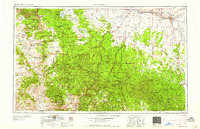 1958 Holbrook1958 Print · USGSNortheastern Arizona's high country is captured here during the mid-fifties, showing the growth of mountain towns and timber lands. Researchers can trace the Atchison Topeka & Santa Fe RR through Holbrook or find vanished spots like Zeniff.
 - 1960 Map of Holbrook
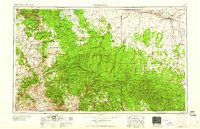 1960 Holbrook1960 Print · USGSNorthern Arizona is captured here just as modern highways began to reshape the cattle and timber country of the Colorado Plateau. Genealogists and historians can trace the early footprints of Snowflake, Sedona, and Payson, alongside the Atchison Topeka & Santa Fe RR rail line.
 - 1973 Map of Diamond Point, 1975 Print
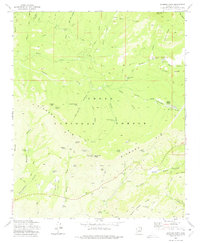 1973 Diamond Point1975 Print · USGSGila County ranching and forest lands are detailed in this early 1970s survey. Genealogists and local historians can trace family-named sites like Pyle Ranch, Yunker Ranch Well, and the prominent lookout at Diamond Point.2 unique versions available
 - 1981 Map of Payson
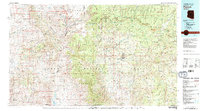 1981 Payson1981 Print · USGSCentral Arizona's mountain country comes into focus in the early eighties, centered on the growing town of Payson. Trace the mining history at Gowan Mine, find old forest outposts like Kohls Ranch, and see the rugged Mogollon Rim terrain.2 unique versions available
 - 2004 Map of Diamond Point, 2006 Print
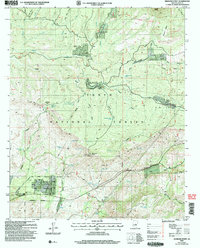 2004 Diamond Point2006 Print · USGSArizona's Mogollon Rim country comes into focus in this early 2000s study of the Tonto National Forest. Genealogists and hikers can trace seasonal settlements like Ellison Creek Summer Homes and historic routes including the Highline National Recreation Trail.
 - 2011 Map of Diamond Point, 2011 Print
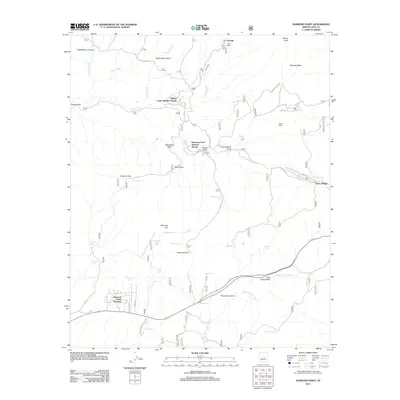 2011 Diamond Point2011 Print · USGSGila County's high country is captured here during the early twenty-first century, showing the intersection of seasonal settlements and cattle ranching history. Researchers can trace property and water rights through features like Pyle Ranch, Tonto Village, and Diamond Point Shadows.
 - 2014 Map of Diamond Point, 2014 Print
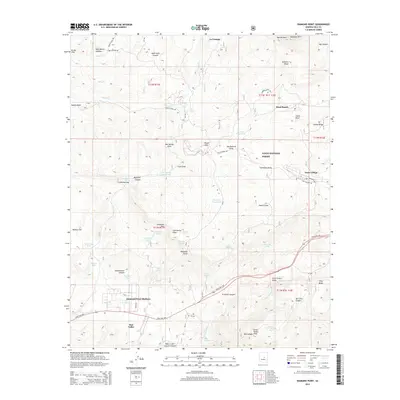 2014 Diamond Point2014 Print · USGSThe Mogollon Rim country near Star Valley is captured here in the early twenty-first century as mountain communities expanded along the highway. Genealogists and hikers can trace the rugged topography of Preacher Canyon, Tonto Village, and the remote Mead Ranch.
 - 2018 Map of Diamond Point, 2018 Print
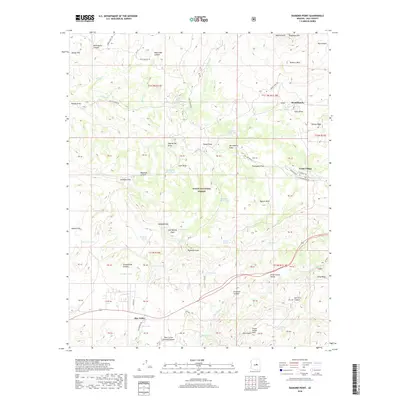 2018 Diamond Point2018 Print · USGSThe high rim country of Gila County is captured here in the late twenty-teens, showing the communities of Star Valley and Tonto Village. Researchers can trace the ranching and timber heritage of the area through sites like Mead Ranch, Schoolhouse Canyon, and Little Green Valley.
 - 2021 Map of Diamond Point, 2021 Print
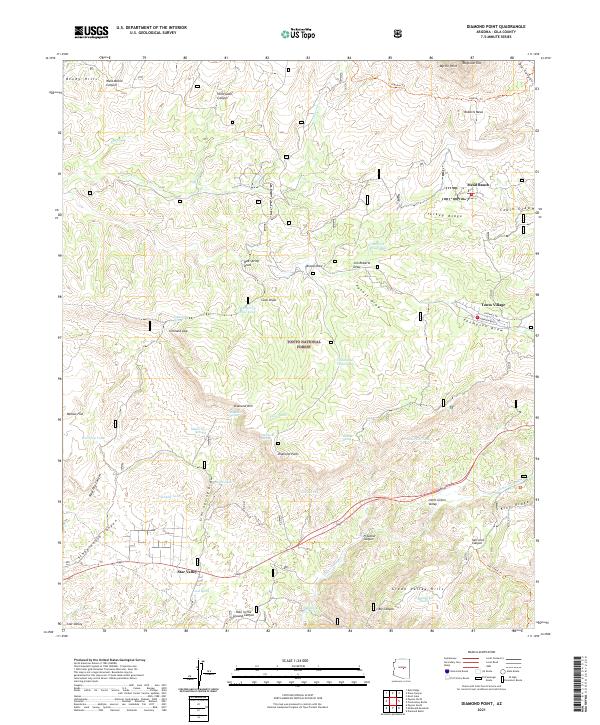 2021 Diamond Point2021 Print · USGSGila County's rugged rim country is documented here in the early 2020s, showing the transition from the high Mogollon Rim to the canyon floor. Local historians can trace the development of Star Valley and Tonto Village or locate remote landmarks like Hells Gate Canyon and the Highline Trail.
End of results
Showing maps 1-16 of 16
Top cities near La Cienega
Frequently asked questions
- What are the different types of historical maps available for La Cienega?
- What is the oldest map of La Cienega?
- Where can I purchase historical maps of La Cienega for my home or office?
- Where can I download high-res historical maps of La Cienega?
- Are there historical topographic maps available for La Cienega?
- Is there historical aerial imagery available for La Cienega?
- Where are historical maps of La Cienega sourced from?