Old Maps of Cedar, Arizona for Hiking & Exploration
Hike through history with 15 historic maps of Cedar. Explore old trails, ghost towns, and forgotten backroads — perfect for outdoor adventurers and local explorers.
- Rediscover forgotten places: Map out old mining camps, roads, and footpaths that no longer exist on modern maps.
- Layer with modern tools: Combine with LiDAR or satellite views to plan hikes through historical terrain.
- Made for exploration: Popular among hikers, overlanders, and local history lovers.
Use these maps to find adventure and explore the hidden past of Cedar.
Cedar, AZ maps
(15)- 1923 Map of Signal
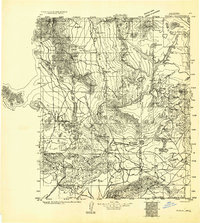 1923 Signal1923 Print · USGSWestern Arizona in the early twenties was a landscape of isolated mining camps and vital desert springs. Genealogists and historians can trace the footprint of early settlements like Signal and Swansea or locate remote outposts such as Owen and Butler well.
 - 1942 Map of Signal
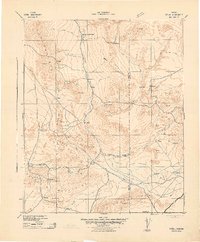 1942 Signal1942 Print · USGSNorthwestern Arizona was a rugged network of mining camps and river crossings during the early years of the war. Researchers can trace the isolated roads connecting Signal, the mines at Bagdad, and the remote desert outposts of Swansea and Alamo.
 - 1950 Map of Prescott, 1951 Print
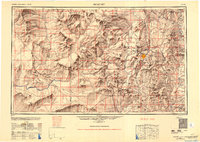 1950 Prescott1951 Print · USGSArizona's mining and ranching frontiers were in full operation during the early fifties, from the vertical streets of Jerome to the remote western desert. Genealogists and researchers can trace rural life via the Bland School, the United Verde Mine, and stops along the Atchison Topeka and Santa Fe Railway.
 - 1954 Map of Prescott, 1963 Print
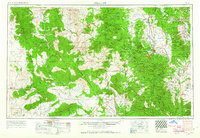 1954 Prescott1963 Print · USGSYavapai County mining and ranching districts are shown in high detail during the mid-twentieth century. Researchers can trace the legacy of remote camps and transport hubs like Swansea, Octave, and the Bagdad Mine along the desert rail lines.4 unique versions available
 - 1958 Map of Prescott
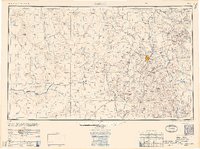 1958 Prescott1958 Print · USGSCentral Arizona's rugged mining and ranching corridors come alive in the late fifties. Genealogists and historians can trace the remote Trout Creek School, the mining operations at Jerome, and the rail stops at Skull Valley and Kirkland.
 - 1959 Map of Prescott
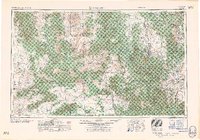 1959 Prescott1959 Print · USGSYavapai County and the central Arizona highlands come alive in the late fifties, showcasing a landscape of mountain mining towns and forest outposts. Researchers can trace the industrial footprints of the United Verde Mine, follow the Atchison Topeka and Santa Fe rails, and locate remote settlements like Swansea or Skull Valley.2 unique versions available
 - 1960 Map of Prescott
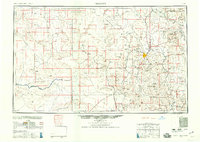 1960 Prescott1960 Print · USGSYavapai County and the surrounding high-desert mining districts are captured here during a period of steady industrial and rail activity. Researchers can trace the routes of the Atchison Topeka and Santa Fe Railway and locate historic sites like the United Verde Mine and Bland School.2 unique versions available
 - 1965 Map of Prescott
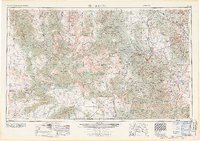 1965 Prescott1965 Print · USGSArizona's mining heartland is captured during the mid-sixties, from the copper mines of Jerome to the cattle country of Williamson Valley Wash. Genealogists and historians can trace old mining camps at Octave and Stanton or the historic Whipple Military Reservation.
 - 1967 Map of Diamond Joe Peak, 1969 Print
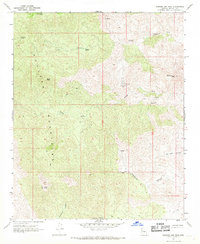 1967 Diamond Joe Peak1969 Print · USGSThe high summits of the Hualapai Mountains are captured in the late 1960s, showing a landscape defined by mining and desert water sources. Researchers can locate the Leviathan Mine, trace a FOOT TRAIL past Granite Peak, and identify early habitations marked as Ruins.2 unique versions available
 - 1979 Map of Bagdad, 1997 Print
 1979 Bagdad1997 Print · USGSArizona's copper and graphite mining districts are captured here in the late seventies, showing the industrial footprint at Bagdad. Researchers can trace old mineral claims like the Boriana Mines and Diamond Joe Mine alongside historic water sources like Coors Well.2 unique versions available
 - 2011 Map of Diamond Joe Peak, 2011 Print
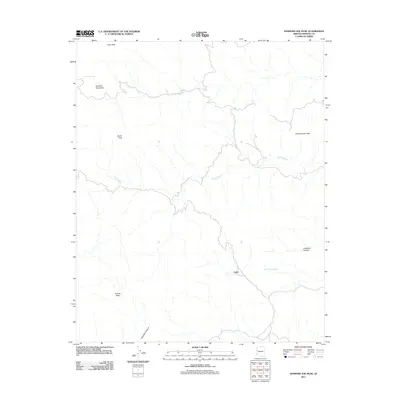 2011 Diamond Joe Peak2011 Print · USGSThe high-desert terrain of Mohave County comes into focus at a time when the Hualapai Mountains and Cedar remain remote outposts of the Arizona interior. Trace the path of Deluge Wash or locate specific landmarks like Diamond Joe Peak and Grapevine Spring.
 - 2014 Map of Diamond Joe Peak, 2014 Print
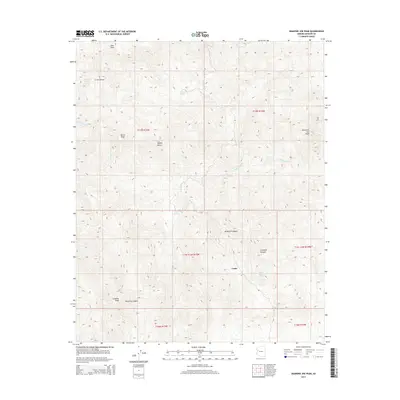 2014 Diamond Joe Peak2014 Print · USGSThe high desert of Mohave County comes into focus in this recent survey, centered on the settlement of Cedar. Researchers can trace the rugged drainage patterns of Gunsight Canyon or locate reliable water sources like Grapevine Spring and Lower Cypress Spring.
 - 2018 Map of Diamond Joe Peak, 2018 Print
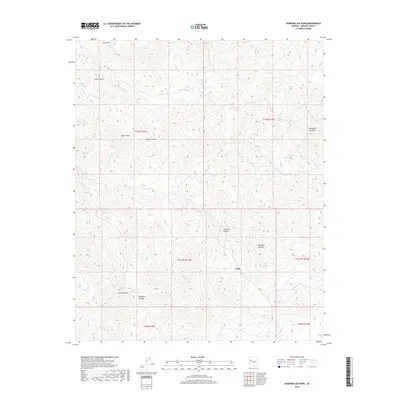 2018 Diamond Joe Peak2018 Print · USGSThe high Mojave Desert peaks of Mohave County are captured here in the late twenty-tens, showing a landscape of isolated summits and springs. Researchers can locate the settlement of Cedar and trace water sources like Chappo Spring and Lower Cypress Spring.
 - 2021 Map of Diamond Joe Peak, 2021 Print
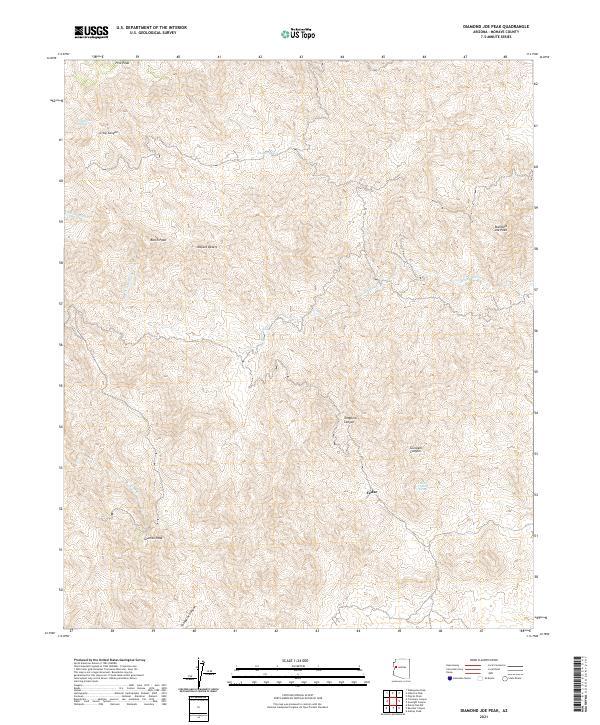 2021 Diamond Joe Peak2021 Print · USGSThe high elevations of the Mojave Desert are documented here in recent years, showing the peaks and water sources of this arid region. Researchers can trace the elevation changes between Diamond Joe Peak and Cedar, or locate remote sites like Grapevine Spring.
 - 2026 Map of Diamond Joe Peak, 2026 Print
 2026 Diamond Joe Peak2026 Print · USGSCovers Cedar, including Mohave County, United States, and other nearby areas
End of results
Showing maps 1-15 of 15
Frequently asked questions
- What are the different types of historical maps available for Cedar?
- What is the oldest map of Cedar?
- Where can I purchase historical maps of Cedar for my home or office?
- Where can I download high-res historical maps of Cedar?
- Are there historical topographic maps available for Cedar?
- Is there historical aerial imagery available for Cedar?
- Where are historical maps of Cedar sourced from?