Old Maps of Ray Place, Arizona for Academic Research
Study the evolution of Ray Place with 16 high-resolution historic maps. Whether you're teaching, researching, or modeling changes in land use, these maps provide essential visual documentation of urban, environmental, and geographic change.
- Analyze long-term change: Track patterns in development, transportation, and natural features.
- Ideal for environmental or urban studies: Support academic projects with primary historical map data.
- Use in the classroom or lab: Educators and researchers rely on these maps to bring historical context to life.
These maps are a powerful tool for teaching, research, and visualizing how Ray Place has changed over the decades.
Ray Place, AZ maps
(16)- 1886 Map of Camp Mohave
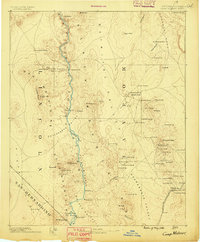 1886 Camp Mohave1886 Print · USGSThe Colorado River and the Cerbat mining districts define this territory during the mid-1880s. Genealogists and historians can trace the early rail stops at Kingman and Beale, or find the locations of frontier mining camps like Chloride and Mineral Park.
 - 1892 Map of Camp Mohave
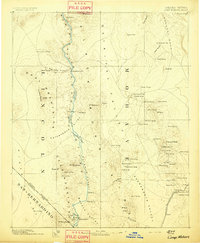 1892 Camp Mohave1892 Print · USGSThe Colorado River frontier in the 1890s reveals a network of isolated mining camps and military outposts. Trace the early river-crossing economy and mining boomtowns through Eldorado Ferry, the Patterson Mine, and the military station at Camp Mohave.8 unique versions available
 - 1942 Map of Camp Mohave
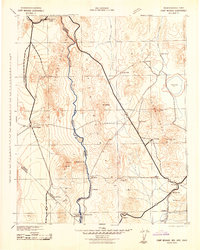 1942 Camp Mohave1942 Print · USGSThe tri-state borderlands of Nevada, Arizona, and California are captured here in the early 1940s, highlighting a landscape of deep canyons and high-desert mining camps. Researchers can trace historic rail lines and find remote outposts like Searchlight, Nelson, and the riverfront Fort Mohave Indian Reservation.
 - 1947 Map of Kingman, 1948 Print
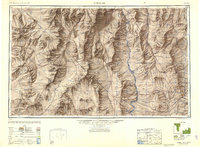 1947 Kingman1948 Print · USGSThe tri-state Mojave desert region comes into focus during the late 1940s, as post-war travel began to surge along U S 66. Genealogists and historians can trace the mining-and-rail economy through the Atchison Topeka and Santa Fe line, the Copper World Mine, and old settlements like Oatman or Goodsprings.2 unique versions available
 - 1948 Map of Kingman
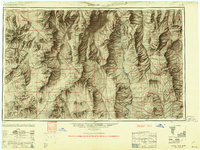 1948 Kingman1948 Print · USGSThe Mojave Desert at the dawn of the fifties shows a landscape of deep canyons and booming mines along the Arizona and Nevada border. Genealogists and historians can trace rail-stop towns and mining claims like Oatman, Searchlight, and the Mohawk Mine.
 - 1954 Map of Kingman, 1964 Print
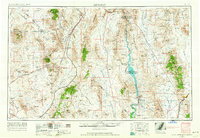 1954 Kingman1964 Print · USGSThe High Desert borderlands come to life in the mid-fifties, showing the intersection of mining legacies and massive river projects. Researchers can trace old rail stops like Roach Station, mining sites such as Chloride, and river landmarks like Searchlight Ferry.4 unique versions available
 - 1955 Map of Kingman
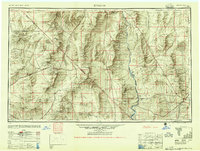 1955 Kingman1955 Print · USGSThe Mojave Desert and Colorado River corridor come alive in the mid-fifties, showing a landscape of mining camps and rail junctions. Trace the river to the Searchlight Ferry or locate old desert mining sites like Goldroad and the Great Monster Mine.
 - 1958 Map of Kingman
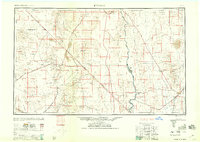 1958 Kingman1958 Print · USGSThe tri-state desert borders of Arizona, Nevada, and California are shown in the late fifties as a network of mining camps and river crossings. Genealogists and historians can trace the legacy of remote outposts like Oatman, Chloride, and the Searchlight Ferry along the Colorado River.2 unique versions available
 - 1960 Map of Kingman
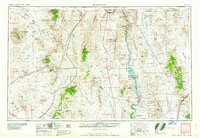 1960 Kingman1960 Print · USGSThe high desert landscape of the Arizona-Nevada border comes alive in the mid-twentieth century, showcasing the rise of recreation alongside deep-rooted mining history. Genealogists and historians can trace the roots of towns like Kingman and Oatman, or locate remote sites like the Lucky Dutchman Mine and Santa Claus.3 unique versions available
 - 1960 Map of Garnet Mtn., 1961 Print
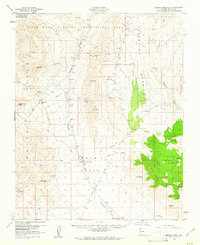 1960 Garnet Mtn.1961 Print · USGSThe mining camps and remote ranchlands of Mohave County come into focus in this early 1960s survey of the Gold Basin area. Researchers can trace the desert's industrial and agricultural history through labels like the King Tut Placer Mine, Burnt Mill Ranch, and Patterson Well.3 unique versions available
 - 1983 Map of Boulder City
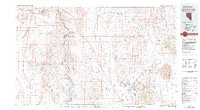 1983 Boulder City1983 Print · USGSThe Nevada-Arizona borderlands come alive in the early 1980s, centered on the Colorado River and the industrial activity of the surrounding ranges. Researchers can locate dozens of historic prospects such as the Klondyke Mine, Liberty Mine, and Dixie Queen Mine.2 unique versions available
 - 1989 Map of Garnet Mountain, 1990 Print
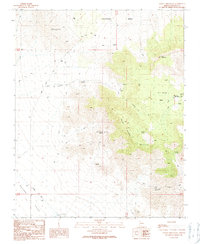 1989 Garnet Mountain1990 Print · USGSThe high desert of Mohave County comes into focus in the late 1980s, showcasing the remote ranching and mining landscape at the edge of the Hualapai Valley. Researchers can trace old routes like Pearce Ferry Road or locate water-dependent sites such as Valley Ranch and Rattlesnake Spring.
 - 2011 Map of Garnet Mountain, 2011 Print
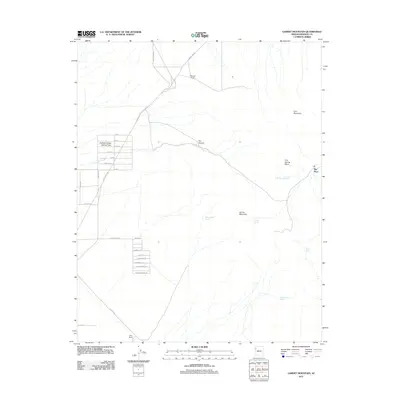 2011 Garnet Mountain2011 Print · USGSMohave County’s high desert comes into focus in the early 2000s, showing a landscape defined by ranching outposts and rugged peaks. Researchers can trace historic water sources like Garnet Spring or explore naming patterns at Ray Place and the Patterson Corral.
 - 2014 Map of Garnet Mountain, 2014 Print
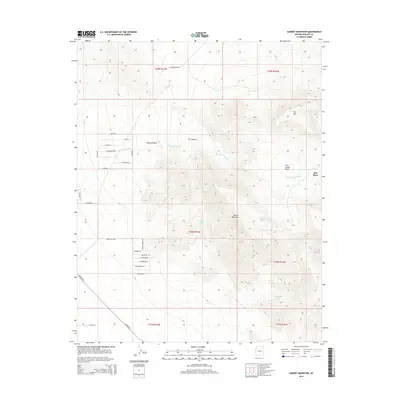 2014 Garnet Mountain2014 Print · USGSArizona desert life is captured here in the early twenty-first century, showing the intersection of mountain terrain and rural roads. Map researchers can trace local water sources like Valley Ranch Spring and Garnet Spring or find the namesake Ray Place.
 - 2018 Map of Garnet Mountain, 2018 Print
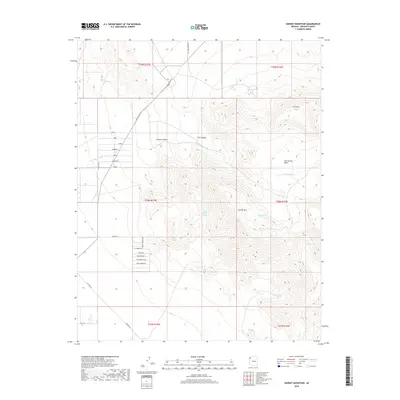 2018 Garnet Mountain2018 Print · USGSMohave County's desert uplands are captured here in the late 2010s, showcasing a landscape defined by isolated springs and high peaks. Researchers can trace the named road grids at Indian Hill and locate vital water sources like Valley Ranch Spring and Willing Spring.
 - 2021 Map of Garnet Mountain, 2021 Print
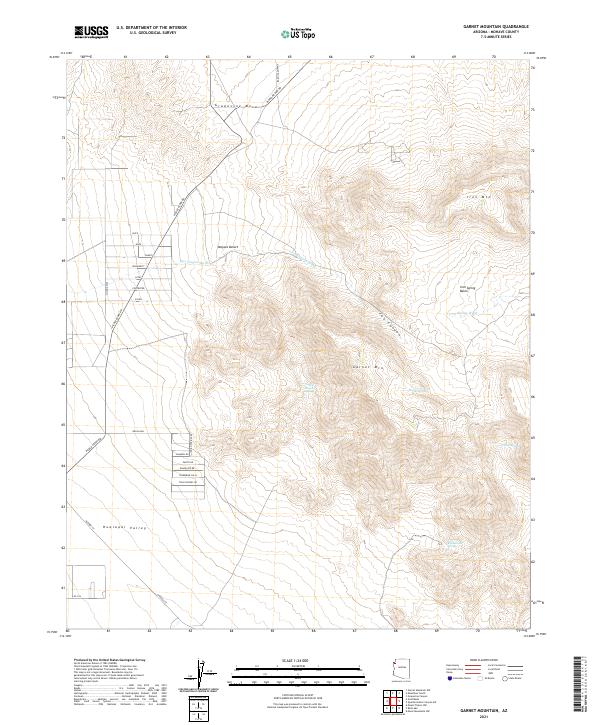 2021 Garnet Mountain2021 Print · USGSArizona's high-desert country comes into focus in this recent survey, showcasing the remote terrain of Mohave County where the Mojave Desert meets Garnet Mtn. Researchers can trace essential water sources like Valley Ranch Spring and the unusual grid of named streets including Faith and Charity.
End of results
Showing maps 1-16 of 16
Frequently asked questions
- What are the different types of historical maps available for Ray Place?
- What is the oldest map of Ray Place?
- Where can I purchase historical maps of Ray Place for my home or office?
- Where can I download high-res historical maps of Ray Place?
- Are there historical topographic maps available for Ray Place?
- Is there historical aerial imagery available for Ray Place?
- Where are historical maps of Ray Place sourced from?